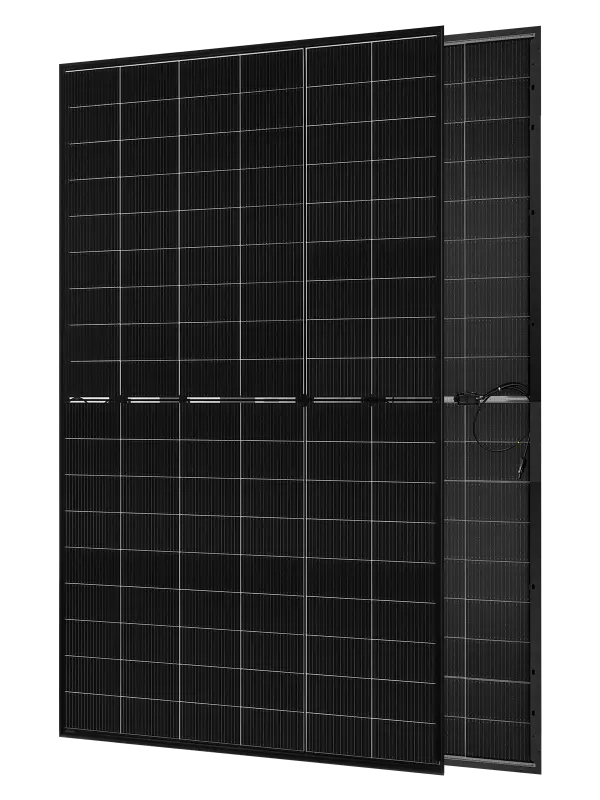
HJT Solar Panel 500W–520W Maysun Solar | Full Black, Bifacial, Glass-Glass, All-Black

Full Black HJT Solar Panel 500W to 520W All-Black, Bifacial, Glass-Glass

Power: 500 W 505 W 510 W 515 W 520 W
Efficiency: 22.5%–23.4%
Weight: 27.1 kg
Dimensions (L × W × H): 1960 mm × 1134 mm × 30 mm
Packing: 36 pcs/pallet, 864 pcs/40' HQ
Warranty: 30-year product and performance warranty
Module Mechanical Data

Mechanical Data

Solar cell
HJT N-type 210 × 182 mm
Number of cells
108 cells (6 × 18)
Module dimensions
1960 mm × 1134 mm × 30 mm
Weight
27.10 kg
Front glass
2.0 mm tempered glass with high light transmittance and anti-reflective coating
Encapsulation
POE
Back glass
2.0 mm tempered glass with high light transmittance and thermal resistance
Frame
Anodised aluminium frame
Junction box
IP68 protection rating (with 3 bypass diodes)
Cable
4.0 mm² photovoltaic cable, M 1200 mm / P 1200 mm (customisable)
Connector
MC4-compatible

* For full details of the mechanical data and connectors, please refer to the relevant datasheet.

Download icon Download technical datasheet

Module Type Table

High-Efficiency Solar Solutions

High-performance solar panels with cutting-edge technology – ideal for commercial photovoltaics and for reducing energy consumption in day-to-day operations. Reliable, clean power for sustainable projects across commercial and residential applications.

Key Performance Figures

500–520W
Module power
22.5–23.4%
Module efficiency
30 years
Product warranty

Key Product Benefits

SMBB technology (18BB)

Advanced multi-busbar technology reduces resistive losses and improves PV conversion efficiency.

No LID or LeTID effect

Optimised materials and process control minimise light-induced degradation and support stable long-term yields.

Low power temperature coefficient

With a temperature coefficient of -0.243%/°C, output remains more stable even at higher module temperatures.

Excellent low-irradiance performance

High energy yield even in diffuse light – delivering more usable generation hours throughout the day.

Low power degradation

Power degradation ≤1% in the first year and ≤0.25% per year from year 2 to year 30 – after 30 years, around 90.3% of the rated power remains available.

Reduced hotspot risk

HJT modules have lower string resistance and a more even thermal distribution – reducing local overheating (hotspots) and improving system safety.

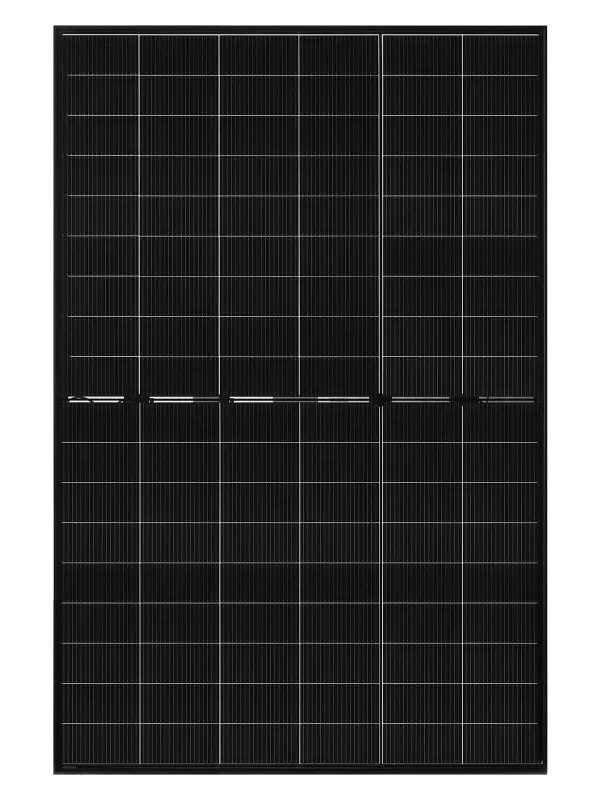
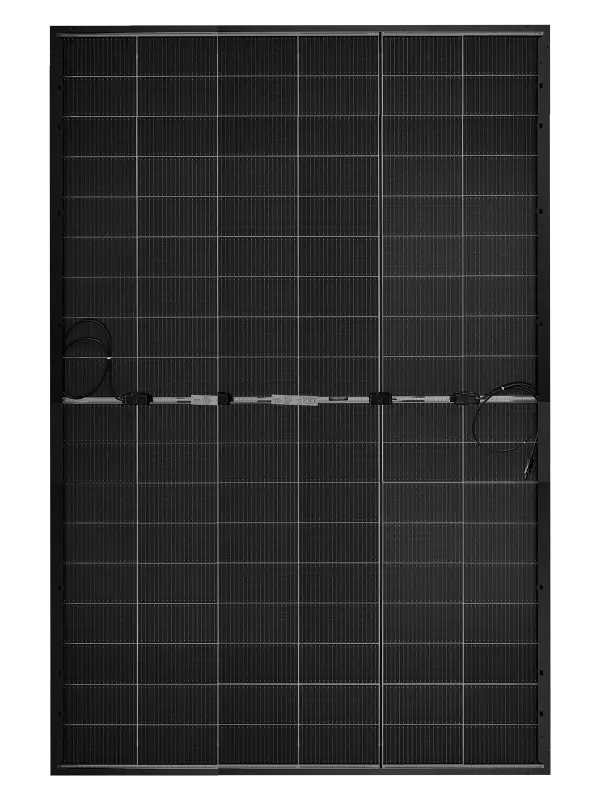
HJT – clean and uniform aesthetics
Consistent appearance
on both front and rear sides
Clean, well-ordered and professional
Thanks to the low-temperature manufacturing process and the uniform deposition of HJT cells, colour variations are significantly lower than with conventional technologies. This allows the module to maintain a visually consistent appearance across different production batches and angles of incidence. The front-side busbars are finer, while the rear side features a clearly structured layout. Whether installed on rooftops, carports or façades, the overall look remains calm and balanced, meeting the aesthetic requirements of modern residential and commercial buildings.
Making the most of every ray of sunlight
Power generation from both sides
Up to 95 % bifaciality
The symmetrical cell structure of HJT technology enables efficient light absorption on both sides of the module. On reflective surfaces such as concrete areas, metal roofs or bright surroundings, the bifacial gain becomes particularly noticeable. By generating additional power from the rear side, the energy yield per installed area can be increased and annual output improved – without adding more modules or occupying additional space.

Certified by Leading International Testing Bodies

This product complies with European and international standards and is certified according to TÜV, CE, IEC and ISO requirements – ensuring verified quality, high safety standards and long-term reliability.

TÜV certification
CE conformity
IEC standards
ISO certification
Shipping

Packaging and Shipping Protection

Packaging and transport of photovoltaic modules

Secure packaging · Fast delivery from European warehouses

The photovoltaic modules are packaged in accordance with established industry standards and secured using a multi-layer protection system to minimise the risk of transport damage.

  • Packed on standardised wooden pallets for easy storage and handling
  • Additional outer protective layers to enhance transport stability
  • Packaging concept aligned with the requirements of common logistics channels
  • Support for partial deliveries and dispatch from multiple warehouses across Europe

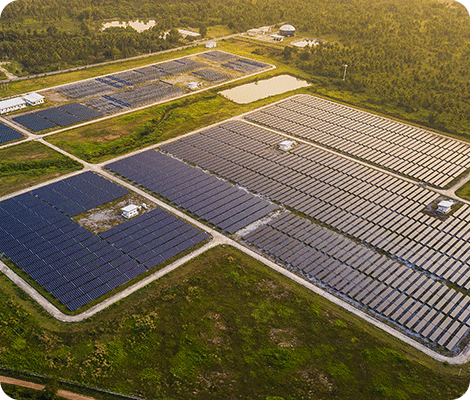
Applications | From rooftops to ground-mounted systems

High stability in low irradiance, high temperatures or diffuse light; bifacial gain is ideal for bright roofs and highly reflective surfaces.

Frequently Asked Questions

Answers to common questions about HJT technology and photovoltaic modules

Why does HJT technology deliver stable long-term performance?

HJT technology supports stable long-term performance because it does not suffer from light-induced degradation (LID). HJT solar cells use N-type silicon wafers without boron–oxygen complexes, which helps to avoid light-related efficiency losses almost entirely. This supports a long service life of up to 30 years and enables reliable electricity generation.

What are the key advantages of HJT technology?

The bifacial structure can improve generation efficiency. Low light-induced degradation, a low temperature coefficient, and high bifaciality. A simplified manufacturing process also contributes to high energy efficiency.

Do HJT modules stay more stable in high temperatures?

HJT modules have a temperature coefficient of around −0.24%/°C. As a result, power losses at high module temperatures are lower, which can translate into higher yields during hot summer months and in warmer European regions.

Why are 500W–520W HJT modules a good fit for European roofs?

The 500W–520W power range offers a balanced mix of module size, weight, and output. It is well suited to residential and commercial roofs across Europe, without placing unnecessary loads on roof structures or making installation more complex.

How does the low degradation of HJT modules affect long-term yield?

HJT modules are not affected by LID or PID. Degradation is typically below 1% in the first year and around 0.25% per year thereafter. Over 25–30 years, this can deliver higher lifetime energy yield and more stable economic results.

Please leave your contact details

so that we can provide you with personalized purchasing advice.

Scroll to Top