 View all information – Transparent
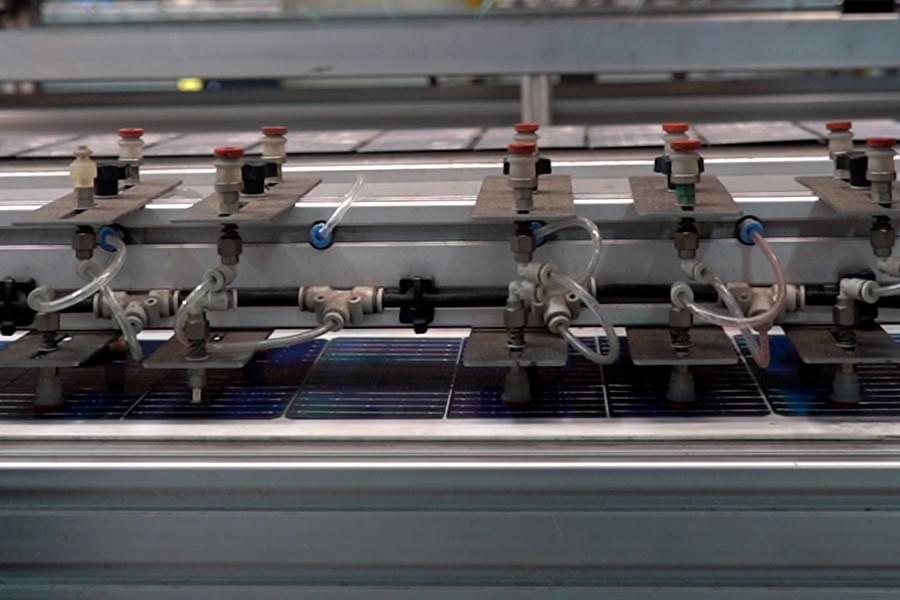
Automated Manufacturing
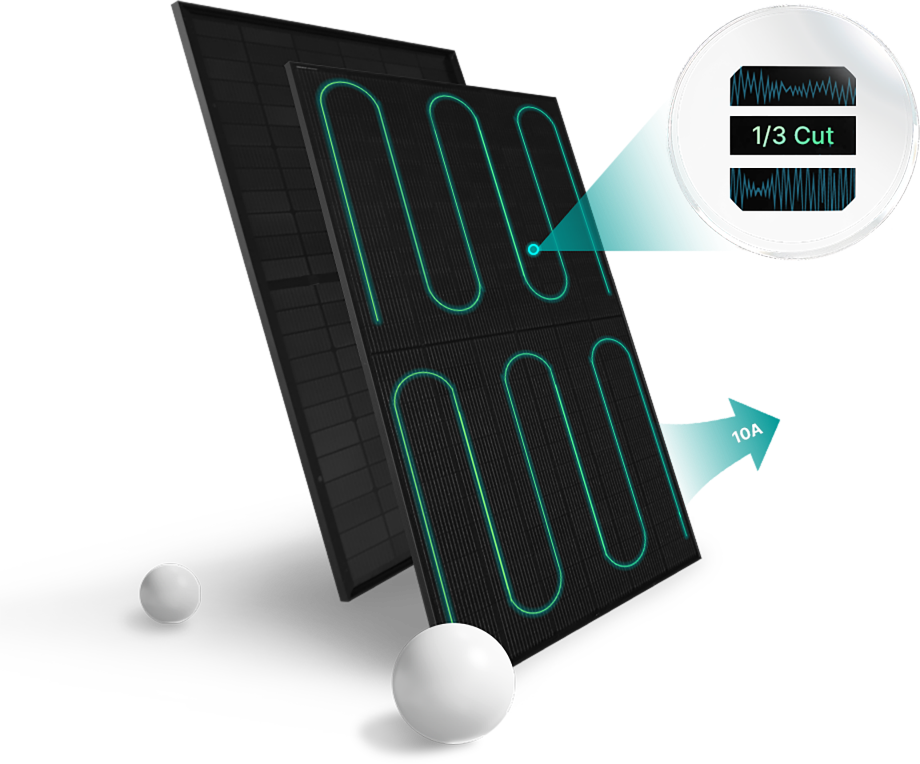
Laser cutting, automated soldering and plasma cleaning with closed-loop process control across key parameters—ensuring precise 1/3-cut segmentation and consistent interconnection quality.
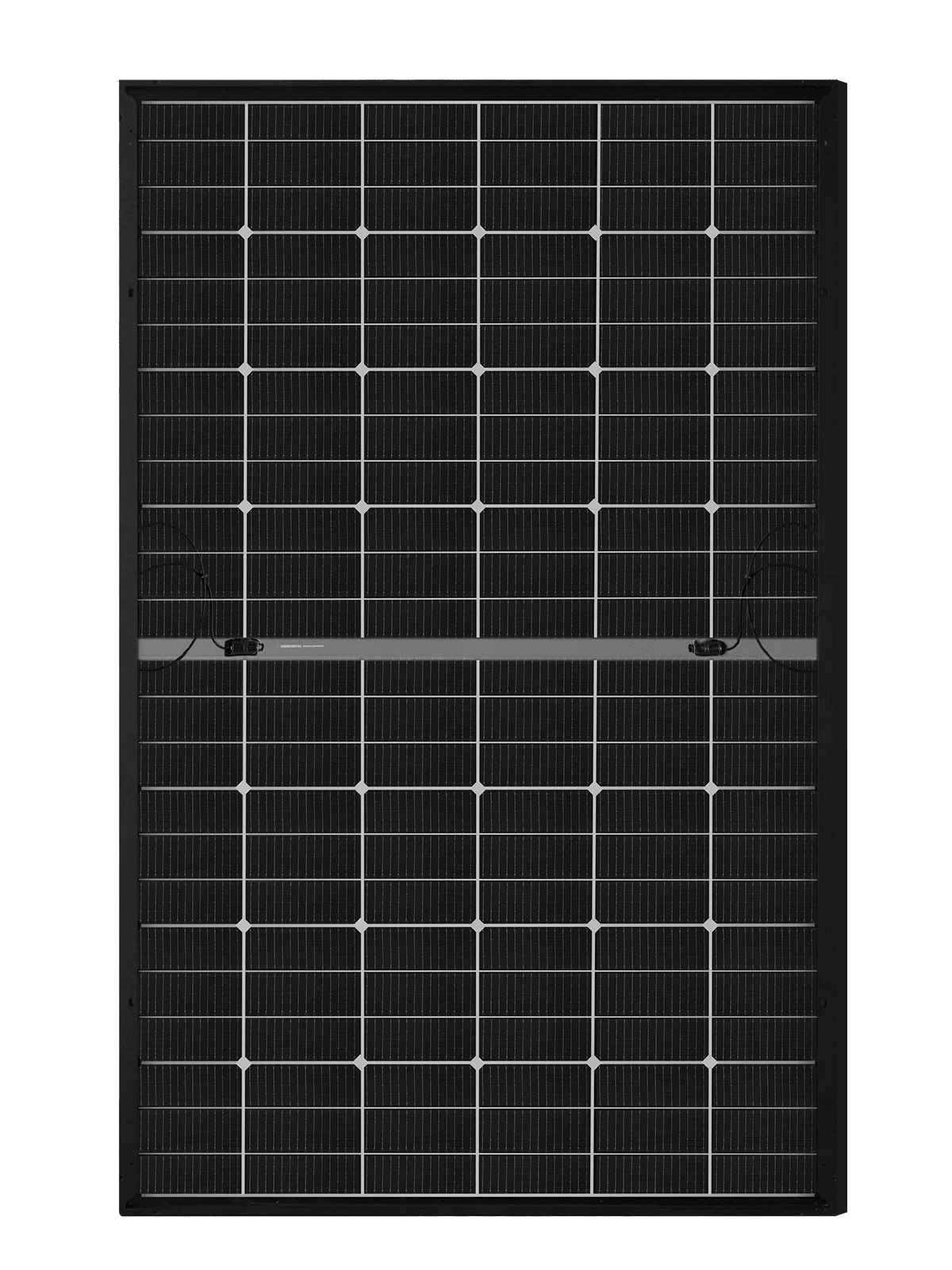
|
|
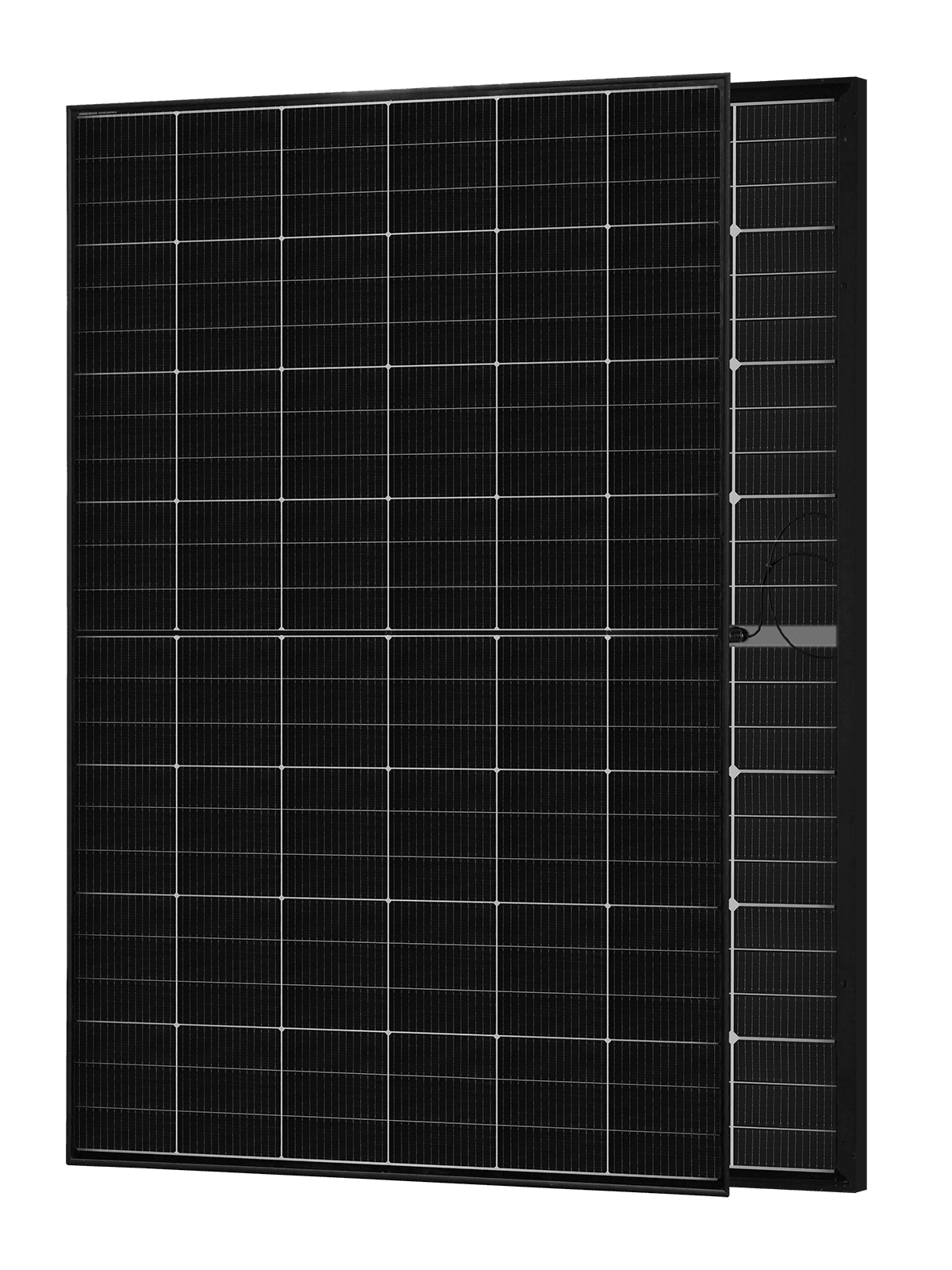
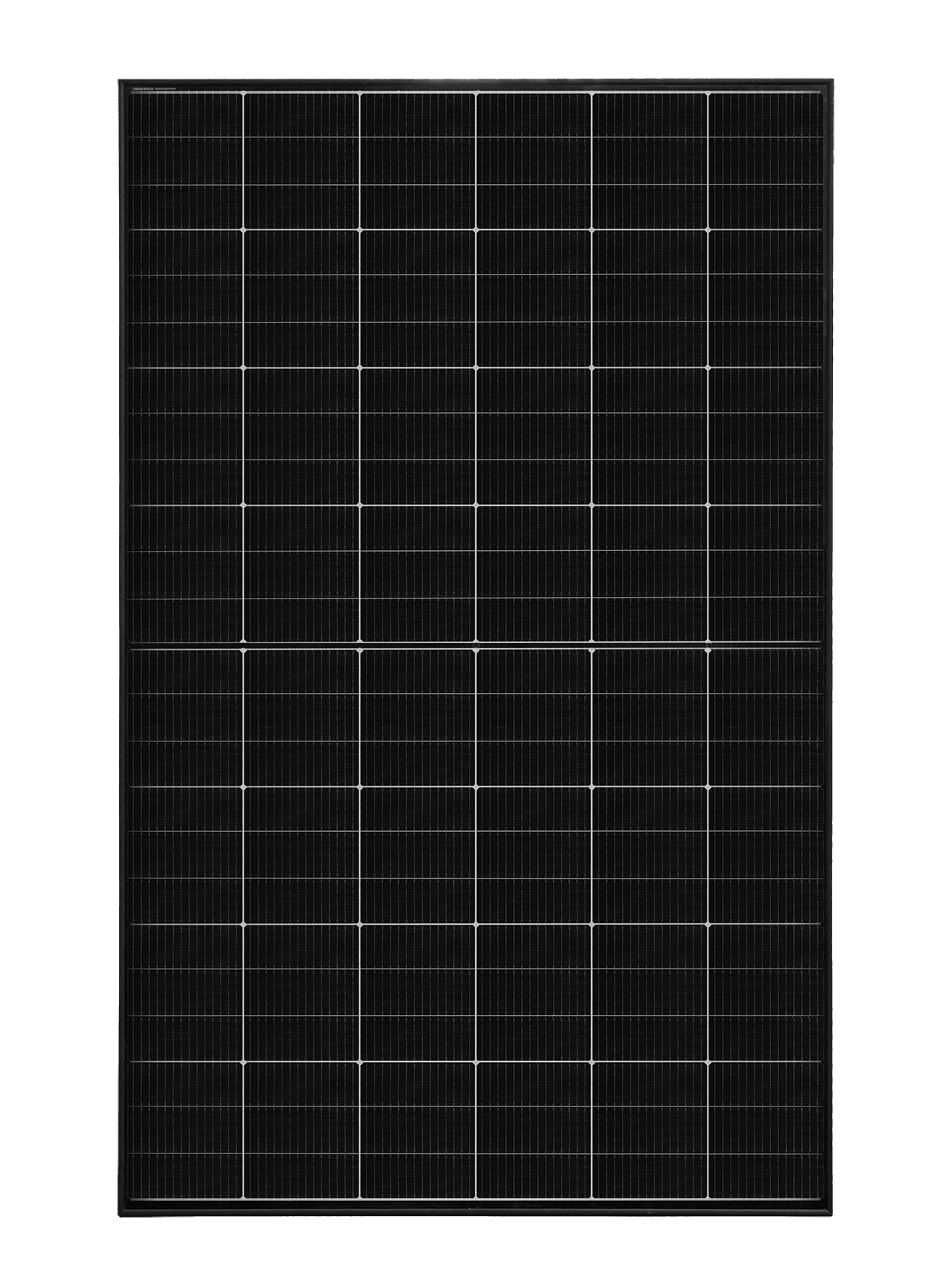
Power output: 430W / 435W / 440W / 445W / 450W / 455W / 460W |
|
|
Efficiency: 21.50%–23.02% |
|
|
Mechanical load rating: Front 5400 Pa / Rear 4000 Pa |
|
|
Dimensions (L × W × H): 1762 × 1134 × 30 mm |
|
|
Packing: 36 pcs/pallet, 936 pcs/40HQ |
|
|
Warranty: 30-year product and performance warranty |
* Please refer to the regional datasheet for the specified connector.
Full cell → half-cut → 1/3-cut: combined with TOPCon for lower current density, more stable thermal management, and a cleaner appearance.
A visual progression from full cell to half-cut and then to 1/3-cut technology.
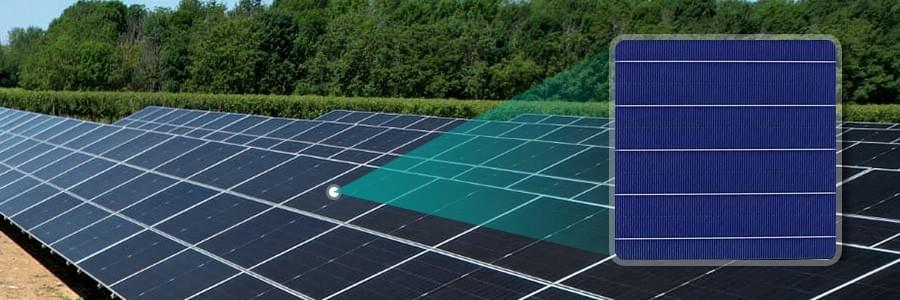
Uncut solar cell without cut edges; higher current and more demanding thermal management.
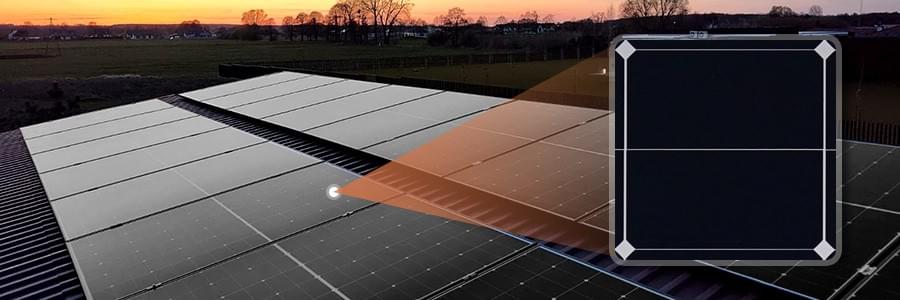
Solar cell split into two parts – lower current per busbar and reduced series resistance.
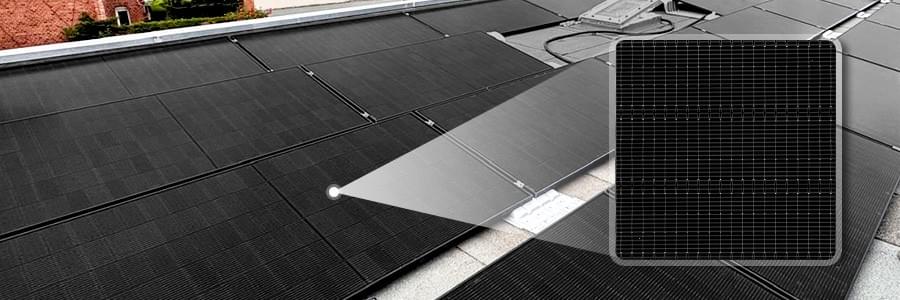
Solar cell split into three equal sections – lower current density and more stable operating temperatures.
By splitting the cell into three, current per string drops further; module temperatures are easier to manage in operation, reducing thermal peaks and ageing stress.
With an appropriate bypass topology and layout, 1/3-cut improves shading tolerance, helps limit hot spots and supports long-term stability.
1/3-cut reduces current flow; TOPCon delivers high efficiency and strong low-light performance. Together, they can improve temperature behaviour and LCOE – ideal for rooftop applications.

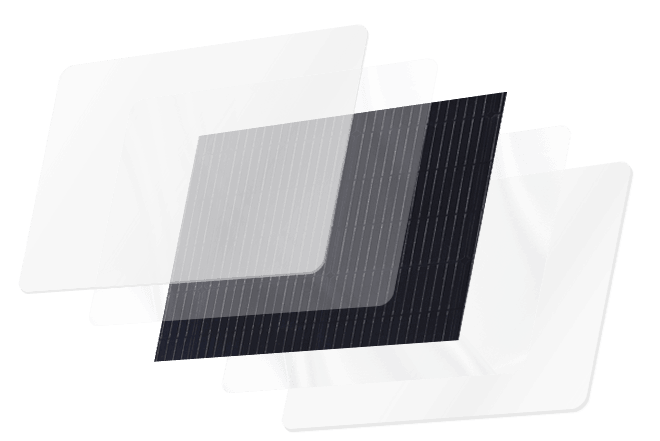
Both cutting technologies aim to reduce current density and minimise thermally induced losses — 1/3-cut takes this principle one step further.
Traditional 1/2-cut modules use laser technology to split cells along the centre line. The objective is to reduce current density and resistive losses (I²R losses), as each string carries only half the current, thereby limiting heat generation caused by electrical flow.
1/3-cut modules divide the cells into three segments, reducing the current to one third of the original value. This results in even lower resistive losses, more precise power control, and a reduced risk of hotspots, as well as lower performance losses caused by rising temperatures.

End-to-end quality control and traceability aligned with EU standards for 1/3-Cut × TOPCon modules
Laser cutting, automated soldering and plasma cleaning with closed-loop process control across key parameters—ensuring precise 1/3-cut segmentation and consistent interconnection quality.
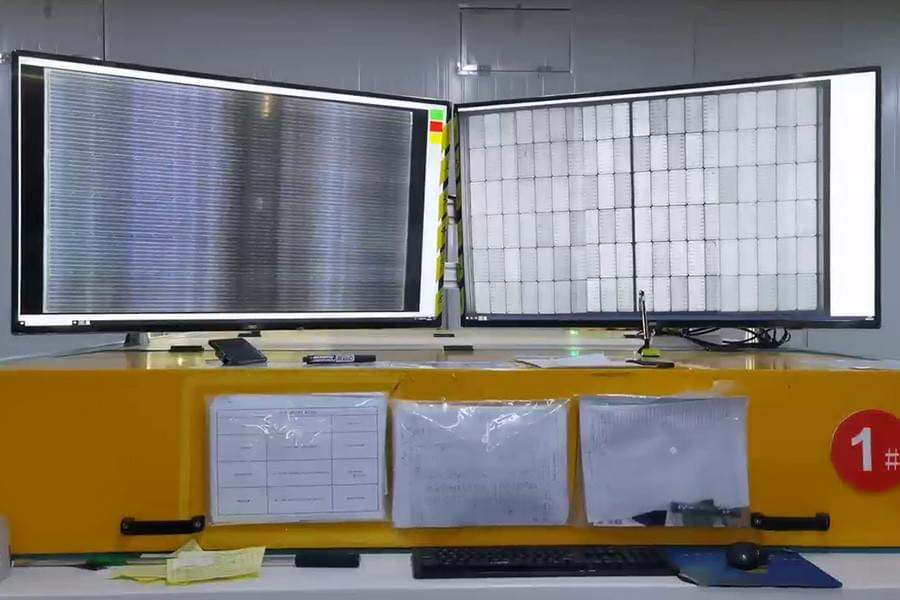
EL testing at inbound and outbound stages, complemented by IV-curve checks and visual sampling—consistently screening out microcracks, dark spots and similar defects.
Long-term stability validated by 85°C/85% RH for 1000 hours, thermal cycling, PID testing and dynamic mechanical load tests.

Europe-wide dealer network: We operate an extensive dealer network across Europe to ensure coverage in every region.

Reliable availability: We ensure our products remain well stocked and ready for delivery.

Local service: Efficient order fulfilment, fast lead times, and professional, timely after-sales support.

Over 16 years in photovoltaics: Extensive project experience and deep market knowledge.

TÜV, CE and fire safety certifications: Our products undergo strict testing and meet common EU requirements.

For qualifying German companies and with sufficient order volume, delivery on invoice with 30-day payment terms may be available.


