N-type vs P-type solar cells
Comparison of structure, efficiency, temperature behaviour and reliability of modern solar cells. N-type and TOPCon modules deliver higher efficiency and long-term stability in PV applications.


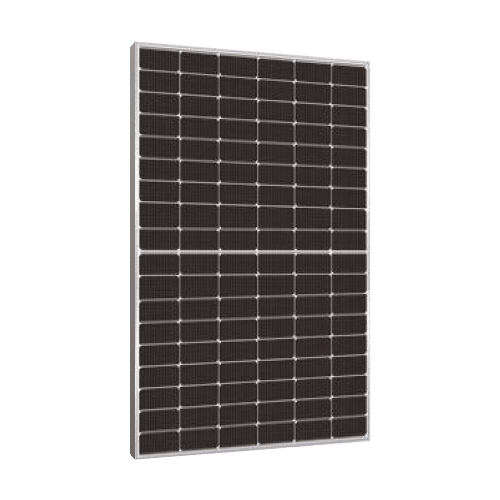
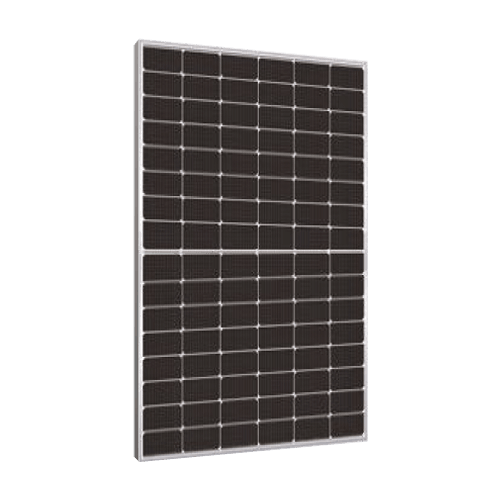
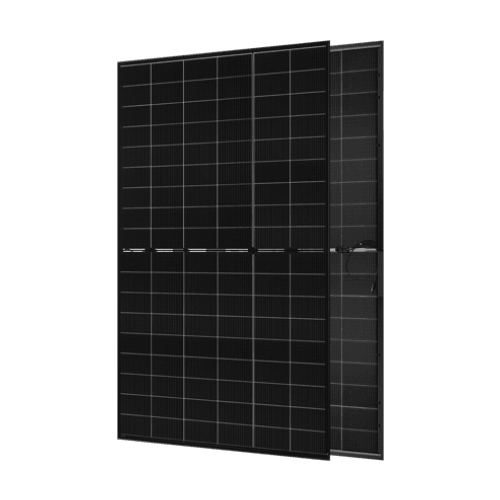


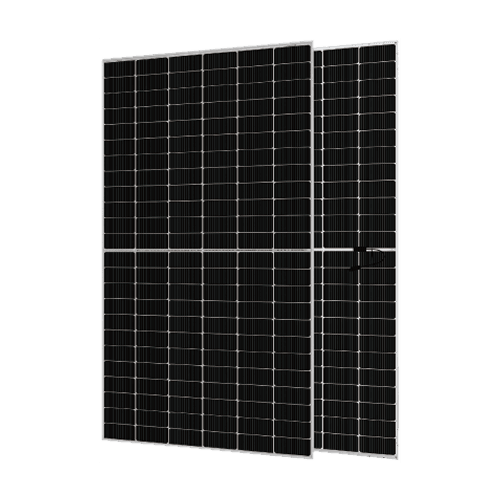
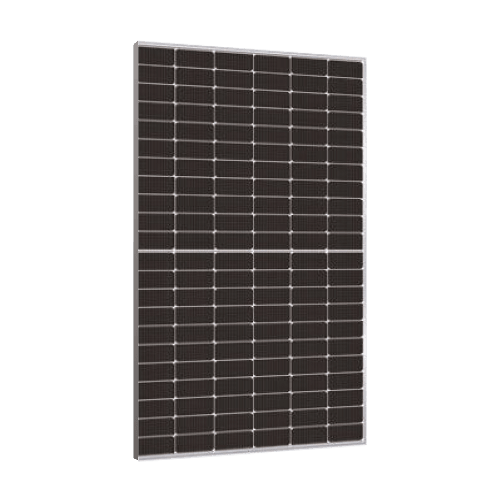
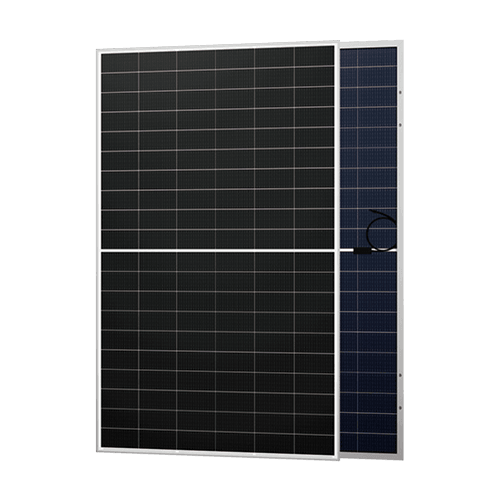




TOPCon solar cells use tunnel oxide passivated contact technology (N-type). The ultra-thin oxide layer minimises recombination, increases Voc and improves photovoltaic conversion efficiency. Compared with PERC modules (P-type), N-type TOPCon modules deliver higher energy yield per unit area, better performance at high temperatures and stable long-term output – making them particularly suitable for modern commercial and industrial rooftops.
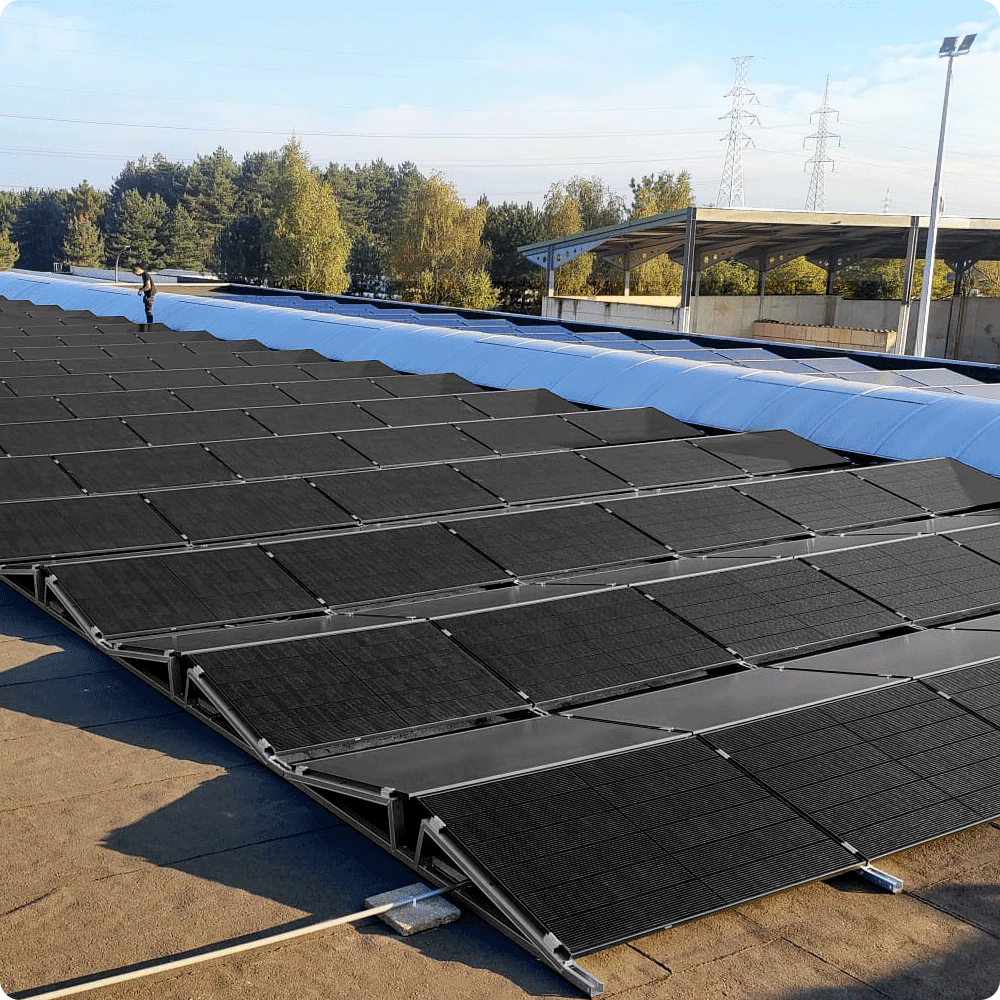
TOPCon photovoltaic modules based on N-type technology achieve higher efficiencies and improved temperature coefficients thanks to an advanced passivated contact structure.
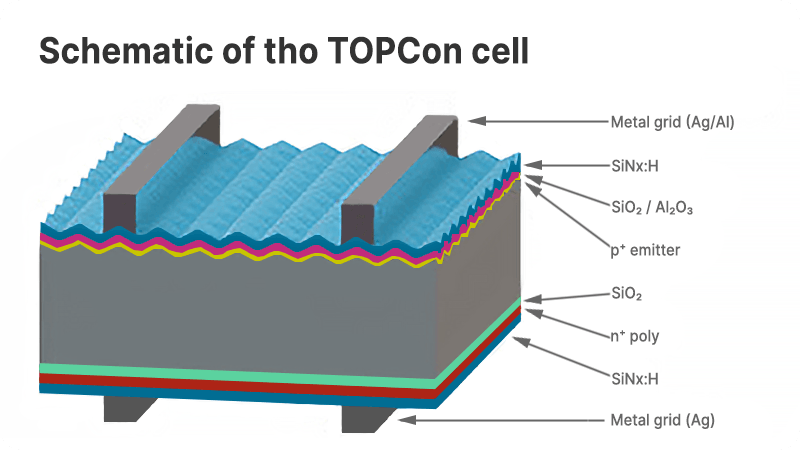
Compared with PERC, TOPCon reduces recombination losses through tunnel oxide and polysilicon passivation, increases efficiency and optimises energy yield per unit area.
In morning hours, cloudy conditions and heat periods, TOPCon delivers more stable daily output curves and higher annual yield thanks to its improved temperature coefficient and high light sensitivity.
Compatible with PERC production lines, higher voltage and power enable a more efficient system architecture, reduce BOS costs and improve overall ROI over the long term.
From rooftop systems to ground-mounted plants — TOPCon solutions tailored to every application
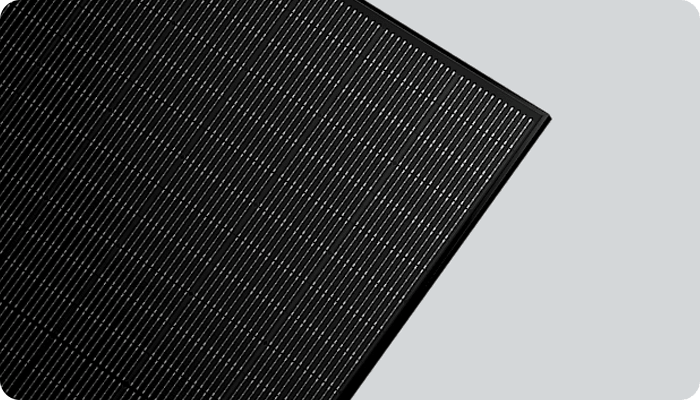 1/3-Cut
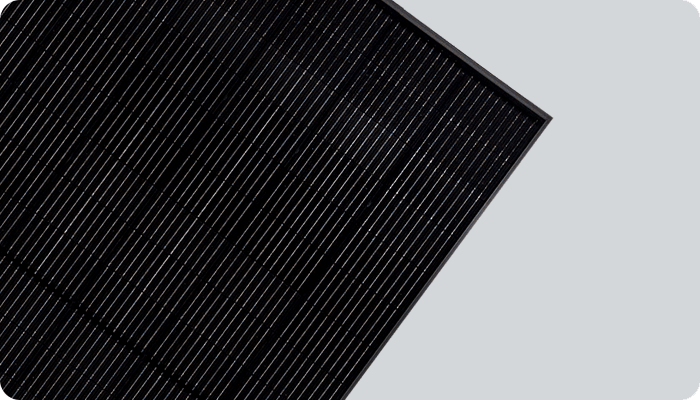 High-Efficiency TOPCon
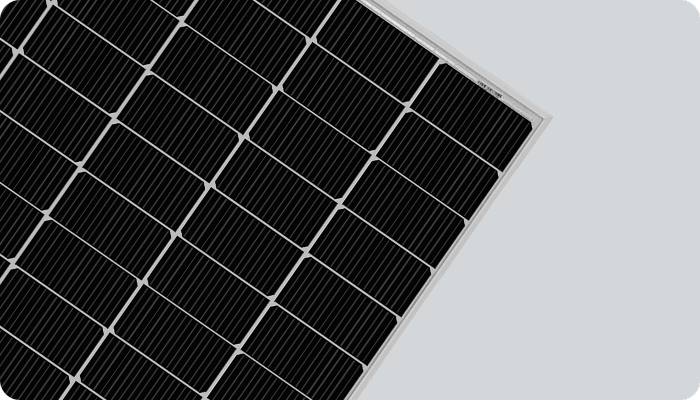 Ground-mount / bifacial
Compare technical parameters across all TOPCon series — suitable for different application areas
| Technical data |
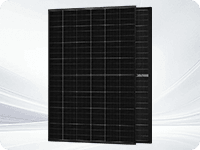
430–460W
Glass-glass full black · 1/3-cut
|
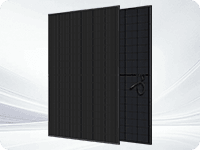
420–445W
Glass-glass full black
|
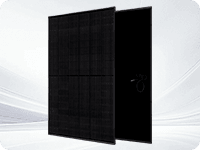
500–525W
Single-glass full black
|
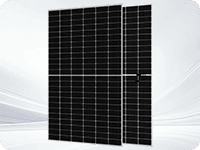
570–595W
Glass-glass silver frame
|
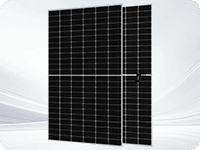
570–595W
Bifacial · silver frame
|
|||||
|---|---|---|---|---|---|---|---|---|---|---|
| STC | NOCT | STC | NOCT | STC | NOCT | STC | NOCT | STC | NOCT | |
| Max. power PMAX (Wp)* | 430–460 | 329–351 | 420–445 | 316–334 | 500–525 | 376–395 | 570–595 | 429–448 | 570–595 | 429–448 |
| VMPP (V) | 43.20–45.30 | 40.70–42.60 | 31.51–32.45 | 29.34–30.11 | 37.10–38.10 | 35.20–36.20 | 42.07–42.82 | 39.51–40.05 | 43.20–44.20 | 41.00–42.00 |
| IMPP (A) | 9.96–10.16 | 8.08–8.24 | 13.33–13.73 | 10.76–11.14 | 13.48–13.78 | 10.67–10.91 | 13.55–13.90 | 10.85–11.17 | 13.19–13.48 | 10.44–10.65 |
| VOC (V) | 51.40–53.90 | 48.70–50.90 | 38.11–39.06 | 36.20–37.10 | 43.70–44.70 | 41.50–42.50 | 50.74–51.44 | 48.20–48.88 | 51.00–52.00 | 48.50–49.40 |
| ISC (A) | 10.59–10.81 | 8.54–8.71 | 14.07–14.47 | 11.36–11.67 | 14.48–14.78 | 11.69–11.93 | 14.31–14.71 | 11.55–11.89 | 14.02–14.32 | 11.32–11.54 |
| Module efficiency ηm (%) | 21.50–23.02 | / | 21.51–22.80 | / | 22.11–23.22 | / | 22.06–23.04 | / | 22.06–23.04 | / |
| Weight (kg) | 21.0 kg | 24.0 kg | 23.5 kg | 29.0 kg | 32.0 kg | |||||
| Dimensions (mm) | 1762×1134×30 | 1722×1134×30 | 1994×1134×30 | 2279×1134×30 | 2279×1134×30 | |||||
| Warranty | 30-year product warranty 30-year performance warranty |
30-year product warranty 30-year performance warranty |
20-year product warranty 20-year performance warranty |
30-year product warranty 30-year performance warranty |
30-year product warranty 30-year performance warranty |
|||||
| Packaging | Pallet: 36 pcs 40' container: 936 pcs |
Pallet: 36 pcs 40' container: 936 pcs |
Pallet: 36 pcs 40' container: 792 pcs |
Pallet: 37 pcs 40' container: 740 pcs |
Pallet: 36 pcs 40' container: 720 pcs |
|||||
| Download datasheet | Download PDF | Download PDF | Download PDF | Download PDF | Download PDF | |||||
* STC: Irradiance 1000W/m², cell temperature 25°C, air mass AM1.5. / Measurement tolerance: ±3%
* NOCT: Irradiance at 800W/m², ambient temperature 20°C, wind speed 1m/s. / Measurement tolerance: ±3%
Note: Typical values. Variations may occur; the official datasheets are authoritative.
Strict quality management and international certifications ensure the highest module standards
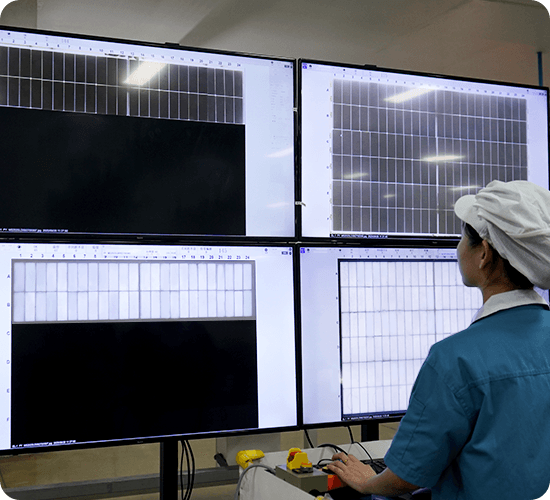
Rigorous inspection of all raw materials such as silicon wafers, glass, EVA and backsheet materials to ensure compliance with technical specifications.
Comprehensive quality monitoring throughout all production stages – including cell manufacturing, lamination, EL testing and assembly.
Final inspection including visual checks, electrical performance testing, EL inspection and weather resistance tests.
Our products comply with international standards and are certified by TÜV, CE and other recognised bodies.
TOPCon modules for a wide range of installation environments – maximum yields in every scenario
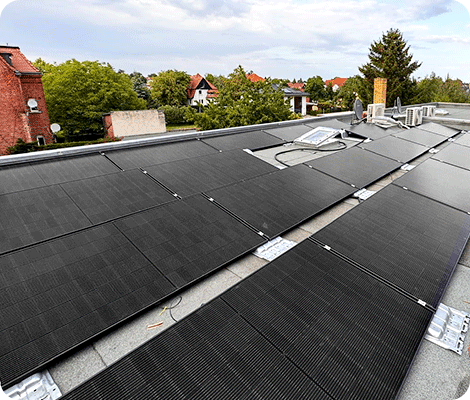
High power density and short payback periods. Also available in all-black designs – combining aesthetics with maximum performance.
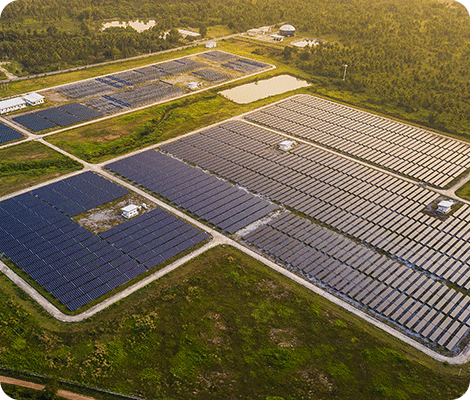
Higher string voltages and long-string designs optimise BOS costs and reduce LCOE.
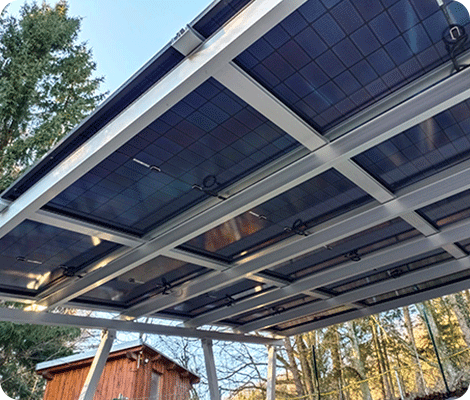
Optimised for high temperatures and diffuse irradiation – delivering higher yields throughout the year.
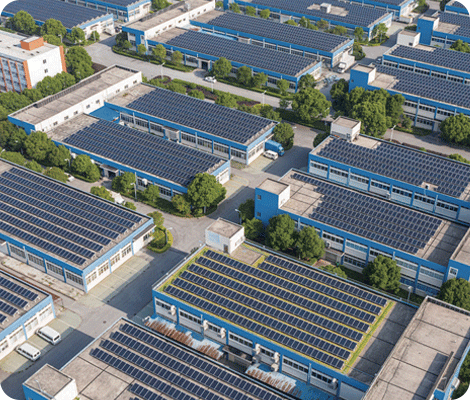
Upgrading to higher-performance modules under existing conditions – increasing self-consumption and overall energy yield.
Latest industry trends, technology analysis and project best practices
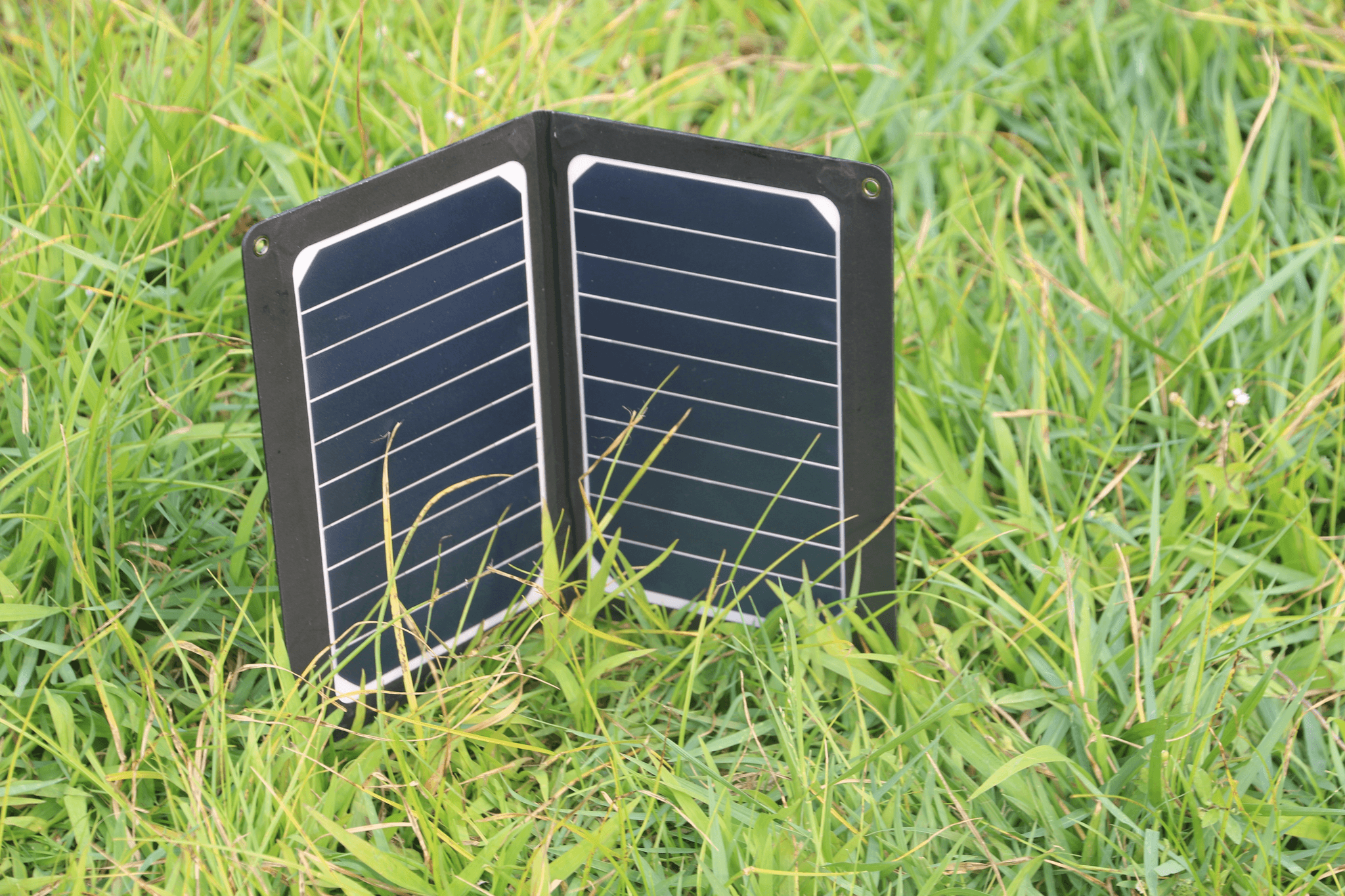 Technology comparison
Comparison of structure, efficiency, temperature behaviour and reliability of modern solar cells. N-type and TOPCon modules deliver higher efficiency and long-term stability in PV applications.
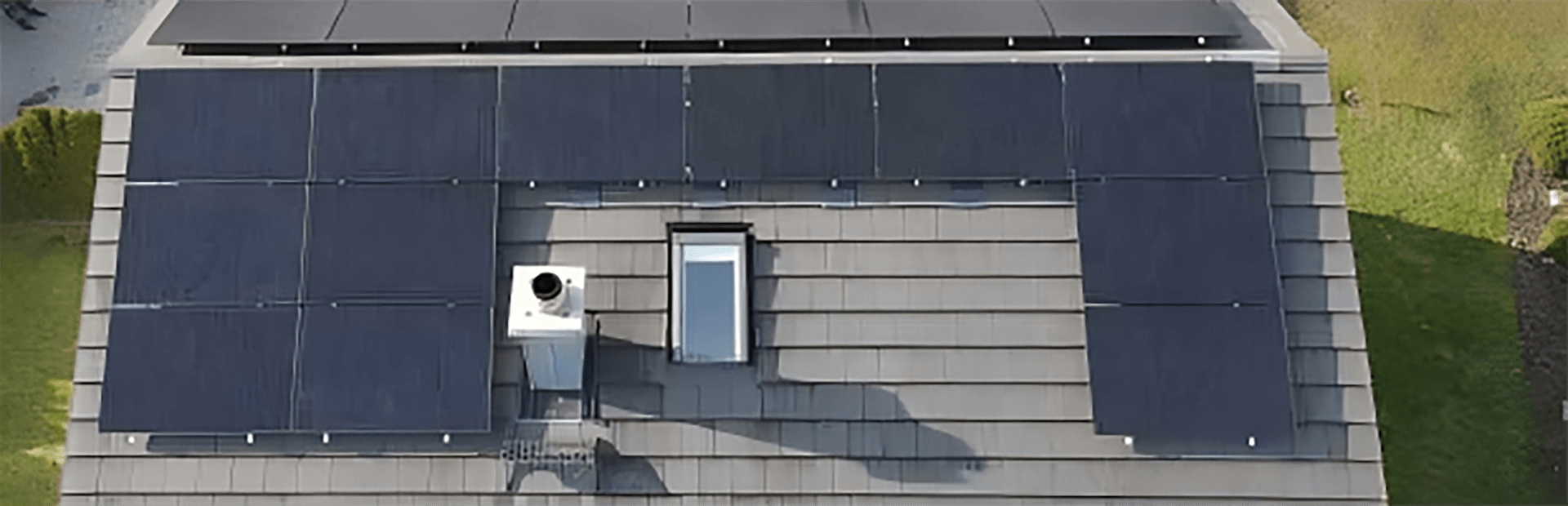 Technology comparison
Comparison of leading PV technologies in 2025, including TOPCon and IBC modules. Focus on module efficiency, cost structure and application scenarios for optimised PV planning and investment decisions.
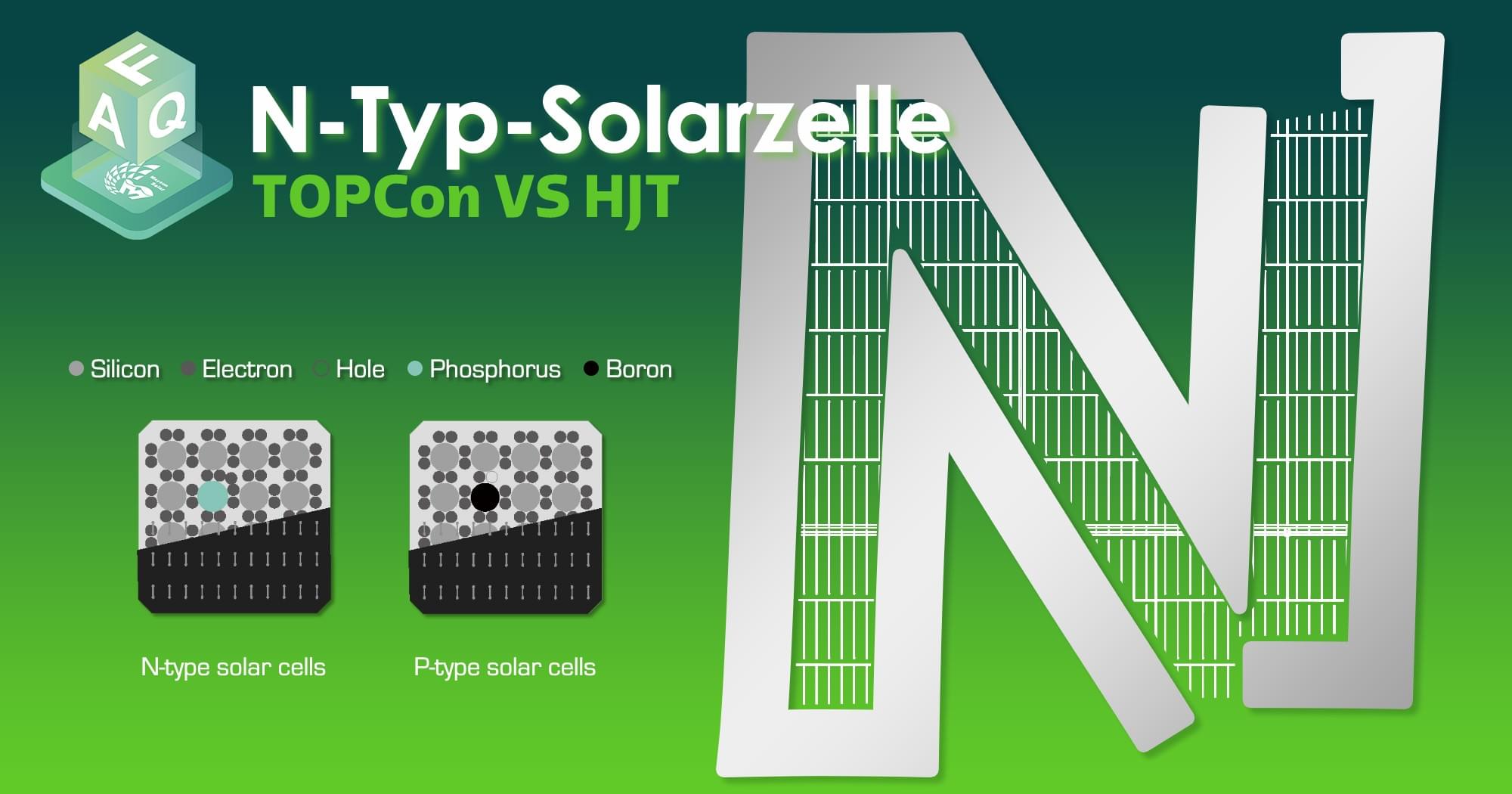 Technology comparison
Analysis of efficiency, industrial maturity and market development of TOPCon and HJT modules in 2025. Focus on performance, technology roadmap and long-term market stability.


