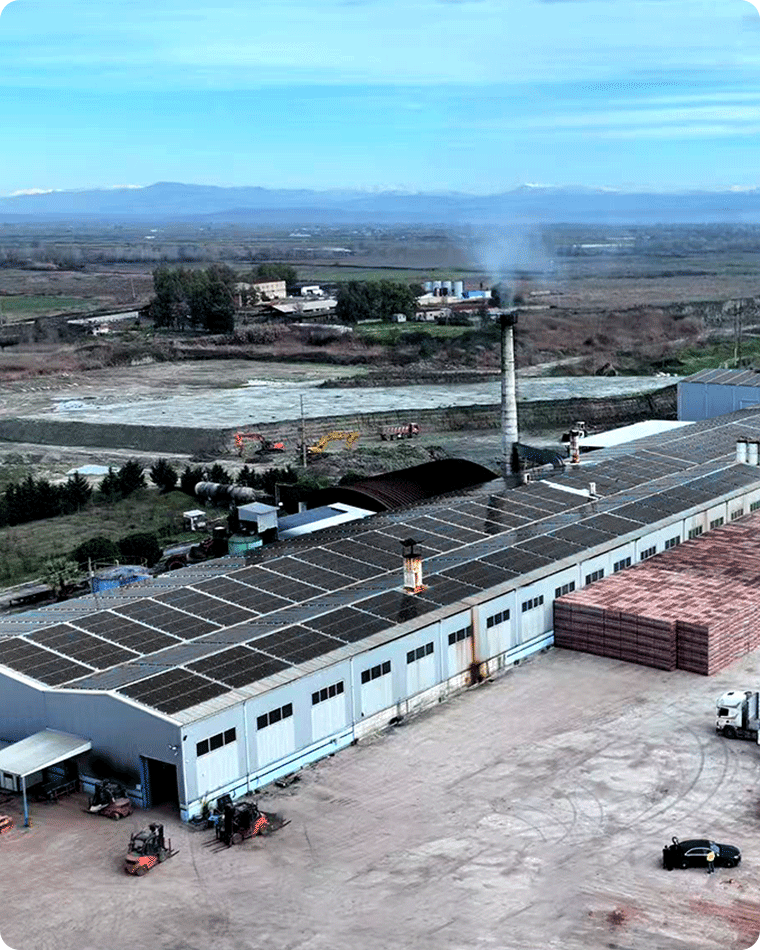
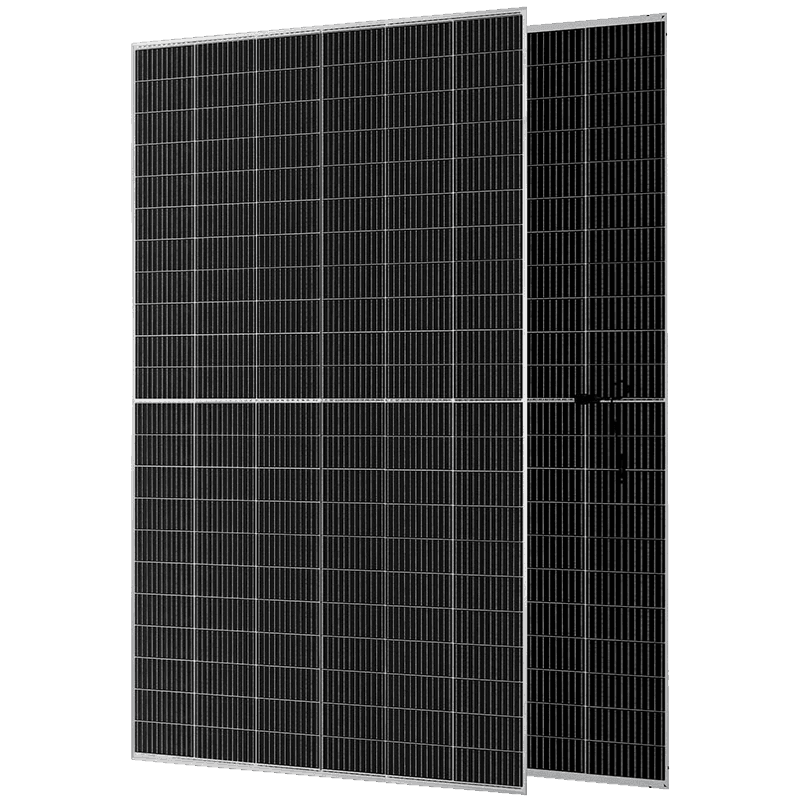
Why should you choose the right wattage of photovoltaic modules for your roof?
Selection guide for 410W, 450W, 460W, 500W up to 800W solar panels in Europe
How Photovoltaic Modules Work
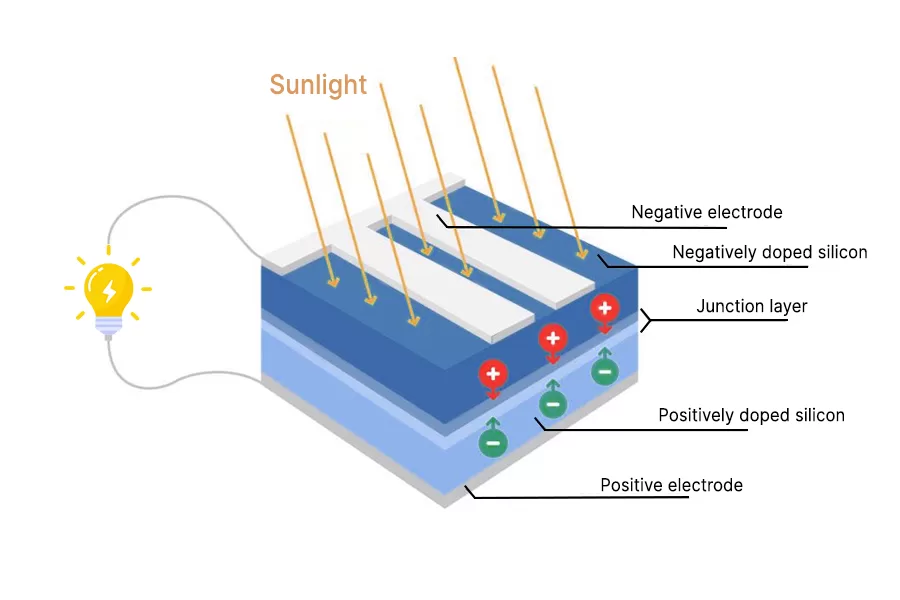
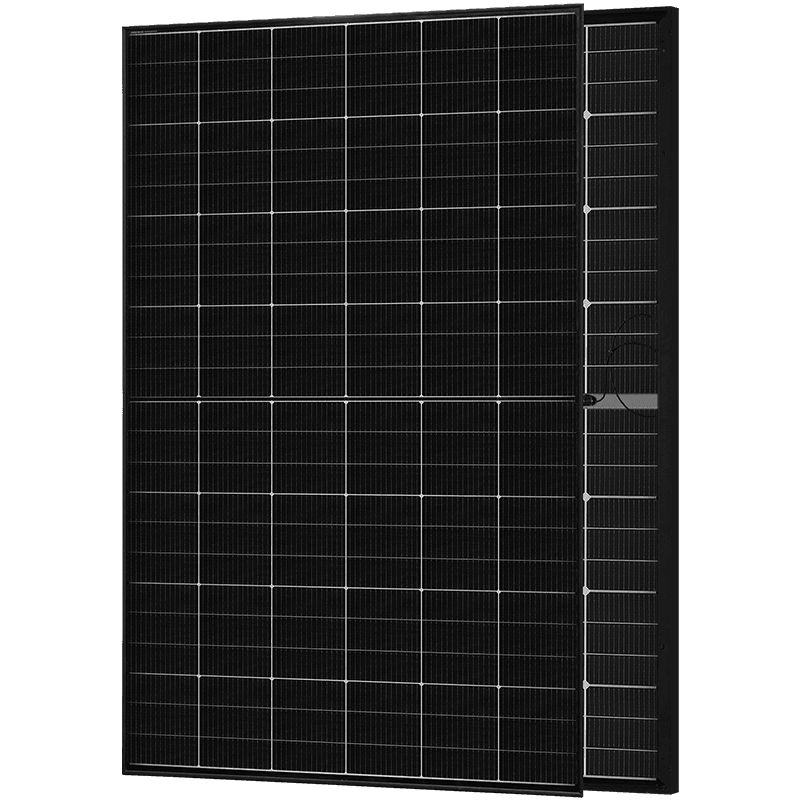
Solar panels, also known as photovoltaic (PV) modules, consist of multiple silicon solar cells encapsulated in glass and protective layers, forming the foundation of modern photovoltaic systems. Through the doping of silicon, positive and negative electrodes are created. When photons strike the cells, electrons are released. Their movement generates direct current (DC), which is converted into usable alternating current (AC) via an inverter.
Solar cells are interconnected mainly in three ways: series connection, parallel connection, and combined series–parallel connection.
- Series connection: Increases voltage, but even partial shading can affect the overall output of the PV module. Bypass diodes help reduce these losses.
- Parallel connection: Increases current and is less sensitive to shading, but involves a more complex design and is slightly less efficient. In practice, a combination of both methods is most commonly used.
- Combined series–parallel connection: Multiple strings connected in series are then linked in parallel to balance voltage and current. This solution reduces power losses under partial shading and is widely used in medium-sized and larger PV systems.
Module technologies also continue to evolve:
- Half-cell solar modules: Split solar cells reduce power losses, mitigate shading effects, and improve efficiency and reliability.
- 1/3-cut solar modules: Cells divided into three parts reduce current and heat generation, lower hotspot risk, and deliver more stable output under high temperatures or partial shading – a clear advantage for long-lasting photovoltaic systems.
Why should the power class of solar panels be matched to the roof?
This allows the available roof space to be used efficiently and enables the photovoltaic system to achieve the highest possible energy yield.
Lorem ipsum dolor sit amet, consectetur adipiscing elit. Ut elit tellus, luctus nec ullamcorper mattis, pulvinar dapibus leo.
Roof size determines module selection
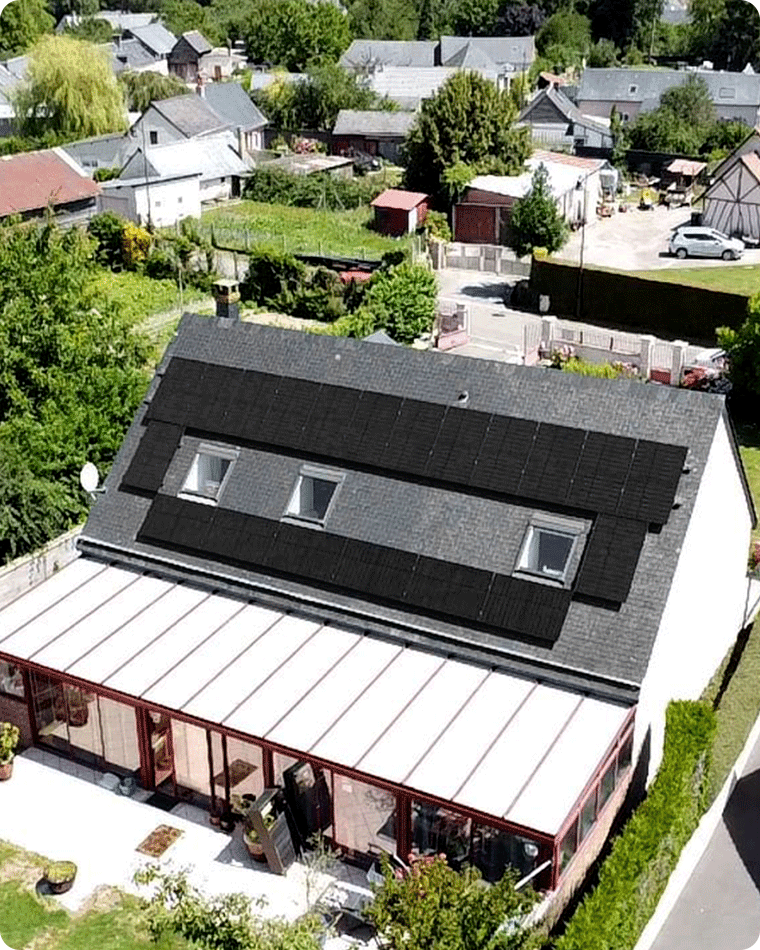
Modules around 410W or 450W are generally suitable for smaller roofs, while 600W or 700W panels are typically used on larger roof areas. Selecting the right wattage between 410W and 800W ensures overall more efficient use of the available roof space.
Roof load determines safety
Higher-power modules from 600W upwards are usually heavier and can place greater loads on lighter roof structures. Smaller 410W to 450W PV modules distribute weight more evenly. Choosing an appropriate module size helps ensure structural stability.
Roof conditions influence efficiency
Depending on roof pitch, orientation and shading, different power classes may be more suitable. Solar panels rated at 450W, 500W or 550W can have varying voltage and current characteristics, which should be taken into account during system planning.
Roof differences determine return
Larger 700W to 800W photovoltaic modules are not always the most economical option, as installation and handling can be more demanding. A balanced combination within the 410W to 800W range helps deliver stable yields and a solid return on investment.
410W–800W PV Module Performance and Investment Logic
| Power range | Core value | Investment rationale |
|---|---|---|
| 410–500W | Flexible layout, lightweight | Better ROI where roof space is limited |
| 500–600W | Mainstream range, broadly compatible | Balanced cost and return, suitable for most projects |
| 600–710W | Higher power, lower system unit cost | Lower LCOE, supports scaled deployment |
| 800W balcony PV | Standalone operation, quick installation | Low entry cost, short payback period |
Note: This table summarises the core value and investment rationale across 410W–800W PV module power ranges, helping businesses and investors make rational choices based on roof constraints and project scale.
410W–500W Solar Panels
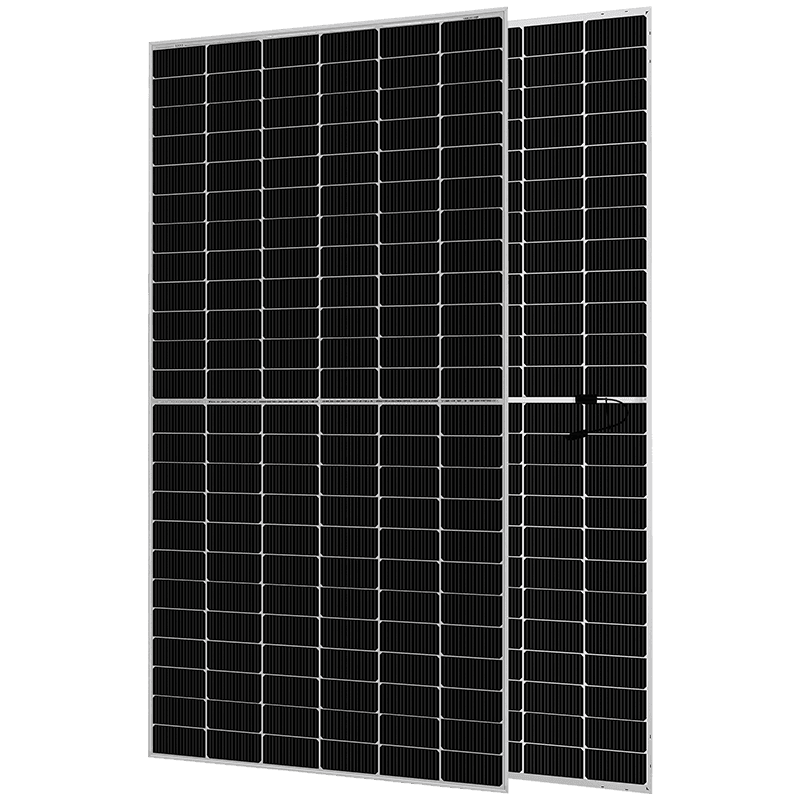
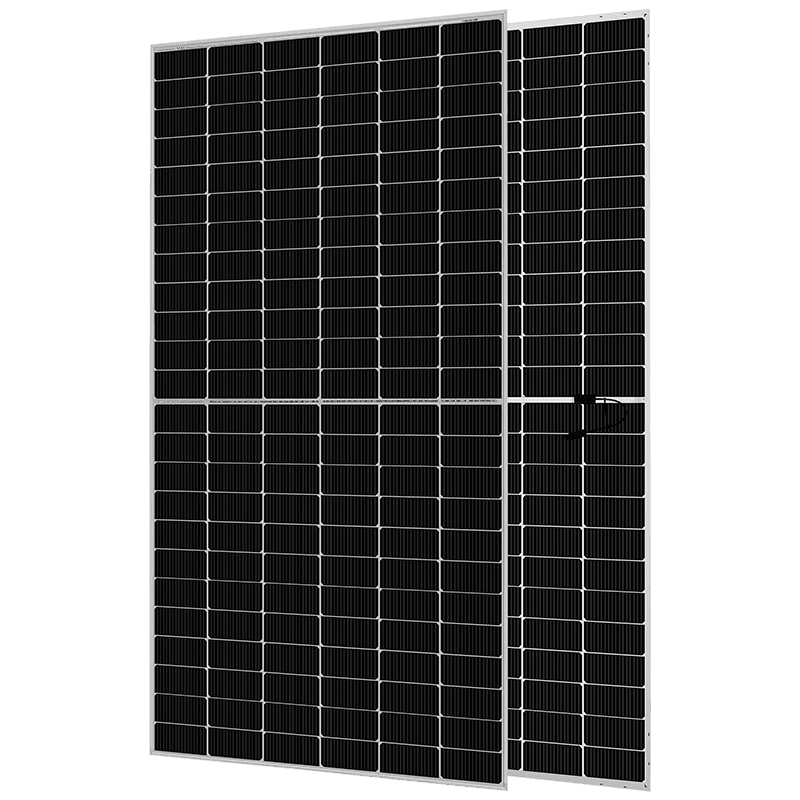
Ideal for residential buildings and smaller commercial roofs. The compact dimensions of solar panels rated at, for example, 420W, 430W, 450W and 460W allow efficient use of roof space and stable energy yields even where space is limited. Within the 410W to 500W power range, the most popular module types for residential and commercial applications can be found.
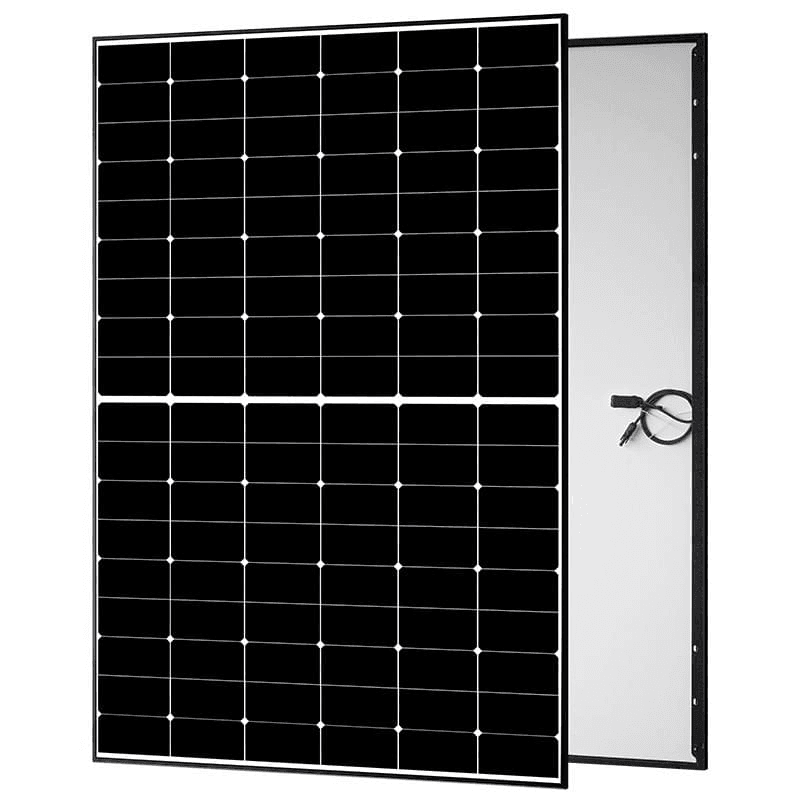
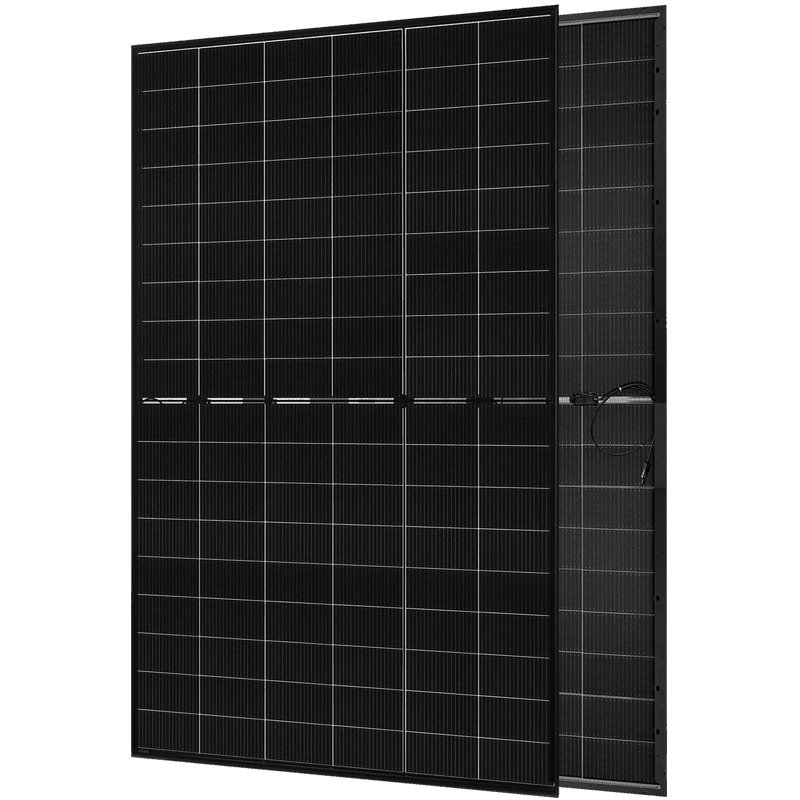
Maysun Twisun Pro N-TOPCon 430W-460W 1/3-Cut Solar Panel Glass-Glass Bifacial Transparent
- Power: 430W-460W
- Efficiency: 21.5%-23.02%
- Dimensions: 1762 × 1134 × 30 mm
- Weight: 21 kg
- Packaging: 36 pcs/pallet, 936 pcs/40HQ
- Warranty: 30 years product & performance warranty
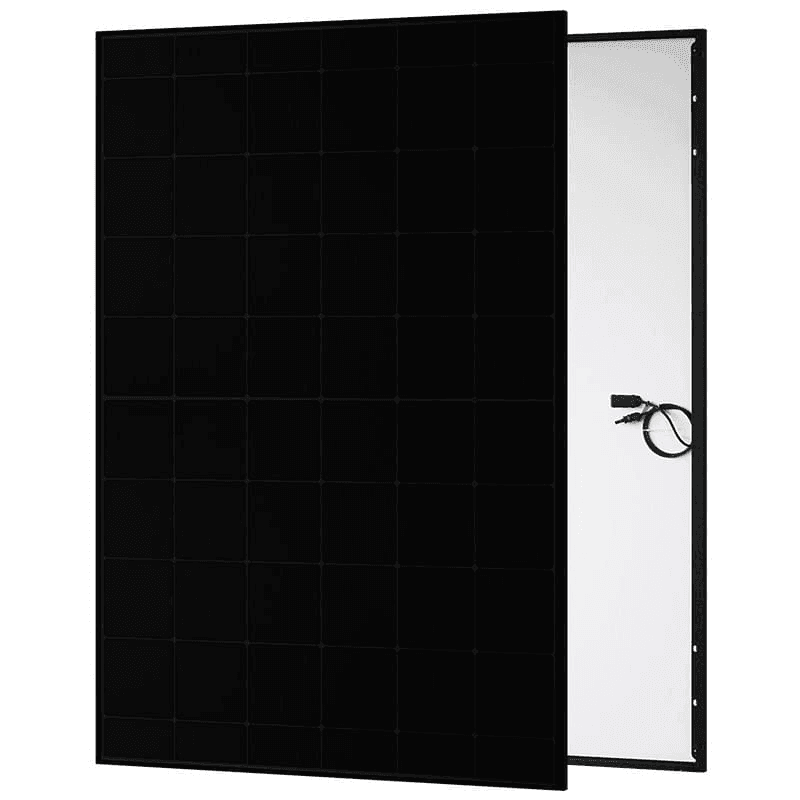
Maysun N-TOPCon Solar Panel Glass-Glass Bifacial Full Black 420-445W MONO Half Cut PV Module
- Power: 420W-445W
- Efficiency: 21,5%-22,8%
- Dimensions: 1722 × 1134 × 30 mm
- Weight: 24 kg
- Packaging: 36 pcs/pallet, 936 pcs/40HQ
- Warranty: 30 years product & performance warranty
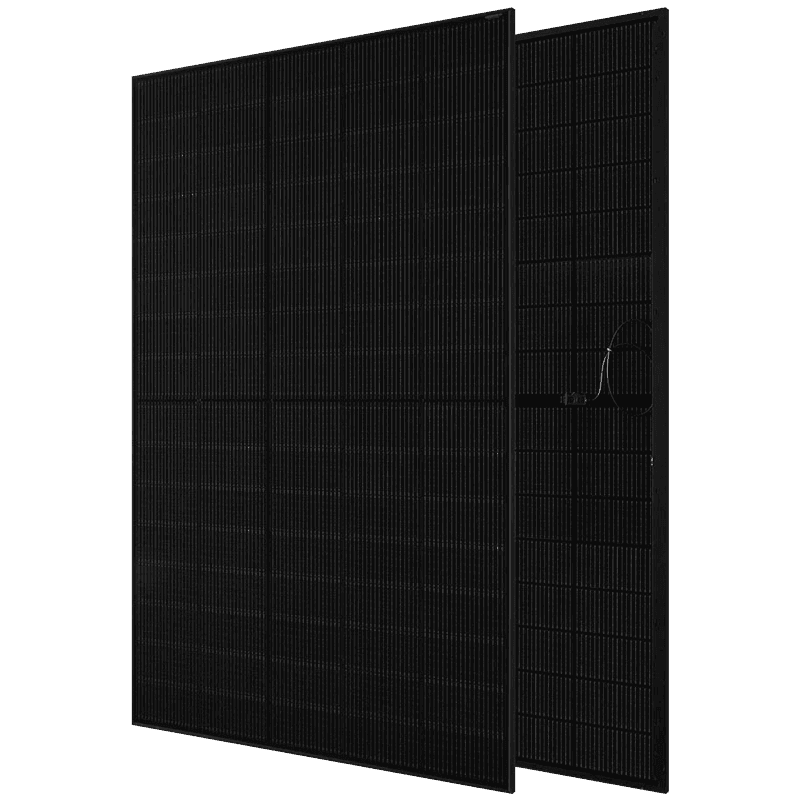
Maysun Solar IBC Solar Panel 425-450W Full Black 1/2 Half Cut Glass PV Module
- Power: 425W-450W
- Efficiency: 21.8%-23.0%
- Size: 1722 × 1134 × 30 mm
- Weight: 20.8 kg
- Packaging: 36 pcs/pallet, 936 pcs/40H
- Warranty: 25 years product & performance warranty
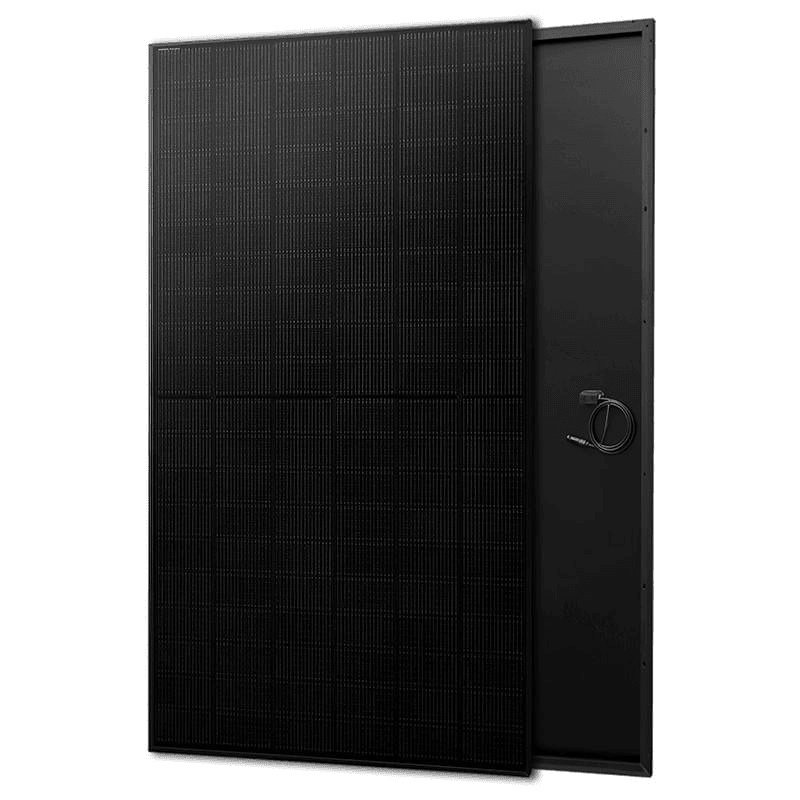
Maysun Solar IBC 425-450W Solar Panel with Black Frame 1/2 Half Cut Glass PV Module
- Power: 425W-450W
- Efficiency: 21,8%-23,0%
- Dimensions: 1722 × 1134 × 30 mm
- Weight: 20.8 kg
- Packaging: 36 pcs/pallet, 936 pcs/40HQ
- Warranty: 25 years product & performance warranty
Maysun Solar HJT 420-430W Solar Panel Full Black Glass Glass Bifacial 1/2 Half Cut PV Module
- Power: 420W-430W
- Efficiency: 21,7%-22,3%
- Size: 1760 × 1098 × 30 mm
- Weight: 22 kg
- Packaging: 36 pcs/pallet, 936 pcs/40H
- Warranty: 30 years product & performance warranty
Maysun Solar HJT 420-430W Solar Panel Bifacial Full Black Glass Glass Transparent
- Power: 420W-430W
- Efficiency: 21,7%-22,3%
- Size: 1760 × 1098 × 30 mm
- Weight: 22 kg
- Packaging: 36 pcs/pallet, 936 pcs/40H
- Warranty: 30 years product & performance warranty
500W–600W Solar Panels
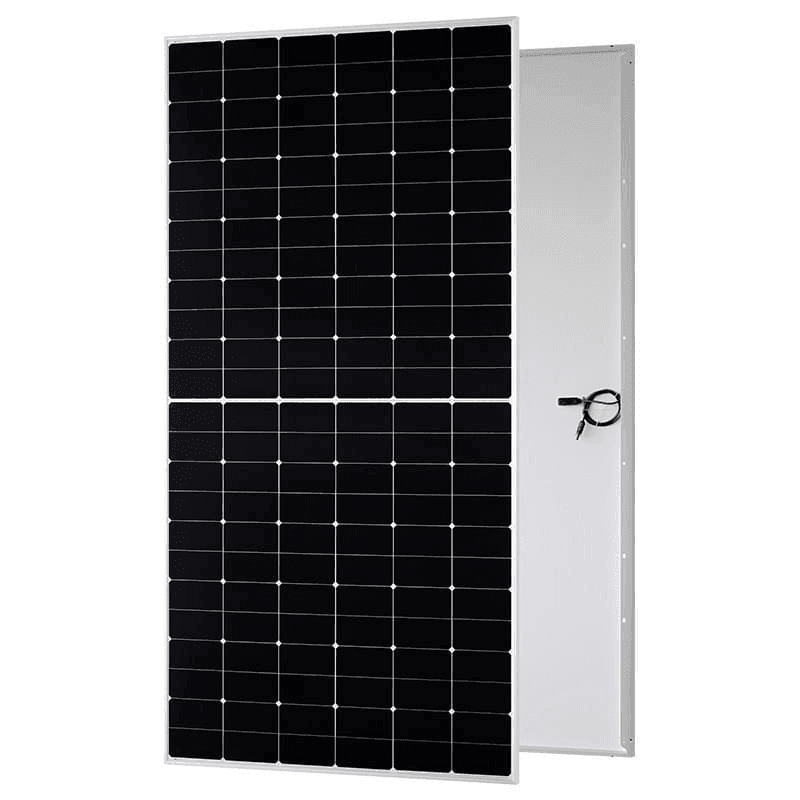
Suitable for small and medium-sized commercial roofs. PV modules in the range of, for example, 500W, 520W, 540W, 550W or 570W offer a balanced combination of power and size, are easy to integrate into existing systems, and deliver a strong balance between cost and long-term energy yield.
Maysun VenuSun Plus N-TOPCon Solar Module 500W-525W MONO Half Cut PV Module
- Power: 500W-525W
- Efficiency: 22,11%-23,22%
- Dimensions: 1944 × 1134 × 30 mm
- Weight: 23.5 kg
- Packaging: 36 pcs/pallet, 792 pcs/40HQ
- Warranty: 20 years product & 25 years performance warranty
Maysun N-TOPCon Solar Module Glass-Glass Silver Frame 570-595W MONO Half Cut PV Module
- Power: 570W-595W
- Efficiency: 22,06%-23,04%
- Dimensions: 2279 × 1134 × 30 mm
- Weight: 32 kg
- Packaging: 36 pcs/pallet, 720 pcs/40HQ
- Warranty: 30 years product & performance warranty
Maysun N-TOPCon Solar Module Bifacial Silver Frame 570-595W MONO Half Cut PV Module
- Power: 570W-595W
- Efficiency: 22,06%-23,04%
- Dimensions: 2279 × 1134 × 30 mm
- Weight: 29 kg
- Packaging: 37 pcs/pallet, 740 pcs/40HQ
- Warranty: 30 years product & performance warranty
Maysun Solar HJT 500–520W Solar Panel Full Black Bifacial Glass Glass Bifacial Half Cut PV Module
- Power: 500W-520W
- Efficiency: 22,5%-23,4%
- Size: 1960 × 1134 × 30 mm
- Weight: 27,1 kg
- Packaging: 36 pcs/pallet, 864 pcs/40H
- Warranty: 30 years product & performance warranty
Maysun Solar IBC 560-600W Solar Panel with Silver Frame 1/2 Half Cut Glass PV Module
- Power: 560W-600W
- Efficiency: 21,7%-23,2%
- Dimensions: 2278 × 1134 × 30 mm
- Weight: 27.2 kg
- Packaging: 36 pcs/pallet, 720 pcs/40HQ
- Warranty: 25 years product & performance warranty
600W–700W Solar Panels
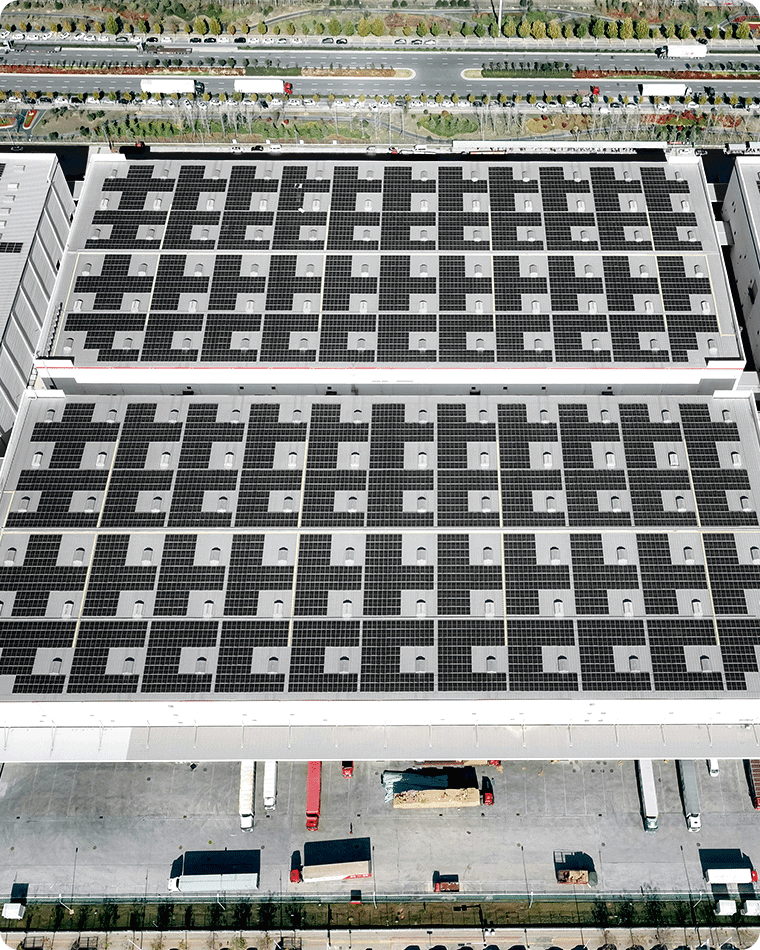
Perfect for large industrial and warehouse roofs. Modules rated at, for example, 680W, 690W or 700W offer high cell capacity, increase overall energy yields, and help reduce long-term electricity generation costs.
Maysun 690W-710W HJT Solar Panel with Silver Frame Glass Glass Bifacial Half Cut PV Module
- Power: 690W-710W
- Efficiency: 22,22%-22,87%
- Dimensions: 2383 × 1303 × 35 mm
- Weight: 38.5 kg
- Packaging: 31 pcs/pallet, 558 pcs/40HQ
- Warranty: 30 years product & performance warranty
Maysun N-TOPCon Solar Module Bifacial Glass-Glass Silver Frame 700-725W MONO Half Cut PV Module
- Power: 700W-725W
- Efficiency: 22,54%-23,30%
- Dimensions: 2384 × 1303 × 30 mm
- Weight: 40±5 kg
- Packaging: 37 pcs/pallet, 666 pcs/40HQ
- Warranty: 30 years product & performance warranty
800W Balcony PV System Balcony Power Station
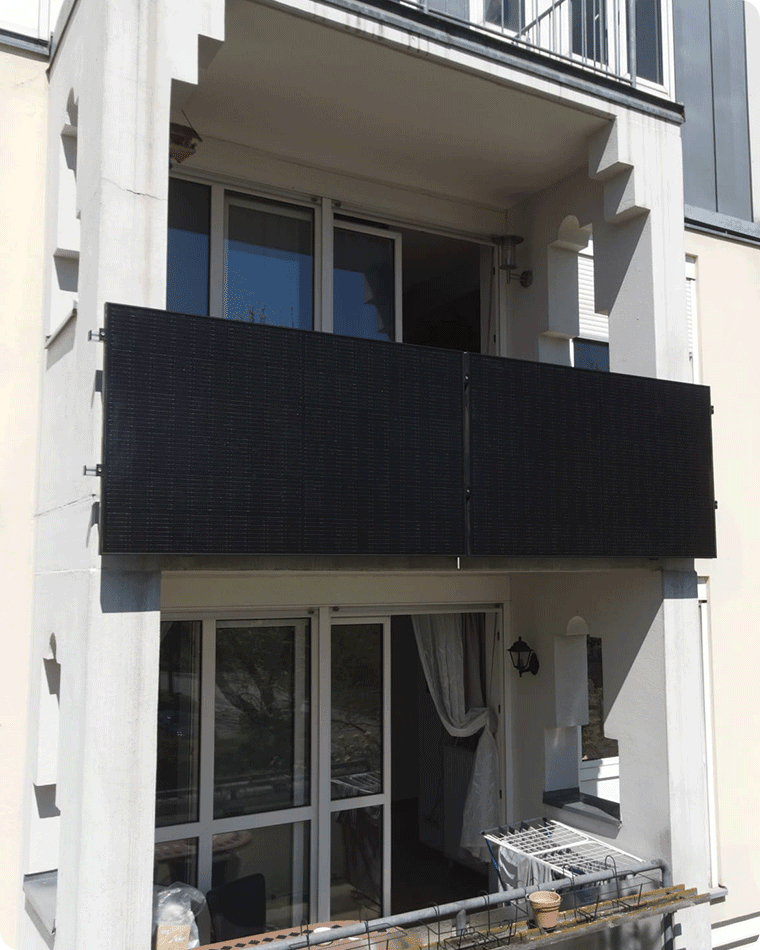
A flexible plug-and-play solution for households, offering simple installation and direct use of self-generated solar power.
Balcony Solar Power Station with 2 Lightweight Solar Panels MiniPV 800W
- 2 x Hoymiles HMS-400-1A Micro Inverters
- 1 set of AC cables and accessories (5m cable, connectors, end caps, T-connectors)
- 2 sets of mounting accessories
- DTU (optional)
We prioritize the quality of every photovoltaic module. From selecting premium materials to each step of the manufacturing process – everything is meticulously monitored. Whether it's cutting the silicon wafers, soldering, or conducting electrical performance tests, we ensure that every module operates efficiently and reliably under all conditions. Our goal is to deliver a high-performance, dependable photovoltaic solution that meets your needs.
Maysun Solar
We have established localized sales and after-sales teams across Europe, supported by multiple in-stock warehouses in key countries. This enables us to offer comprehensive services, from pre-sales consultation to after-sales support, ensuring quick and responsive service tailored to the needs of European PV users.
Frequently Asked Questions about 410W–800W Photovoltaic Modules
Why is choosing the right wattage for solar panels so important?
The available roof area and roof load determine whether 400 W, 500 W or 700 W solar panels are suitable.
Smaller roofs are generally better suited to more compact modules rated at 410 W to 460 W – or even up to 500 W – while medium-sized to large roof areas can efficiently utilise higher outputs from 600 W to 710 W.
An 800 W balcony PV system is ideal for apartment users without large roof space and allows them to benefit from solar energy.
Choosing the appropriate power class ensures the best possible energy yield per square metre.
Not necessarily.
Although 700 W photovoltaic modules deliver higher output per panel, they are heavier and require more robust roof structures.
In many cases, 450 W to 550 W solar panels are more economical, as they are easier to install and offer a balanced ratio between size, weight and power.
800 W modules, by contrast, are mainly used in balcony PV systems, which are particularly suitable for apartments without large roof areas.
- 410W–500W modules are more compact and are primarily suited to residential buildings.
- 500W–600W models are commonly used on small and medium-sized commercial roofs.
- 600W–710W modules are mainly used for industrial installations with large roof areas.
The differences lie primarily in cell type, module size, and electrical current–voltage characteristics.
An 800 W balcony PV system is worthwhile when sufficient sunny surface area is available and self-consumption remains high.
Compared with 600 W systems, usable annual energy output can increase by up to 25%, while investment costs are only slightly higher.
It is a good solution for tenants or households looking to cover part of their electricity consumption themselves.
As output increases, so does weight. Modules rated at 400W to 450W typically weigh around 21 kg, for example in the case of Twisun Pro modules, while 700W to 800W modules can reach up to 38 kg.
Before installation, the load-bearing capacity of the roof should be checked and a suitable mounting structure selected to ensure long-term stability.
Higher module outputs do not always result in higher overall system costs.
While 600W modules are slightly more expensive per unit, they reduce installation effort and the number of mounting components required.
As a result, system costs per kilowatt of installed capacity can even decrease.
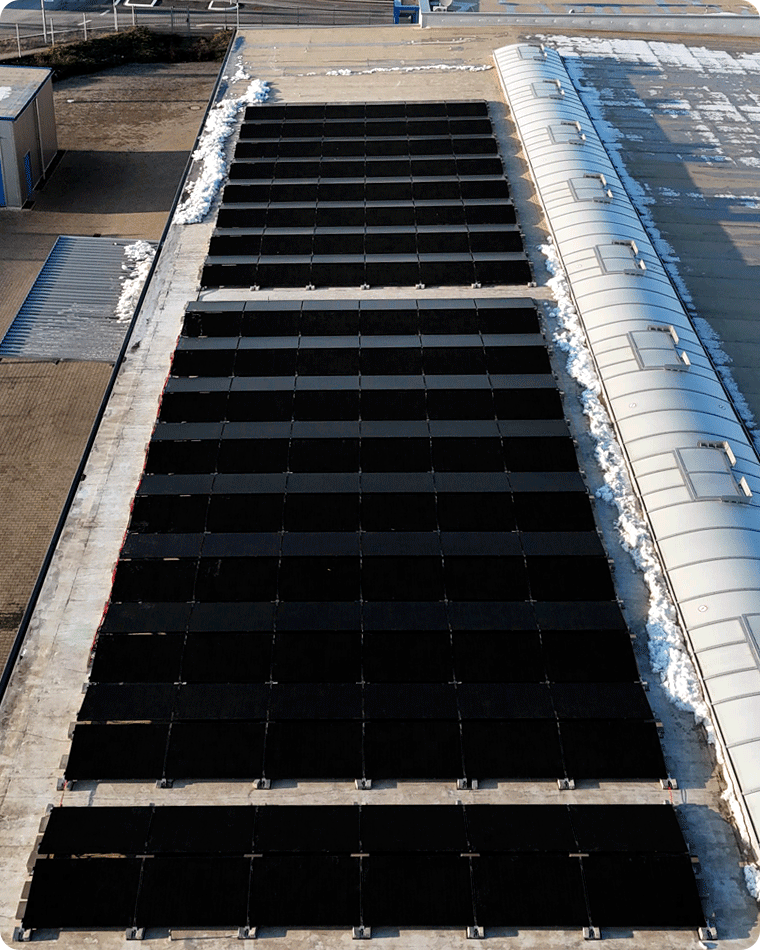
On flat roofs, lighter 410W to 500W solar panels are often used because they have lower weight and better wind load characteristics.
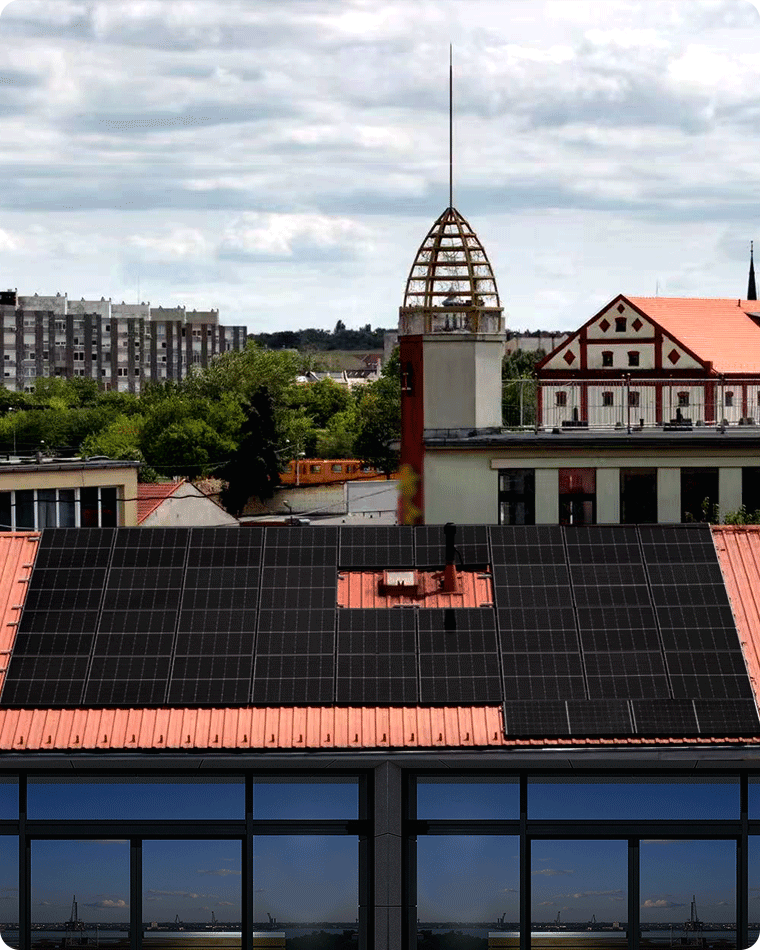
For large commercial flat roofs, 600W to 700W modules can also be suitable, provided the roof structure is adequately designed.
Key factors include tilt angle, orientation and wind zone classification.