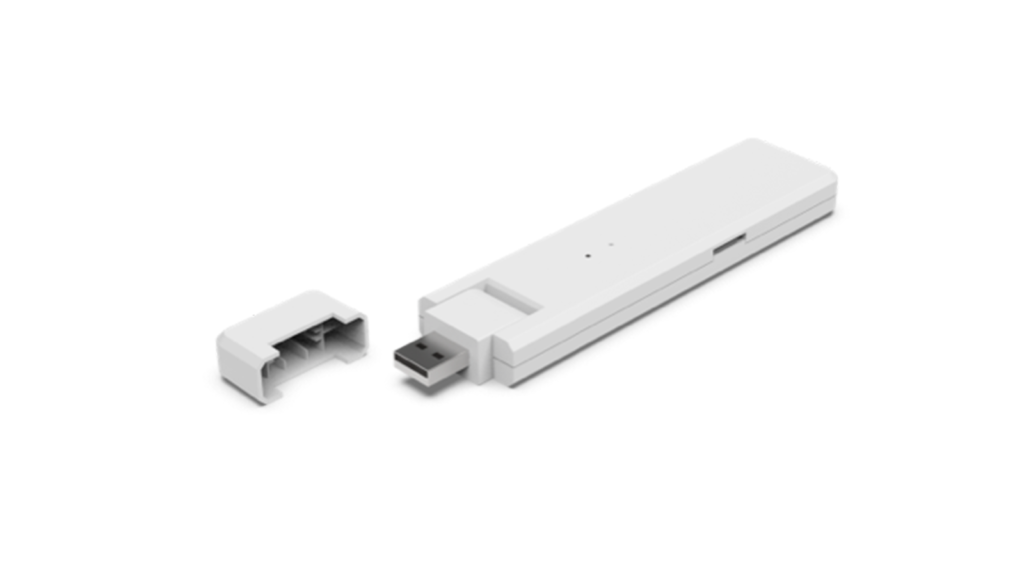
As renewable energy becomes increasingly integral in our daily lives, Maysun Solar’s Balcony Solar Power Station, with its advanced technology and user-friendly design, represents a transformative approach to home solar solutions. The integration of a Data Transfer Unit (DTU) enhances its smart functionality and user experience. The DTU, a specialized communication device, collects and transmits performance data from the solar system, enabling real-time monitoring and optimization. In Maysun Solar’s setup, the DTU not only improves energy management efficiency and system reliability but also empowers users with additional control. By using the DTU and the S-Miles Cloud app, users can adjust the solar system’s power output to comply with various national energy standards. This article delves into the DTU’s pivotal role and how it makes Maysun Solar balcony solar power station operations more intelligent and efficient.
- 2 X Maysun 410W Venusun S / Venusun Solar Modules (Integrated with MOS bypass switch )
- 2 X Hoymiles HMS-400-1A Micro Inverters
- 1 Set of Solar Alternating Current (AC) Cable Accessories (5m cable, sealing, plug, T-type connectors)
- 2 Sets of Installation Accessories
- Data Transmission Unit (optional)
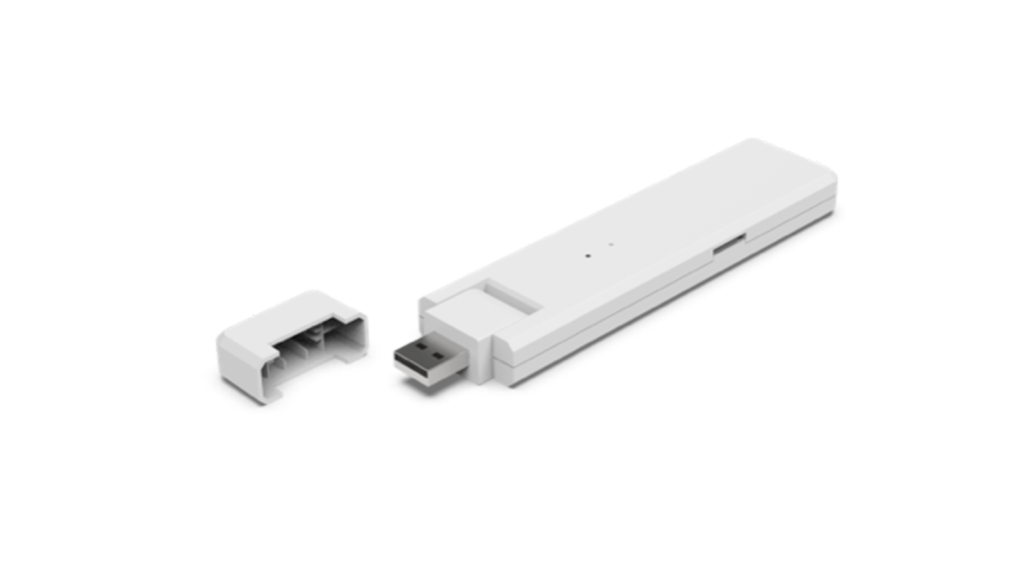
What is a Data Transfer Unit (DTU)?
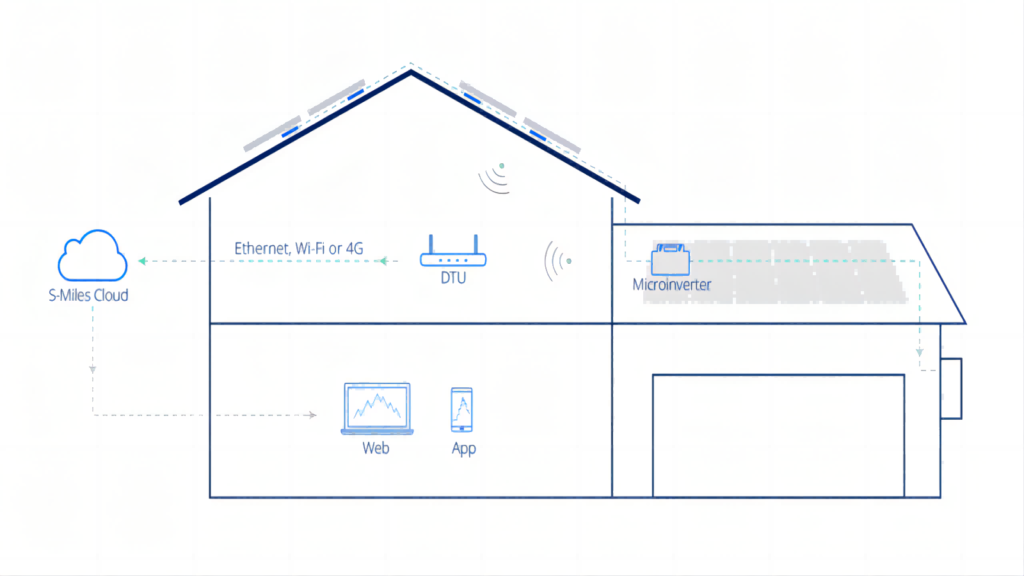
DTU, the Data Transfer Unit, is a pivotal component in solar power systems, responsible for collecting data from solar inverters and related devices. It transmits this data to a central monitoring system, enabling real-time monitoring and management of solar panel performance and output. This helps optimize energy utilization and ensures efficient system operation. Additionally, DTU supports remote management, allowing users to oversee their solar power systems from afar, adding convenience and flexibility. DTU also enhances system reliability and safety through its fault diagnosis and alert functionalities.
Table of Contents
How Data Transfer Unit (DTU) Works?
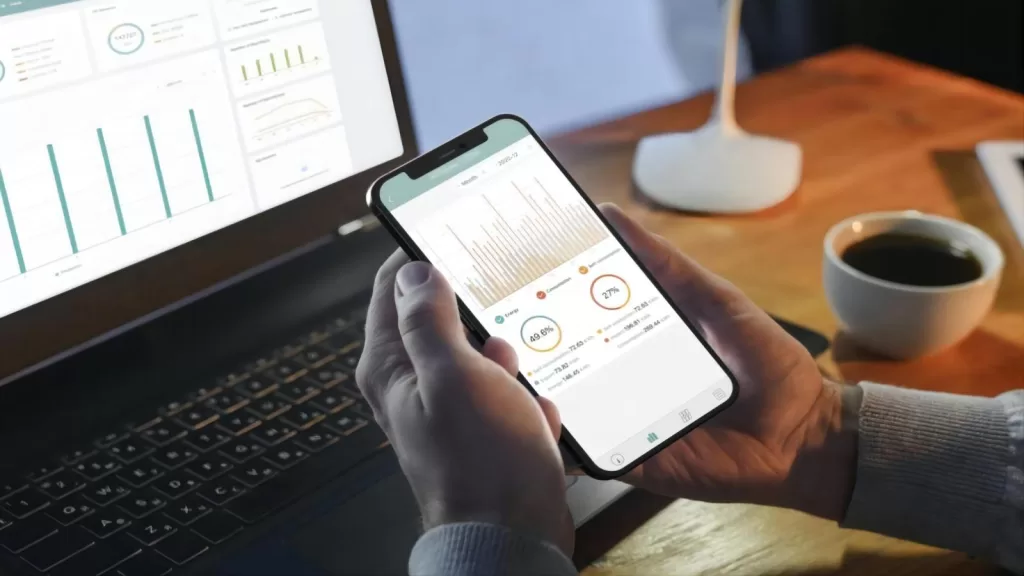
The Data Transfer Unit (DTU) efficiently manages solar energy data in a compact form, linking microinverters with the S-Miles Cloud. It collects data via Sub-1G wireless communication, then transmits it to the cloud using Wi-Fi. The S-Miles Cloud processes this data, displaying detailed insights on your photovoltaic system’s performance and energy output on your dashboard. Despite its advanced technology, the DTU is user-friendly and accessible across multiple devices(including phone,tablet,desktop computer), ensuring ease of use even with its sophisticated capabilities.
The Functions of Data Transfer Unit (DTU)
The DTU in Maysun Solar’s Balcony Power Station plays a vital role with key functions including:
1.Real-Time Monitoring: Continuously tracks each solar panel’s output for up-to-date system performance.
2.Data Management: Gathers and stores solar panel data, allowing analysis of long-term performance trends.
3.Efficiency Enhancement: Monitors module-level data to quickly identify and resolve efficiency issues.
4.Power Output Adjustment: Users can change the solar station’s output power in real-time via an app, toggling between 600W and 800W to optimize energy use.
5.Remote Management: The DTU’s integration with S-Miles Cloud enables remote system management and monitoring, adding convenience and flexibility.
6.User-Friendly Interface: Easy interaction with the solar system through a mobile app enhances the user experience.
7.System Health Alerts: Provides real-time alerts and diagnostics for rapid identification and resolution of technical issus.
How to Install and Operate Your Data Transfer Unit (DTU)?
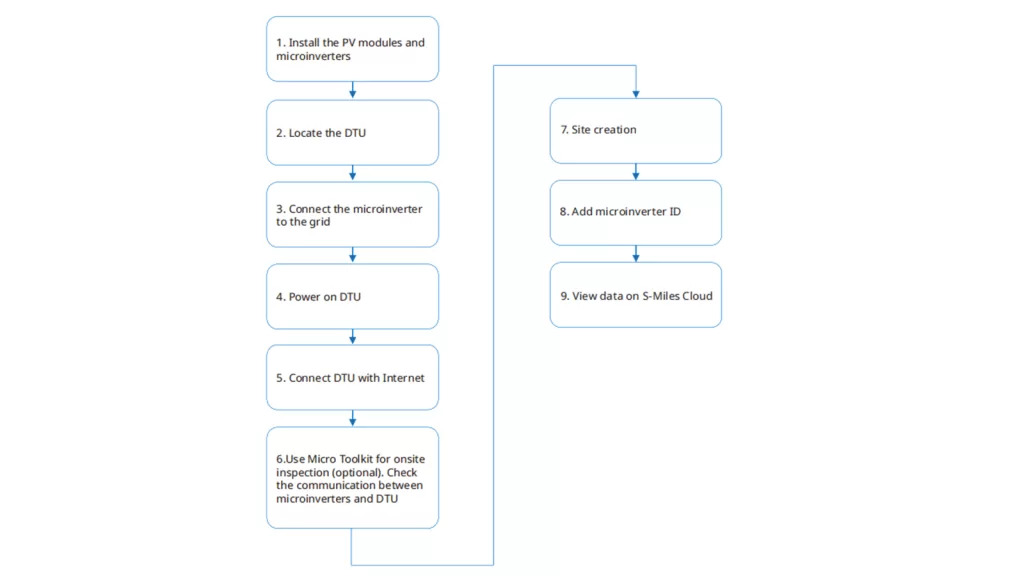
Setting up and maintaining your Data Transfer Unit (DTU) is key to maximizing your solar system’s efficiency. Here’s a straightforward guide:
1.Powering the DTU: Connect it to its adapter and plug it into a power source, like a wall socket or power strip.
2.Online Setting and Network Configuration: Once the DTU is powered on, you’ll need to download the Hoymiles mobile installer app. Through this app, you can connect the DTU to your Wi-Fi network, ensuring it has internet access.
3.Installation Map Completion: The final step involves the installation map. Place the DTU’s serial number label on the map and fill in the necessary system information as required by the guide.
These steps ensure a proper setup for the DTU to function effectively in your solar power system. For more detailed instructions and guidance, refer to the provided installation guide and user manual (click to download).
Effortlessly Adjust Your Balcony Power Station’s Output
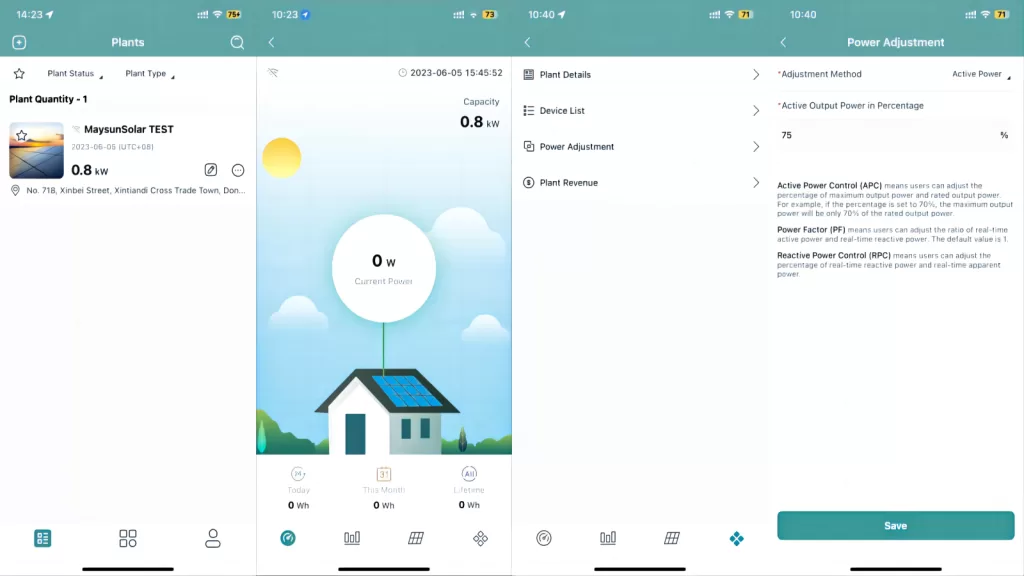
The combination of DTU with S-Miles Cloud greatly enhances the flexibility of Maysun Solar Balcony Power Station. This integration allows users to easily adjust the station’s output power in real time using a mobile app. Tailoring the output of your 800W Balcony Power Station to 600W is straightforward. Ensure your DTU and micro-inverter are up and running first. Here’s how:
1.Log into the app (S-Miles Cloud).
2.Find your power station.
3.Switch to the settings page.
4.Choose ‘Power Adjustment’.
5.Confirm the current power setting.
6.Adjust the output percentage (2% to 100%). For reducing 800W to 600W, enter 75%.
7.Apply your settings and await confirmation.
To return to full power, simply adjust back to 100%. For detailed guidance, click to download the Balcony Power Station Power Adjustment Guide.
Frequently Asked Questions About DTU
Why is the warranty period shorter for DTU compared to microinverter?
DTUs typically have a lower protection rating against environmental elements than microinverters (IP67). This means they are more prone to environmental wear like dust and humidity, impacting their longevity. Microinverters are designed to endure tougher conditions, hence they come with longer warranties.
Does a shorter warranty indicate DTUs are less durable?
Not necessarily. Despite the shorter warranty, DTUs don’t break easily. They are thoroughly tested and crafted for lasting performance under normal conditions. The shorter warranty reflects their relative susceptibility to environmental conditions, not a lack of quality or durability.
In conclusion, the integration of the Data Transfer Unit (DTU) in Maysun Solar’s Balcony Power Station offers a blend of efficiency, convenience, and advanced monitoring capabilities. From real-time performance tracking to flexible power output adjustment, the DTU enhances the overall solar energy experience. For those looking to delve deeper into the technical aspects and capabilities of the DTU, a comprehensive datasheet is available. Click to download the datasheet and explore the detailed specifications of this innovative component.
Reference:
https://www.hoymiles.com/resources/blog/what-is-a-solar-gateway-dtu-and-does-my-solar-system-need-one/
https://www.hoymiles.com/product/dtu/lite-s/?utm_term=&utm_campaign=GA-EU-Pmax-Visit-0116&utm_source=adwords&utm_medium=ppc&hsa_acc=1001452841&hsa_cam=20947836713&hsa_grp=&hsa_ad=&hsa_src=x&hsa_tgt=&hsa_kw=&hsa_mt=&hsa_net=adwords&hsa_ver=3&gad_source=1&gclid=Cj0KCQiAqsitBhDlARIsAGMR1Rjl3kkQZBmfvf6lGKU2q1-Ls93OkliPgZWGRuKIKQkJJPfhtZYpbAAaAoA_EALw_wcB

Partial Shading on Solar Panels: Why a Small Shadow Can Cause Major Power Losses
Introduction: Shading Is Not Just a Surface Area Problem In a photovoltaic system, a small shadow can be amplified by the electrical structure of the module. In a typical module with three electrical sections, a shaded area covering only a small part of

From Half-Cell to Multi-Cut: Why PV Modules Are Paying More Attention to More Segmented Circuit Design?
Table of Contents In recent years, half-cell modules have become a mainstream design in the photovoltaic market. Compared with traditional full-cell modules, half-cell technology reduces the operating current of each cell unit, lowers internal resistive losses, and improves thermal management and partial shading

Does Summer Heat Reduce Solar Panel Efficiency? What Really Happens to PV Output
Table of Contents Many PV users notice an unusual phenomenon in summer: although sunlight is strongest at noon, the power curve shown in the monitoring app does not reach the expected peak. In contrast, on a sunny spring day, or just after a

Low-Carbon PV Procurement in France: Why ECS, PEP Ecopassport and Solar Carports Matter
Table of Contents France is becoming one of Europe’s most documentation-driven solar markets. For EPC companies, developers and commercial project owners, module selection is no longer based only on price-per-watt, efficiency or linear power warranties. Carbon documentation, supply-chain traceability and project-specific compliance files

PV Module Installation Beyond Rooftops: Multi-Scenario Applications for Bifacial N-Type Modules in Europe
PV module installation is not limited to rooftops. For residential users, small commercial users and distributed PV projects in Europe, spaces such as balconies, gardens, fences, carports, terraces, façades and pergolas can also provide additional installation areas when conditions allow. As solar use

Europe’s Grid Cap Era: Why High-Efficiency Solar Panels Matter More in 2026
Introduction In 2026, the economics of distributed solar in Europe are changing. Grid congestion, export limits, negative electricity prices and zero-export requirements mean that a solar project can no longer be judged only by how much electricity it generates. The more important question


Pingback: Why Are Lightweight Bifacial Solar Panels the Best Choice for Balcony Solar Power Plants? - Professional Distributed PV Module Manufacturer