Table of Contents
Introduction
As Europe accelerates its 2030 energy transition and carbon neutrality strategies, Building-Integrated Photovoltaics (BIPV) is emerging as a significant transformative force in the commercial and industrial solar market. Compared to traditional rooftop photovoltaic systems, BIPV combines both power generation and building functionalities, offering greater policy incentives, stronger investment returns, and enhanced green brand value. This article will deeply analyze how BIPV drives rooftop solar upgrades and integration with green buildings across Europe, from the perspectives of policy support, technological innovation, and business pathways, helping enterprises seize strategic opportunities amid the growing demands for energy transition and sustainable development.
Current Market Status and Development Background of BIPV
Europe is actively responding to carbon neutrality and green building goals. In recent years, it has successively launched multiple strategic initiatives such as the “REPowerEU Plan” and the “Fit for 55 Package,” while establishing financial subsidies and tax incentives in member states for energy-saving and renewable energy integration projects, strongly driving the development of the BIPV market.
According to statistics from the European Renewable Energy Council (EREC) and SolarPower Europe, Europe has over 200 million building rooftops with photovoltaic retrofit potential. BIPV, as an important part of new construction and energy-efficient renovation projects, is becoming a key pathway for the integration of buildings and energy. As energy efficiency standards and green certification requirements become increasingly stringent, BIPV is entering a phase of rapid growth.
Driven by both policy incentives and technological progress, the economic viability of BIPV is becoming increasingly evident, attracting more enterprises and investors to pay attention to and invest in it, making it an important direction for European companies in green transformation and fulfilling social responsibilities.
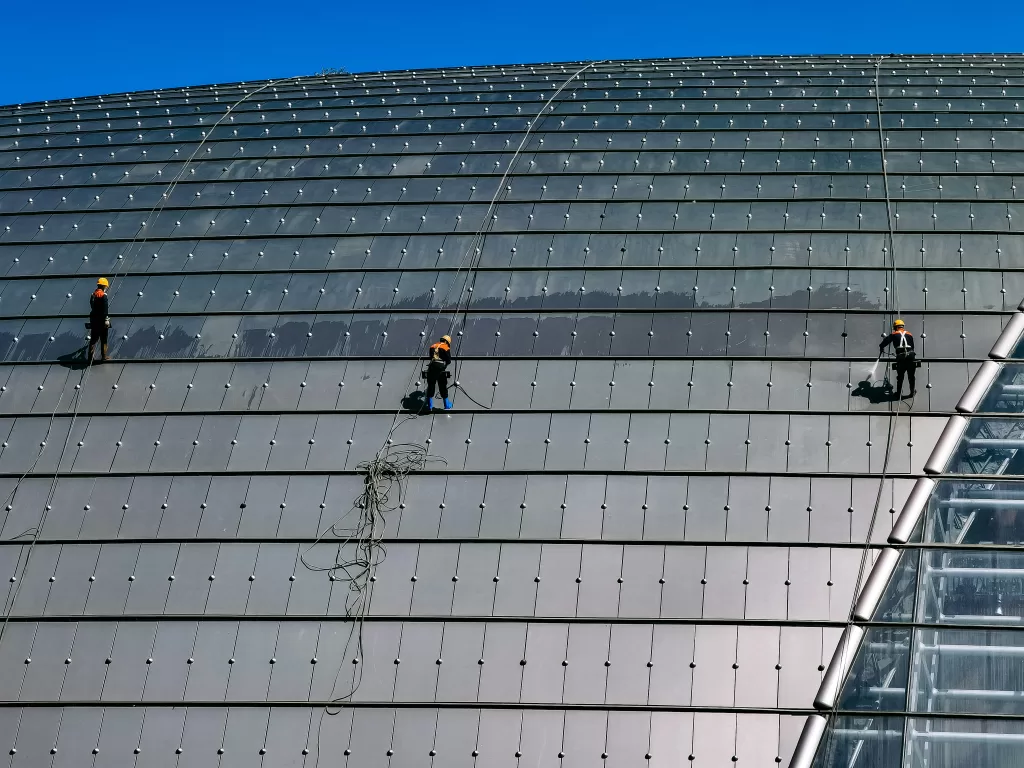
Impact of BIPV on the Italian Commercial and Industrial Solar Market
1. Does BIPV truly offer better cost-effectiveness?
From an economic perspective, when enterprises choose photovoltaic investments, they primarily focus on costs and returns. The following table shows a comparison of investment returns between BIPV and traditional rooftop photovoltaic solutions in common projects across Europe, clearly presenting the better economic performance of BIPV:
Investment Schemes Comparison
| Scheme Type | Initial Investment Cost (borne by the company) | Investment Return Rate (IRR) | Government Subsidy | Company Funding and Long-term Costs |
|---|---|---|---|---|
| BIPV Integrated Roof | High (approximately €1.1 million) | High (13%-28%) | High (up to 110%) | High initially, lowest in the long term |
| Steel Roof + BAPV (partial self-use) | Medium (approximately €1.39 million) | Medium (approximately 7%-9%) | Medium (approximately 40%-50%) | Moderate in both the short and long term |
| Steel Roof + Third-party PPA Model | None (borne by third party) | None (electricity discount of about 10%) | None (company does not benefit) | No initial cost, relatively high long-term costs |
| Steel Roof + Leasing Solar Model | None (borne by third party) | None (electricity discount of about 5%-8%) | None (company does not benefit) | No initial cost, relatively high long-term costs |
| Traditional Steel Roof (Full Purchase) | Low (approximately €2.13 million) | None (only electricity cost) | None | High initial, highest long-term costs |
2. Comparison of Core Value Between BIPV and Traditional BAPV
BIPV vs Traditional BAPV Comparison
| Comparison Dimension | Traditional BAPV Solution | Advantages of BIPV Solution |
|---|---|---|
| Installation Method | Retrofitted, impacts the existing structure | Integrated design, directly replaces traditional building materials |
| Cost Effectiveness | Pure equipment cost investment, average ROI | Saves building material costs + high return dual value |
| Power Generation Efficiency | Single roof installation, average efficiency | Multi-angle, three-dimensional installation, efficiency improved by about 22% |
| Aesthetic Value | Strong industrial feel, lacks aesthetic value | High aesthetic value, good integration with the building (e.g., simulated stone, glass curtain walls) |
| Policy Subsidies | Standard photovoltaic subsidies, average support | Additional energy-saving building subsidies available |
3. Commercial Value and ESG Advantages of BIPV for Enterprises
Long service life, reducing maintenance costs
BIPV products have a lifespan of over 25 years, avoiding the decline in power output caused by the aging of traditional roofing materials and saving long-term maintenance and replacement costs.Simple and transparent business model
As part of the building, BIPV systems have clear property rights, facilitating subsequent project transfers and financing arrangements while reducing the risk of conflicts among partners.Enhancing corporate ESG competitiveness
BIPV effectively reduces carbon emissions, helping enterprises meet increasingly stringent EU carbon tax policy requirements, improve brand social responsibility image and ESG ratings, and enhance market competitiveness.
How BIPV Technological Innovations Are Reshaping the Rooftop Solar Market
Against the backdrop of escalating EU carbon neutrality policies and increasing fluctuations in energy prices, commercial and industrial enterprises in Europe are facing mounting pressure for green transformation. Building-Integrated Photovoltaics (BIPV), as a new generation solution that integrates building and power generation, is gradually shifting from frontier technology to a key pathway for enterprises to adjust their energy structures and enhance competitiveness.
With high performance and integrated design, BIPV is reshaping the application logic of rooftop photovoltaics:
High Conversion Efficiency and Architectural Compatibility
BIPV modules break through the limitations of traditional rooftop photovoltaics as “external attachments,” achieving deep integration with the building body, ensuring both power generation performance and architectural aesthetics.
Policy Tilt and Financial Support
Due to their energy-saving attributes, BIPV projects can obtain higher levels of green subsidies, building energy efficiency incentives, and sustainable financing support across European countries.
Urban Landscape and Environmental Advantages
The integrated design enhances the aesthetic appeal of buildings, meets urban planning and environmental standards, and makes it easier to pass approvals and gain public project certifications.
1. Why Are Enterprises Choosing BIPV?
Policy Enforcement: Starting from 2025, the EU’s “Corporate Sustainability Reporting Directive (CSRD)” will restrict high-carbon enterprises from participating in public procurement. Building energy efficiency and carbon reduction have become “hard thresholds” for compliance. BIPV, as a green building solution, has become a priority option.
Cost Pressure: In 2024, industrial electricity prices in many European countries remained high, averaging €0.30–€0.40 per kWh. BIPV helps enterprises secure long-term clean electricity prices, reducing dependence on external energy market fluctuations.
Space Value Release: BIPV no longer relies solely on traditional rooftops and can be flexibly deployed on facades, shading structures, and other areas, increasing building space utilization and adapting to more scenarios.
2. How Does BIPV Practically Change Commercial and Industrial Building Forms?
Zero Land-Use Power Transition:
In many European countries, more and more commercial properties and industrial parks are installing BIPV solar canopies over large parking lots, achieving “zero land-use” power generation. For example, a retail group in Barcelona, Spain, deployed BIPV solar canopies, covering about 30% of its annual self-consumption electricity needs and becoming a model for urban green commerce.
Asset Value Enhancement:
A newly built financial office building in Frankfurt, Germany, adopted BIPV glass curtain walls, leading to an overall property valuation increase of about 25% (assessed by JLL), while successfully obtaining low-interest loans from green financial institutions, significantly enhancing long-term asset returns.
Brand Image Empowerment:
A fashion group headquartered in the Paris region of France adopted a BIPV facade during its headquarters renovation, not only strengthening its sustainable brand image but also boosting its social media exposure by nearly 500% due to the unique architectural appearance, effectively enhancing brand influence and public recognition.
Case Analysis of BIPV Commercial Building Renovation Project:
Project Location: Central European City
Rooftop Area: Approximately 1,000㎡, built in the 1990s, with high energy consumption and significant renovation potential.
Total Investment: €1.2 million, with national and EU green energy special subsidies, effectively reducing the financial burden on the enterprise.
Annual Power Generation: About 80,000 kWh, reducing approximately 55 tons of CO₂ emissions annually, significantly improving ESG performance.
Economic Benefits: Project IRR reaches 15%, significantly higher than traditional rooftop solutions (average around 10%), with an expected payback period of 5–7 years.
Impact: Listed as a typical demonstration project by the European Renewable Energy Association in 2023, achieving both good economic returns and environmental benefits, encouraging more regional enterprises to invest in BIPV.

3. Technological Breakthrough: BIPV Will Continue to Reduce Costs and Increase Efficiency in the Next 5 Years
In recent years, the Italian photovoltaic industry has actively introduced new high-efficiency battery technologies such as N-TOPCon, HJT, and perovskite, with BIPV components achieving stable conversion efficiencies of 22%-24%, and in some projects even exceeding 25%. This brings higher power generation per unit area and stronger investment attractiveness.
At the current stage, the cost reduction and efficiency improvement of BIPV systems rely on the following key paths:
- Gradual Application of High-Efficiency Battery Materials:
ENEA laboratories expect that by 2026, perovskite + silicon tandem BIPV components will be commercialized in Italy, with component efficiency expected to surpass 30%, while manufacturing costs decrease by about 40%. - Integrated Design Saves Material and Construction Costs:
BIPV components can directly replace traditional building envelope materials (such as aluminum panels, glass facades, etc.), saving 15%-25% of structural and installation expenses in new construction or renovation projects. - Prefabricated and Modular Systems Improve Construction Efficiency:
Several European manufacturers are pushing standardized BIPV products, accelerating factory prefabrication and rapid onsite assembly. The system delivery cycle can be shortened by over 30%, especially suitable for industrial and commercial projects. - Intelligent Operation and Maintenance Capabilities:
The next-generation BIPV solutions integrate energy storage, energy consumption monitoring, and remote diagnostics, enabling the building envelope to achieve both “power generation + management” functions, improving long-term operational stability and visibility.
3. Technological Breakthroughs: BIPV Will Continue to Reduce Costs and Increase Efficiency Over the Next Five Years
In recent years, the European photovoltaic industry has widely promoted high-efficiency cell technologies such as N-TOPCon, HJT, and perovskite tandem cells, with BIPV module conversion efficiencies generally reaching 22%–24%, and some cutting-edge projects even exceeding 25%.
At this stage, the cost reduction and efficiency improvement of BIPV systems mainly rely on the following key paths:
Gradual Application of High-Efficiency Cell Materials
ENEA laboratory predicts that by 2026, perovskite + silicon tandem BIPV modules will achieve commercialization in Italy, with module efficiency expected to exceed 30% while reducing manufacturing costs by about 40%.Integrated Design Saving Building and Construction Costs
BIPV modules can directly replace traditional building envelope materials (such as aluminum panels, glass curtain walls), saving 15%–25% in structural and installation expenses in new or renovated projects.Prefabrication and Modular Systems Improving Construction Efficiency
Many European manufacturers are promoting standardized BIPV products, accelerating factory prefabrication and on-site rapid assembly, shortening system delivery cycles by more than 30%, particularly suitable for industrial and commercial projects.Enhanced System Intelligence and Maintenance Capabilities
The new generation of BIPV solutions integrates energy storage, energy consumption monitoring, and remote diagnostics, enabling building skins to perform dual functions of “power generation + management,” improving long-term operational stability and visibility.
4. Business Model Innovation Is Lowering Enterprise Entry Barriers
As financing innovations and energy services deepen, more European energy service providers (such as Enel X, Siemens Smart Infrastructure) are launching “solar as a service” models based on BIPV leasing or pay-per-generation schemes.
Enterprises do not need upfront investment and can deploy BIPV systems by paying monthly rent or fees based on actual power generation. This model is particularly suitable for small and medium-sized enterprises to quickly advance green transformation, reducing financial pressure while enjoying multiple benefits from energy independence and policy incentives.
Three Typical Pathways for Enterprises to Participate in BIPV:
Self-Investment Model (Suitable for Large Enterprises)
Enterprises act as system owners, directly investing in BIPV construction to enjoy full power generation revenue and policy subsidies, especially suitable for headquarters or new office building projects with large rooftop areas and strong financial capabilities.Co-Investment Model (Suitable for Collaborative Industrial Parks)
Joint investment by neighboring enterprises or industrial parks to build microgrids or shared BIPV systems, with revenues distributed based on equity shares or electricity usage proportions, suitable for regional cluster enterprises.Zero-Investment Service Model (Suitable for SMEs)
Cooperation with energy service providers through leasing or pay-per-generation models, requiring no upfront investment or technical operation, offering flexibility, efficiency, and scalability.
5. Overlapping Benefits from Local and EU Policies
Carbon Border Adjustment Mechanism (CBAM) Driving Export-Oriented Enterprises to Act:
According to the CBAM mechanism, by 2030, the EU industrial carbon price will reach €120/ton, making BIPV a carbon reduction shield for manufacturing enterprises.Local Government Intensifying Incentives:
The city of Venice has announced that enterprises retrofitting historic buildings with BIPV can enjoy a 50% reduction in property tax (IMU), encouraging both green upgrades and heritage protection.
Prospects and Challenges for the Development of BIPV
1. Development Trends
With the rising demand for integrating photovoltaics into buildings across Europe, the new generation of high-efficiency cell technologies will continue to advance toward commercialization within the next 3–5 years.
- Acceleration of High-Efficiency Cell Technology Commercialization
New high-efficiency cells such as perovskite, HJT, and TOPCon will become important technological foundations for BIPV. Among them, perovskite tandem modules offer efficiency potential of 28%–30%, while production costs are expected to decrease by approximately 30%. - Further Maturity of System Modularization and Building Integration
Modular and prefabricated BIPV systems are being rapidly promoted in Italy’s architectural design field. They can be widely applied to rooftops, curtain walls, shading systems, and other locations, shortening construction periods and improving integration efficiency. - Policy Orientation Driving Key Scenario Deployment
Under policies such as the CBAM carbon border adjustment mechanism, green taxation, and sustainable building standards, BIPV will be more widely deployed in factories, headquarters buildings, and logistics parks, becoming a key solution for enterprises to achieve green compliance.
2. Implementation Challenges
- Higher Initial Investment and Limited Financing Mechanisms
The initial cost of BIPV systems is usually 20%–30% higher than that of traditional BAPV systems. Small and medium-sized enterprises face practical challenges such as insufficient financing channels and strong dependence on subsidies for payback, affecting their investment willingness. - Complex Approvals and Significant Regional Differences
Approval standards, aesthetic requirements, and historical building protection regulations for BIPV vary greatly across European countries and regions. Especially in some historic city centers or protected zones, rooftop and facade BIPV installations require more complex approvals, leading to project schedule uncertainties. - High Construction Threshold and Scarcity of Professional Teams
BIPV demands deep integration of photovoltaic, electrical, and structural engineering. However, design and construction teams with such comprehensive capabilities are still relatively scarce, limiting system implementation efficiency and quality assurance. - Lack of Standards, Hindering Scalability
BIPV lacks unified standards in modules, grid connection, cabling, and curtain wall integration, affecting product compatibility and cross-regional replication, thus restricting the rapid scaling and promotion of projects.
Frequently Asked Questions (FAQ):
1. Is the ROI of BIPV truly higher than that of traditional photovoltaics?
Yes, the Return on Investment (ROI) of Building-Integrated Photovoltaics (BIPV) is generally higher than that of traditional rooftop photovoltaic systems (BAPV) in specific application scenarios.
Although the initial investment cost of BIPV is slightly higher, it integrates building material and power generation functions, saving costs on exterior walls, curtain walls, or roofing materials, while also benefiting from multiple building energy efficiency and renewable energy subsidies, significantly improving overall economic performance.
In most regions of Europe, the Internal Rate of Return (IRR) of BIPV projects generally reaches 13%–28%, whereas the return rate for traditional BAPV systems typically ranges between 7%–9%.
Additionally, BIPV systems can enhance building asset value and facilitate access to green financing advantages. For example, in Germany, France, and other countries, new or renovated buildings adopting BIPV curtain wall systems have generally achieved a 15%–30% increase in asset valuation and are more likely to obtain low-interest green loans, further strengthening the financial viability and ESG performance of projects.
2. Can small enterprises afford BIPV?
Yes, although the initial investment for BIPV systems is relatively high, small enterprises can still easily participate through various pathways:
Zero Down Payment Leasing: Many energy service providers (such as Enel X, Siemens Smart Infrastructure) offer “solar as a service” plans, allowing enterprises to deploy BIPV systems without upfront investment, paying only monthly rent or based on actual power generation.
Government Subsidies and Green Tax Incentives: Enterprises can combine national building energy efficiency renovation grants, green building certification rewards, and property tax reductions to significantly ease financial pressure.
Energy Community Model: For example, in the Florence industrial park, ten enterprises jointly built a microgrid to share BIPV power generation, effectively lowering the threshold and costs for individual participants.
These mechanisms provide small and medium-sized enterprises with low-entry, highly flexible pathways for green transformation, ensuring they also benefit from policy incentives.
3. Which regions in Europe are most suitable for BIPV deployment?
According to data from SolarPower Europe, the European Commission’s Directorate-General for Energy, and other institutions, the following regions are particularly suitable for deploying Building-Integrated Photovoltaic (BIPV) systems:
Regions with Abundant Sunshine
Southern Spain, Greece, Portugal, and Southern France have high annual radiation levels, resulting in better system power generation efficiency.Industrial and Commercial Clusters
Germany’s Ruhr area, Greater Paris area in France, Southern Netherlands, and Northern Italy’s industrial zones, where enterprises are densely concentrated, have high electricity demands and a strong need for energy independence.Regions with Active Policy Support
Countries like Germany, France, the Netherlands, and Belgium offer BIPV projects green building certification bonus points, tax reductions, and special financial incentives, encouraging enterprises to accelerate deployment.Regions with Established Demonstration Foundations
Cities such as Milan, Paris, Rotterdam, and Frankfurt have already built various types of BIPV demonstration projects, with more mature approval processes and smooth funding channels, facilitating rapid project implementation.
Conclusion
Under the dual drivers of EU green transition policies and energy cost pressures, Building-Integrated Photovoltaics (BIPV) is gradually becoming a key pathway for upgrading commercial and industrial rooftop photovoltaic systems in Europe. With comprehensive advantages in power generation efficiency, building integration, and policy incentives, BIPV shows strong development potential.
Although challenges such as complex approvals and the lack of unified construction standards still exist, as technology matures, business models innovate, and policy support strengthens, the application threshold for BIPV is steadily lowering.
For enterprises and investors, early deployment of BIPV not only helps lock in long-term energy costs and reduce carbon emissions but also actively responds to EU green regulations, enhancing ESG performance and brand competitiveness. When promoting BIPV projects, enterprises should prioritize evaluating building structural conditions, electricity consumption models, and local policy compatibility, and cooperate with service providers possessing professional integration capabilities to ensure project feasibility and efficient implementation.
Even small and medium-sized enterprises are no longer excluded from BIPV opportunities. More and more European energy service providers and green financial institutions are launching “solar as a service” and zero down payment leasing models, enabling enterprises to quickly deploy BIPV systems without bearing high upfront costs while enjoying stable electricity prices, remote operations, and green certifications.
Through these flexible business models, enterprises can not only reduce energy expenditures and increase asset value but also obtain policy subsidies and bonus points for sustainable development ratings, significantly enhancing market competitiveness in the low-carbon era.
In today’s rapidly changing European business landscape shaped by the green economy, BIPV is no longer merely a frontier exploration but a strategic choice for enterprises seeking energy independence, competitive advantage, and fulfilling social responsibilities.
Since 2008, Maysun Solar has been both an investor and manufacturer in the photovoltaic industry, providing zero-investment commercial and industrial rooftop solar solutions. With 17 years in the European market and 1.1 GW of installed capacity, we offer fully financed solar projects, allowing businesses to monetize rooftops and reduce energy costs with no upfront investment. Our advanced IBC, HJT and TOPCon panels, and balcony solar stations, ensure high efficiency, durability, and long-term reliability. Maysun Solar handles all approvals, installation, and maintenance, ensuring a seamless, risk-free transition to solar energy while delivering stable returns.
Recommend Reading:
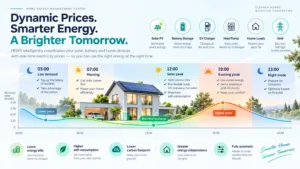
HEMS and Dynamic Electricity Pricing: From Solar Generation to Smart Energy Management
For years, home solar systems have focused on one main question: How much electricity can my rooftop solar system generate? But as home batteries, smart meters, electric vehicles and flexible electricity tariffs become more common, residential energy management is entering a new phase.
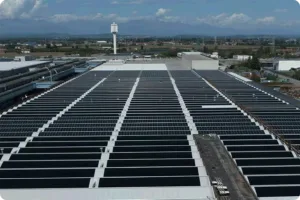
Maysun Solar’s First 3.5 MW Solar EPC Project in Italy Enters Its Final Stage
A large-scale commercial and industrial rooftop solar project with a total capacity of approximately 3.5 MWp is now entering its final stage in the Turin area of Piedmont, Italy. Around 8,000 solar modules planned for the project have now been fully installed.

August European Solar Industry News
In August 2026, Europe’s solar market combined record PV generation with volatile power prices driven by heat, gas costs and low wind output. Policy support also expanded, including 800 W plug-in solar in Great Britain and greater EU flexibility for PV and storage investments, while module prices largely stabilized amid renewed oversupply.

Industrial Roofs with Limited Load Capacity: Lightweight or High-Efficiency Solar Panels?
On an existing industrial roof, “lighter is better” is not a reliable module-selection rule. The first question is how much additional load the roof can safely accept. Only then does it make sense to compare module weight, power density, mounting method and the

How to Verify Solar Panels Before Buying: Datasheets, Certifications, Warranties and Delivery Inspection
A datasheet, an IEC certificate and a 25- or 30-year warranty can make a solar module look fully validated on paper. For a reliable purchasing decision, however, those documents are only the starting point. The electrical ratings, mechanical design, certificates, connectors, warranty terms

How to Choose Solar Panels for Low-Load-Bearing Industrial Roofs: A Guide to Weight, Power Density and Mounting Systems
Choosing solar panels for a low-load-bearing industrial roof requires more than checking the weight of an individual module. A more reliable process starts by determining the roof’s remaining load-bearing capacity. The complete load from the modules, rails, fasteners and ballast must then be