Which homes are suitable for garden solar?

Which homes are suitable for garden solar?

Garden solar is not suitable for every home. What really determines whether it is worth considering is whether the available space, shading, orientation and electricity-use goals are aligned. It is generally better suited to homes where rooftop solar conditions are only average but outdoor or ancillary space can still be put to use, and it is more often a good fit for small-scale, self-consumption-led supplementary use.

Table of Contents

Garden solar is not suitable for every home

Garden solar is not the first option most households would prioritise.

More often, it is used to cover part of daytime electricity demand when rooftop solar conditions are only average. It is better suited to gardens, ancillary outdoor areas and small-scale self-consumption.

If the goal is to achieve a larger installed capacity or cover more of the household’s electricity use, rooftop solar is usually easier to realise. Garden solar is better suited to specific situations, such as when rooftop use is limited but outdoor space still offers practical value.

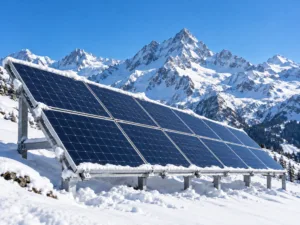
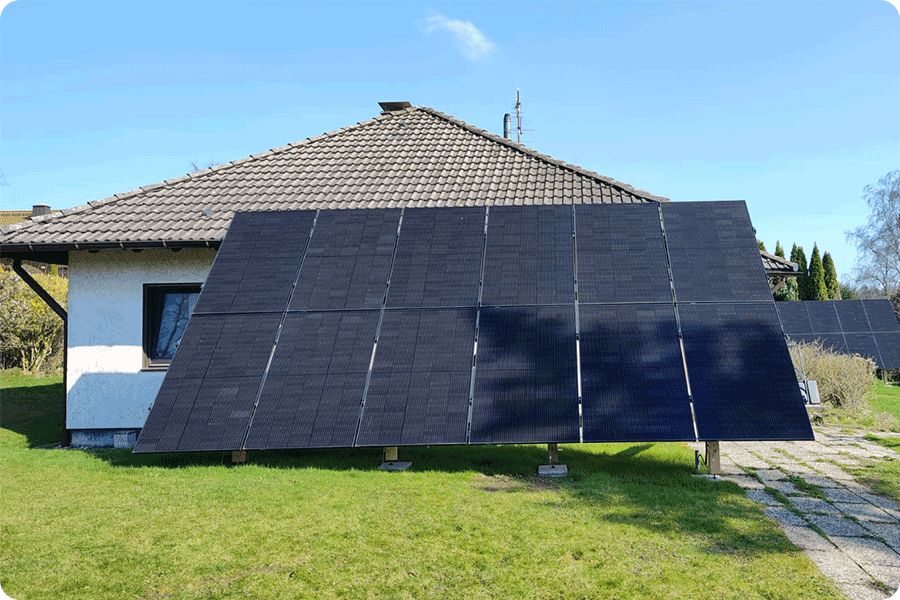
Small-scale self-consumption scenario for garden solar.

Which homes are better suited to garden solar

Garden solar is better suited to homes with ancillary outdoor space, limited shading, and a preference for starting with small-scale self-consumption.

Households that consider garden solar usually do so because rooftop solar conditions are only average, while the garden, terrace or other ancillary areas still offer usable space.

  • Rooftop conditions are average, but the garden or other ancillary space can still be used
  • The priority is daytime self-consumption rather than full-household coverage from the outset
  • There is a preference to start with a lighter, more accessible home solar setup

These households also tend to share one common feature: the available space is already reasonably usable.

Where the space is relatively open and continuous, with limited shading, garden solar is far more likely to turn ancillary outdoor areas into practical solar generation capacity.

Which homes do not need to prioritise garden solar

If shading is obvious, the space is fragmented, or the main goal is to cut electricity bills significantly, garden solar is usually not the priority option.

What determines whether garden solar is worth prioritising is not simply whether there is a garden, but whether the space, sunlight conditions and usage goals are well matched.

  • There is a garden, but no relatively complete and usable area
  • Trees, fences or nearby buildings create obvious shading, making daytime sunlight unstable
  • The priority is full-household coverage and overall bill reduction, rather than covering part of daytime electricity use first

The real issue for these households is whether the installation can deliver a clear enough practical benefit.

When the space is fragmented, shading is significant, or the goal goes beyond what garden solar is better suited to support, this type of setup often struggles to offer a clearly defined use value.

What matters most when judging whether garden solar is suitable

To judge whether garden solar is suitable, the key is whether the available space, shading conditions and electricity-use goals are aligned.

What really determines whether garden solar is worth installing is whether this ancillary outdoor space can deliver stable, clearly defined practical value.

1. Is there genuinely enough usable space

Whether garden solar is suitable largely depends on whether there is continuous, usable ancillary space that is practical to arrange and install.

If the space consists only of small leftover corners, or is repeatedly broken up by pathways, fences, planting and everyday activity, garden solar may not be the priority choice.

2. Are shading and orientation within an acceptable range

Shading and orientation directly affect whether garden solar can deliver stable value after installation.

Trees, fences, building edges and partial shade can all reduce already limited usable conditions. If the orientation is poor to begin with, the amount of useful daytime sunlight will be even more restricted.

3. Do the usage goals match what garden solar is suited to do

Garden solar is better suited to covering part of daytime electricity demand.

If a household prefers to start with a lighter solar setup and is comfortable treating it as a supplementary option, garden solar is usually easier to justify. If the goal is to reduce the whole household’s electricity bill significantly, it is often not the first choice.

Frequently asked questions about garden solar

1. Can solar be installed in a garden?

Usually yes, but whether notification or permission is required depends on local rules, as well as the system’s size, height and installation position.

2. What kind of homes are suitable for garden solar?

Garden solar is better suited to homes where rooftop solar conditions are only average, but the garden, terrace or other ancillary outdoor space still provides a continuous usable area, with some daytime self-consumption demand.

3. Is garden solar worth installing?

Whether it is worth it does not depend simply on having a garden. The key factors are whether there is enough usable space, whether shading is manageable, and whether your goal is small-scale self-consumption.

4. Which is more suitable for a home, garden solar or rooftop solar?

If the goal is a larger installed capacity or broader household electricity coverage, rooftop solar is usually the priority. Garden solar is better suited to supplementary use when rooftop conditions are limited.

5. Do shading and orientation affect garden solar?

Yes. Trees, fences, building shadows and poor orientation can all weaken sunlight conditions and reduce the practical value of garden solar.

Maysun Solar supplies the European market with solar panels based on key technologies including IBC technologyTOPCon technologyand HJT technology, suitable for a wide range of system applications. We support partners in selecting optimal module power and configurations in line with evolving European price trends, policies and project requirements.

Recommend Reading

1 Comment

  1. Oliver Grant

    Whether garden solar makes sense really comes down to usable space, not simply whether a property has a garden. A lot of households have outdoor areas, but once shade, fences and daily use are taken into account, the actually workable area can be much smaller than expected.

Comments are closed