Για τους Ευρωπαίους εγκαταστάτες, διανομείς και εταιρικούς αγοραστές, η προμήθεια φωτοβολταϊκών πλαισίων δεν σημαίνει απλώς εύρεση μιας φθηνής πηγής αγοράς. Αυτό που επηρεάζει πραγματικά τις μελλοντικές πωλήσεις και την παράδοση είναι αν ο προμηθευτής μπορεί να παρέχει σταθερά μοντέλα, σαφή έγγραφα, ξεκάθαρη εγγύηση και ελεγχόμενους χρόνους παράδοσης.
Για καθημερινή αναπλήρωση αποθεμάτων, αποθήκευση προϊόντων για πελάτες, εμπορικά και βιομηχανικά φωτοβολταϊκά έργα σε στέγες ή πολυτοπικά έργα, μια εφάπαξ χαμηλή τιμή μπορεί να αποτελεί σημείο αναφοράς. Ωστόσο, αν στη συνέχεια η ίδια σειρά φωτοβολταϊκών πλαισίων δεν είναι διαθέσιμη, οι εκδόσεις των εγγράφων δεν είναι συνεπείς ή οι ευθύνες after-sales δεν είναι ξεκάθαρες, η αρχική εξοικονόμηση μπορεί εύκολα να χαθεί μέσα σε κόστος επικοινωνίας και αντικατάστασης.
Table of Contents
Γιατί η προμήθεια φωτοβολταϊκών πλαισίων δεν πρέπει να βασίζεται μόνο στη χαμηλότερη προσφορά;
Επιφανειακά, η αγορά φωτοβολταϊκών πλαισίων μοιάζει με σύγκριση τιμής ανά watt. Για εγκαταστάτες, διανομείς και εταιρικούς αγοραστές, όμως, αυτό που επηρεάζει πραγματικά τη σταθερότητα της μελλοντικής δραστηριότητας δεν είναι συνήθως η τιμή της πρώτης παραγγελίας, αλλά το αν θα υπάρχει συνεχής δυνατότητα προμήθειας.
Αν ένας προμηθευτής προσφέρει μόνο μια εφάπαξ χαμηλή τιμή, αλλά δεν μπορεί να εγγυηθεί συνέχεια μοντέλων, πλήρη έγγραφα και σταθερό ρυθμό παράδοσης, ο αγοραστής μπορεί σύντομα να αντιμετωπίσει τα εξής προβλήματα:
- Η πρώτη παρτίδα φωτοβολταϊκών πάνελ έχει καλή τιμή, αλλά στο επόμενο stock replenishment το ίδιο μοντέλο δεν είναι πλέον διαθέσιμο.
- Μετά από προσωρινή αλλαγή μοντέλου, πρέπει να επιβεβαιωθούν ξανά διαστάσεις, ισχύς ή ηλεκτρικές παράμετροι.
- Τα datasheet, τα πιστοποιητικά και τα έγγραφα εγγύησης δεν είναι πλήρη, επηρεάζοντας την παράδοση στον πελάτη ή την αρχειοθέτηση του έργου.
- Οι ευθύνες after-sales δεν είναι σαφείς, αυξάνοντας το κόστος επικοινωνίας σε περιπτώσεις φθοράς, ελέγχου παραμέτρων ή ζητημάτων εγγύησης.
- Οι διανομείς ή οι εγκαταστάτες δεν μπορούν να προτείνουν σταθερά την ίδια σειρά φωτοβολταϊκών πλαισίων στους πελάτες τους.
Για μια απλή εφάπαξ παραγγελία, αυτά τα ζητήματα μπορεί απλώς να αυξήσουν το κόστος επικοινωνίας. Για μακροχρόνιες πωλήσεις, μαζική αποθήκευση ή εταιρικούς πελάτες, όμως, η ασυνέχεια μοντέλων και προμήθειας επηρεάζει άμεσα την εμπιστοσύνη του πελάτη και τη μελλοντική συνεργασία.
Επομένως, η χαμηλή τιμή μπορεί να αποτελεί κριτήριο αγοράς, αλλά δεν πρέπει να είναι το μοναδικό. Μια πιο ασφαλής απόφαση προμήθειας φωτοβολταϊκών πλαισίων πρέπει να συγκρίνει ταυτόχρονα τιμή, χρόνο παράδοσης, τεχνικά έγγραφα, εγγύηση και δυνατότητα μελλοντικής αναπλήρωσης.
Σε ποιες περιπτώσεις αγοράς χρειάζεται περισσότερο σταθερή τροφοδοσία;
Δεν χρειάζεται κάθε αγορά να δεσμεύεται μακροπρόθεσμα με το ίδιο σύστημα προμήθειας. Για μικρές προσωρινές αναπληρώσεις, τυποποιημένες παραγγελίες ή εφάπαξ λιανικές ανάγκες, το τοπικό δίκτυο διανομής είναι συνήθως πιο ευέλικτο.
Ωστόσο, στις παρακάτω περιπτώσεις, η σταθερή τροφοδοσία είναι πιο σημαντική από μια εφάπαξ χαμηλή τιμή:
- Σταθερά μοντέλα για εγκαταστάτες: Αν μια συγκεκριμένη σειρά φωτοβολταϊκών πλαισίων χρησιμοποιείται συστηματικά σε παραγγελίες πελατών, η σταθερότητα του μοντέλου επηρεάζει την προσφορά, τον σχεδιασμό και την αποδοτικότητα παράδοσης.
- Μαζική αποθήκευση από διανομείς: Ο διανομέας δεν πρέπει να εξετάζει μόνο το τρέχον απόθεμα, αλλά και αν μπορεί να συνεχίσει την αναπλήρωση, ώστε να αποφευχθούν μεγάλες αλλαγές μοντέλου στη δεύτερη αγορά του πελάτη.
- Αγορές από εταιρικούς πελάτες: Οι εταιρικοί πελάτες συνήθως δίνουν μεγαλύτερη σημασία στον χρόνο παράδοσης, στην εγγύηση και στην πληρότητα των εγγράφων, όχι μόνο στην τιμή μιας μεμονωμένης αγοράς.
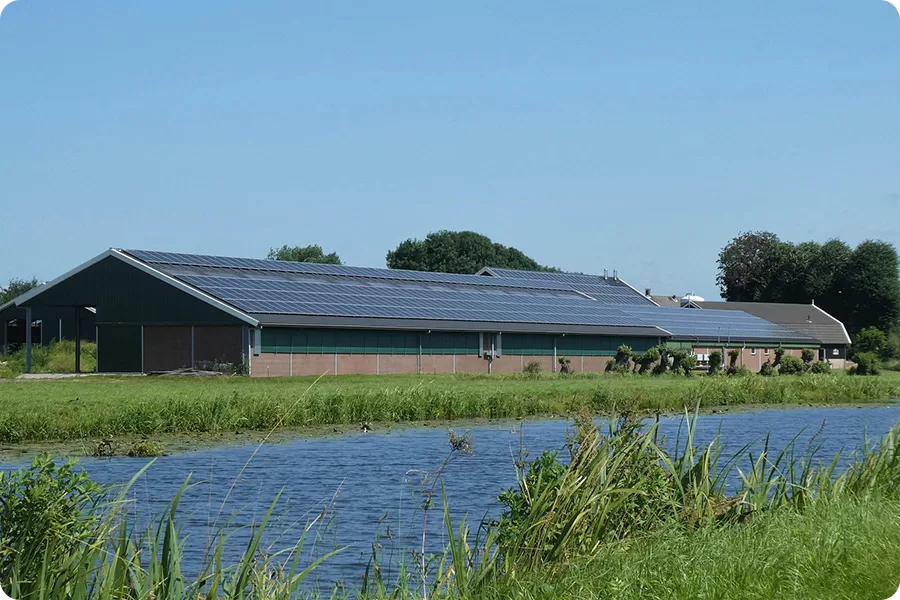
- Εμπορικές και βιομηχανικές στέγες ή αγροτικά κτίρια: Σε τέτοιες εφαρμογές, πρέπει συχνά να επιβεβαιώνονται εκ των προτέρων οι διαστάσεις, το βάρος, οι ηλεκτρικές παράμετροι και ο τρόπος εγκατάστασης των φωτοβολταϊκών πλαισίων. Η προσωρινή αλλαγή μοντέλου αυξάνει το κόστος επικοινωνίας.
- Πολυτοπικά έργα ή αγορές σε φάσεις: Αν ο πελάτης αγοράζει σταδιακά, η συνεχής προμήθεια της ίδιας σειράς φωτοβολταϊκών πλαισίων μειώνει την πίεση μελλοντικής αντιστοίχισης και αντικατάστασης.
Σε αυτά τα σενάρια, το αν ο προμηθευτής μπορεί να παρέχει σταθερά την ίδια σειρά προϊόντων είναι συχνά πιο σημαντικό από μια βραχυπρόθεσμα χαμηλή τιμή. Αυτό που χρειάζεται πραγματικά ο πελάτης δεν είναι μια “φθηνή αγορά”, αλλά μια λύση προμήθειας που μπορεί να υποστηρίξει με συνέπεια τις πωλήσεις και την παράδοση.
Πώς να επιλέξετε το πιο κατάλληλο κανάλι προμήθειας φωτοβολταϊκών πλαισίων;
Διαφορετικά σενάρια αγοράς ταιριάζουν σε διαφορετικούς τρόπους προμήθειας. Για εγκαταστάτες, διανομείς και εταιρικούς αγοραστές, δεν χρειάζεται απαραίτητα να επιλέξουν αποκλειστικά ανάμεσα σε “τοπικό διανομέα” και “απευθείας αγορά από τον κατασκευαστή”. Το πιο σημαντικό είναι να αξιολογηθεί ποια λύση ταιριάζει καλύτερα στον σκοπό της αγοράς.
3.1 Προσωρινή αναπλήρωση αποθέματος: μεγαλύτερη σημασία έχει η τοπική ταχύτητα ανταπόκρισης
Αν πρόκειται μόνο για μικρή αναπλήρωση αποθέματος, προσωρινή πρόσθετη παραγγελία πελάτη ή γρήγορη κάλυψη ενός βραχυπρόθεσμου κενού, το τοπικό δίκτυο διανομής είναι συνήθως πιο ευέλικτο. Το πλεονέκτημά του βρίσκεται στην ταχύτερη επικοινωνία, στην ευελιξία ποσοτήτων και στη μικρότερη απόσταση παράδοσης.
Ωστόσο, αυτή η μορφή προμήθειας είναι πιο κατάλληλη ως συμπληρωματική λύση και όχι ως βασική μακροπρόθεσμη πηγή προμήθειας. Τα προσωρινά αποθέματα συχνά συνοδεύονται από ασυνέχεια μοντέλων, ασταθείς παρτίδες ή αβεβαιότητα στη μελλοντική αναπλήρωση.
3.2 Τακτικές πωλήσεις: μεγαλύτερη σημασία έχουν το ευρωπαϊκό απόθεμα και η συνέχεια μοντέλων
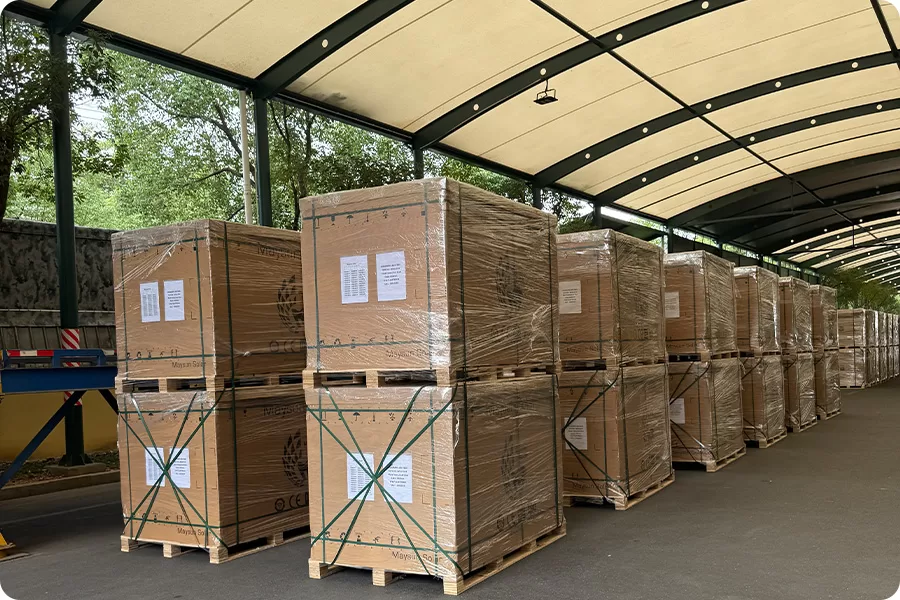
Για διανομείς και εγκαταστάτες, η αξία μιας τοπικής ή γειτονικής ευρωπαϊκής αποθήκης δεν περιορίζεται στο ότι “η παράδοση είναι ταχύτερη”. Το βασικό είναι αν μπορεί να διατηρηθεί σταθερό απόθεμα και συνεχής δυνατότητα αναπλήρωσης.
Αν μια συγκεκριμένη σειρά φωτοβολταϊκών πλαισίων είναι διαθέσιμη για μεγάλο διάστημα, ο αγοραστής μπορεί να κάνει πιο σταθερές προσφορές, να διαχειρίζεται καλύτερα το απόθεμα και να εξυπηρετεί πιο αξιόπιστα τους πελάτες. Ειδικά σε εταιρικούς πελάτες, αγροτικά κτίρια ή σενάρια μαζικών πωλήσεων, η συνέχεια μοντέλων μειώνει το μελλοντικό κόστος επεξηγήσεων και ενισχύει την εμπιστοσύνη του πελάτη.
3.3 Μακροπρόθεσμη προμήθεια: μεγαλύτερη σημασία έχει ο κατασκευαστής ή το εξουσιοδοτημένο σύστημα προμήθειας
Όταν ο αγοραστής χρειάζεται να πουλά μακροπρόθεσμα την ίδια σειρά φωτοβολταϊκών πλαισίων ή όταν ο πελάτης έχει υψηλότερες απαιτήσεις για τεχνικά έγγραφα, ευθύνη εγγύησης και ιχνηλασιμότητα παρτίδων, η συνεργασία απευθείας με τον κατασκευαστή ή με εξουσιοδοτημένο σύστημα προμήθειας είναι πιο ασφαλής επιλογή.
Η αξία αυτής της λύσης δεν είναι μόνο ότι η τιμή μπορεί να είναι πιο ελεγχόμενη. Πιο σημαντικό είναι ότι οι πληροφορίες προϊόντος είναι πιο άμεσες, οι εκδόσεις των εγγράφων πιο ξεκάθαρες και η ευθύνη after-sales πιο εύκολο να επιβεβαιωθεί. Για πελάτες μακροχρόνιας συνεργασίας, αυτοί οι παράγοντες είναι συχνά πιο σημαντικοί από μια εφάπαξ χαμηλή τιμή.
Τι πρέπει να επιβεβαιώνεται πριν από την επιλογή προμηθευτή φωτοβολταϊκών πλαισίων;
Κατά την επιλογή προμηθευτή φωτοβολταϊκών πλαισίων, είναι χρήσιμο να επιβεβαιώνονται πρώτα ορισμένα βασικά σημεία. Πολλοί κίνδυνοι προμήθειας μπορούν στην πραγματικότητα να εντοπιστούν πριν από την παραγγελία.
- Το τρέχον μοντέλο είναι μοντέλο μακροχρόνιας προμήθειας ή προσωρινό απόθεμα;
- Η μελλοντική αναπλήρωση μπορεί να διατηρήσει τις ίδιες διαστάσεις, ισχύ, ηλεκτρικές παραμέτρους και εμφάνιση;
- Μπορεί ο προμηθευτής να παρέχει datasheet, πιστοποιητικά και έγγραφα εγγύησης;
- Υπάρχει τοπική ή γειτονική ευρωπαϊκή αποθήκη για σταθερή παράδοση;
- Οι παρτίδες, οι σειριακοί αριθμοί και οι ευθύνες after-sales είναι ιχνηλάσιμες;
- Υποστηρίζονται μακροπρόθεσμες αγορές από εγκαταστάτες, διανομείς ή εταιρικούς πελάτες;
Αν αυτά τα σημεία δεν μπορούν να διευκρινιστούν πριν από την αγορά, ακόμη και μια χαμηλότερη προσφορά δεν είναι απαραίτητα κατάλληλη για μακροχρόνια συνεργασία. Για τους Ευρωπαίους εγκαταστάτες και διανομείς, ένας αξιόπιστος προμηθευτής δεν είναι απλώς αυτός που μπορεί να δώσει τιμή, αλλά αυτός που μπορεί να διασφαλίσει συνέχεια στην παράδοση, στα έγγραφα και στην ευθύνη after-sales.
Συχνές ερωτήσεις
1. Ποια εταιρικά έργα είναι πιο κατάλληλα για απευθείας αγορά από κατασκευαστή φωτοβολταϊκών πλαισίων;
Αν το έργο έχει μεγαλύτερη κλίμακα, σαφές χρονοδιάγραμμα παράδοσης ή απαιτήσεις για συγκεκριμένο μοντέλο, τεχνικά έγγραφα, υλικό εγγύησης και σταθερότητα μακροπρόθεσμης προμήθειας, η δημιουργία σχέσης αγοράς απευθείας με τον κατασκευαστή έχει συνήθως μεγαλύτερη αξία.
2. Γιατί η προμήθεια φωτοβολταϊκών πλαισίων δεν πρέπει να βασίζεται μόνο στη χαμηλότερη τιμή;
Επειδή η χαμηλότερη τιμή αντικατοπτρίζει μόνο το κόστος της πρώτης αγοράς. Για εγκαταστάτες, διανομείς και εταιρικούς αγοραστές, η μελλοντική αναπλήρωση, η συνέχεια μοντέλων, η πληρότητα των εγγράφων και η ευθύνη after-sales επηρεάζουν επίσης το μακροπρόθεσμο κόστος.
3. Αν πρόκειται μόνο για προσωρινή αναπλήρωση, χρειάζεται ακόμη να δοθεί σημασία στη σταθερή προμήθεια;
Ναι, αλλά η προτεραιότητα είναι διαφορετική. Στην προσωρινή αναπλήρωση μπορεί να δοθεί προτεραιότητα στην ταχύτητα παράδοσης και στο τοπικό απόθεμα. Αν όμως η ίδια σειρά φωτοβολταϊκών πλαισίων θα συνεχίσει να πωλείται και στο μέλλον, πρέπει να επιβεβαιωθεί εκ των προτέρων αν το μοντέλο θα παραμείνει διαθέσιμο και αν τα έγγραφα και τα στοιχεία εγγύησης είναι πλήρη.
4. Τα χαμηλού κόστους φωτοβολταϊκά πλαίσια πρέπει πάντα να αποφεύγονται;
Όχι απαραίτητα. Η χαμηλή τιμή δεν είναι πρόβλημα από μόνη της. Το βασικό είναι αν η πηγή προμήθειας, η υποστήριξη εγγράφων, η ευθύνη εγγύησης και η συνέχεια μοντέλων είναι ξεκάθαρες. Αν αυτά τα στοιχεία είναι σαφή, το πλεονέκτημα τιμής μπορεί να λειτουργήσει ως σημείο αναφοράς. Αν όμως η χαμηλή τιμή συνοδεύεται από αβέβαιο χρόνο παράδοσης, ελλιπή έγγραφα ή ασαφή ευθύνη after-sales, δεν είναι κατάλληλη ως βασικό κριτήριο για εταιρικά έργα.
5. Ποια είναι η αξία μιας τοπικής ή γειτονικής ευρωπαϊκής αποθήκης;
Μια τοπική ή γειτονική ευρωπαϊκή αποθήκη κάνει τον χρόνο παράδοσης πιο ελεγχόμενο και διευκολύνει τη μελλοντική αναπλήρωση και τη συνέχεια της ίδιας σειράς φωτοβολταϊκών πλαισίων. Για εμπορικές και βιομηχανικές στέγες, αγροτικά κτίρια, στέγαστρα στάθμευσης ή πολυτοπικά έργα, ο αγοραστής δεν πρέπει να ελέγχει μόνο αν υπάρχει διαθέσιμο απόθεμα, αλλά και αν το αντίστοιχο μοντέλο, τα έγγραφα και τα στοιχεία εγγύησης είναι πλήρη.
Για τους Ευρωπαίους εγκαταστάτες, διανομείς και εταιρικούς αγοραστές, η προμήθεια φωτοβολταϊκών πλαισίων δεν πρέπει να βασίζεται μόνο σε μια εφάπαξ χαμηλή τιμή. Αυτό που επηρεάζει πραγματικά τη μακροχρόνια συνεργασία είναι αν ο προμηθευτής μπορεί να παρέχει σταθερά μοντέλα, πλήρη έγγραφα, σαφή εγγύηση και ελεγχόμενους χρόνους παράδοσης.
Μια εφάπαξ χαμηλή τιμή μπορεί να προσφέρει βραχυπρόθεσμο πλεονέκτημα, αλλά η σταθερή προμήθεια είναι αυτή που στηρίζει τις μακροχρόνιες πωλήσεις και την παράδοση στους πελάτες. Για αγοραστές που θέλουν να εξυπηρετούν σταθερά εμπορικούς και βιομηχανικούς πελάτες, πελάτες σε αγροτικά κτίρια ή πελάτες μαζικών αγορών, η επιλογή ενός προμηθευτή που μπορεί να υποστηρίξει μακροπρόθεσμα την αναπλήρωση, τα έγγραφα και την ευθύνη after-sales είναι συχνά πιο σημαντική από μια μεμονωμένη χαμηλή τιμή.
Η Maysun Solar δραστηριοποιείται μακροχρόνια στην ευρωπαϊκή αγορά φωτοβολταϊκών, προσφέροντας λύσεις φωτοβολταϊκών πλαισίων με τεχνολογίες IBC, TOPCon, HJT και άλλες. Μέσω ευρωπαϊκών τοπικών αποθηκών, τεχνικής τεκμηρίωσης και υποστήριξης προμήθειας για έργα, βοηθά εγκαταστάτες, διανομείς και εταιρικούς αγοραστές να μειώσουν την αβεβαιότητα στους χρόνους παράδοσης, στα έγγραφα και στην εφοδιαστική αλυσίδα κατά την αγορά φωτοβολταϊκών πλαισίων.
Βιβλιογραφικές αναφορές:
SolarPower Europe – EU Solar Market Outlook 2025–2030:
https://www.solarpowereurope.org/insights/outlooks/eu-solar-market-outlook-2025-2030
IEC – IEC 61215-1:2021 Photovoltaic modules design qualification:
https://webstore.iec.ch/en/publication/61345
IEC – IEC 61730-1:2023 Photovoltaic module safety qualification:
https://webstore.iec.ch/en/publication/59803
European Commission – The Blue Guide on the implementation of EU product rules 2022:
https://single-market-economy.ec.europa.eu/news/blue-guide-implementation-product-rules-2022-published-2022-06-29_en