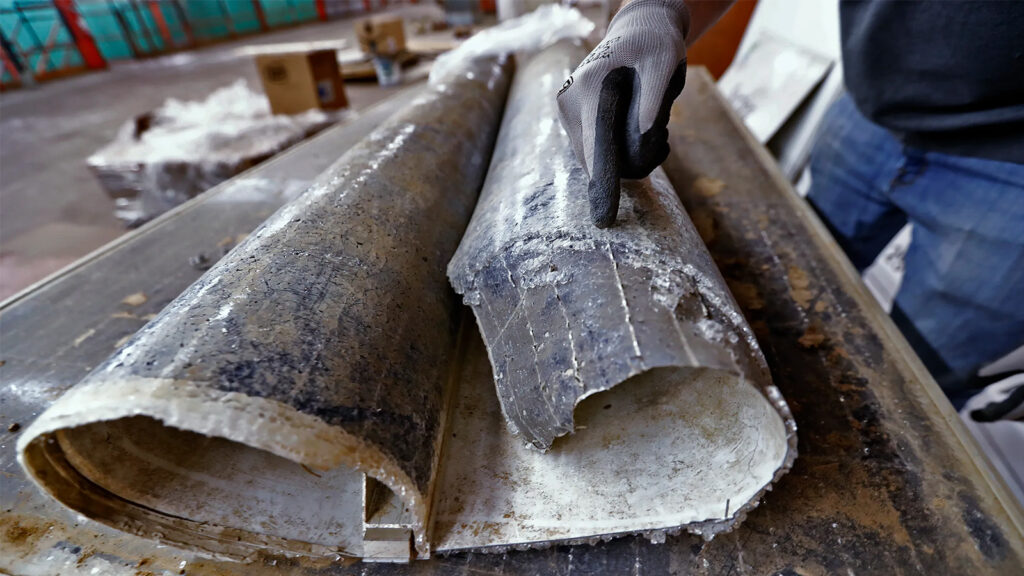
Nowadays, while the PV business is developing vigorously, the recycling business of PV modules is also maturing. From the point of view of material composition, used solar panels have great recycling value, which is conducive to achieving real green in the whole life cycle of photovoltaic power generation, thus promoting the sustainable development of the solar industry.
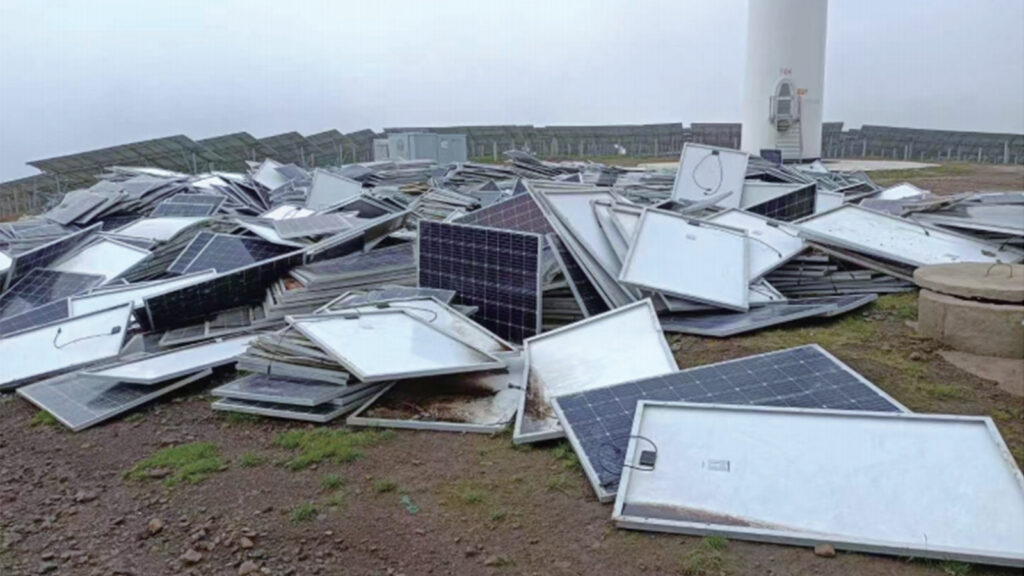
There are generally two ways to deal with the cells recovered from power stations: the first is to resell the well-preserved modules (exported) to achieve secondary use, and the second is to disassemble the modules that can no longer be used and directly recycle the raw materials.
Why the need to recycle solar panels
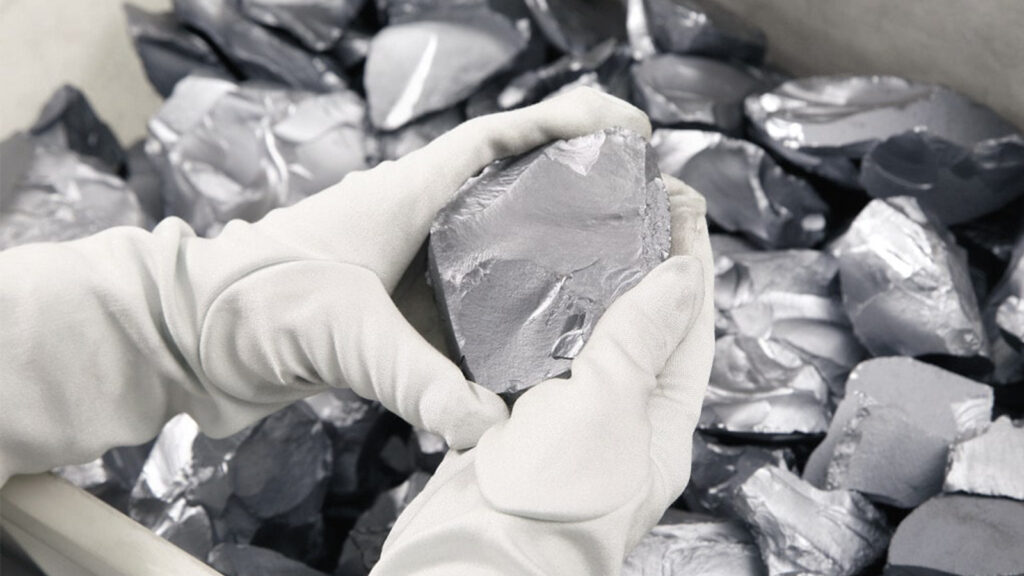
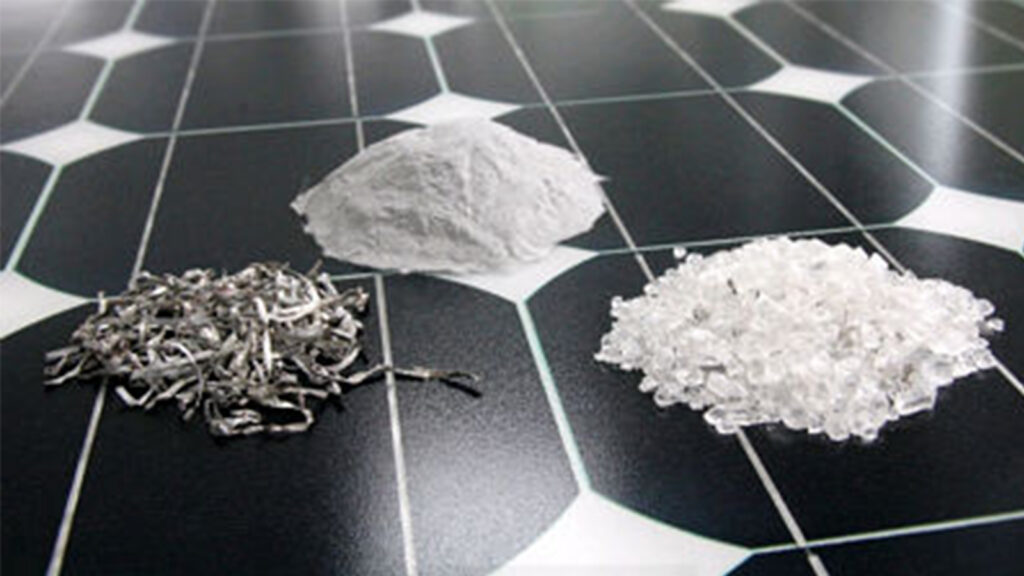
According to a study by the EU PV CYCLE organization, glass accounts for about 70% of the total weight of used PV modules, aluminum material accounts for about 18%, and semiconductor material accounts for about 4%. Through the recycling of used PV modules, the recycling of rare metals, glass, aluminum and semiconductors can be realized, especially the recycling of rare metals such as silver, tellurium, indium and gallium, which account for 4% of the semiconductor materials. The recovered rare metals can also be used in other cutting-edge technologies to reduce the extraction of primary resources, reduce energy consumption in resource extraction, and reduce the impact and damage to the ecological environment. Currently, the recovery rate of PV modules can reach 96% with the existing recycling technology. In the future, recycling rates will be upgraded as technology improves.
Rystad Energy estimates that by 2035, the PV recycling industry will be able to supply 8% of the polysilicon, 11% of the aluminum, 2% of the copper and 21% of the silver needed to meet the material demand for PV panels installed in 2020.
PV recycling policies by country
In recent years, various policies have been introduced in various countries for the recycling of PV modules.
In 2007, the European Union established PV CYCLE, an organization for the recovery and recycling of crystalline silicon photovoltaic modules, which is committed to providing comprehensive recovery and recycling services for retired crystalline silicon photovoltaic modules and has set up a recycling network with partners such as logistics and transportation companies. Since its official launch in 2010, the organization has collected and processed more than 60,000 tons of retired crystalline silicon PV modules.
In early 2023, the Korean government approved a new solar module recycling program. The program is designed to encourage solar equipment manufacturers to reuse modules and reduce the use of hazardous substances to protect the ecosystem.
The Dutch government recently announced that it will increase PV module recycling fees effective July 1, 2023, in response to a sharp rise in discarded PV modules. Dutch importers selling solar panels to local customers will have to pay a recycling fee of €40 ($42.50) per tonne, compared to the current €6.50 per tonne charged for solar panel recycling.
Since 2018, the management of decommissioned PV modules in Germany is governed by the “Elektrogesetz” or “ElektroG” law, which complies with the requirements of the WEEE Directive previously issued by the EU. This regulation requires a recycling rate of 85% for decommissioned PV modules and a recycling rate of 80% for recovered materials. In addition, decommissioned modules in different scenarios require specific decommissioning processes.
Existing recycling technologies
The main technologies currently available are physical, pyrolysis and chemical:
1) The advantages of the physical method are low cost and simple steps; the disadvantage is that the recovery rate is not high, the metal materials in solar cells cannot be recovered, and the purity of the recovered materials is not high.
2) The advantages of the pyrolysis method are low cost, high recovery rate, and air combustion method can recover the metals in solar cells; however, the disadvantage is that the pyrolysis produces harmful gas, which pollutes the environment and requires subsequent treatment.
3) The advantage of chemical method using trichloroethylene solvent is that the recovery rate is high and the recovered material remains intact; however, the disadvantage is that the cost is high.
There is still time before the end-of-life tide of PV module disposal, and the research of recycling technology for retired PV modules needs to continue to be explored to explore the technology with low cost and high recycling efficiency.
Maysun Solar, as a PV module manufacturer with 15 years of professional experience, can provide you with high quality solar panels, click the button below to contact us for a product quote.
You may also like:

Low-Carbon PV Procurement in France: Why ECS, PEP Ecopassport and Solar Carports Matter
Table of Contents France is becoming one of Europe’s most documentation-driven solar markets. For EPC companies, developers and commercial project owners, module selection is no longer based only on price-per-watt, efficiency or linear power warranties. Carbon documentation, supply-chain traceability and project-specific compliance files

PV Module Installation Beyond Rooftops: Multi-Scenario Applications for Bifacial N-Type Modules in Europe
PV module installation is not limited to rooftops. For residential users, small commercial users and distributed PV projects in Europe, spaces such as balconies, gardens, fences, carports, terraces, façades and pergolas can also provide additional installation areas when conditions allow. As solar use

Europe’s Grid Cap Era: Why High-Efficiency Solar Panels Matter More in 2026
Introduction In 2026, the economics of distributed solar in Europe are changing. Grid congestion, export limits, negative electricity prices and zero-export requirements mean that a solar project can no longer be judged only by how much electricity it generates. The more important question

How Do Solar Panel Delivery Delays Affect Installer Costs?
Solar panel delivery delays can affect installation schedules, project acceptance and payment collection.

The Forgotten “Invisible Assets”: Why Repowering Is the Strategic Key for European Solar in 2026
As grid congestion delays new solar projects across Europe, existing PV assets are becoming a strategic source of growth. This article explains why PV repowering can help EPCs and C&I asset owners unlock hidden value from already-connected solar plants, improve LCOE, and extend long-term asset performance with high-efficiency TOPCon, IBC and HJT modules.

Solar Panel Procurement in Europe: Why Stable Supply Matters More Than a One-Off Low Price
When European installers, distributors and corporate buyers choose solar panels, a one-off low price should not be the only factor. Stable supply, model continuity, technical documents and replenishment capacity often matter more for long-term cooperation and project delivery.


Pingback: Have you read these fake news about PV? - Maysun Solar-Professional Solar Panel Supplier For 15 Years