The concept of smart microgrid has become hot in recent years, so what exactly is a smart microgrid? What are its components? What are the application scenarios? You must have questions about it. In this article, we will reveal them all for you.
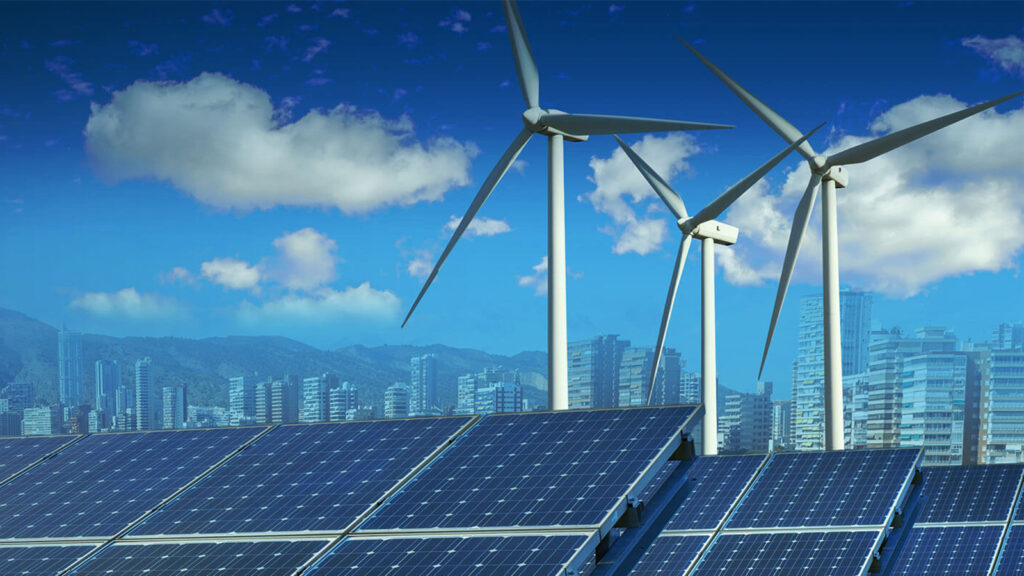
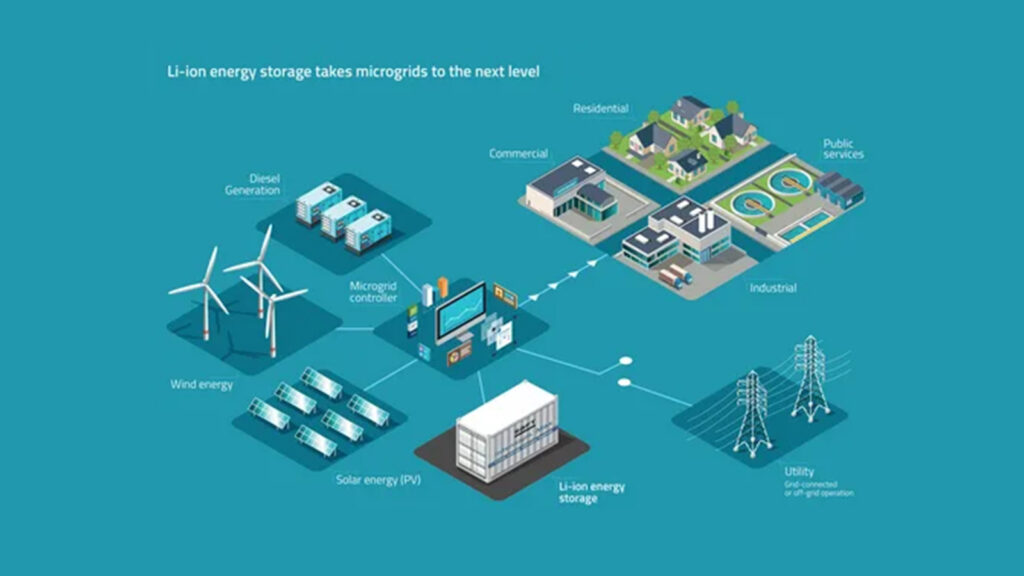
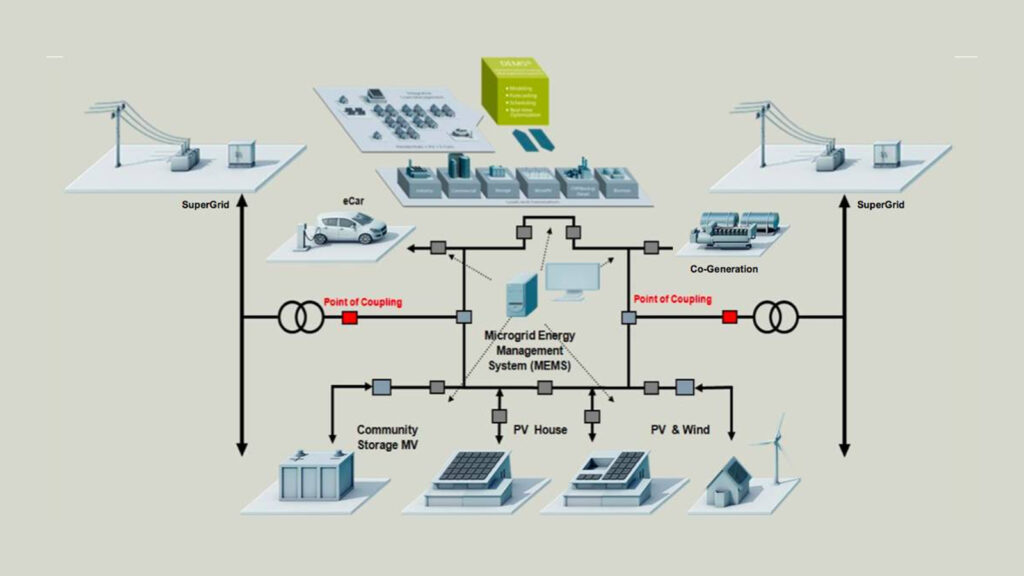
First of all, we should understand the concept of microgrid. Microgrid is composed of distributed power supply, electricity load (important, adjustable and other types of load), energy management system, etc. It is a power supply and consumption system that can basically achieve internal power balance. The distributed power supply includes distributed photovoltaic, decentralized wind power, gas turbine, electrochemical energy storage, supercapacitor, etc. The energy management system includes monitoring, protection and automation devices.
Application scenarios of microgrid:
Microgrid is not a power supply and consumption system that can be commonly used by a wide range of people. It is mainly used in:
1. remote areas with off-shore or isolated energy demand;
2. areas with weak grid or high energy cost;
3. parks with high demand for energy stability and quality.
Characteristics of microgrid:
1.Micro: Microgrid voltage level is generally below 35kV; system size is generally megawatt or below; connected to end-users, local utilization of electricity.
2. Clean: The power source of microgrid is mainly clean energy.
3. Autonomy: The microgrid can achieve basic self-balancing, and the power exchange with the external power grid generally does not exceed 20% of the total power.
4.Friendly: Microgrid can support the large grid, provide high quality and reliable power to users, and smoothly switch between grid-connected and off-grid modes.
Microgrid operation modes:
1. Grid-connected mode, i.e. microgrid system is interconnected with the grid for power exchange.
2. Off-grid mode, where the microgrid system achieves internal energy self-balancing.
3. Transient switching mode, in which the microgrid area is connected or disconnected from the grid at the moment of state, the system needs to reduce the disturbance caused by transient switching and ensure the stability of frequency and voltage.
Microgrid technology:
1.Energy storage
Energy storage is an indispensable part of microgrid, which plays the role of peak-shaving and valley-filling in microgrid and greatly improves the efficiency of intermittent energy utilization. The current energy storage mainly has battery energy storage, flywheel energy storage, superconducting magnetic energy storage, supercapacitor energy storage, the current more mature energy storage technology is lead-acid batteries, but there are short life and lead pollution problems, the future of high energy storage, low cost, high quality performance graphene battery market will bring spring to the energy storage industry. Energy storage technology is the current development of high cost, the world is attacking this technology, but all have a common purpose, that is to achieve “low cost + high energy storage”.
2. Grid scheduling system
Unlike the traditional grid dispatching system, the smart microgrid dispatching system is a horizontal multi-energy complementary optimal dispatching technology, which can fully exploit and utilize the direct complementary alternative of different energy sources. It can realize the exchange of different kinds of energy sources. Each kind of energy in the source-storage-load each link less hierarchical orderly gradient optimization scheduling, to achieve the optimal energy utilization efficiency.
3. Protection technology
There are multiple power sources and multiple loads in the smart microgrid, and the regulation, switching and control of these power sources are done by the microgrid control center. In addition to monitoring the power parameters, switching status and power quality and energy parameters of each new energy generation system, energy storage system and load, the micro-grid control center also carries out energy saving and power quality improvement.
Maysun Soar is a professional manufacturer of photovoltaic modules with 15 years of experience in the industry, and we can provide you with excellent products and experience in dealing with problems. Welcome to consult us by clicking the button.
You may also like:

August European Solar Industry News
In August 2026, Europe’s solar market combined record PV generation with volatile power prices driven by heat, gas costs and low wind output. Policy support also expanded, including 800 W plug-in solar in Great Britain and greater EU flexibility for PV and storage investments, while module prices largely stabilized amid renewed oversupply.


Industrial Roofs with Limited Load Capacity: Lightweight or High-Efficiency Solar Panels?
On an existing industrial roof, “lighter is better” is not a reliable module-selection rule. The first question is how much additional load the roof can safely accept. Only then does it make sense to compare module weight, power density, mounting method and the

How to Verify Solar Panels Before Buying: Datasheets, Certifications, Warranties and Delivery Inspection
A datasheet, an IEC certificate and a 25- or 30-year warranty can make a solar module look fully validated on paper. For a reliable purchasing decision, however, those documents are only the starting point. The electrical ratings, mechanical design, certificates, connectors, warranty terms

How to Choose Solar Panels for Low-Load-Bearing Industrial Roofs: A Guide to Weight, Power Density and Mounting Systems
Choosing solar panels for a low-load-bearing industrial roof requires more than checking the weight of an individual module. A more reliable process starts by determining the roof’s remaining load-bearing capacity. The complete load from the modules, rails, fasteners and ballast must then be

Why Do Solar Panels Lose Power in Hot Weather? How Temperature Coefficient and Roof Ventilation Affect Summer Energy Yield
Summer brings stronger sunlight and longer daylight hours, so it is normally one of the most productive seasons for a solar system. However, some system owners notice that solar panel output does not continue to rise during the hottest part of the day.

How to Design a Low-Maintenance Rooftop Solar System
Introduction A low-maintenance rooftop solar system is not created after installation. It is designed before installation. Over a 20–30 year operating life, rising O&M costs are rarely caused by dirty glass alone. They are more often caused by design decisions made at the