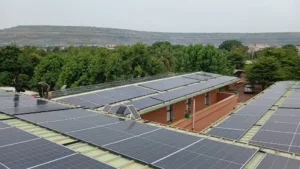
Transparent backsheets have helped propel and draw attention to a new and exciting area of photovoltaics. The employment of transparent backsheets in a rapidly emerging field of PV — bifacial — has enhanced their momentum and attention.
Table of Contents
Technology of Solar Panels with Transparent Backsheets
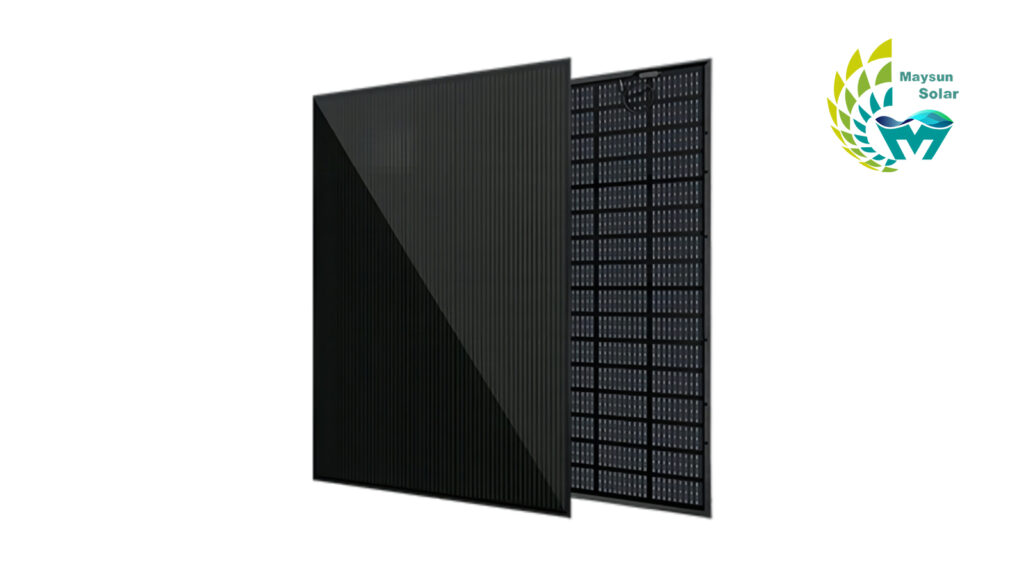
These solar modules with transparent backsheets are able to generate power from the front side and up to 20% energy gain from the back using a combination of high-efficiency mono passivated emitter rear contact (PERC) bifacial cells and POE film for backsheets.
A bifacial transparent backsheet’s life is 25 years by using a vapor-resistant POE and a transparent backsheet comprised of fluoric materials. The outer layer of the transparent backsheet includes anti-aging and corrosion protection. The backsheet is covered with a fluoric coating (thickness higher than 10 m) for usage in tough circumstances, which prevents UV rays while preserving its outstanding mechanical properties. Polyoxyethylene (POE) is a water-resistant polymer that beats EVA due to its longer, more stable molecular chain and lack of acid groups.
It’s a method of boosting a PV system’s energy output with minimum additional work, which in turn lowers the system’s levelized cost of electricity. The key to its great popularity is the simplicity with which it may be manufactured, particularly at the cell level. Even PERC can be modified to be bifacial at no extra expense, as can any other more advanced technology.
Why Choose Transparent Backsheets?
Bifacial solar panels with a transparent backsheet may achieve the same levels of power production and rear-side energy gain. They’re lighter, can be set up in less time, and come with a power guarantee that lasts 25 years.
1. Lighter for the same level of power production
Even though there are more types of solar modules now than in the past, the overall trend toward bigger sizes and more power output has not changed. As the part gets bigger, its weight also goes up. The glass-transparent backsheet module is lighter than the dual-glass version, and using a transparent backsheet saves even more weight as the module gets bigger.
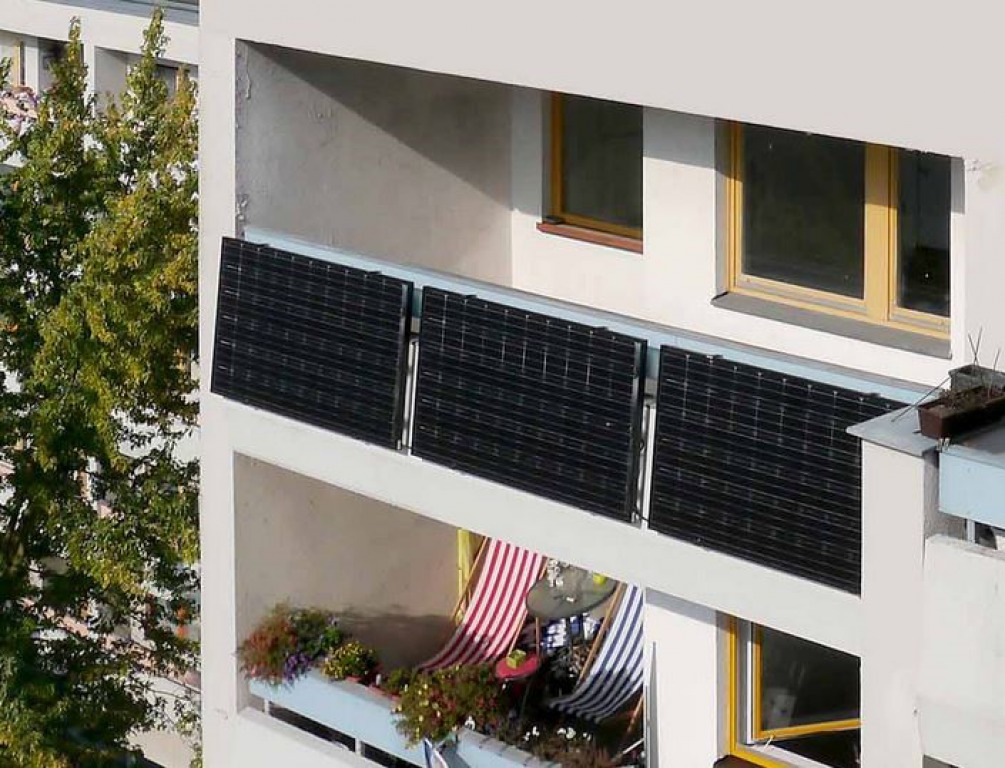
For instance, our Venusun S 410Wp product weighs only 14kg, but our regular 410 Wp solar panels weighs 7kg more. If you live in an apartment and wanna intall solar panels on your balcony, these lighter solar panels are surely easier and safer to hang from your balcony.
2. High quality with competitive price
A number of module manufacturers have opted to utilize transparent backsheets as an alternative. This transition demonstrates that these transparent backsheets have a better price for the same quality.
Because of its lighter weight and easier installation and mounting, the module manufacturers claim their bifacial modules may give a greater internal rate of return and lower levelized cost of energy for bifacial module PV systems.
3. Higher efficiency in lower operating temperature
Most people concern about its energy generation.
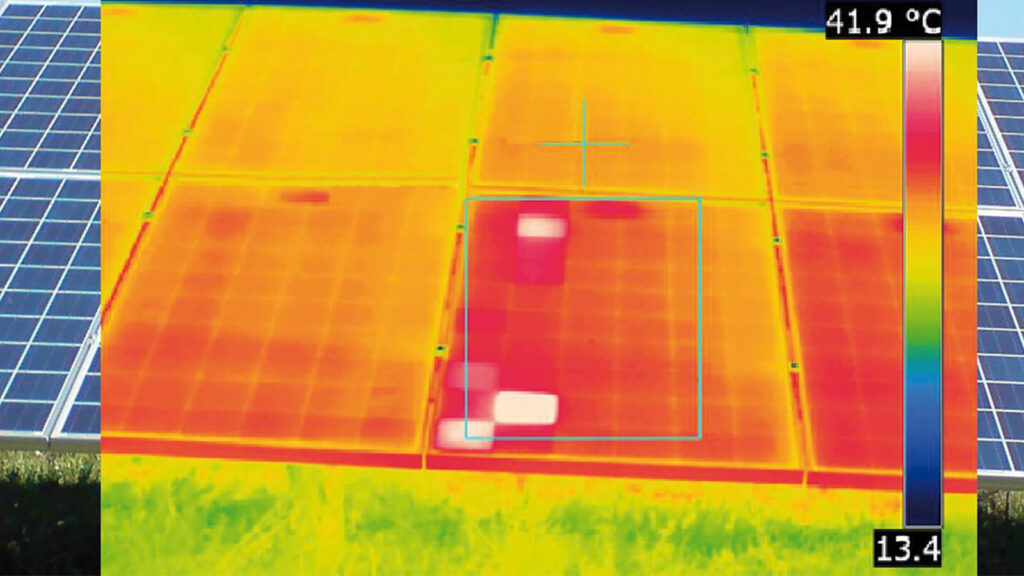
Data from a cement-fixed placement (P type) project reveal that as irradiance increases, so does the daily yield of the transparent backsheet module. With increasing incoming light intensities, the difference in power output between the bifacial transparent backsheet module and glass-glass module widens. The greater efficiency of the transparent backsheet is owing to its lower operating temperature.
The reason for this result is, on the one hand, polymer backsheet modules are “breathable,” allowing moisture to penetrate to areas where heat is dispersed more evenly. This reduces the cell’s operating temperature by 5 to 10 °C, increasing its efficiency.
The backsheet, on the other hand, is transparent to infrared light, allowing waste heat from the module’s solar cells to escape through the back.
4. Easier to clean
Because it is stain-resistant, the transparent backsheet of a bifacial module is easier to clean and maintain than glass.
A transparent backsheet’s surface is heavily packed with fluorine atoms, making it extremely electronegative. As a result, soiling on the surface of the backsheet is dust that has been physically absorbed into the backsheet. Rain quickly washes away these sorts of stains, preventing them from accumulating on the backsheet and reducing energy output. Water droplets roll off the transparent backsheet’s hydrophobic surface, making it simple to clean.
5. Resistance to rust from salt,acids and sand
The transparent backsheet is resistant to corrosion from salty and alkaline substances. This makes the TB module safer to use in greenhouses, saline-alkaline soil, and PV farming applications. The top layer of the transparent backsheet can withstand more than 50L of falling sand. For more than 30 years, the transparent backsheet might be worn down by sand in a desert.
Solar Panels with Transparent Backsheet in Extreme Weather
1. Under Hailstorms
The front side of the bifacial transparent backsheet is made of tempered glass. Tempered glass has a higher impact strength, making it safer to use in locations where severe weather, such as hail, is widespread.
2. Under extreme heat
You can use transparent backsheet under extreme heat, due to its anti-UV properties. Comparatively, the UV transmittance of glass is between 40 and 50%, whereas that of a transparent backsheet is less than 1%. Because high-transparency POE is frequently used for bifacial modules, the backsheet of the module may block UV rays and so provide protection for the cells and packaging materials it contains.
Maysun Solar has been specialising in producing high quality photovoltaic modules since 2008. Choose from our wide variety of full black, black frame, silver, and glass-glass solar panels that utilise half-cut, MBB, IBC, and Shingled technologies. These panels offer superior performance and stylish designs that seamlessly blend in with any building. Maysun Solar successfully established offices, warehouses, and long-term relationships with excellent installers in numerous countries! Please contact us for the latest module quotations or any PV-related inquiries. We are excited to assist you.
Reference:
JinkoSolar Launches Bifacial Module with New Transparent Backsheet – News. (2020, July 20).
PV Tech. (2020, March 10). JinkoSolar: Transparent backsheet vs dual glass—- Advantages and disadvantages – PV Tech.

PV Module Installation Beyond Rooftops: Multi-Scenario Applications for Bifacial N-Type Modules in Europe
PV module installation is not limited to rooftops. For residential users, small commercial users and distributed PV projects in Europe, spaces such as balconies, gardens, fences, carports, terraces, façades and pergolas can also provide additional installation areas when conditions allow. As solar use

Europe’s Grid Cap Era: Why High-Efficiency Solar Panels Matter More in 2026
Introduction In 2026, the economics of distributed solar in Europe are changing. Grid congestion, export limits, negative electricity prices and zero-export requirements mean that a solar project can no longer be judged only by how much electricity it generates. The more important question

How Do Solar Panel Delivery Delays Affect Installer Costs?
Solar panel delivery delays can affect installation schedules, project acceptance and payment collection.

The Forgotten “Invisible Assets”: Why Repowering Is the Strategic Key for European Solar in 2026
As grid congestion delays new solar projects across Europe, existing PV assets are becoming a strategic source of growth. This article explains why PV repowering can help EPCs and C&I asset owners unlock hidden value from already-connected solar plants, improve LCOE, and extend long-term asset performance with high-efficiency TOPCon, IBC and HJT modules.

Solar Panel Procurement in Europe: Why Stable Supply Matters More Than a One-Off Low Price
When European installers, distributors and corporate buyers choose solar panels, a one-off low price should not be the only factor. Stable supply, model continuity, technical documents and replenishment capacity often matter more for long-term cooperation and project delivery.

How Important Is the Temperature Coefficient When Choosing a Solar Panel?
How important is temperature coefficient when choosing a solar panel? This article answers that question directly and explains which projects should include it in early screening and which do not need to treat it as a top priority.