
Solar power has rocketed to the forefront of the global quest for a sustainable future. Photovoltaic (PV) systems are gaining traction as society increasingly places emphasis on harnessing renewable energy. These ingenious devices have become sustainable energy darlings, capturing hearts with their remarkable ability to convert sunlight into clean, usable electricity. In this dynamic blueprint for solar development, an advanced technology emerges: passivated emitter and rear cell (PERC) technology.
What is PERC Technology?
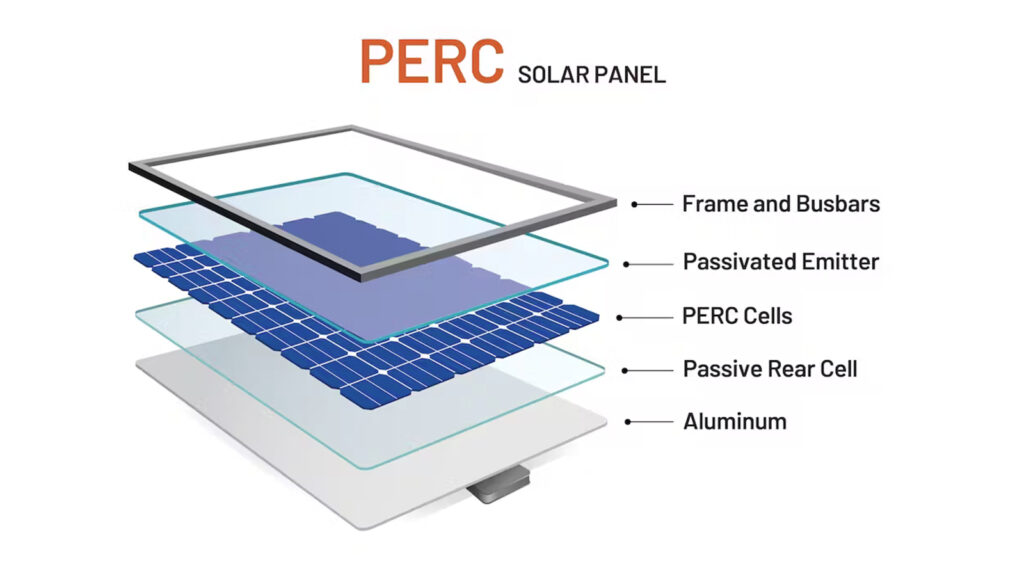
Passivated Emitter and Rear Cell (PERC) technology is a breakthrough innovation in solar panel design that significantly enhances the conversion efficiency of solar cells. Traditionally, solar cells consist of a front surface that captures sunlight and a rear surface that reflects unabsorbed light. PERC technology optimizes the rear surface of the cell to reduce the loss of valuable solar energy.
How does PERC technology work?
PERC technology operates by adding a passivation layer to the rear surface of the solar cell. This layer mitigates electron recombination, a phenomenon that hampers the efficiency of solar cells. By reducing the recombination of electrons, PERC technology increases the amount of energy converted from sunlight, resulting in higher overall efficiency.
Why Many People Choose PERC Technology?
a) Enhanced Efficiency:
Harnessing the power of PERC technology, solar panels soar to new heights of conversion efficiency, effortlessly surpassing the 20% threshold. This breakthrough ensures a radiant transformation of sunlight into abundant, usable electricity, allowing the panels to unleash their full potential and magnify the energy output.
b) Improved Low-Light Performance:
Within the realm of low-light conditions, PERC technology reigns supreme, unveiling its unparalleled performance. Like a steadfast luminary amidst clouds and shadows, it grants solar panels a remarkable advantage in regions where direct sunlight is scarce or on gloomy, overcast days. Through its ingenious design, it unlocks the door to heightened efficiency, paving the way for optimal energy generation.
c) Temperature Tolerance:
Embodying a resolute resistance to the whims of temperature, PERC technology boldly defies the constraints of conventional solar panels. Even amidst sweltering climates, it stands unwavering, preserving its High-Efficiency levels with unwavering strength. This formidable trait ensures an unwavering flow of electricity, making it an indispensable asset in warmer regions, where the sun’s fiery embrace is a constant companion.
d) Cost-Effectiveness:
A symphony of cutting-edge innovation and cost-conscious engineering, PERC technology has emerged as an exquisite embodiment of affordability. In the ever-evolving solar landscape, its ascent has been accompanied by a harmonious marriage of advanced features and cost-competitiveness. As its popularity spreads like wildfire, transforming PERC technology into an irresistible choice for residential and commercial solar installations alike.
What are the applications and prospects of PERC technology?
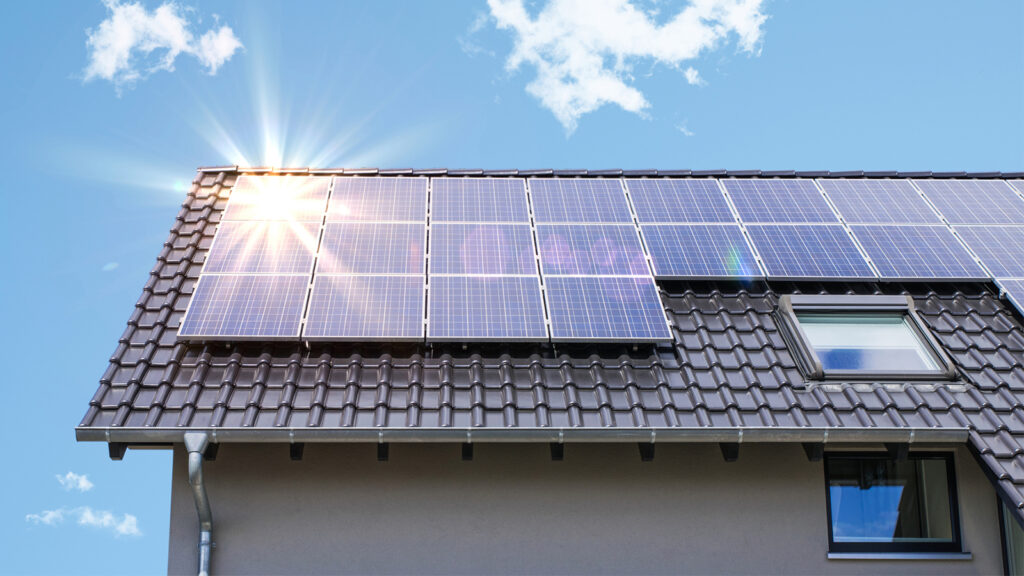
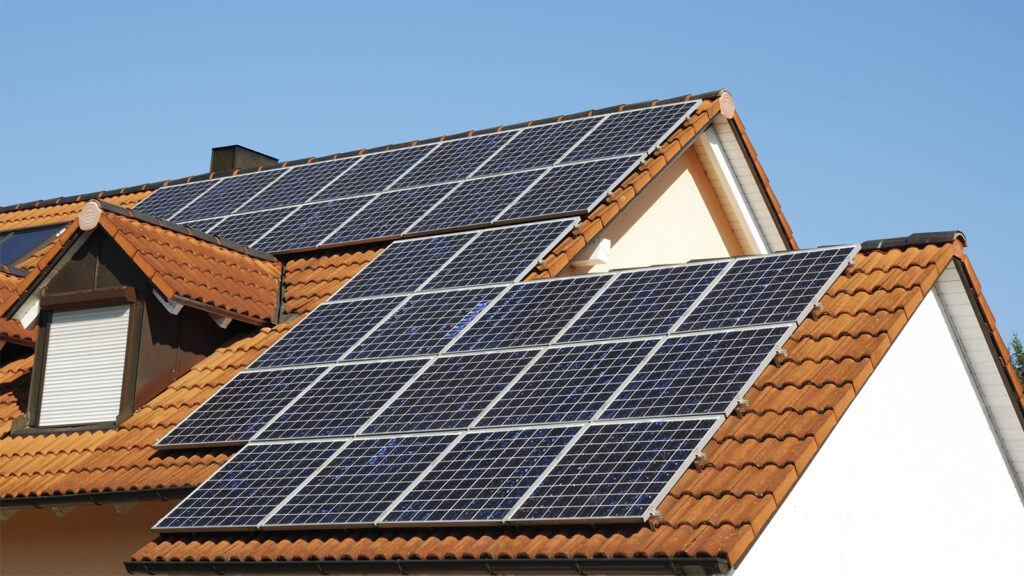
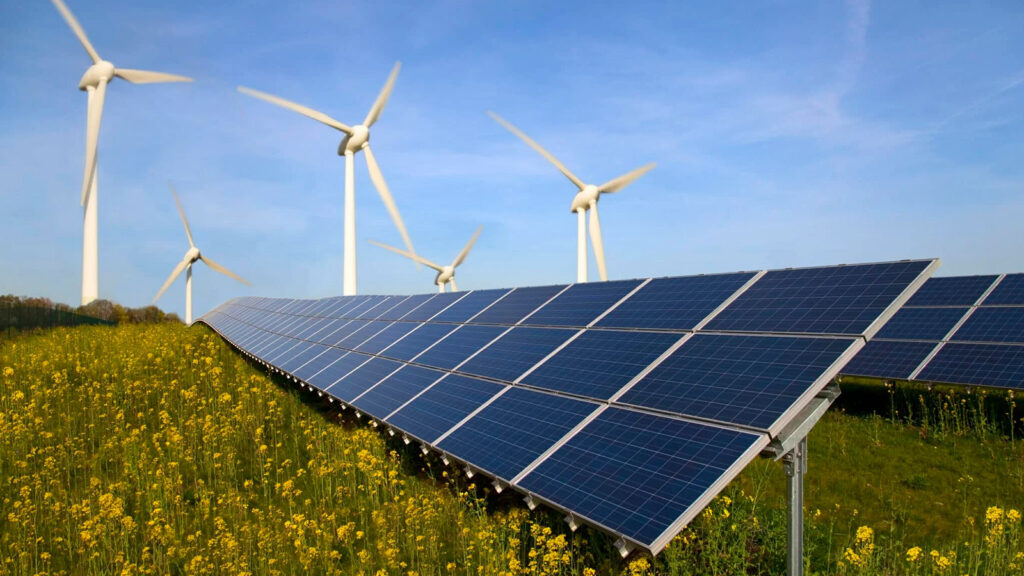
PERC technology has found applications in a wide range of solar energy systems. From large-scale solar farms to rooftop installations, its enhanced efficiency and adaptability make it suitable for various settings. Moreover, ongoing research and development are focused on improving PERC technology, with efforts to increase efficiency, reduce production costs, and enhance overall performance.
PERC Technology’s Path to a Sustainable Future:
The adoption of PERC technology contributes to the global transition towards clean energy and a sustainable future. By maximizing the energy output of solar panels, PERC technology enables a more efficient utilization of resources, reduces dependence on fossil fuels, and helps mitigate climate change.
Passivated Emitter and Rear Cell (PERC) technology has revolutionized the solar energy industry, boosting the efficiency and performance of solar panels. Its ability to increase energy conversion, enhance low-light performance, and withstand high temperatures positions PERC as a promising technology for harnessing the power of the sun. With ongoing advancements and cost reductions, PERC technology paves the way for a brighter and greener future powered by clean and renewable energy.
Since 2008, Maysun Solar has been focusing on the production of various photovoltaic modules, and we provide a series of glass modules using PERC technology for you to choose.
Choose Maysun Solar because we have high-quality solar panel technology to meet your needs, please contact us and create a green future together!

How Important Is the Temperature Coefficient When Choosing a Solar Panel?
How important is temperature coefficient when choosing a solar panel? This article answers that question directly and explains which projects should include it in early screening and which do not need to treat it as a top priority.

When does HJT bifacial gain pay off on European rooftops, and when is IBC the better option?
When do HJT bifacial solar panels generate stronger returns on European rooftop projects, and when should IBC solar panels take priority?

Which homes are suitable for garden solar?
Which homes are suitable for garden solar? Assess space, shading, orientation and electricity-use goals to quickly judge whether garden solar is a suitable option.

Are Differences Between Solar Panels More Noticeable in High-Temperature Conditions?
High temperatures reduce solar panel efficiency, but the gap in summer power generation is not determined by temperature alone. This article compares the high-temperature performance of HJT, TOPCon and IBC, and explains how businesses should choose.

Why Have N-Type TOPCon Solar Panels Become the Market Mainstream?
N-type TOPCon solar panels have become one of the mainstream photovoltaic technologies thanks to their strong balance of efficiency, cost and mass-production maturity. This article briefly explains their structural features, practical advantages and typical application scenarios.

April News from the European Solar Industry
The European solar market is showing clear signs of recovery: system value is being reaffirmed, German auction prices are stabilising, Italy’s rules are becoming clearer, and revenue certainty in France is improving.