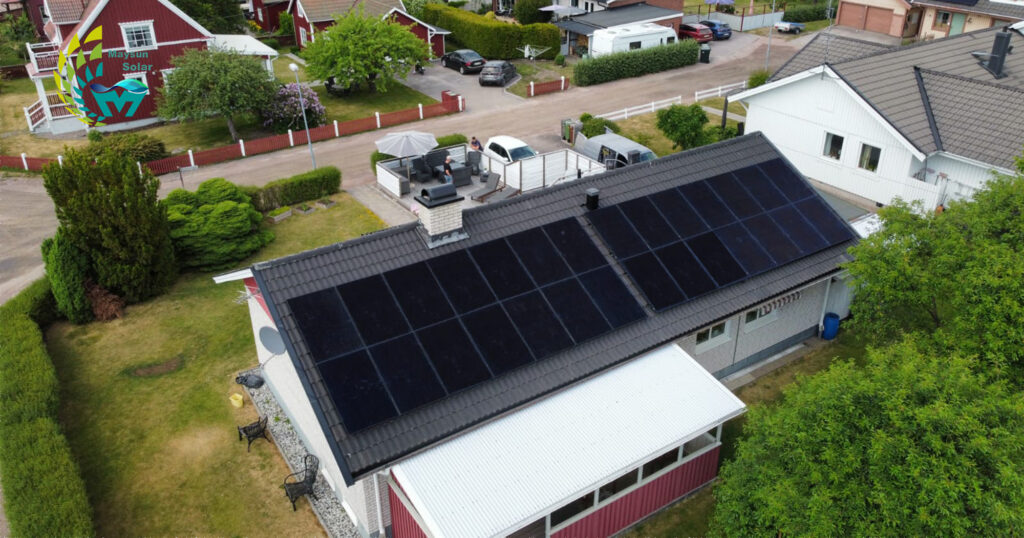
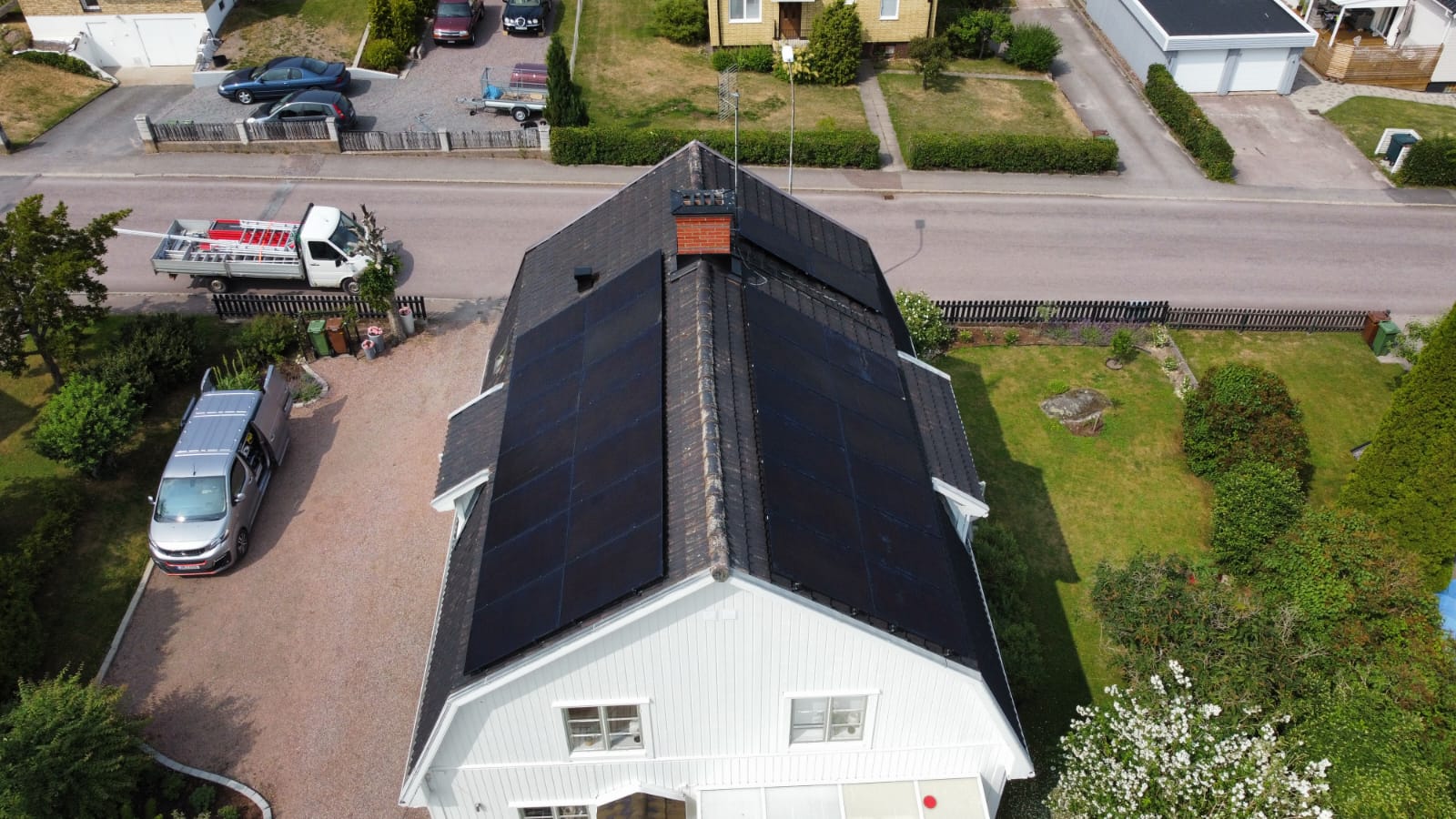
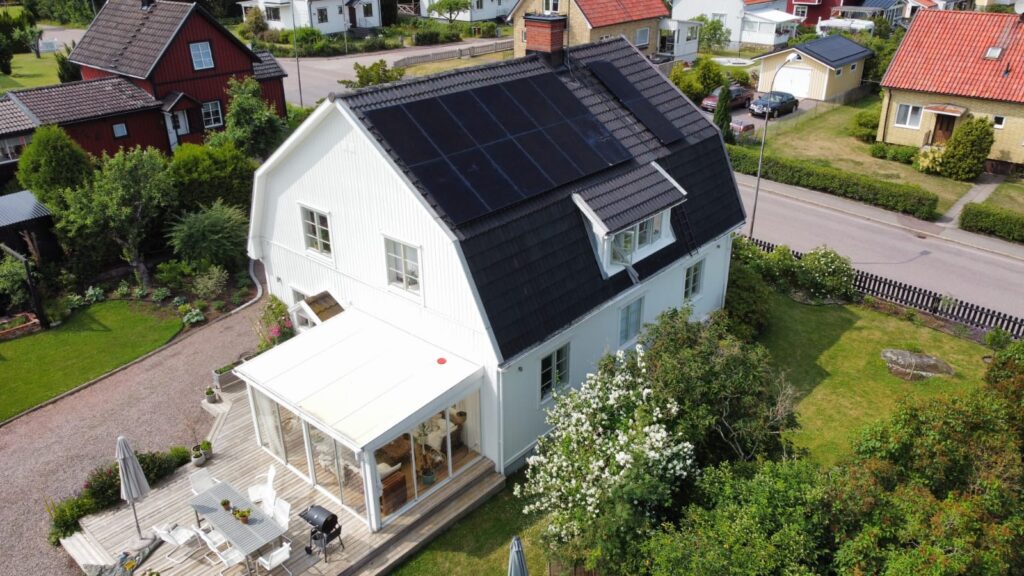
In this exciting article, we will delve into the innovative concept of shingled solar panels. We will conduct a comprehensive comparison between shingled solar panels and conventional modules, showcasing the numerous advantages that this technology brings to the table. Get ready to discover bright side of shingled solar panels! Our goal is to help you determine if shingled solar panels are the perfect fit for your needs! Let’s explore the details and uncover even more exciting possibilities!
What are shingled solar panels?
Shingled solar panels are an innovative and exciting technology that offer numerous benefits for renewable energy.
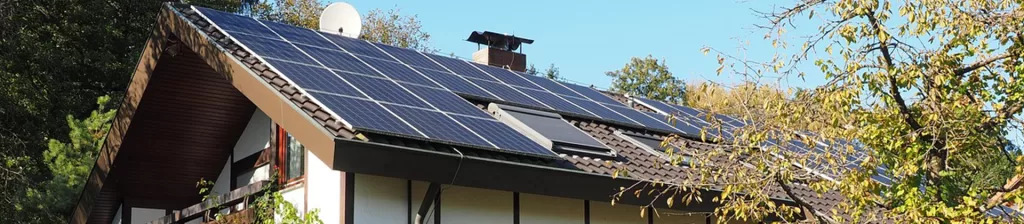
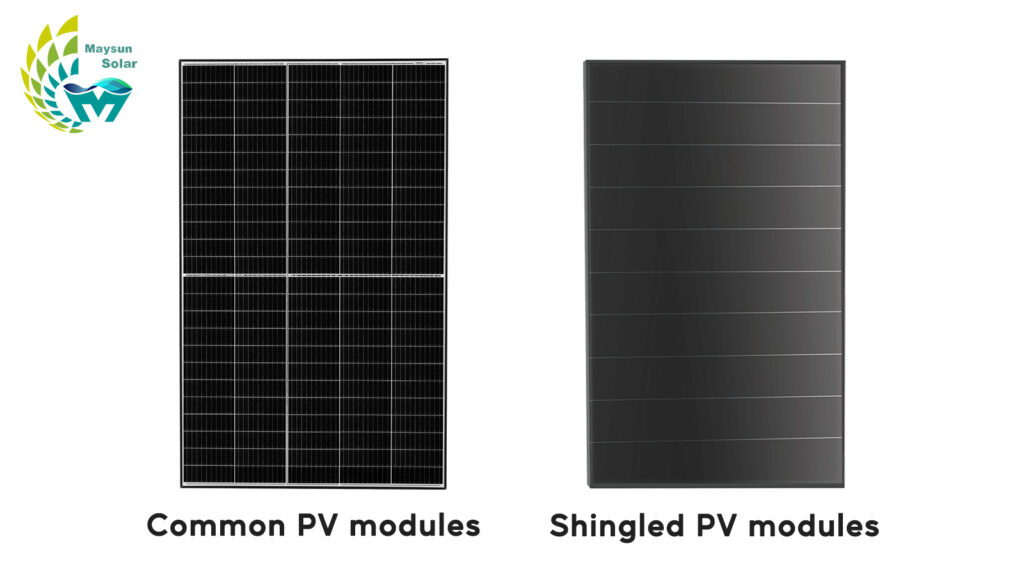
Shingling is a highly innovative technique that offers great potential for achieving significant cell-to-module (CTM) gains in solar panels. This approach eliminates the need for interconnecting ribbons, which means there will be reduced resistive losses. One remarkable aspect of shingled modules is their captivating aesthetic appeal. These modules beautifully resemble panels of coloured glass, making them an exceptional choice for aesthetic building design and the rooftop solar market.
The technical structure of shingled solar panels
In recent years, the solar module market has experienced exciting advancements, embracing a diverse range of cell formats and interconnection technologies, moving beyond the traditional ribbon-based of full-square solar cells. These advancements have led to even greater power outputs!
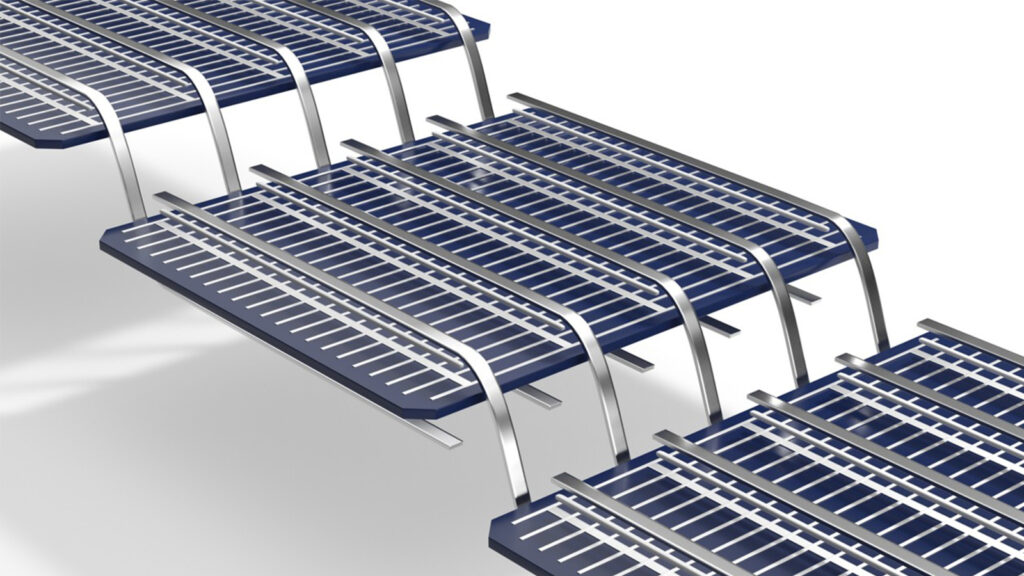
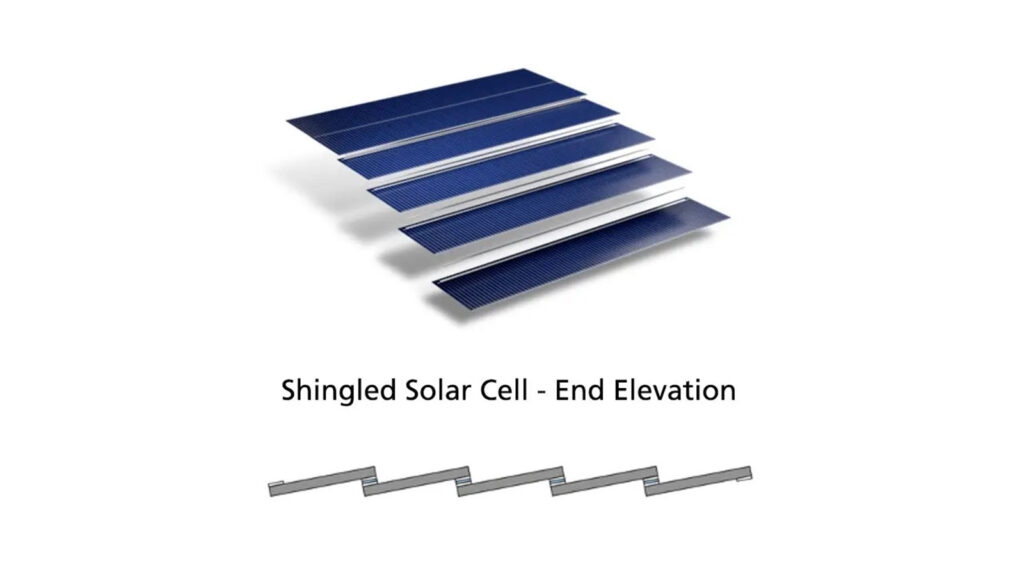
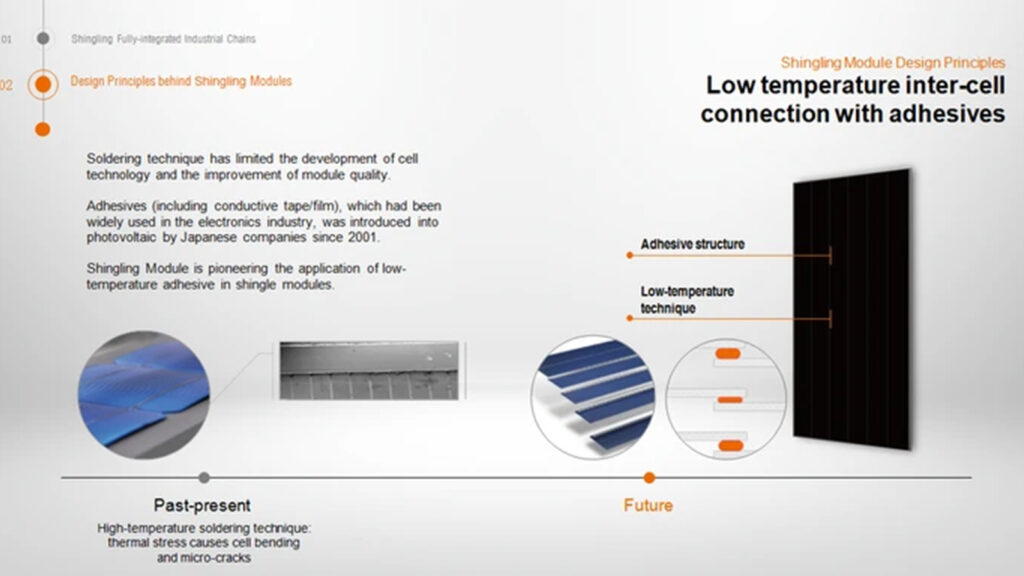
To create shingled cells, a normal full-size high-quality monocrystalline PERC cell is skillfully laser-cut into typically 5 or 6 strips, maximising its potential. The manufacturing process demonstrates its efficiency and precision by skillfully assembling long strings of 34 to 40 solar cells, which are arranged in narrow strips according to the panel size. An electrically conductive adhesive (ECA) is used to join them together, enabling enhanced conductivity and flexibility.
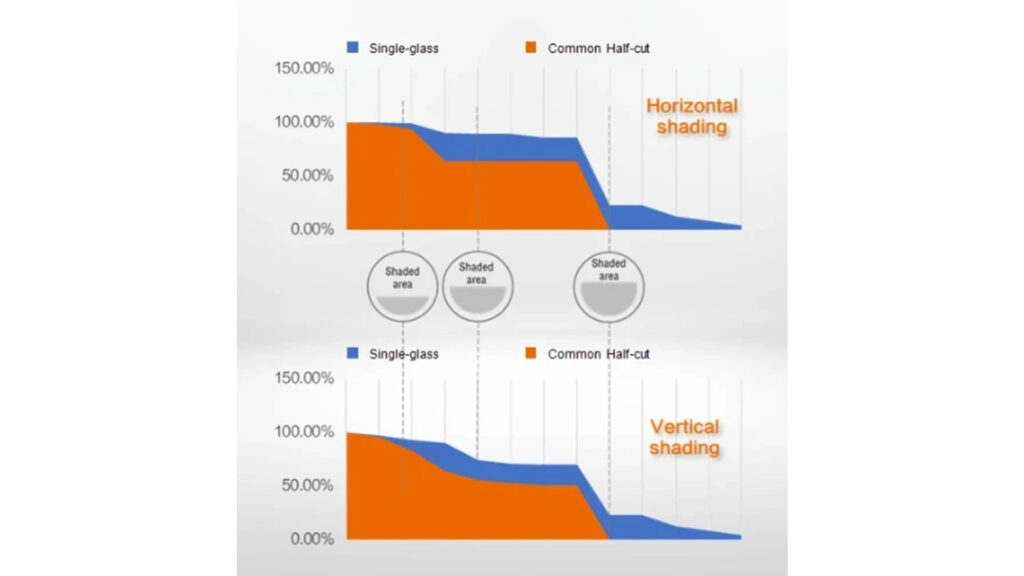
Thanks to this unique structure, shingled solar panels offer even higher production per square metre! The cells in shingled modules extend along the entire length of the module, which enhances performance even under partial shading conditions. modules are also more resistant to hotspots and are more cost-effective to produce.
What are the optimized aspects of shingled solar panels over conventional panels?
Now let’s explore the advantages of shingled solar panels compared to conventional panels. Conventional solar panels utilise a range of solar cells to achieve the desired output. These solar cells are thoughtfully laid out across the panel with spaces between them, allowing for efficient electrical connections using copper busbars through high-temperature soldering processes.
By increasing the number of busbars, we can significantly reduce resistance losses and greatly enhance the efficiency of the electrical connection. That’s why many solar panel manufacturers have wisely chosen to incorporate more busbars. However, having more busbars covering the cells means that more of the solar cells are efficiently utilised, resulting in an optimised output.
In a positive light, shingled cells offer a unique and innovative way of connecting solar panels compared to conventional ones. They don’t need busbars, and the cells can easily be joined together seamlessly. Moreover, the wiring configuration of shingled solar panels brings exciting advancements compared to conventional panels. Shingled panels offer the advantage of being wired in a parallel configuration, which can enhance the efficiency and performance of solar cells compared to conventional panels.
What are the amazing benefits of shingled solar panels?
Enhanced energy harvest:
Increased power per square metre:
Shingled solar cells have the advantage of not needing busbars across the top, which means more cells can be exposed to sunlight. This configuration optimises the spacing between cells, maximising the solar panel area’s energy production potential.
Improved energy efficiency due to shading:
Modern solar panels wired in series have made significant advancements in reducing power output reduction when a part of the panel is shaded. Shingled panels, on the other hand, offer the advantage of being able to be wired in groups and configured in parallel, which greatly reduces losses caused by shading.
Great reliability:
Increased durability:
Shingled solar panels offer the advantage of eliminating the need for approximately 30 metres of busbars and soldered joints found in conventional panels. This reduction in busbars leads to a decrease in busbar failures, promoting a more reliable and long-lasting solar panel system.
Enhanced mechanical performance:
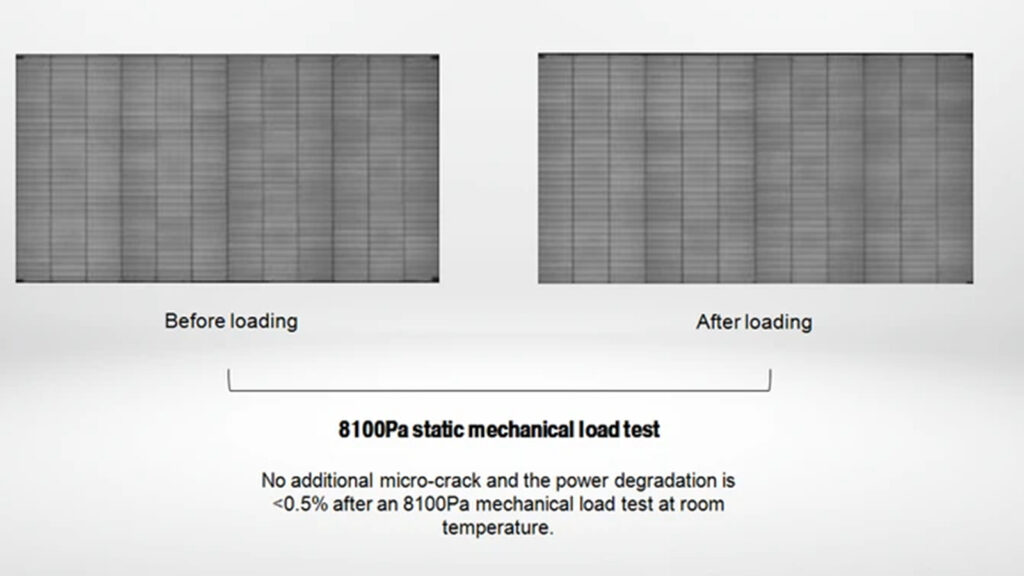
Static and dynamic load tests have demonstrated that the shingle approach provides exceptional resilience against external forces, surpassing conventional solar panels in terms of failure resistance. No additional micro-cracks and power degradation is <0.5% after a mechanical load test of 8100Pa at room temperature.
Lower operating temperature:
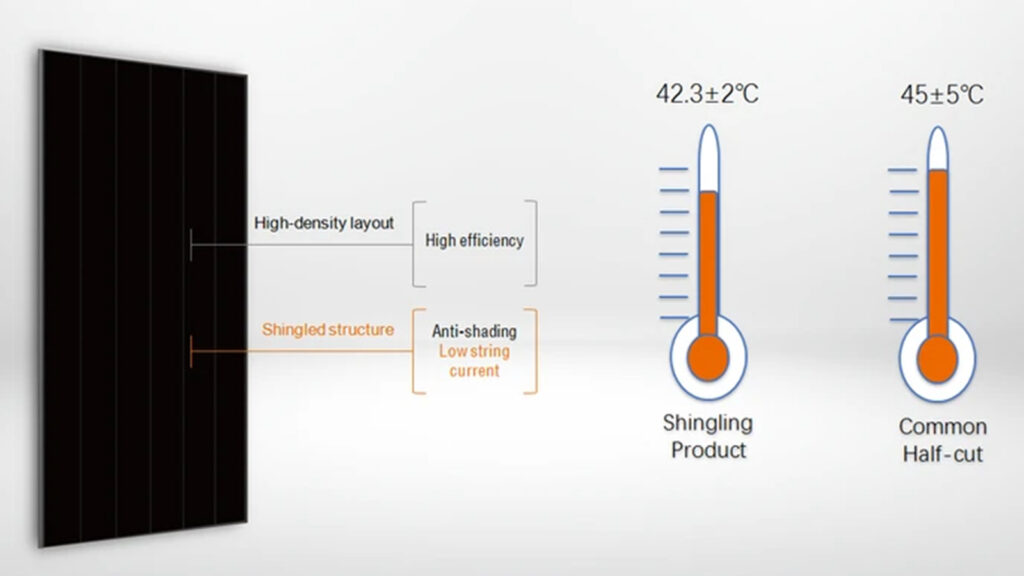
Shingling prodects operate at a lower temperature than normal solar panels and work more efficiently. Shingled solar panels work at a temperature of 42.3±2℃, but common half-cut products work at a temperature of 45±5℃, so the quality of the shingled solar panels is better and the efficiency is higher.
Green and ecological:
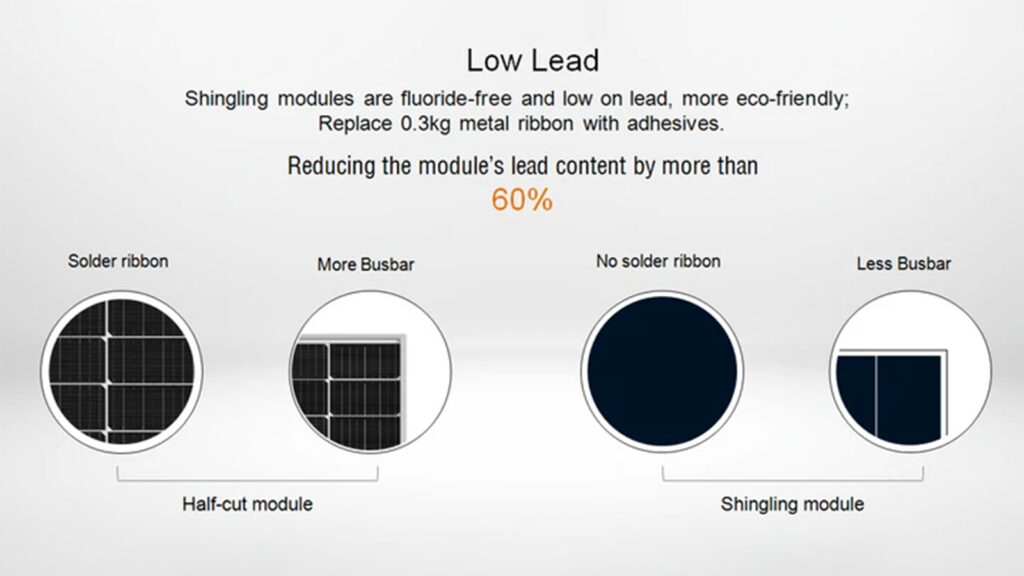
Shingled solar panels are more eco-friendly than ordinary solar panels. Shingled solar panels are fluoride-free and low on lead, they are more eco-friendly and replace 0.3kg metal ribbon with adhesives. They reduce the module’s lead content by more than 60%, use no solder ribbon and use less busbar.
Beautiful aesthetics:
Clean and sleek appearance:
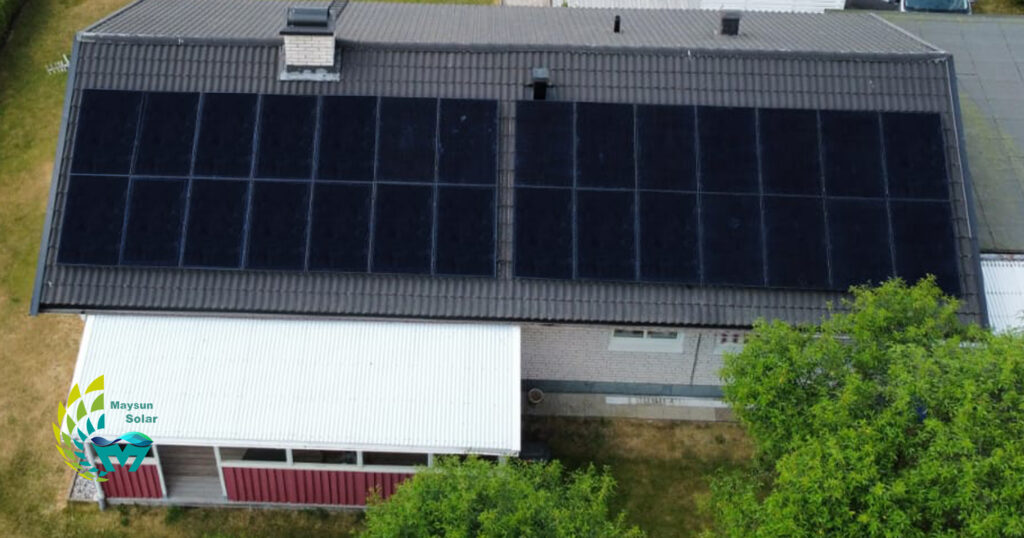
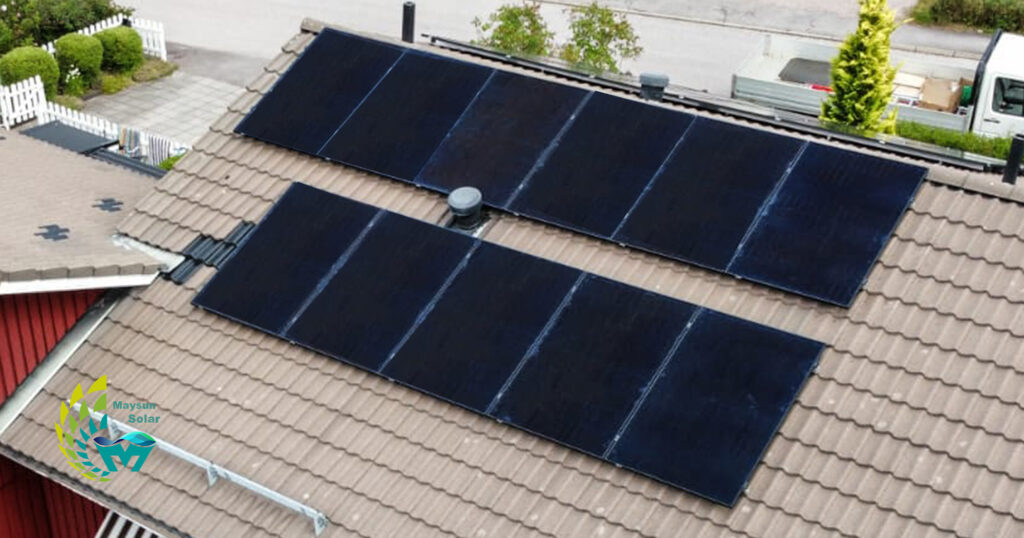
Shingled solar panels feature a streamlined design that eliminates visible circuitry, giving them a modern and attractive look that enhances their street appeal.
Solar panel technology is constantly advancing, and shingled solar panels are at the forefront of this progress. They offer exceptional performance, reliability, and aesthetics, making them the best choice for harnessing solar energy.
Shingled technology is rapidly evolving, and the cost is getting closer to that of conventional modules. These panels are being widely embraced in countries such as Europe, Australia, Korea, and Japan! Maysun Solar, a highly experienced PV module manufacturer with 15 years of industry expertise, proudly offers a diverse range of all-black shingled solar panels in various sizes.
Since 2008, Maysun Solar has specialized in producing high quality photovoltaic modules. We have a wide variety of shingled, half-cut and IBC solar panels to choose from, and they offer superior performance and stylish designs that will blend in perfectly with any building. Maysun Solar has successfully established offices, warehouses, and long-term relationships with excellent installers in numerous countries! Please feel excited to contact us for the latest module quotations or any PV-related inquiries.

Why Do Solar Panels Lose Power in Hot Weather? How Temperature Coefficient and Roof Ventilation Affect Summer Energy Yield
Summer brings stronger sunlight and longer daylight hours, so it is normally one of the most productive seasons for a solar system. However, some system owners notice that solar panel output does not continue to rise during the hottest part of the day.

How to Design a Low-Maintenance Rooftop Solar System
Introduction A low-maintenance rooftop solar system is not created after installation. It is designed before installation. Over a 20–30 year operating life, rising O&M costs are rarely caused by dirty glass alone. They are more often caused by design decisions made at the

European Heatwaves and PV Self-Consumption: Why HJT Solar Modules Perform Better in Hot Summers
Across Europe, summer heatwaves are no longer just a climate or comfort issue. They are becoming an energy-use issue. During hot summer days, air conditioning, ventilation, refrigeration, office equipment and industrial cooling loads can rise exactly when rooftop solar modules are exposed to

Partial Shading on Solar Panels: Why a Small Shadow Can Cause Major Power Losses
Introduction: Shading Is Not Just a Surface Area Problem In a photovoltaic system, a small shadow can be amplified by the electrical structure of the module. In a typical module with three electrical sections, a shaded area covering only a small part of

From Half-Cell to Multi-Cut: Why PV Modules Are Paying More Attention to More Segmented Circuit Design?
Table of Contents In recent years, half-cell modules have become a mainstream design in the photovoltaic market. Compared with traditional full-cell modules, half-cell technology reduces the operating current of each cell unit, lowers internal resistive losses, and improves thermal management and partial shading

Does Summer Heat Reduce Solar Panel Efficiency? What Really Happens to PV Output
Table of Contents Many PV users notice an unusual phenomenon in summer: although sunlight is strongest at noon, the power curve shown in the monitoring app does not reach the expected peak. In contrast, on a sunny spring day, or just after a