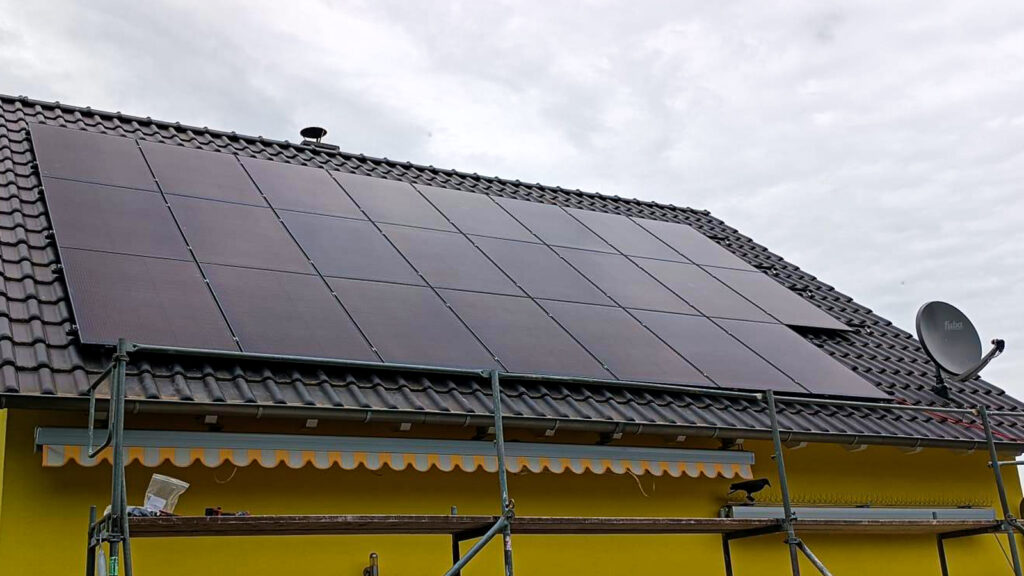
With the rise of renewable energy, solar energy has attracted much attention as a clean and sustainable form of energy. Traditional blue solar panels are functional but somewhat drab in appearance. In recent years, however, black solar panels have been a popular mainstream product in Europe, especially the Nordics. Do you know why?
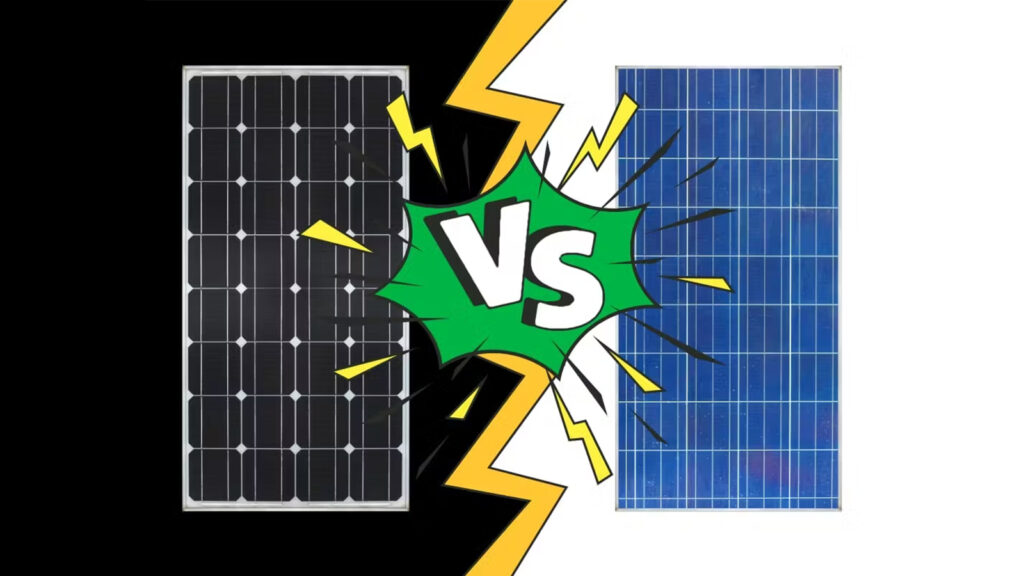
Before discussing this reason, we must first clarify the difference between monocrystalline and polysilicon panels:
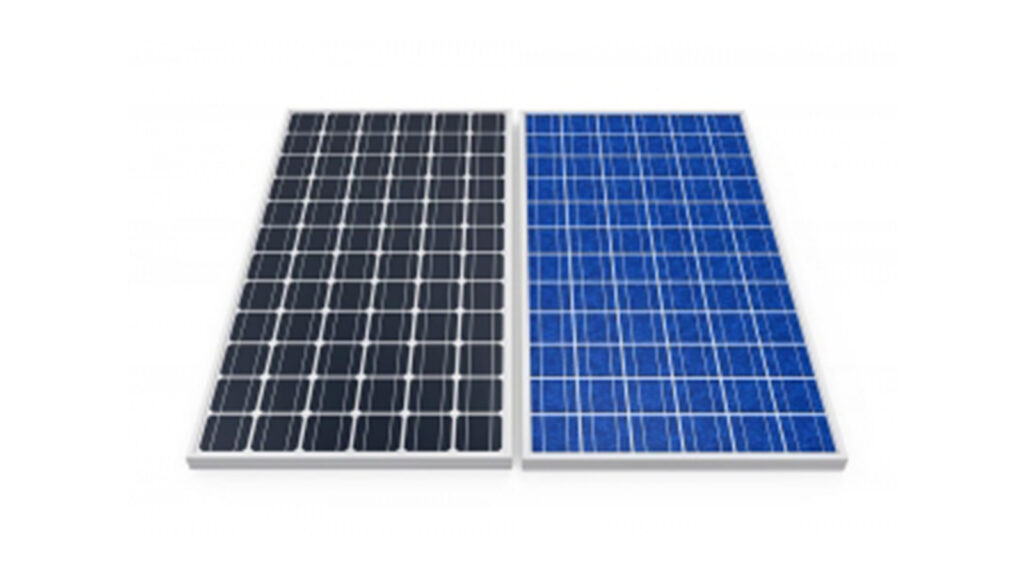
Polycrystalline panels are less efficient because some crystals form during the manufacturing process. These crystals make it harder for electrons to flow through the cell. On the other hand, the lack of crystal formation in mono PERC panels allows electrons to flow easily, making these panels more efficient. Because they are more efficient, they are also more expensive. Also, monocrystalline panels are darker in color, while polycrystalline panels have a traditional blue color.
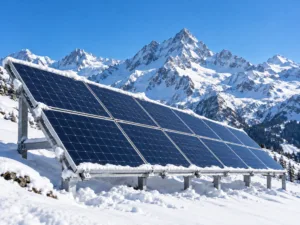
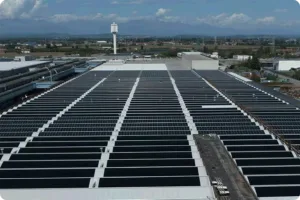
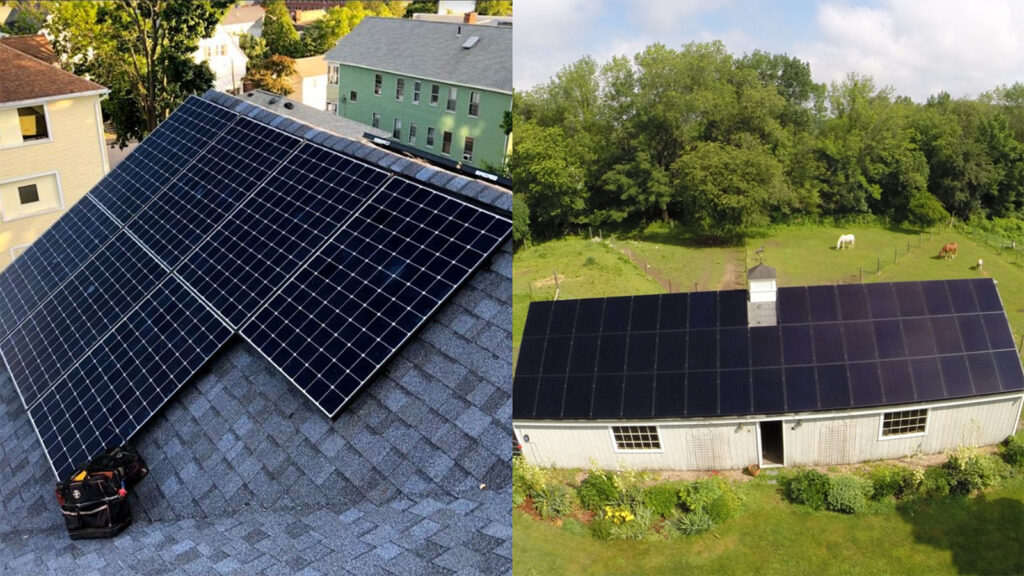
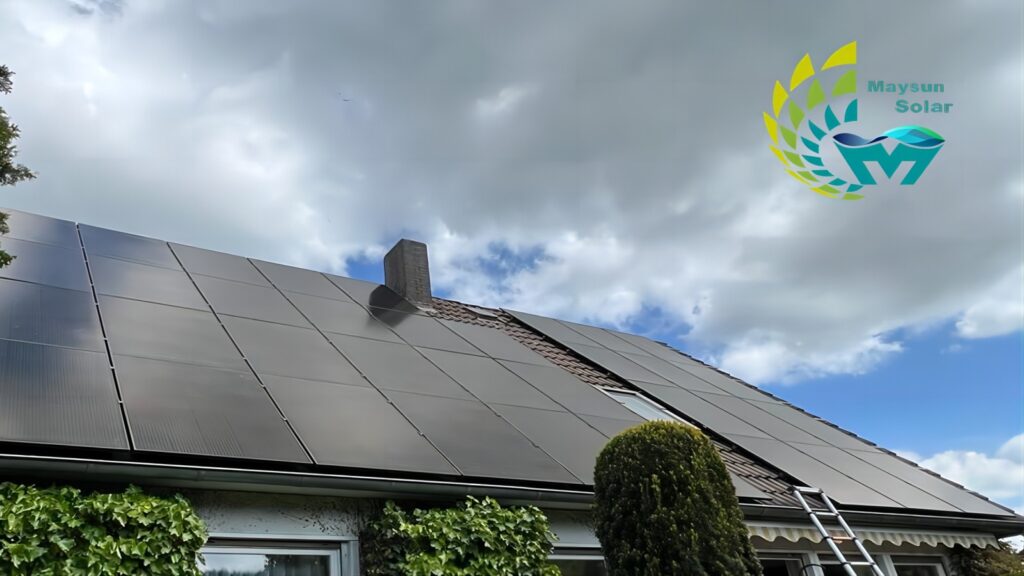
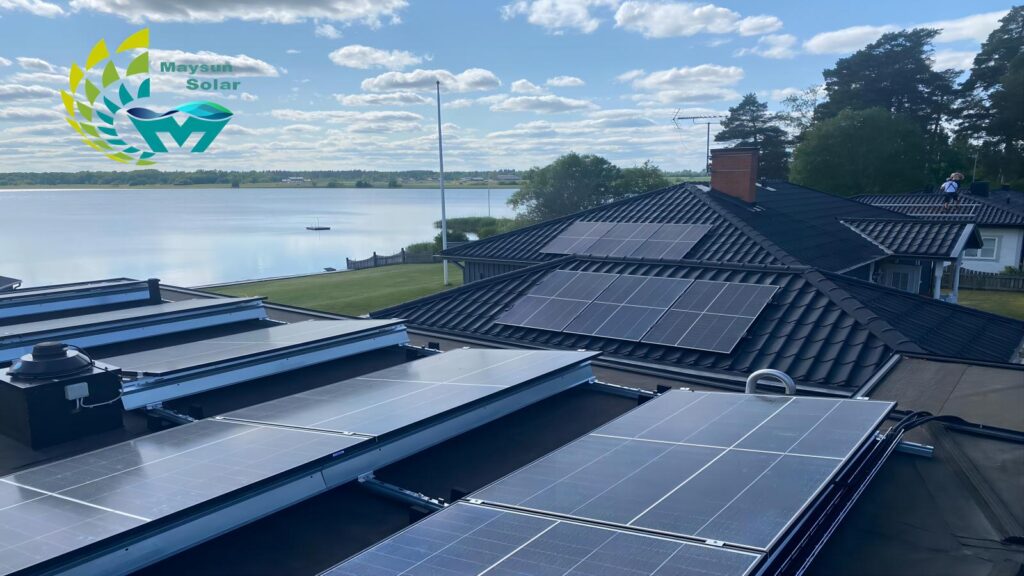
While traditional monocrystalline panels still use black solar panels with white backsheets. Below you can see the difference. The image on the left shows a traditional monocrystalline silicon panel up close. The photo on the right shows the entire array panel with the black sheet, which is full black solar panel.
Advantages of black (monocrystalline) solar panels over polycrystalline solar panels (blue):
Higher efficiency:
In terms of solar panel efficiency, the alignment of silicon crystals makes solar panels more efficient. When installing solar panels, less black solar panels are generally required than blue solar panels, and they will produce the same amount of solar energy, making black solar panels a more viable option for saving space.
absorb more light:
In addition to solar panels being more efficient, black solar panels absorb more sunlight than other types of solar panels. This means that black solar panels are more capable of absorbing more sunlight, which means they will generate more solar energy.
More heat resistant:
Monocrystalline solar panels perform better at high temperatures. In the case of solar cells, the amount of solar power produced decreases as the temperature rises. However, a black solar panel will experience less attenuation of solar output than other types of solar panels.
More beautiful:
For some architectural projects or design styles, black solar panels can provide higher aesthetic requirements. For architects and homeowners who care about appearance and design, black solar panels are a better choice because they are more in harmony with the overall appearance of the building.
Application fields of black solar panels:
Building exterior wall:
black panels can be used as a part of the building exterior wall to add a unique visual effect to the building. This application method not only realizes the utilization of energy, but also endows buildings with more functions and aesthetic feeling.
Building roof:
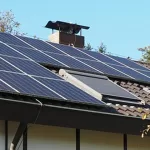
black solar panels can be mounted on roofs to provide electrical support for homes and commercial buildings. Compared with traditional solar panels, the black solar panels are better integrated into the overall design of the building, making the roof no longer just a functional area.
Car roof:
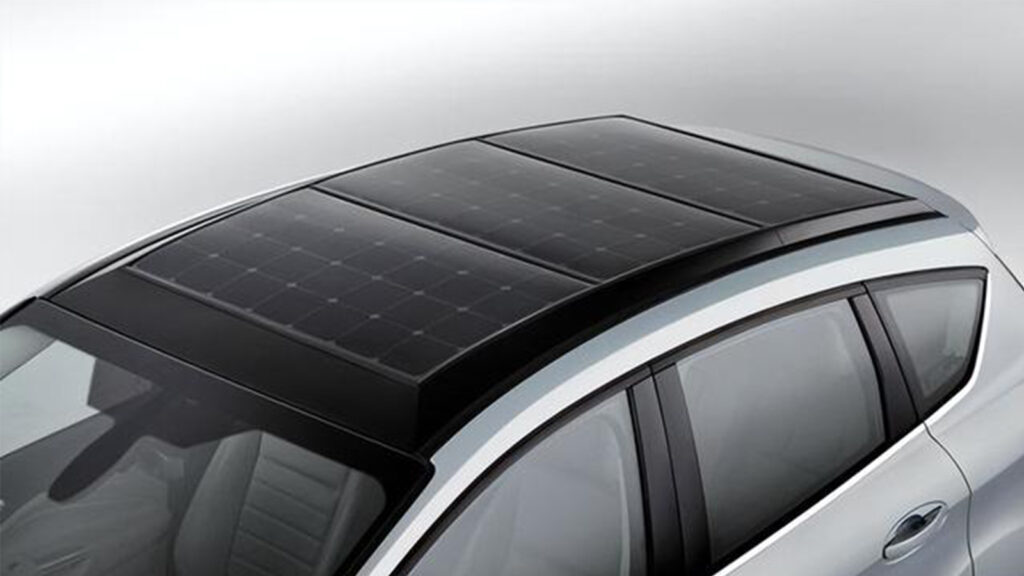
With the popularity of electric vehicles, black solar panels can be applied to the roof of the car to provide additional power supply for electric vehicles, extend the driving range, and reduce dependence on traditional energy sources.
Our company offers a wide selection of photovoltaic panels, including a large number of all black and black frame designs. These photovoltaic panels not only have high-efficiency energy conversion capabilities, but also exhibit an outstanding design. Whether in building-integrated projects or high-end market needs, our photovoltaic panels can meet customer requirements and provide customers with reliable, high-quality solar energy solutions.

August European Solar Industry News
In August 2026, Europe’s solar market combined record PV generation with volatile power prices driven by heat, gas costs and low wind output. Policy support also expanded, including 800 W plug-in solar in Great Britain and greater EU flexibility for PV and storage investments, while module prices largely stabilized amid renewed oversupply.

Industrial Roofs with Limited Load Capacity: Lightweight or High-Efficiency Solar Panels?
On an existing industrial roof, “lighter is better” is not a reliable module-selection rule. The first question is how much additional load the roof can safely accept. Only then does it make sense to compare module weight, power density, mounting method and the

How to Verify Solar Panels Before Buying: Datasheets, Certifications, Warranties and Delivery Inspection
A datasheet, an IEC certificate and a 25- or 30-year warranty can make a solar module look fully validated on paper. For a reliable purchasing decision, however, those documents are only the starting point. The electrical ratings, mechanical design, certificates, connectors, warranty terms

How to Choose Solar Panels for Low-Load-Bearing Industrial Roofs: A Guide to Weight, Power Density and Mounting Systems
Choosing solar panels for a low-load-bearing industrial roof requires more than checking the weight of an individual module. A more reliable process starts by determining the roof’s remaining load-bearing capacity. The complete load from the modules, rails, fasteners and ballast must then be

Why Do Solar Panels Lose Power in Hot Weather? How Temperature Coefficient and Roof Ventilation Affect Summer Energy Yield
Summer brings stronger sunlight and longer daylight hours, so it is normally one of the most productive seasons for a solar system. However, some system owners notice that solar panel output does not continue to rise during the hottest part of the day.

How to Design a Low-Maintenance Rooftop Solar System
Introduction A low-maintenance rooftop solar system is not created after installation. It is designed before installation. Over a 20–30 year operating life, rising O&M costs are rarely caused by dirty glass alone. They are more often caused by design decisions made at the