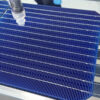
Solar energy is obtained by means of the sun. It has developed rapidly in recent years and has become the most natural renewable energy source. Its potential is almost unlimited. Simply put, the principle of power generation is that the photovoltaic system needs sunlight to generate energy, and consists of multiple photovoltaics connected in series and parallel. However, solar panels can lose efficiency due to several factors, one of which is the hot spot effect, is considered to be one of the common causes of solar panel failure. This problem is quite serious. It will not only affect the production of solar panels, but also affect the safety of solar panels.
What is the hot spot effect?
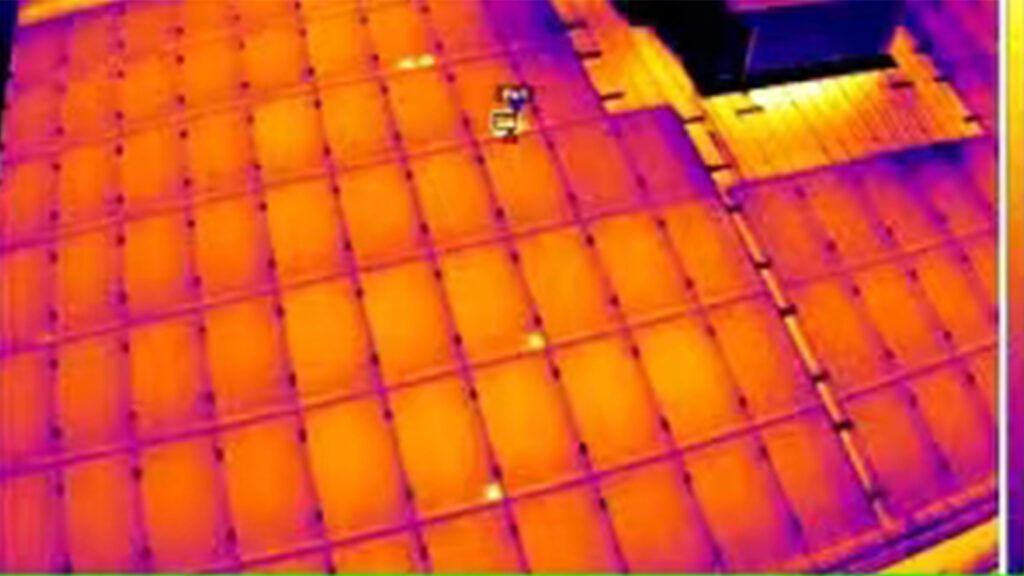
A hot spot on a solar panel is an area that experiences higher temperatures than the rest of the panel. They are common and very difficult to predict. Cell stress can typically reach as high as 150°C, which can lead to permanent and irreversible damage such as glass cracking, cell degradation, etc.
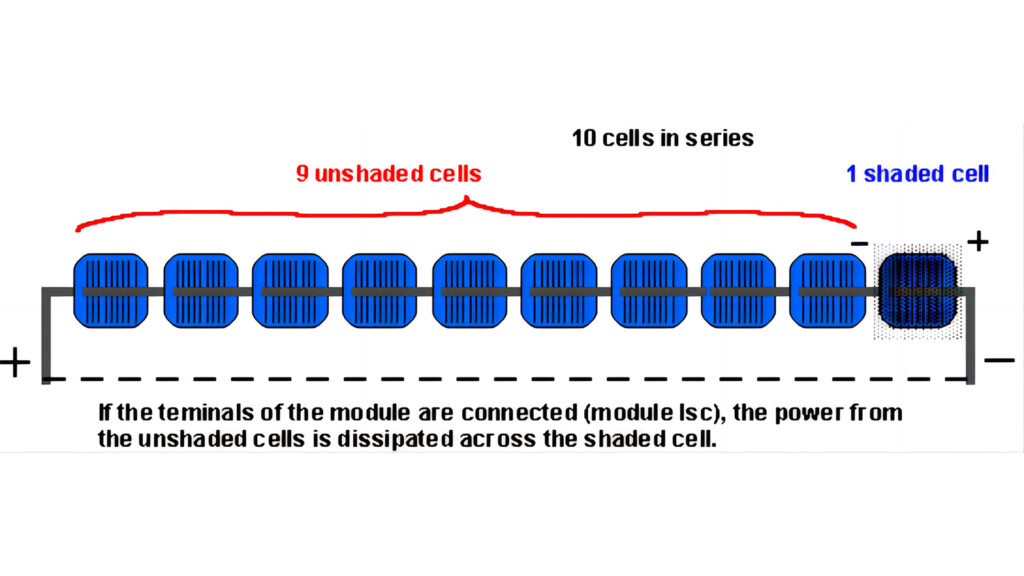
When solar cells are connected in series, this reduces the total current connection in the solar string when one cell is shaded, causing good cells to produce a higher voltage and can often reverse bias bad cells.
A study conducted in the United States analyzed photovoltaic modules operating for 1-3 years to find out the causes of module failure and degradation. Of the 115 modules observed, 22% were damaged due to hot spot effects.
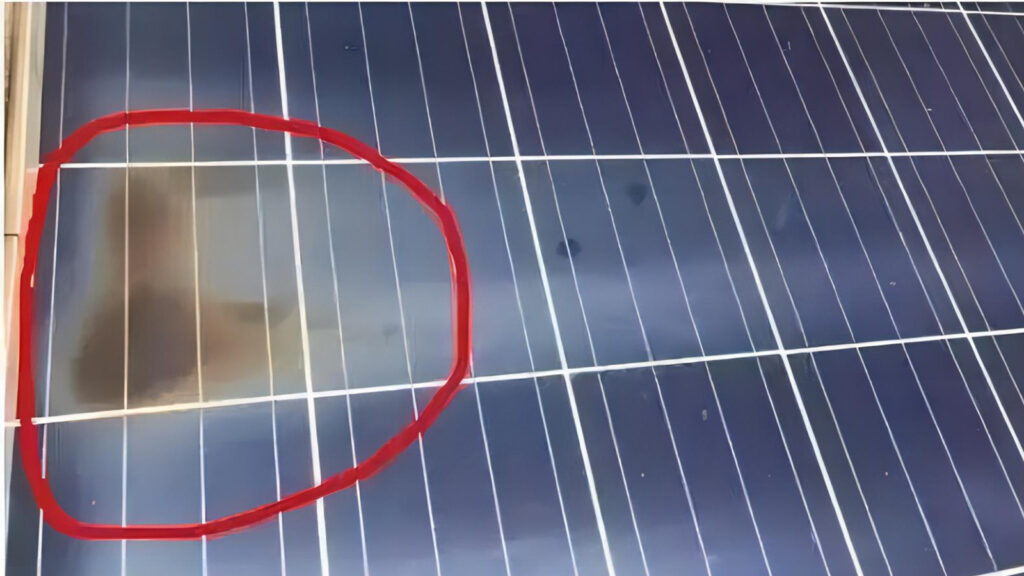
Sometimes, heat spots will show up as brown spots or obvious damage on the surface of the panel. But most of the time, heat spots are invisible to the naked eye. So if you can’t see it, it doesn’t mean it’s not there.
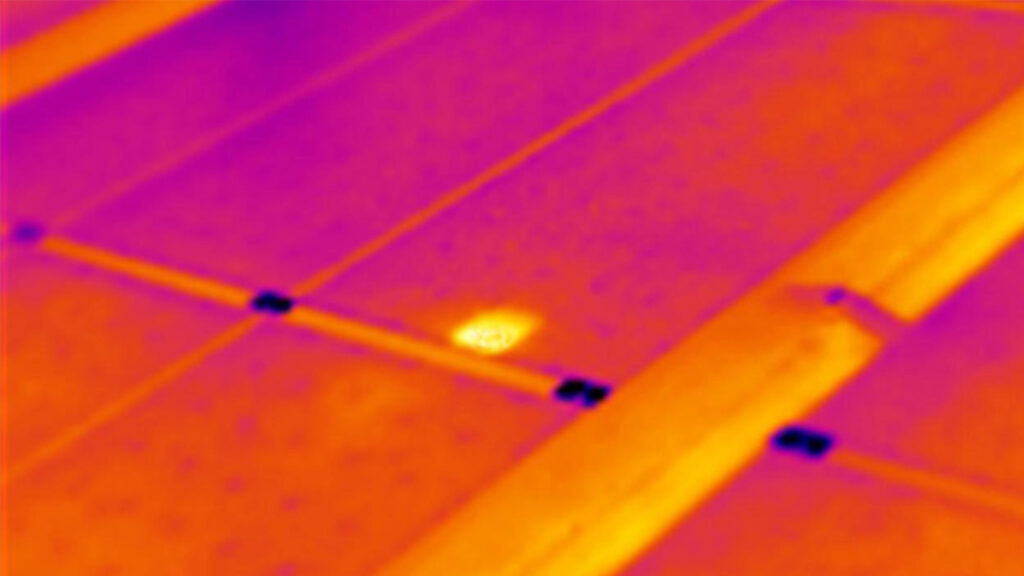
The best way to detect hot spot is through thermal imaging, which can highlight hot spot.
Why does the hot spot effect occur?
Cast Shadows:Objects near or above the panel (such as trees, equipment, buildings, walls, etc.) may cast shadows on the panel.
Dirt: Dirt and deposits such as bird droppings, mud, dirt accumulated in the corners of the panel on the glass surface of the panel will prevent light from entering the cell at that particular point and block it.
- Internal design defects: Selection of inferior components and production errors can lead to solder joint defects, photovoltaic cell defects, etc.
- Structural damage: due to production and quality problems, such as cell alignment defects, lamination problems, or poor welding, and handling of the battery board during installation
- External factors: Damage caused by weather conditions such as snow, hail, lightning, extreme heat or cold.
How to prevent hot spot effect?
1.Select the right company:
Choose a legitimate company and make sure you buy solar panels from a professional and certified company. In addition, such companies offer a wider range of services and more specialized services. The panel material must be of good quality for optimum thermal performance. Because they will usually include information about the product to make it as useful as possible.
Maysun has been producing high-quality photovoltaic modules since 2008. It is a solar panel manufacturer with 15 years of professional experience, and will provide you with very assured photovoltaic products!
2. Install panels at the correct angle:
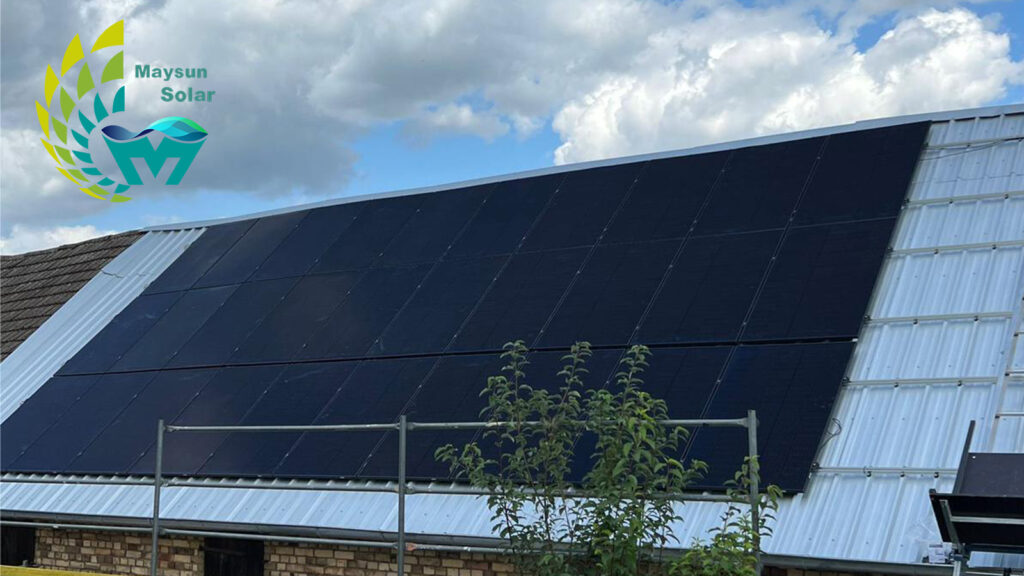
Look at the surrounding environment and sunlight exposure of the location where you want to install the panel and know the best angle for its placement. When installing solar panels, there must be no obstacles. So they shouldn’t be too close to buildings or trees or anything else that might cast shadows.
For instance, if your installation site is in the northern hemisphere, then the correct installation angle for the solar panel is 45 degrees to the south.
Calculation method of installation angle:Azimuth = (peak load time of the day (24 hours) -12) × 15 + (longitude -116)
3. Maintain good airflow:
hot spotare the result of heat buildup within the battery, and lower airflow in the system increases the chance of hot spot.
Excessive heat creates hot spot, so proper ventilation and good airflow are very important to a solar system. In roof installations, it is essential to ensure that there is sufficient space between and under the panels.
4. Panel cleaning and maintenance:
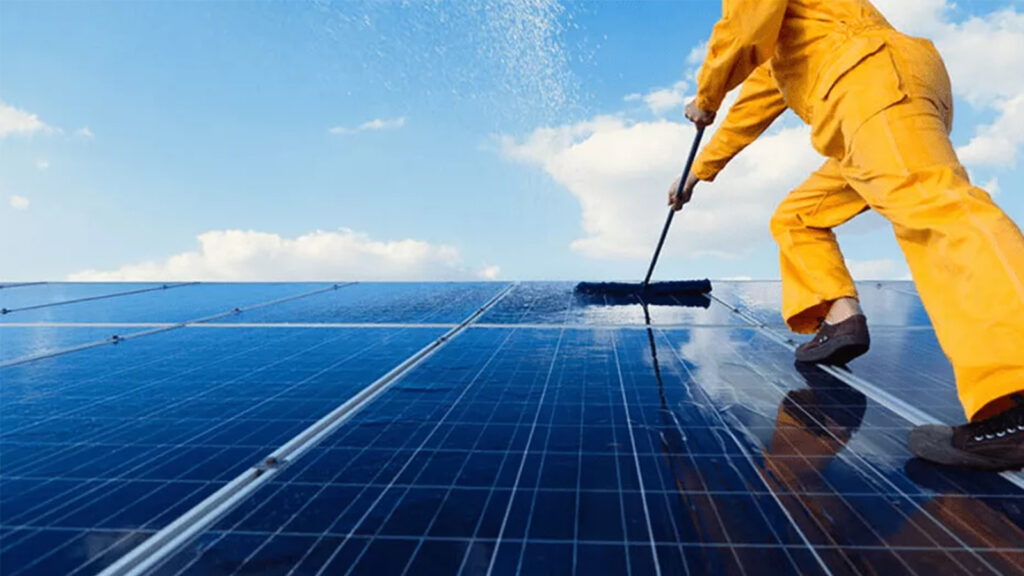
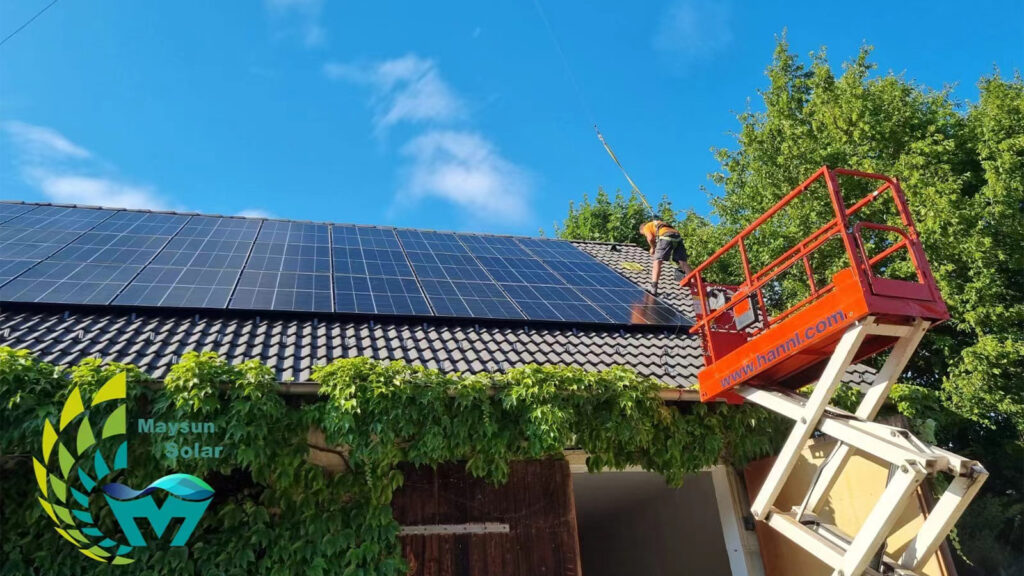
One of the main causes of hot spotis the accumulation of dirt on the panel. Dirty components, such as soil, bird droppings, leaves, water stains and other pollutants that accumulate on the bottom of the panels, can block sunlight from passing through the solar glass and into the cells, creating hot spot. Regular cleaning of the panels will ensure this problem does not occur, reducing the impact.
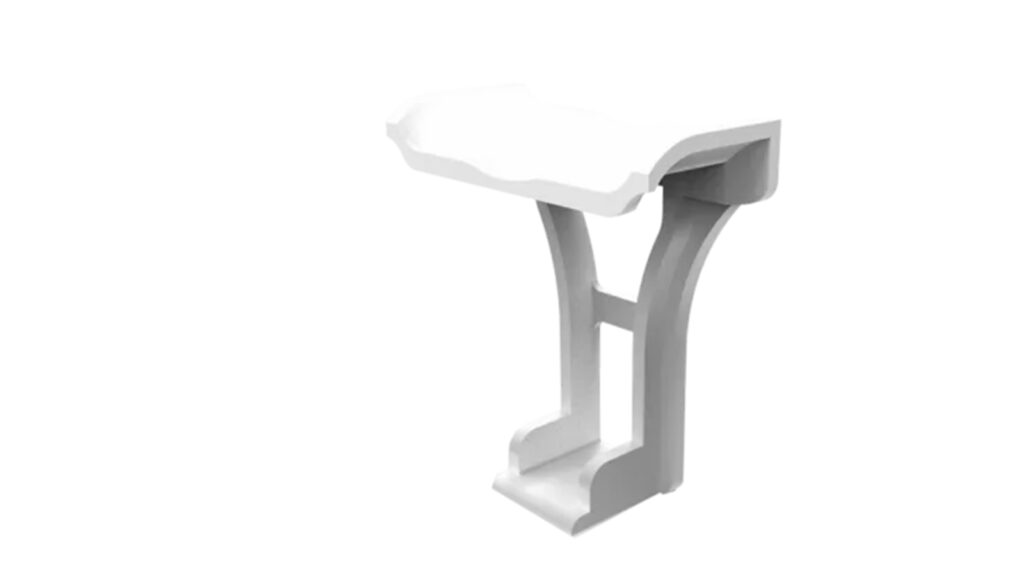
Sometimes, water collects in the corners of the panels and leaves a layer of dirt. This type of dirt can create hot spot that can cause serious problems in the future. To get around this, you can use drain clips like the Aqua Pi.
Mounted on the lower edge of the panel, the unit automatically drains stagnant water to help you clean your solar panels.
5. Full site inspection after installation:
We have determined that rough handling of the module during shipping or installation may result in internal damage. These small dents, scratches, or micro-cracks can turn into big problems in the future.
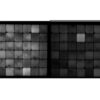
Therefore, a comprehensive on-site inspection is necessary. Electroluminescence imaging (EL) as well as thermal imaging technologies enable developers to examine any risk factors.
Since its establishment in 2008, Maysun has focused on customer needs and provided high-quality services. Efficient, friendly and committed to meeting customer expectations. We are also constantly improving and innovating to ensure customer satisfaction and long-term cooperation.
Maysun will continue to support the innovation and sustainable development of solar power generation. Through continuous research and development and market expansion, we can provide you with high-quality solar panel products without the hot spot effect in the manufacturing process to satisfy consumers Pursuit of clean energy consumption.

Europe’s Grid Cap Era: Why High-Efficiency Solar Panels Matter More in 2026
Introduction In 2026, the economics of distributed solar in Europe are changing. Grid congestion, export limits, negative electricity prices and zero-export requirements mean that a solar project can no longer be judged only by how much electricity it generates. The more important question

How Do Solar Panel Delivery Delays Affect Installer Costs?
Solar panel delivery delays can affect installation schedules, project acceptance and payment collection.

The Forgotten “Invisible Assets”: Why Repowering Is the Strategic Key for European Solar in 2026
As grid congestion delays new solar projects across Europe, existing PV assets are becoming a strategic source of growth. This article explains why PV repowering can help EPCs and C&I asset owners unlock hidden value from already-connected solar plants, improve LCOE, and extend long-term asset performance with high-efficiency TOPCon, IBC and HJT modules.

Solar Panel Procurement in Europe: Why Stable Supply Matters More Than a One-Off Low Price
When European installers, distributors and corporate buyers choose solar panels, a one-off low price should not be the only factor. Stable supply, model continuity, technical documents and replenishment capacity often matter more for long-term cooperation and project delivery.

How Important Is the Temperature Coefficient When Choosing a Solar Panel?
How important is temperature coefficient when choosing a solar panel? This article answers that question directly and explains which projects should include it in early screening and which do not need to treat it as a top priority.

When does HJT bifacial gain pay off on European rooftops, and when is IBC the better option?
When do HJT bifacial solar panels generate stronger returns on European rooftop projects, and when should IBC solar panels take priority?