Over time, the performance of solar panels gradually decreases, a phenomenon known as degradation. Understanding solar panel degradation is crucial for assessing the long-term benefits and reliability of solar power systems.
Types of Solar Panel Degradation: Initial and Long-Term Degradation
Solar panel degradation can be classified into two types: initial degradation and long-term degradation.
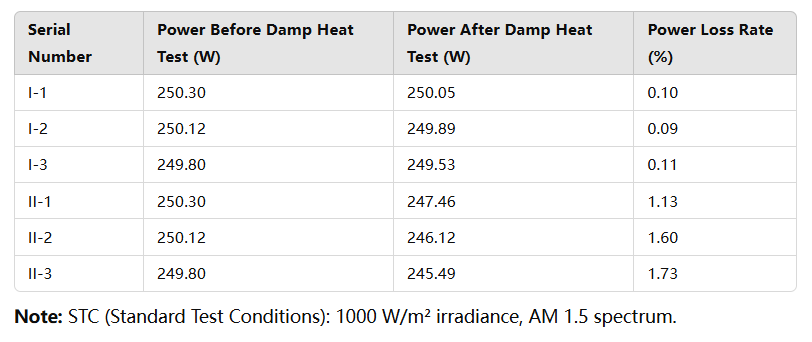
Initial Degradation: This typically occurs within the first few months after the solar panels are installed, and the degradation rate is relatively high. Initial degradation mainly results from unstable factors during manufacturing and the initial operating phase after installation. Generally, the initial degradation rate ranges from 1% to 3%.
For example, if a solar panel has an initial power output of 300 watts, and the degradation rate is 2%, its output could drop to 294 watts.
Long-Term Degradation: After a few years of use, the degradation rate slows down. Long-term degradation is influenced by various factors, including the material quality, manufacturing process, environmental conditions (such as temperature, humidity, and sunlight intensity), and daily maintenance.
Under normal operating conditions, the average annual long-term degradation rate for crystalline silicon solar panels typically ranges from 0.5% to 0.8%. For instance, if a solar panel has an initial power output of 300 watts and a long-term degradation rate of 0.7%, after 10 years, its power output would be approximately 207 watts.
Factors Affecting Solar Panel Degradation
Environmental factors play a significant role in solar panel degradation. Some common factors include:
- High Temperature: High temperatures accelerate solar panel degradation. If solar panels operate in environments that exceed the standard working temperature (usually 25°C), the degradation rate may increase by 0.03% to 0.05% per degree Celsius. For example, if the solar panel operates in an environment of 50°C (a 25°C increase), the degradation rate could rise to approximately 1.45% per year.
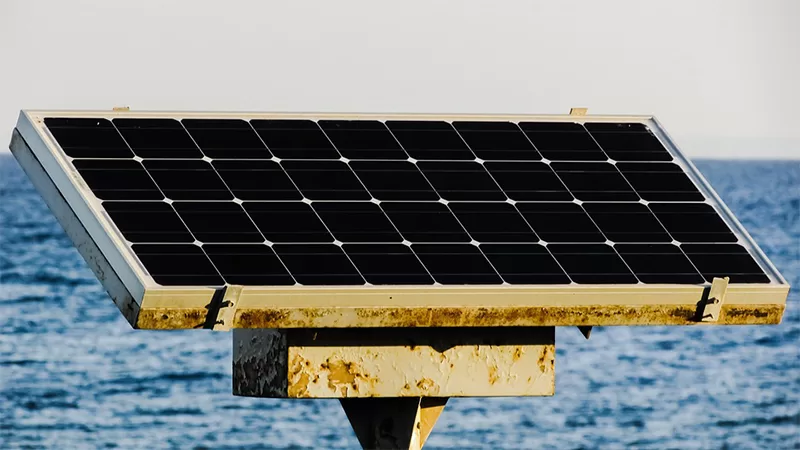
- Humidity: In high-humidity environments, moisture may penetrate the solar panel, leading to the aging of encapsulation materials and the corrosion of cells, which can accelerate degradation. In environments with humidity above 80%, the degradation rate may increase by 0.2% to 0.3% annually.
Dust and Dirt: Accumulation of dust and dirt can reduce the amount of sunlight the solar panels receive, leading to a decrease in power output. If the solar panel surface is 20% covered with dust, the output could drop by 30% to 40%.
How to Delay Solar Panel Degradation
To reduce solar panel degradation, the following measures can be taken:
- Regular Cleaning: Ensure that the solar panel surface is free from dust and dirt to maintain its light absorption efficiency.
- Optimize Installation Location: Avoid installing solar panels in high-temperature or high-humidity environments. Choose an appropriate location to minimize environmental factors that contribute to degradation.
Regular Maintenance and Inspection: Periodically check the condition of the solar panels and address any potential degradation issues promptly to maintain the system’s high efficiency.
Conclusion
Solar panel degradation is a complex process influenced by a variety of factors. When designing and installing a solar power system, it is essential to consider these factors thoroughly. Selecting high-quality, reliable solar panels and ensuring regular maintenance and cleaning can slow down the degradation rate, extend the lifespan of the solar panels, and maintain high power output efficiency.
Since 2008, Maysun Solar has been dedicated to producing high-quality photovoltaic modules that contribute to combating climate change. Our advanced technology in IBC, HJT, TOPCon panels, and balcony solar stations ensures exceptional performance and reliability, capable of withstanding harsh weather conditions for long-term operation. We have established offices and warehouses in multiple countries and built lasting partnerships with top installers to provide comprehensive support. For the latest quotes or any inquiries related to photovoltaics, feel free to reach out to us—we’re here to help!

How Important Is the Temperature Coefficient When Choosing a Solar Panel?
How important is temperature coefficient when choosing a solar panel? This article answers that question directly and explains which projects should include it in early screening and which do not need to treat it as a top priority.

When does HJT bifacial gain pay off on European rooftops, and when is IBC the better option?
When do HJT bifacial solar panels generate stronger returns on European rooftop projects, and when should IBC solar panels take priority?

Which homes are suitable for garden solar?
Which homes are suitable for garden solar? Assess space, shading, orientation and electricity-use goals to quickly judge whether garden solar is a suitable option.

Are Differences Between Solar Panels More Noticeable in High-Temperature Conditions?
High temperatures reduce solar panel efficiency, but the gap in summer power generation is not determined by temperature alone. This article compares the high-temperature performance of HJT, TOPCon and IBC, and explains how businesses should choose.

Why Have N-Type TOPCon Solar Panels Become the Market Mainstream?
N-type TOPCon solar panels have become one of the mainstream photovoltaic technologies thanks to their strong balance of efficiency, cost and mass-production maturity. This article briefly explains their structural features, practical advantages and typical application scenarios.

April News from the European Solar Industry
The European solar market is showing clear signs of recovery: system value is being reaffirmed, German auction prices are stabilising, Italy’s rules are becoming clearer, and revenue certainty in France is improving.