
Component failure
1. Hot spot effect
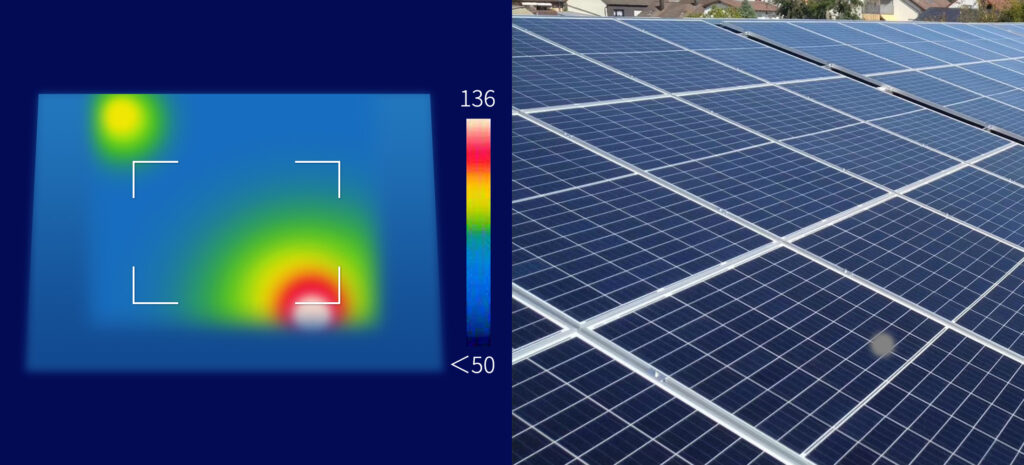
This refers to a certain condition, in the power generation state of the photovoltaic module series branch circuit is blocked or defective area is used as a load, consumption of other light area generated energy, resulting in local overheating, this phenomenon is known as the photovoltaic module “hot spot effect”
Solution:
Minimize glass bending when handling modules
regularly check the surface of the module for foreign objects
Regularly check the bypass diode and temperature test in the solar panel junction box
keep the surface of the solar module clean
2. Solar module junction box failure
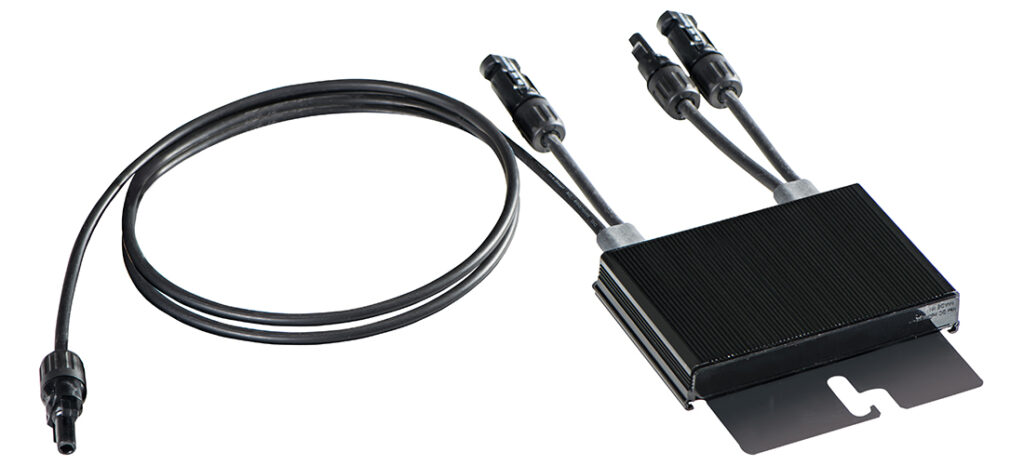
Solar modules in operation, junction box diode breakdown heat burn loss, convergence with open weld burn and serious cases the entire junction box burn, no power output
Solution:
suggest the junction box reserved for expansion connection seat
installation of different specifications of the diode, you can always change the maximum working current of the junction box
recommended in the junction box box cover set up air valve, used to export the internal heat of the junction box, or increase the heat sink
regularly check the operating condition of the junction box and temperature test
Inverter failure
1. Inverter screen does not display
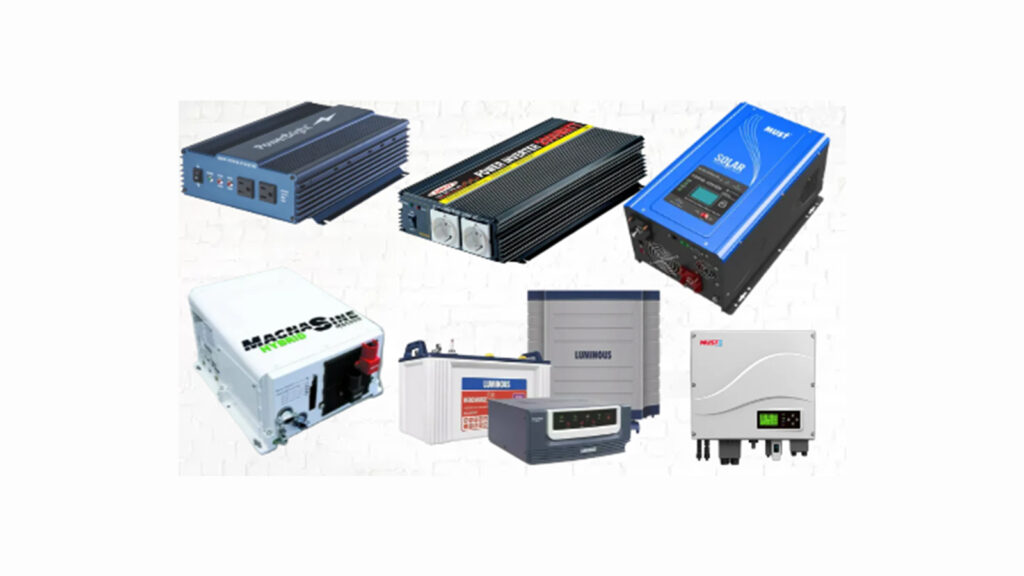
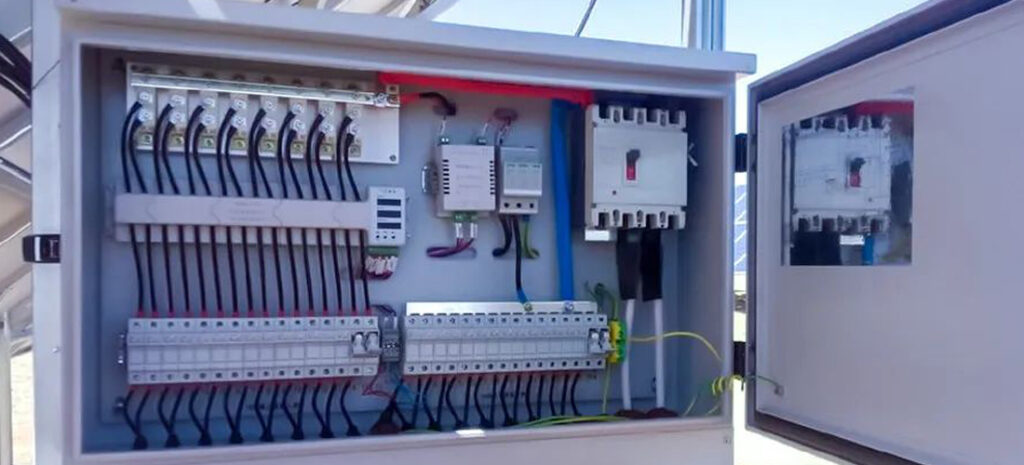
Analysis of the fault, there is no DC input, the inverter LCD is DC powered, it may be that the DC switch is not closed, or a component has a short circuit.
Solution:
Use a multimeter voltage file to measure the inverter DC input voltage. When the voltage is normal, the total voltage is the sum of the voltage of each group. If there is no voltage, you need to test the DC switch, terminals, cable connectors and components in turn to see if they are normal. If it is a multiplex component, it should be separately accessed and tested separately.
If the inverter is used for a period of time and no reason is found, the inverter hardware circuit is malfunctioning, please contact the company after-sale.
2. Inverter hardware failure
Inverter circuit board, detection circuit, power circuit, communication circuit and other circuits are faulty, or fan or blower is faulty.
Solution:
If the above hardware failure occurs in the inverter, please disconnect all the DC and AC terminals and let the inverter power down for more than 30 minutes. If you can recover it by yourself, continue to use it, if not, contact the after-sales technical engineer. Normally, you need to clean the inverter regularly and strengthen the inverter operation monitoring.
System output power does not reach the ideal power
There are many factors affecting the output power of PV power plant, including the amount of solar radiation, the tilt angle of solar cell modules, dust and shadow blocking, and the temperature characteristics of the modules.
The common solutions for low system power due to improper system configuration and installation are:
Before installation, test each module for sufficient power.
Adjust the mounting angle and orientation of the modules.
Check the components for shadows and dust.
Check if the voltage is within the voltage range after the components are connected in series, too low voltage will reduce the system efficiency.
Before installing multi-way string, check the open circuit voltage of each string, the difference is not more than 5V, if you find the voltage is not right, check the line and connectors.
installation can be accessed in batches, each group of access to record the power of each group, the power difference between the strings does not exceed 2%.
The installation place is not well ventilated, and the inverter heat is not spread out in time, or exposed to the sun directly, causing the inverter temperature to be too high.
inverter has double MPPT access, each way input power is only 50% of the total power, in principle, each way design installation power should be equal, if only connected to one way MPPT terminal output power will be cut in half.
cable joints poor contact, cable is too long wire diameter is too thin have voltage loss finally caused by power loss.
PV plant grid-connected AC switch capacity is too small to meet the inverter output requirements.
Maysun Solar, as a PV module manufacturer with 15 years of professional experience, can provide you with high quality solar panels, click the button below to contact us and get a product quote.
You may also like:

How to Size a Commercial Rooftop Solar System: A Practical Guide for EPCs
For commercial and industrial (C&I) rooftop solar projects, the maximum number of panels a roof can accommodate does not necessarily determine the most suitable system size. A factory may have sufficient roof space for a large PV installation, but its electricity consumption, grid
5400 Pa Snow Load: How to Choose PV Modules with 30 mm or 35 mm Frames
For PV projects in Alpine and other high-snow-load regions in Europe, selecting a module based only on a “5400 Pa” rating or a 30 mm vs 35 mm frame height is not enough. A more reliable approach is to first determine the project-specific snow load
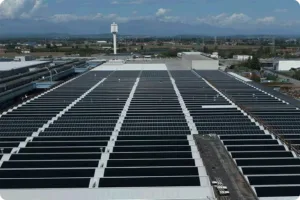
Carbon Footprint and LCA in European C&I Solar: Why EPCs Should Check Before Module Procurement
Solar power is widely regarded as a low-carbon energy source. However, generating electricity from solar energy and manufacturing a low-carbon solar module are not quite the same thing. Before a photovoltaic module leaves the factory, it passes through multiple manufacturing stages, including silicon
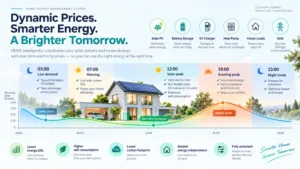
HEMS and Dynamic Electricity Pricing: From Solar Generation to Smart Energy Management
For years, home solar systems have focused on one main question: How much electricity can my rooftop solar system generate? But as home batteries, smart meters, electric vehicles and flexible electricity tariffs become more common, residential energy management is entering a new phase.

Maysun Solar’s First 3.5 MW Solar EPC Project in Italy Enters Its Final Stage
A large-scale commercial and industrial rooftop solar project with a total capacity of approximately 3.5 MWp is now entering its final stage in the Turin area of Piedmont, Italy. Around 8,000 solar modules planned for the project have now been fully installed.
August European Solar Industry News
In August 2026, Europe’s solar market combined record PV generation with volatile power prices driven by heat, gas costs and low wind output. Policy support also expanded, including 800 W plug-in solar in Great Britain and greater EU flexibility for PV and storage investments, while module prices largely stabilized amid renewed oversupply.