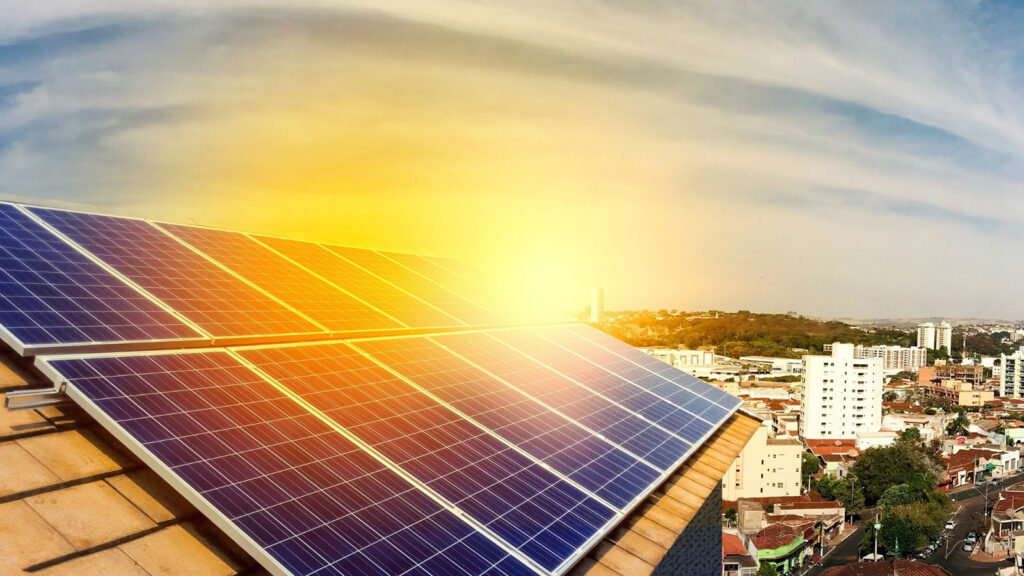
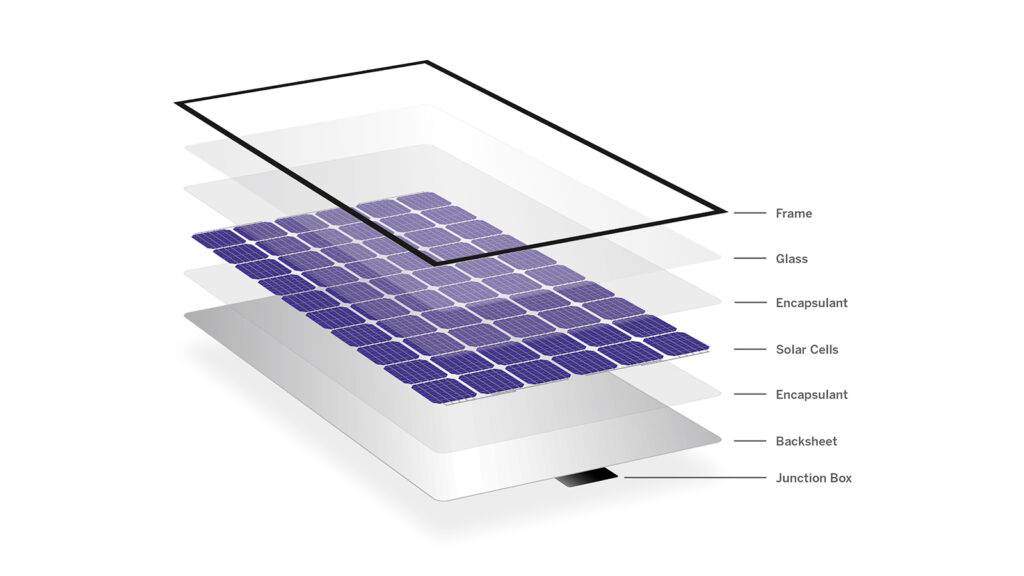
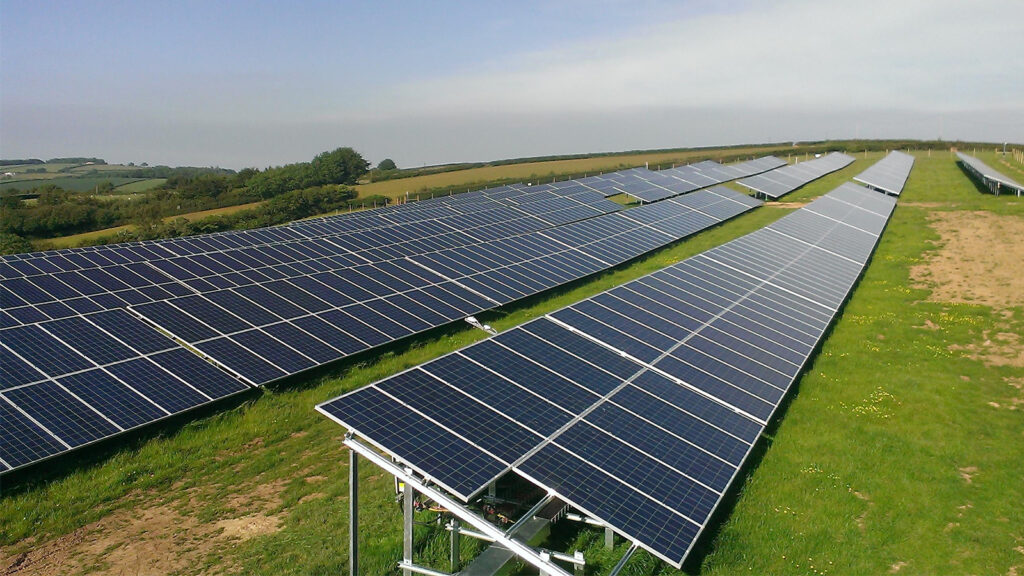
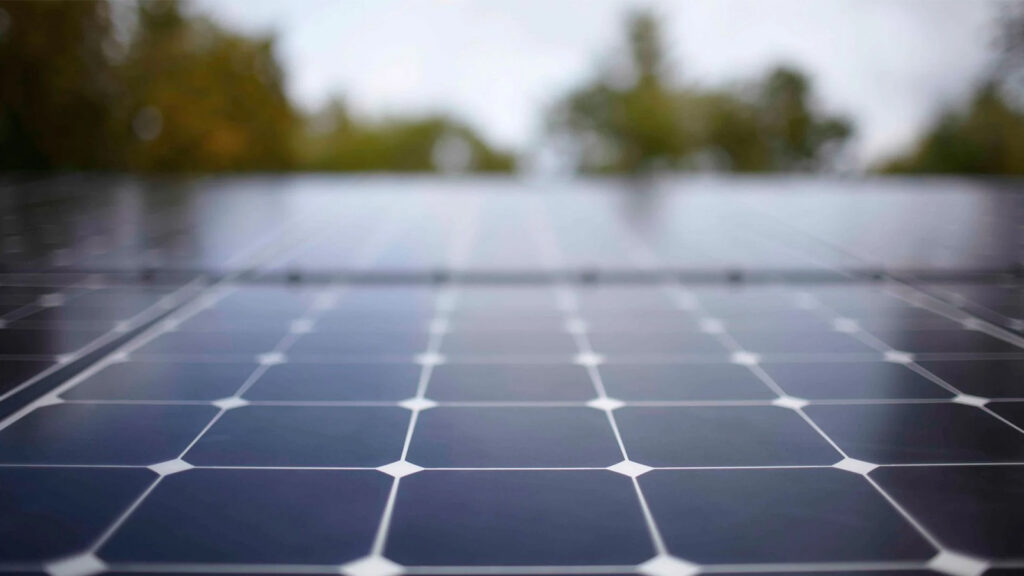
The composition of photovoltaic panels is a technological product consisting of cell, EVA backing, glass panels and other components pressed together. Everyone should pay attention to the protection of PV panels during the process of purchase and transportation and installation, otherwise it will cause the breakage of the glass of PV panels, which will lead to unnecessary loss of cost. Then this article will list some of the reasons that will cause the glass backsheet of photovoltaic panels to break, in order to cause everyone to pay attention to the protection of photovoltaic panels.
Characteristics of photovoltaic glass panels:
Photovoltaic glass has a high solar transmission ratio, low absorption ratio, low reflection ratio and high strength. The quality of photovoltaic glass directly determines the product performance, efficiency and life of photovoltaic modules, so the technical certification of photovoltaic glass is more stringent and complex.
Reasons for glass backsheet cracking:
1. Construction factors
During the operation of photovoltaic, handling photovoltaic modules in the process, the surface of the components accidentally encountered sharp objects.
The construction and installation of the power station construction period is not standardized, bumping components.
When adjusting the installation position of the PV module, the wrong method of knocking the module is used.
2. Environmental factors
Mountain photovoltaic power station due to the complexity of the terrain, the mountain has fallen rocks fall, hitting the component glass.
Part of the land nature is soft, bracket foundation sinking, resulting in bracket deformation, due to bracket through the pressure block and component fixed, the component is subject to stress, the edge frame extrusion caused by glass shattering.
There are sandstorm bad climate places, if the whole bracket foundation is not particularly solid, the components are easy to be lifted up, after falling caused the whole glass shattered.
3. Component factors
Components are made of tempered glass, there is a certain self-destruct rate. In addition, if there are quality defects, such as stones, impurities, bubbles and other defects, especially impurities in the glass, is the weak point of tempered glass, is also a stress concentration, thermal expansion and contraction of the harsh environment, prone to self-explosion; despite this, the industry also has some conventional wisdom, part of the battery component manufacturers to face the objective reality, allowing glass suppliers to provide tempered glass has a certain rate of self-explosion (generally 0.03%).
In addition, if there is a hot spot effect inside the module, resulting in high local temperature, long-term down the module glass will also produce self-explosion.
4. Other factors
Installed in the countryside and rural photovoltaic projects, distributed power plants, etc., there are often children playing and playing in the vicinity, may cause the glass to break.
The danger of broken glass backsheet
After the glass is broken, the safety protection performance of the PV module is reduced, and water vapor, moisture and rainwater can easily enter and cause internal short circuit, which seriously affects the operation safety of the power station.
Maysun Solar produces PV modules with specially toughened glass. The tempering of the glass is to increase the strength of the glass to resist the impact of wind, sand and hail, and to play a role in long-term protection of solar cells. Tempering of panel glass is done by heating the glass to about 700°C in a horizontal tempering furnace and cooling it quickly and evenly using cold air to create uniform compressive stress on the surface and tensile stress on the inside, effectively improving the bending and impact resistance of the glass. After tempering the panel glass, the strength of the glass can be increased by 4 to 5 times compared to ordinary glass.
Maysun, as a professional PV module manufacturer with 15 years of experience, has a wide range of high strength PV panels, welcome to click the button to inquire or browse our products.
You may also like:

Low-Carbon PV Procurement in France: Why ECS, PEP Ecopassport and Solar Carports Matter
Table of Contents France is becoming one of Europe’s most documentation-driven solar markets. For EPC companies, developers and commercial project owners, module selection is no longer based only on price-per-watt, efficiency or linear power warranties. Carbon documentation, supply-chain traceability and project-specific compliance files

PV Module Installation Beyond Rooftops: Multi-Scenario Applications for Bifacial N-Type Modules in Europe
PV module installation is not limited to rooftops. For residential users, small commercial users and distributed PV projects in Europe, spaces such as balconies, gardens, fences, carports, terraces, façades and pergolas can also provide additional installation areas when conditions allow. As solar use

Europe’s Grid Cap Era: Why High-Efficiency Solar Panels Matter More in 2026
Introduction In 2026, the economics of distributed solar in Europe are changing. Grid congestion, export limits, negative electricity prices and zero-export requirements mean that a solar project can no longer be judged only by how much electricity it generates. The more important question

How Do Solar Panel Delivery Delays Affect Installer Costs?
Solar panel delivery delays can affect installation schedules, project acceptance and payment collection.

The Forgotten “Invisible Assets”: Why Repowering Is the Strategic Key for European Solar in 2026
As grid congestion delays new solar projects across Europe, existing PV assets are becoming a strategic source of growth. This article explains why PV repowering can help EPCs and C&I asset owners unlock hidden value from already-connected solar plants, improve LCOE, and extend long-term asset performance with high-efficiency TOPCon, IBC and HJT modules.

Solar Panel Procurement in Europe: Why Stable Supply Matters More Than a One-Off Low Price
When European installers, distributors and corporate buyers choose solar panels, a one-off low price should not be the only factor. Stable supply, model continuity, technical documents and replenishment capacity often matter more for long-term cooperation and project delivery.