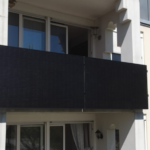
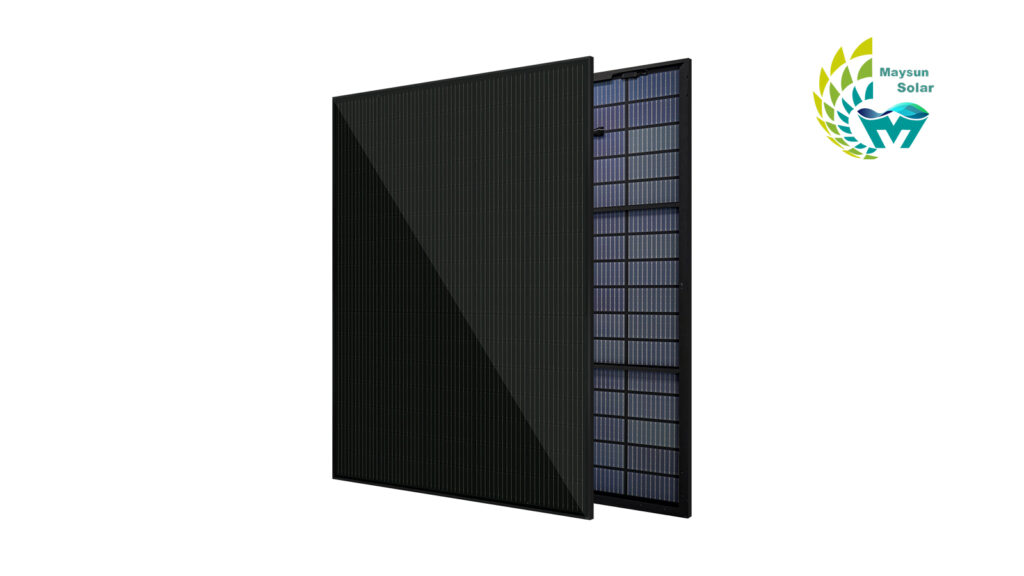
Leading solar solutions provider Maysun Solar has partnered with renowned microinverter manufacturer Hoymiles to showcase their latest innovations in the renewable energy industry. The result of this strategic partnership is the Venusun S, a complete 800 W balcony PV system.
All-in-One Project
The Venusun S is designed to provide a more applicable, complete and effective solution for residential and commercial spaces with limited roof space. This unique system combines Maysun Solar’s expertise in solar module technology with Hoymiles’ advanced microinverter technology, resulting in a compact and efficient all-in-one solar solution.
Unique and advantageous performance
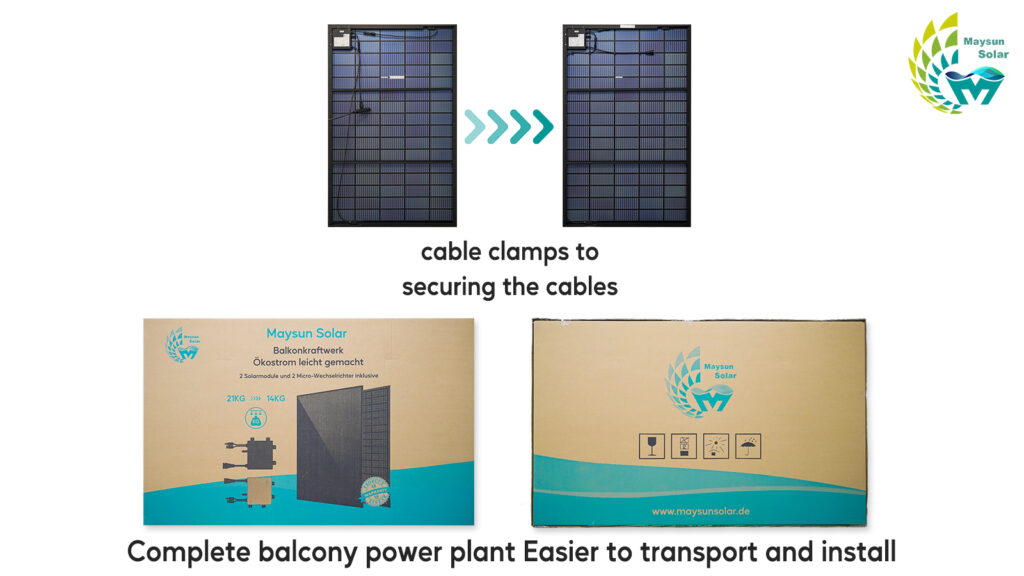
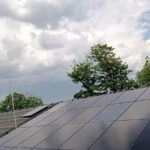
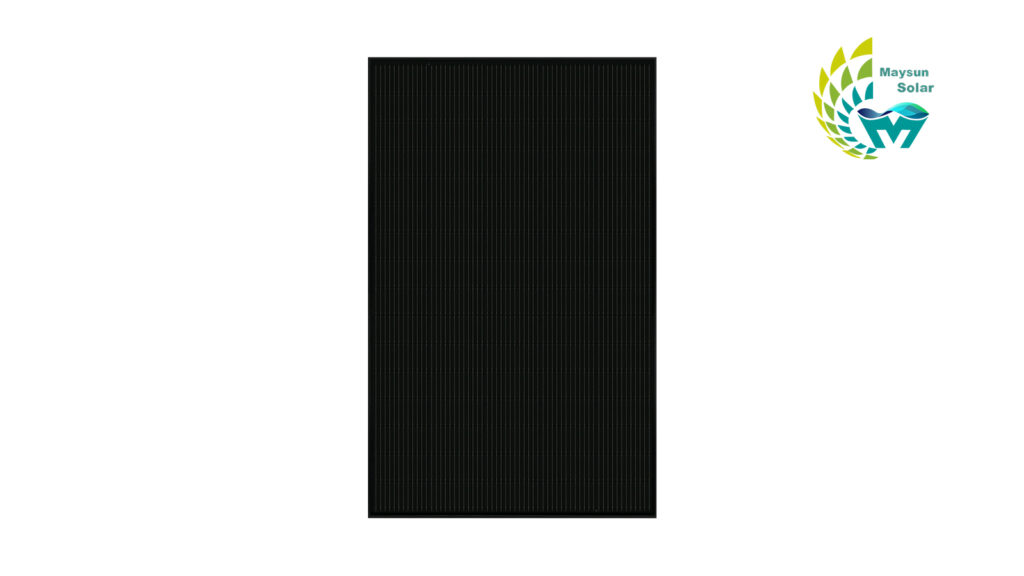
At the heart of the Venusun S system are two custom-built transparent, all-black 410 W photovoltaic modules. The transparent backsheet supports double-sided power generation compared to conventional backsheets, further enhancing the PV modules’ superior power generation capacity by up to 20%. In addition the all-black module design demonstrates an aesthetic design that blends seamlessly with any architectural style. Venusun S weighs only 14 kg per module, 7 kg lighter than before, and 25% lighter than balcony power plants on the market, and the glass panel thickness is 1.6 mm instead of 3.2 mm, making it easier to install and transport. Easy transportation and trouble-free installation can be achieved by only one person, greatly reducing transportation and installation costs.
Excellence in the pursuit of perfection
One of the features of the Venusun S system is the incorporation of cable clamps on the back of the PV modules. We find that when such large PV modules are installed, the cables connected to them are often left haphazard and scattered. The innovative addition of cable clips allows the cables to be neatly secured within the module frame, ensuring a neat and organized appearance. Eliminating exposed wires not only improves the visual appearance of the system, but also increases safety and reliability.
Overall system performance optimization
In addition, the Venusun S system includes two Hoymiles micro-inverters, each with a capacity of 400 W, no additional purchase, assembly required. These microinverters are intelligently connected to different PV modules, mitigating the impact of each module generating power independently. This strategic link optimizes overall system performance and ensures consistent and efficient energy production.
From the user’s perspective
The Venusun S Balcony PV System also includes two T-connectors and a 5-meter cable, providing a seamless, hassle-free installation experience for the user. The system’s user-friendly design and intuitive installation process make it an attractive option for homeowners and businesses looking to go solar without the constraints of roof space.
Safe and reliable guarantee
Venusun S, a product with Class C fire rating certification, suitable for all kinds of weather and conditions, has a 12-year product warranty, 25-year performance guarantee, safe and durable, and is a trustworthy product that customers can use with confidence.
“The launch of the Venusun S system represents an important milestone in our continued commitment to providing cutting-edge solar solutions,” said Mr. White, senior regional manager for Europe. “By partnering with Hoymiles, we are able to leverage their expertise in microinverter technology to create a complete and efficient solar solution for balcony installations. We believe this product will greatly expand the use of solar energy and enable individuals and businesses to adopt sustainable and renewable energy sources.”
Maysun Solar has specialized in manufacturing high-quality photovoltaic modules since 2008. Our Venusun S is the most recommended solar module. It has superior performance and a stylish all-black design. Its design blends in perfectly with any architectural setting.
With Maysun Solar’s Venusun S Series, you can trust in the reliability and quality of our products. Join us in creating a greener world by harnessing the power of the sun. Contact Maysun Solar today and let’s build a sustainable future together.

How to Choose Solar Panels for Low-Load-Bearing Industrial Roofs: A Guide to Weight, Power Density and Mounting Systems
Choosing solar panels for a low-load-bearing industrial roof requires more than checking the weight of an individual module. A more reliable process starts by determining the roof’s remaining load-bearing capacity. The complete load from the modules, rails, fasteners and ballast must then be

Why Do Solar Panels Lose Power in Hot Weather? How Temperature Coefficient and Roof Ventilation Affect Summer Energy Yield
Summer brings stronger sunlight and longer daylight hours, so it is normally one of the most productive seasons for a solar system. However, some system owners notice that solar panel output does not continue to rise during the hottest part of the day.

How to Design a Low-Maintenance Rooftop Solar System
Introduction A low-maintenance rooftop solar system is not created after installation. It is designed before installation. Over a 20–30 year operating life, rising O&M costs are rarely caused by dirty glass alone. They are more often caused by design decisions made at the

European Heatwaves and PV Self-Consumption: Why HJT Solar Modules Perform Better in Hot Summers
Across Europe, summer heatwaves are no longer just a climate or comfort issue. They are becoming an energy-use issue. During hot summer days, air conditioning, ventilation, refrigeration, office equipment and industrial cooling loads can rise exactly when rooftop solar modules are exposed to

Partial Shading on Solar Panels: Why a Small Shadow Can Cause Major Power Losses
Introduction: Shading Is Not Just a Surface Area Problem In a photovoltaic system, a small shadow can be amplified by the electrical structure of the module. In a typical module with three electrical sections, a shaded area covering only a small part of

From Half-Cell to Multi-Cut: Why PV Modules Are Paying More Attention to More Segmented Circuit Design?
Table of Contents In recent years, half-cell modules have become a mainstream design in the photovoltaic market. Compared with traditional full-cell modules, half-cell technology reduces the operating current of each cell unit, lowers internal resistive losses, and improves thermal management and partial shading