Intro:
The quality of solar glass, backsheets and encapsulation materials, which are key components of Solar cell lamination, affects the reliability of Solar modules. Any low-quality component accelerates the aging of the solar module. Substandard Solar panel Backsheets can lead to reduced performance, increased maintenance costs, and further costs associated with inspection and laboratory evaluation or replacement. Therefore, ensuring that your solar panels are equipped with high-quality backsheets is critical to the long-term sustainability of your photovoltaic modules.
Table of Contents
What are Solar panel Backsheets?
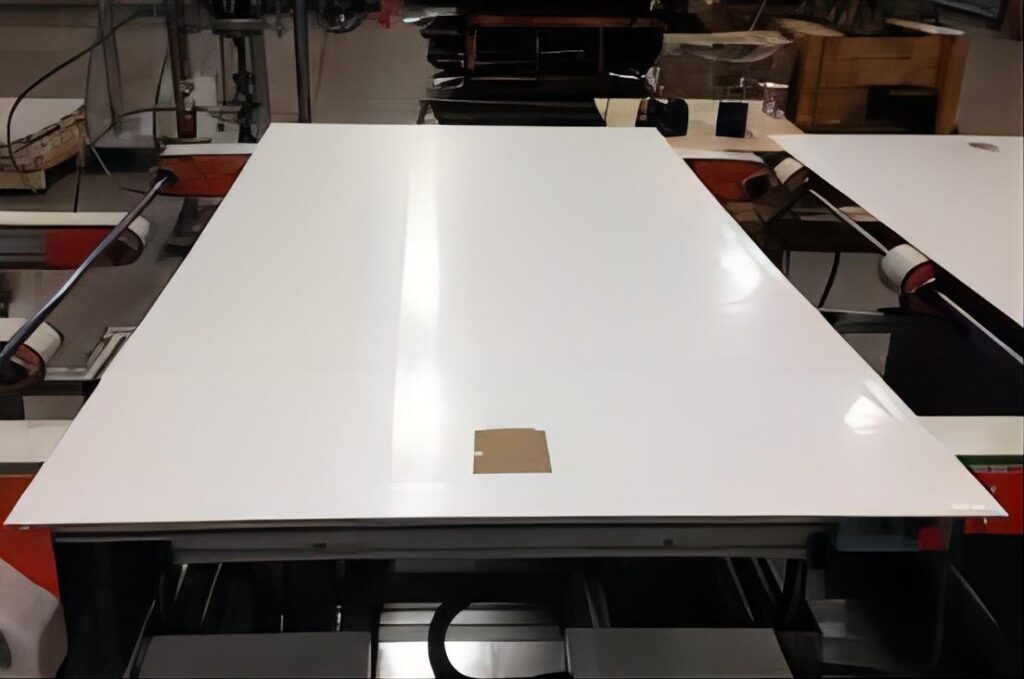
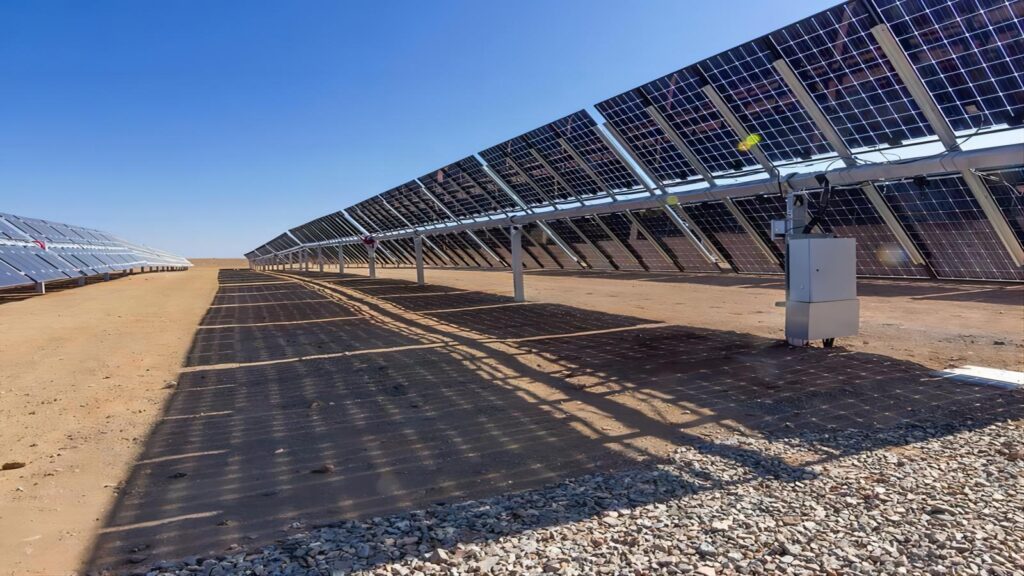
The solar panel backsheet serves as the outermost layer of a photovoltaic (photovoltaic) module, serving multiple crucial roles. It is primarily designed to shield the photovoltaic cells and internal electrical components while also providing electrical insulation.
Additionally, the backsheet acts as a robust weatherproof barrier, safeguarding the module against environmental elements such as rain, moisture, and other adverse conditions.、
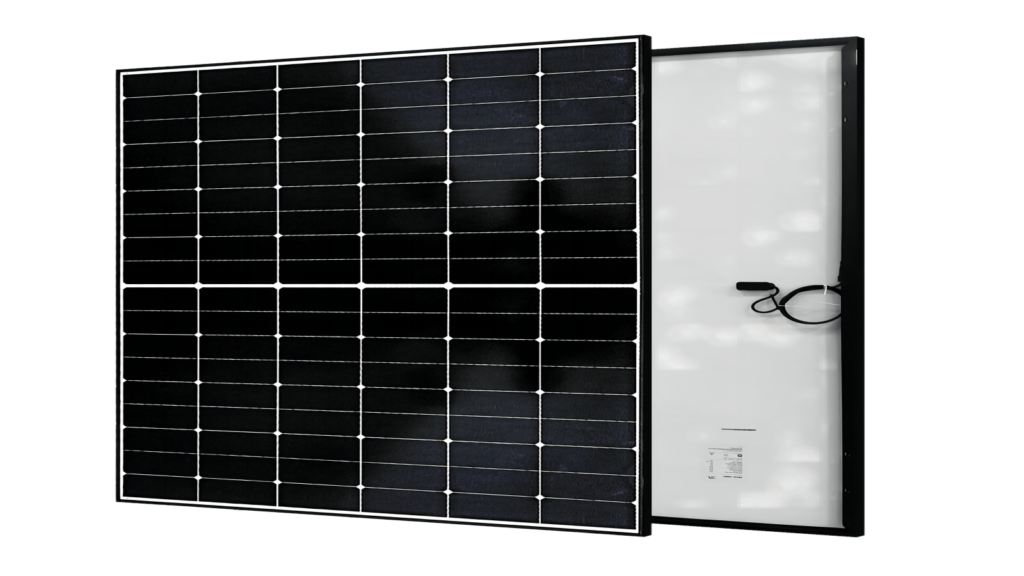
Backsheets are usually available in all-white, all-black, white on the outside and black on the inside, and transparent colors (clear backsheets). The white color is conducive to the light reflection of the gap between the cells to the front surface, part of the light will be reflected back to the solar cell, increasing the utilization of light energy by the solar cell, which is conducive to the improvement of the photoelectric conversion efficiency, black backsheets are more popular with customers in Europe because they look better on the roof.
What Certifications Are Required for Solar Panel Backsheets?
Solar panel backsheets typically need to undergo TUV certification, an internationally recognized testing and certification body. The TUV certification primarily involves partial discharge testing to ensure the quality and performance of the backsheet meets specific standards and requirements.Solar panel backsheets typically need to undergo TUV certification, an internationally recognized testing and certification body. The TUV certification primarily involves partial discharge testing to ensure the quality and performance of the backsheet meets specific standards and requirements. As the photovoltaic industry continually seeks higher power generation efficiency, some high-performance solar backsheets also have a higher light reflectance to enhance the photovoltaic conversion efficiency of solar modules.
What’s The Structure Of the Solar Panel Backsheet?
Initially, solar backsheets had a three-layer structure (PVDF/PET/PVDF). The outer PVDF layer offers excellent environmental corrosion resistance, the middle PET layer provides insulation, and the inner PVDF layer, combined with EVA, ensures good adhesion. To reduce costs and consider environmental factors, fluorine-free backsheet structures, such as the APE structure, were introduced.
A typical backsheet is composed of three core layers:
Outer Protective Layer (Weathering Layer): For optimal weather resistance, the outer layer material usually contains fluorine. PVF and PVDF are well-known polymers with high weather resistance. Some manufacturers also use THV, ETFE, ECTFE, and coated PTFE.
Middle Layer: This layer provides support and must withstand temperature fluctuations. It should have stable mechanical properties, excellent electrical insulation, and low gas and vapor permeability. Modified PET material is commonly used.
Lamination Adhesive Layer: Unmodified fluorine films and PET have poor adhesion to EVA, so modified fluorine materials or adhesives like EVA, PE, or PA films are used.
What Are the Different Types of Solar Panel Backsheets?
Backsheets fall into three primary categories: bifluoropolymers, monofluoropolymers, and non-fluoropolymers, with multiple structural variations within each category.
1.Double-sided fluorine film composite backsheet
A. TPT Backsheet (PVF/PET/PVF)
The TPT backsheet, using a composite process, is the most common type of double-sided fluoropolymer backsheet available in the market. It combines DuPont’s Tedlar brand PVF fluorine film from the United States with an intermediate layer of PET base film, bonded together with adhesive. The inner fluorine material shields the PET from UV corrosion, and with special treatment and encapsulation of the adhesive film, it enhances bonding. The outer fluorine material provides protection for the back of the solar module against moisture, heat, and UV erosion.
B.KPK Backsheet (PVDF/PET/PVDF)
Compared to TPT, the KPK backsheet differs in that it uses PVDF film for both the inner and outer fluorine layers. This type of backsheet is known for its high mechanical strength, excellent irradiation resistance, good chemical stability, and resistance to corrosion by acids, alkalis, strong oxidizing agents, and halogens at room temperature. Originally, this backsheet was referred to as the KPK backsheet, made from Arkema France’s Kynar brand PVDF fluorine film.
C.KPF Backsheet (PVDF/PET/Fluorine Skin Film)
The KPF backsheet employs a composite process, laminating PVDF fluorine film to one side of the PET base film using adhesive. On the other side, a fluorine resin mixed with titanium dioxide is evenly coated onto the PET base film through a cast filming process. After a high-temperature maturation process, this coating forms a self-adhesive fluorine skin film, which is different from traditional fluorine coatings that tend to peel off easily. The fluorine skin film meets the high-performance requirements of foreign fluorine film products, including UV resistance and water resistance, while significantly reducing costs.esistance, while the price is significantly reduced.
2.Single-side fluorine film composite backsheet
A.TPE Type Backsheet (PVF/PET/PE)
The TPE type backsheet (PVF/PET/PE) primarily employs PE (polyolefin film) in place of the inner fluorine film. Due to the single-sided fluorine protection, it does not offer the same level of protection as the TPT structure, making it less capable of withstanding long-term UV aging tests. However, it presents a cost-effective alternative with lower expenses compared to the TPT structure.
B.KPE Type Backsheet (PVDF/PET/PE)
The KPE type backsheet (PVDF/PET/PE) largely relies on PE (polyolefin film) as a substitute for the inner fluorine film. With fluorine protection on one side, its protective performance is not as robust as that of the KPK-type backsheet, and it may struggle to endure prolonged UV aging tests. Nevertheless, it provides a more budget-friendly solution when compared to the FPF structure.
3.Non-fluoropolymers:
This category involves two layers of PT and a primer or EVA layer, making it the most cost-effective choice. While it had been less favored in the past due to potential degradation from prolonged UV exposure or hydrolysis, advances in polycool chemistry and production engineering have facilitated the development of highly UV-resistant polycool films.
Maysun Solar’s IBC solar modules employ a TPE backsheet, characterized by its high UV resistance, anti-aging properties, low water permeability, and coated with PVF (Tedlar) film. This choice underpins our commitment to a 25-year quality guarantee.
What Functions Of Solar Panel Backsheets?
1. Mechanical Stress Resistance:
The backsheet plays a critical role in fortifying the structural integrity of solar modules. It serves as a protective shield against various mechanical stresses that could potentially inflict harm. These stresses encompass forces like pressure, impacts, vibrations, and external factors such as wind, snow, falling objects, or seismic activity. Without a reliable backsheet, solar cells and electrical components become susceptible to damage from these sources.
2.Protection from Water and Dust Ingress:
One of the key functions of the backsheet is to act as a barrier against water and dust infiltration. Water and dust particles can lead to corrosion and pitting, posing a threat to photovoltaic cells. The backsheet’s role is to shield against moisture-related damage, including corrosion of electrical connections, insulation degradation, and the risk of short circuits. It also safeguards against dust accumulation on the cell surface, which can reduce system efficiency or even lead to operational disruptions.
3.Ultraviolet (UV) Radiation Shield:
Solar panel backsheets serve as a crucial defense against the potentially harmful effects of UV radiation. UV rays can cause semiconductor materials within the solar cells to degrade, diminishing their performance and efficiency. The backsheet acts as a shield, protecting the cells from UV radiation. It’s important to note that over time, all backsheets will undergo a color change due to UV exposure. While a change in color isn’t necessarily a sign of a defective backsheet, significant color changes and signs of deterioration may warrant further inspection.
4. Temperature Stress Management:
Backsheets also serve a critical function in managing temperature-related stress in photovoltaic modules. Solar cells are subject to thermal stress when exposed to extreme heat or cold, which can impact their efficiency. Backsheets act as insulators, safeguarding the system against temperature extremes and mitigating thermal stress. Additionally, they help regulate solar heat absorption by preventing high-energy photons from reaching the photovoltaic cells, thus averting overheating that can compromise performance. As temperatures rise beyond a certain threshold, solar cell efficiency decreases, making the control of heat gain essential. Backsheets play a significant role in reducing solar heat gain and preventing cell overheating.
5.Dielectric Integrity:
A solar panel operates as an isolated electrical system, requiring immunity to external electrical interference. The backsheet serves as a protective shield, preventing electrical conductivity between the solar cell and its environment. Dielectric strength is a measure of a material’s ability to withstand electrical potential without suffering breakdown or loss of insulation. Materials with high dielectric strength can endure high voltages without experiencing dielectric failure. Maintaining the backsheet’s electrical integrity is crucial to preventing external interference with the solar cells, ensuring the system operates efficiently and without disruptions. Using the correct type of backsheet to insulate the solar cells is essential to minimize the risk of short circuits and other electrical issues
Which Backsheet is Best for your solar panels?
Solar panels come in a multitude of types, each with specific needs when it comes to their backsheet selection. In most cases, normal backsheets are sufficient to meet the requirements of PERC (Passivated Emitter Rear Cell) solar panels. However, when it comes to N-type or N-type TOPCon (Tunnel Oxide Passivated Contact) solar panels, a more specialized approach is necessary.
For N-type and N-type TOPCon solar panels, it’s crucial to opt for a backsheet with a water permeability rate of ≤0.15 grams per square meter or a completely impermeable glass backsheet. This selection should also be coupled with the appropriate use of POE (Polyolefin Elastomer) and EPE (Ethylene Propylene Elastomer) films to ensure the safe and reliable operation of these solar panels.
HJT (Heterojunction) solar panels raise the bar even higher in terms of water permeability requirements. Standard backsheets simply can’t meet the stringent demand for zero water permeability. Consequently, the only viable option is to go with a glass backsheet. Maysun has introduced HJT solar modules that feature a double-sided glass design to fulfill these exacting criteria.
It’s worth noting that a limited number of N-type TOPCon and HJT solar panels opt for PAPF (Polymer-Aluminum-Polymer Film) backsheets. However, this choice comes with the inherent risk of electrical leakage and is still awaiting comprehensive experimental data validation. As a result, its widespread adoption remains limited
Why does the Solar panel Backsheet have problems?
1.Subpar Core Material:
One of the primary reasons for backsheet failure is the use of inexpensive materials, particularly low-stability PET, in the core layer. While PET polymers offer decent electrical insulation, they are highly susceptible to moisture and sunlight, making them unsuitable for outdoor applications.
2.Cost-Cutting Measures:
Driven by cost concerns, manufacturers have been progressively reducing the thickness of the outer protective layer while the PET core remains vulnerable to moisture. The market is flooded with backsheets featuring outer films of fluoropolymer that are less than 20 microns thick, a significant reduction from the previous 40+ microns. In some instances, the outer “protective” layer can be as thin as 10 microns, rendering the backsheet highly susceptible to accelerated damage.
3.Cost-Driven Production Practices:
Certain gaps in the certification process permit manufacturers to cut corners in their production methods. This includes sourcing components of the bill of materials from various suppliers and using a range of adhesives that may not meet the most recent certification standards. Predictably, this practice can lead to backsheet failures, making it challenging to pinpoint the exact cause behind each failure.
What Are The Market Trends For Backsheets?
1.By Product:
In 2016, TPT secured a market share of over 12% in the Solar market. In the current industrial landscape, this technology presents an economically viable alternative to TPT configurations. These products have gained significant traction thanks to the availability of cost-effective and efficient auxiliary backsheet technologies. Rapid technological advancements aimed at enhancing operational flexibility and efficiency are anticipated to drive the demand for these products.
2.By Thickness:
Backsheets with a thickness of less than 100 microns are poised for robust growth, owing to reduced product costs and their extensive deployment in small- and large-scale solar applications. The utility-based implementation and the ongoing adoption of photovoltaic technology to establish sustainable energy portfolios across various sectors will expand the Solar panel Backsheet market for thicknesses exceeding 500 microns.
3.By Material:
Fluoropolymers contribute to over 50% of the global Solar panel Backsheet market, primarily due to their early adoption and extended lifespan. These products offer superior efficiency and insulation properties compared to non-fluorinated alternatives. However, recent years have witnessed a shift towards cleaner auxiliary backsheet technologies as consumers prioritize fluorine-free options.
4.By Technology:
The crystalline Solar panel Backsheet market is projected to grow by more than 4% by 2024. The increased prevalence of crystalline cells and their widespread deployment has heightened the demand for support and insulation materials. Improving product efficiency and the development of compact panel structures will stimulate the adoption of advanced backsheet technologies in crystalline photovoltaic modules.
Maysun Solar offers a wide selection of solar panels, including shingled, half-cut, black frame, full black frame, and silver frame. These solar panels are made with excellent quality solar backsheets to protect your solar panels from external forces. Maysun Solar has global offices and warehouses and has established strong cooperative relationships with well-known installers. Our solar panel installation process is simple and easy, ensuring continued clean energy production and maintenance. If you have any photovoltaic-related inquiries or want to know the latest module prices, please contact us.
Saurenergy (2018b) BACKSHEETS selecting the right materials for solar modules & EVA.
Solaradvisor (2021) ‘Solar Panel Backsheets: [All To Know About] | Solartechadvisor,’ Solartechadvisor, 28 November.
manager@vishakharenewables (2023) How does backsheet quality impact modern solar PV modules?
Spw (2020) How backsheet quality impacts modern solar PV modules.
What is a solar cell backsheet? What is the function of a module backsheet?_Mibet New Energy (no date). https://www.mbt-energy.cn/news/industry/2308172.html.
solar
对欧洲安装商、经销商和企业采购方来说,光伏组件采购不只是找到一个低价货源。真正影响后续销售和交付的,往往是供应商能否持续提供稳定型号、清晰文件、明确质保和可控交期。 对于日常补货、客户备货、工商业屋顶或多站点项目来说,一次性低价可以作为参考,但如果后续同系列组件断货、文件版本不一致或售后责任不清,前期节省的成本很容易被后续沟通和替换成本抵消 Table of Contents 1. 为什么组件采购不能只看最低报价? 光伏组件采购表面上是在比较每瓦价格,但对安装商、经销商和企业采购方来说,真正影响后续业务稳定性的,往往不是第一次下单的价格,而是后续能不能持续供货。 如果供应商只提供一次性低价,却无法保证型号连续、文件完整和交付节奏,采购方可能很快遇到这些问题: 第一批组件价格合适,但后续补货时同型号已经断货; 临时更换组件后,尺寸、功率或电流参数需要重新确认; datasheet、认证文件、质保资料不完整,影响客户交付或资料归档; 售后责任不清,出现破损、参数核对或质保问题时沟通成本增加; 经销商或安装商无法稳定向客户推荐同一系列产品。 对于普通一次性订单来说,这些问题可能只是增加沟通成本;但对于长期销售、批量备货或工商业客户来说,型号和供应不连续会直接影响客户信任和后续合作。 因此,低价可以作为采购参考,但不能成为唯一标准。更稳妥的采购判断,是同时比较价格、交期、文件、质保和补货能力。 2. 哪些采购场景更需要稳定供应? 并不是所有采购都需要长期锁定同一供应体系。小批量临时补货、标准化订单或一次性零售需求,本地经销渠道通常更灵活。 但在以下几类场景中,稳定供应比一次性低价更重要: 安装商常备型号:如果某一系列组件长期用于客户订单,型号稳定性会影响报价、设计和交付效率。 经销商批量备货:经销商不仅要考虑当前库存,还要考虑后续是否能继续补货,避免客户二次采购时型号变化过大。 企业客户采购:企业客户通常更关注交期、质保和文件完整性,而不只是单次采购价格。 工商业屋顶或农业建筑场景:这类应用往往需要提前确认组件尺寸、重量、电气参数和安装方式,临时更换型号会增加沟通成本。 多站点或分批采购客户:如果客户分阶段采购,持续供应同一系列组件可以减少后续匹配和替换压力。 对这些场景来说,供应商能不能稳定提供同一系列产品,往往比短期低价更重要。因为客户真正需要的不是一次“便宜采购”,而是一套可以持续配合销售和交付的供货方案。 3. 如何选择更适合的组件供应渠道? 不同采购场景适合不同供应方式。对安装商、经销商和企业采购方来说,不一定要在“本地经销商”和“制造商直采”之间二选一,而是要根据采购目的判断哪种方式更合适。 3.1 临时补货:更看重本地响应速度 如果只是少量补货、客户临时追加订单,或需要快速解决短期缺口,本地经销渠道通常更灵活。它的优势在于沟通快、数量灵活、交付距离短。 但这类采购更适合作为补充,不适合作为长期主力供应来源。因为临时库存往往存在型号不连续、批次不稳定或后续补货不确定的问题。 常见问题 1. 哪些企业项目更适合直接向组件制造商采购?如果项目规模较大、交付时间明确,或对组件型号、技术文件、质保资料和长期供货稳定性有要求,直接与组件制造商建立采购关系通常更有价值。 2. 光伏组件采购为什么不能只看最低价格?因为最低价格只反映第一次采购成本。对安装商、经销商和企业采购方来说,后续补货、型号连续、文件完整和售后责任同样会影响长期成本。 3. 只做临时补货,还需要关注稳定供应吗?需要,但关注重点不同。临时补货可以优先看交付速度和本地库存;如果后续还要继续销售同一系列组件,就应提前确认型号是否会持续供应、文件和质保资料是否完整。 4. 低价组件一定不能买吗? 不一定。低价本身不是问题,关键要看供货来源、文件支持、质保责任和型号连续性是否清晰。如果这些条件明确,价格优势可以作为参考;但如果低价伴随交期不确定、资料不完整或售后责任模糊,就不适合作为企业项目的主要判断依据。 5.

Solar Panel Procurement in Europe: Why Stable Supply Matters More Than a One-Off Low Price
When European installers, distributors and corporate buyers choose solar panels, a one-off low price should not be the only factor. Stable supply, model continuity, technical documents and replenishment capacity often matter more for long-term cooperation and project delivery.

How Important Is the Temperature Coefficient When Choosing a Solar Panel?
How important is temperature coefficient when choosing a solar panel? This article answers that question directly and explains which projects should include it in early screening and which do not need to treat it as a top priority.

When does HJT bifacial gain pay off on European rooftops, and when is IBC the better option?
When do HJT bifacial solar panels generate stronger returns on European rooftop projects, and when should IBC solar panels take priority?

Which homes are suitable for garden solar?
Which homes are suitable for garden solar? Assess space, shading, orientation and electricity-use goals to quickly judge whether garden solar is a suitable option.

Are Differences Between Solar Panels More Noticeable in High-Temperature Conditions?
High temperatures reduce solar panel efficiency, but the gap in summer power generation is not determined by temperature alone. This article compares the high-temperature performance of HJT, TOPCon and IBC, and explains how businesses should choose.