Transparent Solar Panels: The Perfect Collision of Energy and Aesthetics

Transparent Solar Panels: The Perfect Collision of Energy and Aesthetics

With the continuous integration of architectural design and solar technology, transparent solar modules have emerged as an innovative and highly regarded solution. These modules not only provide efficient photovoltaic functionality but also seamlessly blend into building facades or rooftops, even enhancing the overall aesthetic of the structure. But are transparent solar modules really as transparent as their name suggests? This article will delve into the working principles, advantages and disadvantages of transparent solar modules, and their performance in various applications.

Are Transparent Solar Modules Really Transparent?
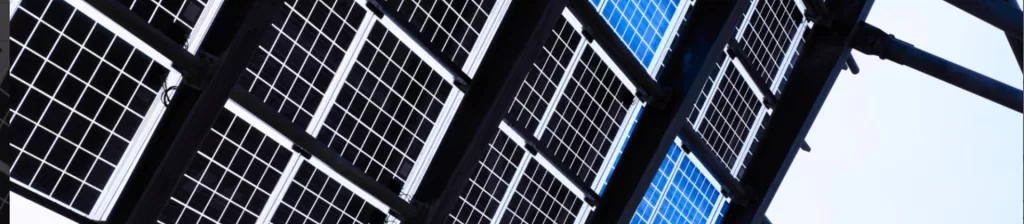
When discussing transparent or semi-transparent solar modules, we are typically referring to translucent modules rather than completely transparent ones. This terminology is used because the solar cells themselves are not transparent. Instead, the materials used to construct the solar modules are transparent, with solar cells placed on these transparent substrates. Gaps between the edges of the cells and the frame allow sunlight to pass through.
 
Two main factors influence the transparency of solar modules. The first is the spacing between the solar cells and the frame. The second is the type of membrane material used on the back of the module. Typically, white membrane materials are used in the manufacturing process to reflect sunlight back onto the cells, thereby improving the module’s efficiency.
 
Without the use of a white reflective membrane, designs like transparent solar modules result in lower efficiency. However, this trade-off enhances the aesthetic appeal, as the background color of the building facade or roof can be clearly seen through the module. Using different colored membrane materials can also create specific tonal effects.

Advantages and Disadvantages of Transparent Solar Modules

Transparent solar modules are well known for their attractive design and offer ideal solutions across various sectors.
 
Thanks to their transparency, these modules are highly versatile and boast excellent durability. In particular, glass-glass solar modules can last for up to 20 years or more, with some manufacturers offering warranties of up to 30 years.
 
However, one downside to transparent solar modules is their relatively lower performance compared to traditional solar modules on the market. The larger spacing between solar cells and their edges results in approximately 14% lower efficiency than thick-film solar modules.
 
Another drawback is the higher procurement cost. Therefore, careful calculation and planning are required when designing photovoltaic systems. The higher investment cost combined with lower efficiency leads to a longer payback period for transparent solar modules.

Application Scenarios Analysis

Transparent photovoltaic modules, due to their light transmittance, are widely used in various scenarios requiring daylight, such as:

  • Facades
  • Roofs
  • Terraces or canopies
  • Garage roofs
  • Glass in winter gardens
  • Skylights
  • Greenhouses
  • Sunscreen systems
  • Agricultural photovoltaics
  • And more

Next, we will focus on two of the most commonly applied scenarios: solar carports and greenhouse sheds, which are typical examples where customers often choose transparent modules.

Maysun Solar Client Case Studies:

Carports

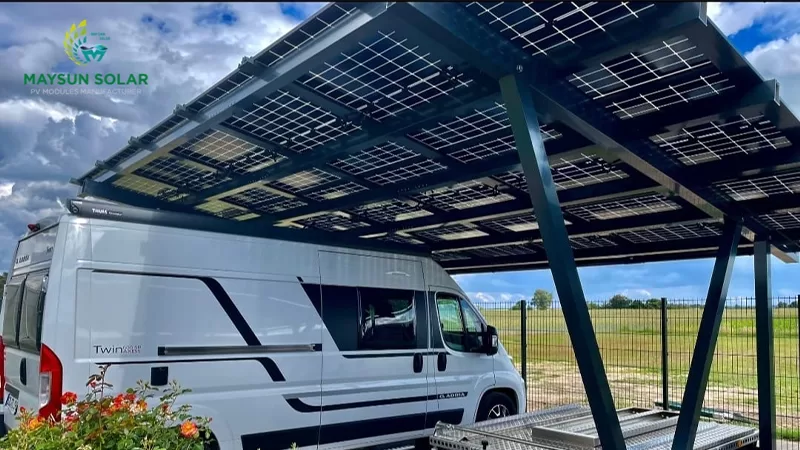
Among the many successful collaborations of Maysun Solar, many clients have opted for HJT solar panels as their energy solution for solar carports. For instance, a recent project in Germany involved 430W HJT full-black transparent panels, showcasing the dual advantages of aesthetics and energy savings. These solar panels allow sunlight to pass through gaps, utilizing light refraction for bifacial power generation, maximizing light utilization efficiency.

Greenhouse Sheds

Although winter sunlight is weaker, transparent solar modules still maintain high efficiency. According to the latest tests, transparent solar modules can achieve an energy conversion efficiency of 20%-25% under low-light conditions. Even in the weak sunlight of winter, they can still provide around 60% of the standard summer power output. For greenhouses or sunrooms, this means that even during cold winters, solar energy can be used to maintain indoor temperature and reduce heating needs, achieving energy-saving effects.
 
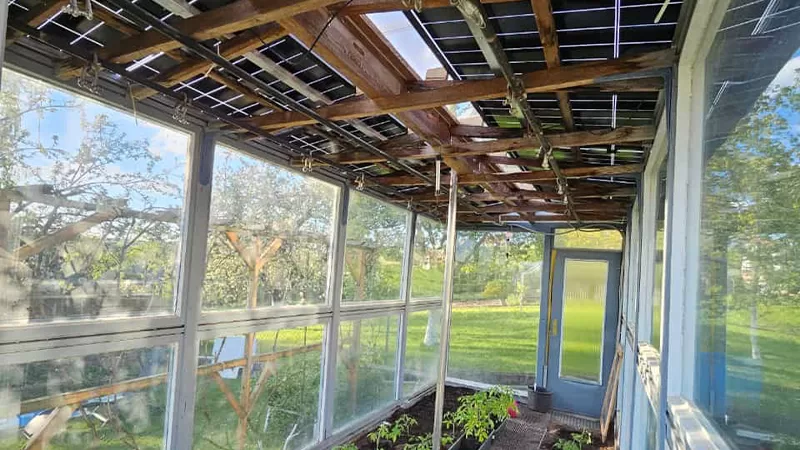
A greenhouse in Germany has adopted Maysun Solar’s HJT transparent solar modules. During winter, the temperature inside the greenhouse stays around 18°C, while the surrounding outdoor temperature often drops to -5°C. The transparent modules not only provide sufficient power to meet the greenhouse’s heating and lighting needs, but they also successfully reduced energy expenditure by 20%. This innovative system design eliminates the need for traditional high-energy-consuming equipment for winter daylighting and heating.

Conclusion

In summary, transparent solar modules exhibit unique advantages in both aesthetics and functionality, especially in modern architecture and environmental design, where they hold extensive potential for future applications. However, their relatively lower efficiency and higher cost compared to traditional solar modules remain key factors limiting their widespread adoption. When planning photovoltaic systems, considering these modules’ characteristics and payback period, along with reasonable investment and design, will help achieve the optimal economic benefits and sustainability goals.

As a global leader in solar module manufacturing, Maysun Solar’s HJT transparent solar modules are at the forefront of the industry in efficiency, durability, and aesthetics. Our HJT transparent modules utilize advanced photovoltaic technology to provide stable power output across various environments. Whether in winter’s low-light conditions or unique installation scenarios like carports and fences, Maysun Solar products guarantee long-term, high-efficiency operation, meeting all your green energy needs.

solar

对欧洲安装商、经销商和企业采购方来说,光伏组件采购不只是找到一个低价货源。真正影响后续销售和交付的,往往是供应商能否持续提供稳定型号、清晰文件、明确质保和可控交期。 对于日常补货、客户备货、工商业屋顶或多站点项目来说,一次性低价可以作为参考,但如果后续同系列组件断货、文件版本不一致或售后责任不清,前期节省的成本很容易被后续沟通和替换成本抵消 Table of Contents 1. 为什么组件采购不能只看最低报价? 光伏组件采购表面上是在比较每瓦价格,但对安装商、经销商和企业采购方来说,真正影响后续业务稳定性的,往往不是第一次下单的价格,而是后续能不能持续供货。 如果供应商只提供一次性低价,却无法保证型号连续、文件完整和交付节奏,采购方可能很快遇到这些问题: 第一批组件价格合适,但后续补货时同型号已经断货; 临时更换组件后,尺寸、功率或电流参数需要重新确认; datasheet、认证文件、质保资料不完整,影响客户交付或资料归档; 售后责任不清,出现破损、参数核对或质保问题时沟通成本增加; 经销商或安装商无法稳定向客户推荐同一系列产品。 对于普通一次性订单来说,这些问题可能只是增加沟通成本;但对于长期销售、批量备货或工商业客户来说,型号和供应不连续会直接影响客户信任和后续合作。 因此,低价可以作为采购参考,但不能成为唯一标准。更稳妥的采购判断,是同时比较价格、交期、文件、质保和补货能力。 2. 哪些采购场景更需要稳定供应? 并不是所有采购都需要长期锁定同一供应体系。小批量临时补货、标准化订单或一次性零售需求,本地经销渠道通常更灵活。 但在以下几类场景中,稳定供应比一次性低价更重要: 安装商常备型号:如果某一系列组件长期用于客户订单,型号稳定性会影响报价、设计和交付效率。 经销商批量备货:经销商不仅要考虑当前库存,还要考虑后续是否能继续补货,避免客户二次采购时型号变化过大。 企业客户采购:企业客户通常更关注交期、质保和文件完整性,而不只是单次采购价格。 工商业屋顶或农业建筑场景:这类应用往往需要提前确认组件尺寸、重量、电气参数和安装方式,临时更换型号会增加沟通成本。 多站点或分批采购客户:如果客户分阶段采购,持续供应同一系列组件可以减少后续匹配和替换压力。 对这些场景来说,供应商能不能稳定提供同一系列产品,往往比短期低价更重要。因为客户真正需要的不是一次“便宜采购”,而是一套可以持续配合销售和交付的供货方案。 3. 如何选择更适合的组件供应渠道? 不同采购场景适合不同供应方式。对安装商、经销商和企业采购方来说,不一定要在“本地经销商”和“制造商直采”之间二选一,而是要根据采购目的判断哪种方式更合适。 3.1 临时补货:更看重本地响应速度 如果只是少量补货、客户临时追加订单,或需要快速解决短期缺口,本地经销渠道通常更灵活。它的优势在于沟通快、数量灵活、交付距离短。 但这类采购更适合作为补充,不适合作为长期主力供应来源。因为临时库存往往存在型号不连续、批次不稳定或后续补货不确定的问题。 常见问题 1. 哪些企业项目更适合直接向组件制造商采购?如果项目规模较大、交付时间明确,或对组件型号、技术文件、质保资料和长期供货稳定性有要求,直接与组件制造商建立采购关系通常更有价值。 2. 光伏组件采购为什么不能只看最低价格?因为最低价格只反映第一次采购成本。对安装商、经销商和企业采购方来说,后续补货、型号连续、文件完整和售后责任同样会影响长期成本。 3. 只做临时补货,还需要关注稳定供应吗?需要,但关注重点不同。临时补货可以优先看交付速度和本地库存;如果后续还要继续销售同一系列组件,就应提前确认型号是否会持续供应、文件和质保资料是否完整。 4. 低价组件一定不能买吗? 不一定。低价本身不是问题,关键要看供货来源、文件支持、质保责任和型号连续性是否清晰。如果这些条件明确,价格优势可以作为参考;但如果低价伴随交期不确定、资料不完整或售后责任模糊,就不适合作为企业项目的主要判断依据。 5.

Read More »