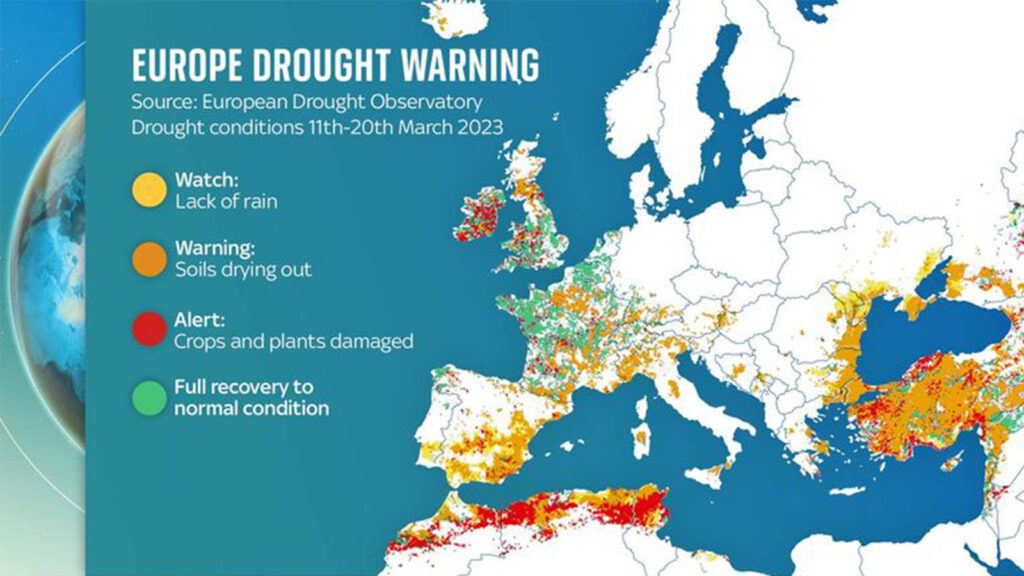
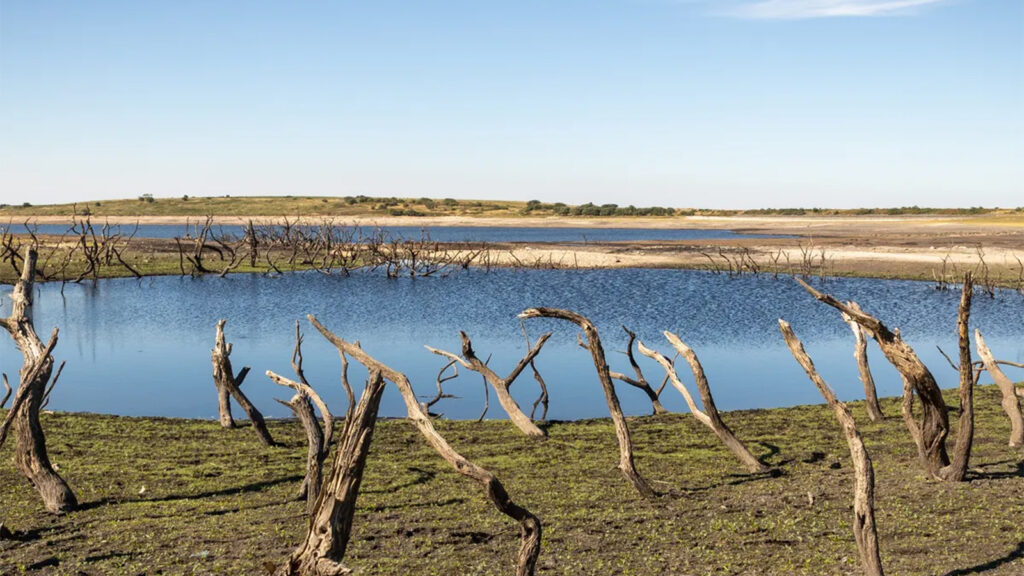
In spite of the fact that Europe saw one of the hottest summers ever last year, numerous nations are once again sounding the drought alarm this year. A substantial portion of Europe is experiencing drought, according to the European Drought Observatory, with red denoting the most serious “alert” level, green denoting safety, and darker yellow denoting a more serious drought crisis. It is not too late to install PV because water constraints are expected to have an impact on energy generation and cause a new spike in the cost of gas and electricity.
Table of Contents
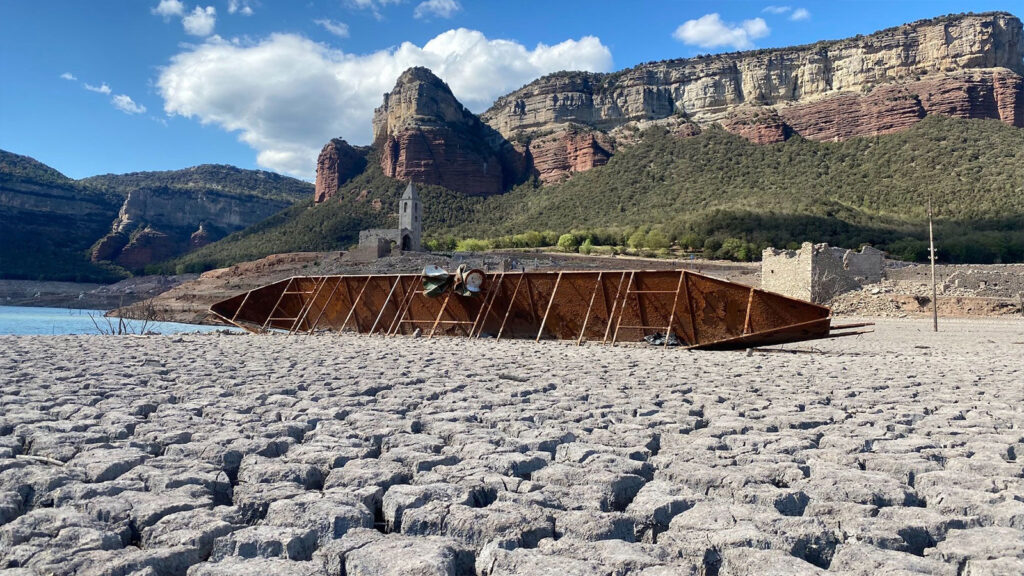
In Spain
This March was the hottest March in Spain in the past 100 years since the previous March only had 36% of the historical average precipitation across Spain and the month’s temperatures were 1.8 degrees Celsius above average. This April had 14.2mm on average across Spain, which is about 22% less than last year. In Catalonia, where the drought is worst, some reservoirs are on the verge of drying up, and the region has now banned the opening of private swimming pools and restricted the flow of water for agriculture by 40%. As a result of the drought, the average water level in reservoirs throughout Spain is only 25% of the maximum level.
The highest temperature ever recorded in Spain was 38.8 degrees Celsius in April in the southern city of Cordoba. Two to three warehouse fires occurred in Madrid’s warehouse area alone between last week and today due to the country’s prolonged dry spell, which has lasted for more than 100 days. In addition, the dry weather has caused reservoirs to dry up, crops to be harmed, and a number of other serious repercussions.
A significant producer of fruits and vegetables in Europe, Spain has begun to experience pessimism due to the lack of rain since January and the extremely dry conditions on the land, according to Cristobal Cano, secretary general of the Spanish regional organization the Union of Small Farmers. The drought and lower yields could raise the cost of living in Europe while also raising the price of basic agricultural products.
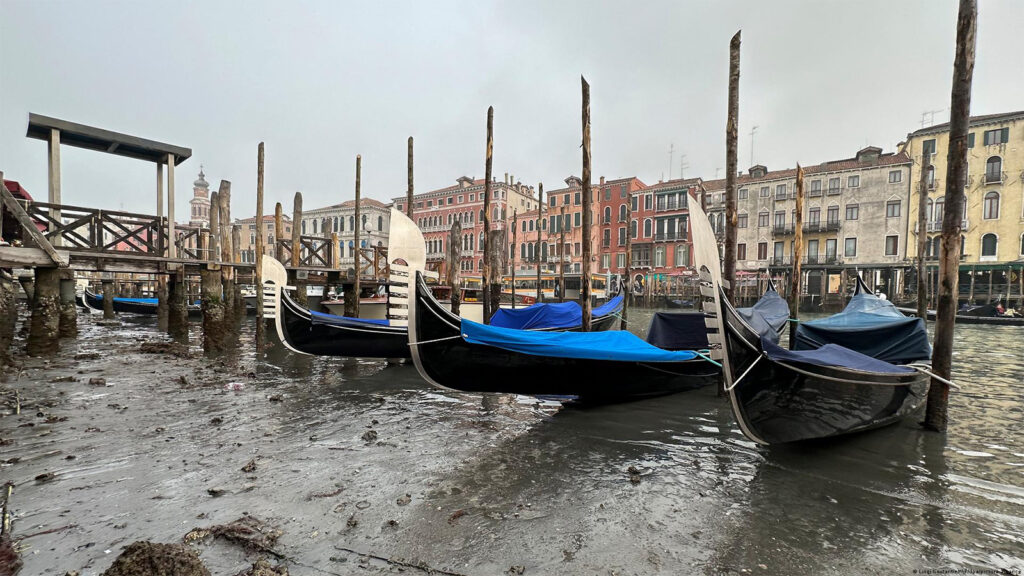
In Italy
Ramona Magno of the Italian National Research Council indicated that the Po River’s level at the beginning of April was the lowest in thirty years and that precipitation has been below average throughout the Po basin. Reservoir levels in the region, according to Attilio Fontana, president of the Lombardy region, were just half what they had historically been.
The Italian agricultural association Confagricoltura calculates that at least 50,000 farmers are currently impacted, and direct economic losses to agriculture total €1.5 billion. The organisation estimates that the drought last summer cost Italian agriculture €6 billion in damages, and if it persists this year, more than 300,000 farmers will experience losses. The rice, maize, and other important crops harvest this spring are in danger, according to the Italian farmers’ group Coldiretti.
In France
French Environment Minister Christophe Béchu has issued a warning that the amount of water that is accessible may decrease by 10% to 40% over the next several years. The driest February in France since 1959 was marked by 32 days without a drop of precipitation, according to the French Meteorological Office. Perpignan in the Pyrénées-Orientales even suffered extreme weather in April, when the city’s water supply was cut off. Additionally, there are regions in Southern France where using a private pool is punishable by a €1,500 fine. In certain places, people are not allowed to fill up swimming pools or wash their automobiles, while nearby farmers are required to reduce their water use by half.
In Austria
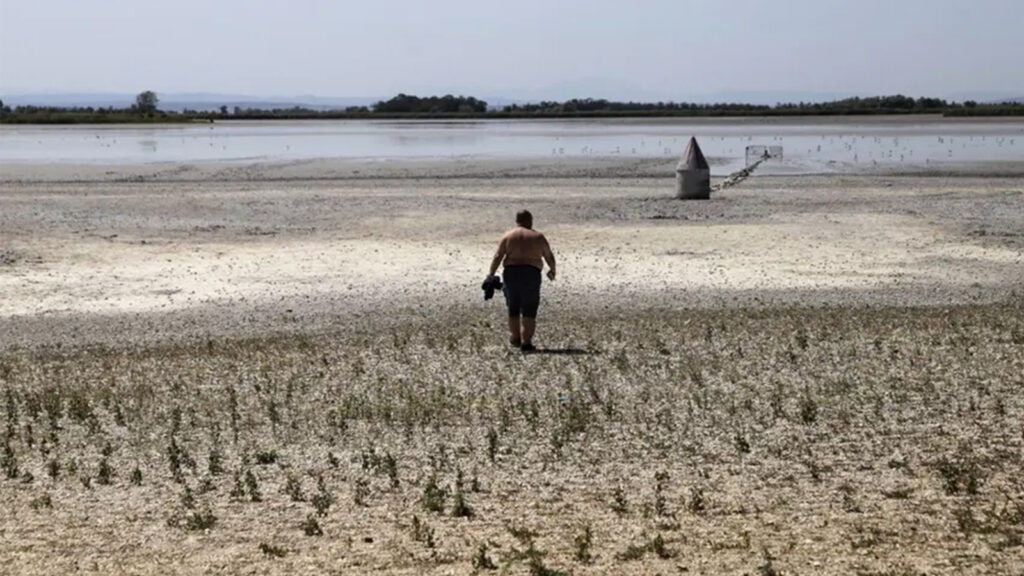
The ecological catastrophe that occurred in Austria’s Thousand Lakes Park last summer was caused by a severe drought, but this year the lake level is still the lowest it has ever been, drying out the Zicke bed and causing visually worrisome fissures. According to Professor Roman, Austria does not lack for water, and its numerous rivers, snowy Alps, and generally warm and humid climate give it a greater water resource than many other regions. However, a series of dry years in a row have decreased groundwater levels in the Austrian lowlands, which is why many lakes are at low levels or have completely dried up.
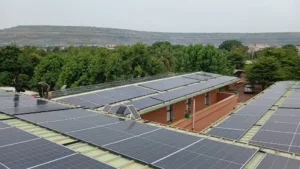
As summer approaches, there are more and more indications that the summer of 2023 may not be a nice one given the present frequency of extreme weather. The burden of high gas prices and electricity costs will undoubtedly fall on millions of homes. The greatest choice is unquestionably the installation of solar photovoltaic panels, and you may add batteries so that any extra electricity can be sold to the government.
Since its founding in 2008, Maysun Solar has specialized on producing high-quality photovoltaic modules. Choose Maysun Solar because we have high-quality solar panels that will meet your demands; get in touch with us so that we can work together to build a sustainable future!

Low-Carbon PV Procurement in France: Why ECS, PEP Ecopassport and Solar Carports Matter
Table of Contents France is becoming one of Europe’s most documentation-driven solar markets. For EPC companies, developers and commercial project owners, module selection is no longer based only on price-per-watt, efficiency or linear power warranties. Carbon documentation, supply-chain traceability and project-specific compliance files

PV Module Installation Beyond Rooftops: Multi-Scenario Applications for Bifacial N-Type Modules in Europe
PV module installation is not limited to rooftops. For residential users, small commercial users and distributed PV projects in Europe, spaces such as balconies, gardens, fences, carports, terraces, façades and pergolas can also provide additional installation areas when conditions allow. As solar use

Europe’s Grid Cap Era: Why High-Efficiency Solar Panels Matter More in 2026
Introduction In 2026, the economics of distributed solar in Europe are changing. Grid congestion, export limits, negative electricity prices and zero-export requirements mean that a solar project can no longer be judged only by how much electricity it generates. The more important question

How Do Solar Panel Delivery Delays Affect Installer Costs?
Solar panel delivery delays can affect installation schedules, project acceptance and payment collection.

The Forgotten “Invisible Assets”: Why Repowering Is the Strategic Key for European Solar in 2026
As grid congestion delays new solar projects across Europe, existing PV assets are becoming a strategic source of growth. This article explains why PV repowering can help EPCs and C&I asset owners unlock hidden value from already-connected solar plants, improve LCOE, and extend long-term asset performance with high-efficiency TOPCon, IBC and HJT modules.

Solar Panel Procurement in Europe: Why Stable Supply Matters More Than a One-Off Low Price
When European installers, distributors and corporate buyers choose solar panels, a one-off low price should not be the only factor. Stable supply, model continuity, technical documents and replenishment capacity often matter more for long-term cooperation and project delivery.