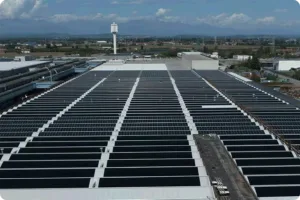
When planning to install a photovoltaic (solar) system, one of the first considerations is understanding the space required for the installation and the appropriate dimensions of the solar panels. The size of the system depends on how much energy needs to be generated to meet the energy demands of your household or business. Therefore, the solar panels must be large enough to accommodate a sufficient number of photovoltaic cells to meet the required energy output.
The size of the solar system—and thus the space it occupies—varies depending on the number of panels and cells that need to be installed. But what are the typical dimensions of a single solar panel?
Common Solar Panel Dimensions
Solar panels come in various sizes, but the most commonly used ones are standardized to fit both residential and industrial applications. Here’s a breakdown:
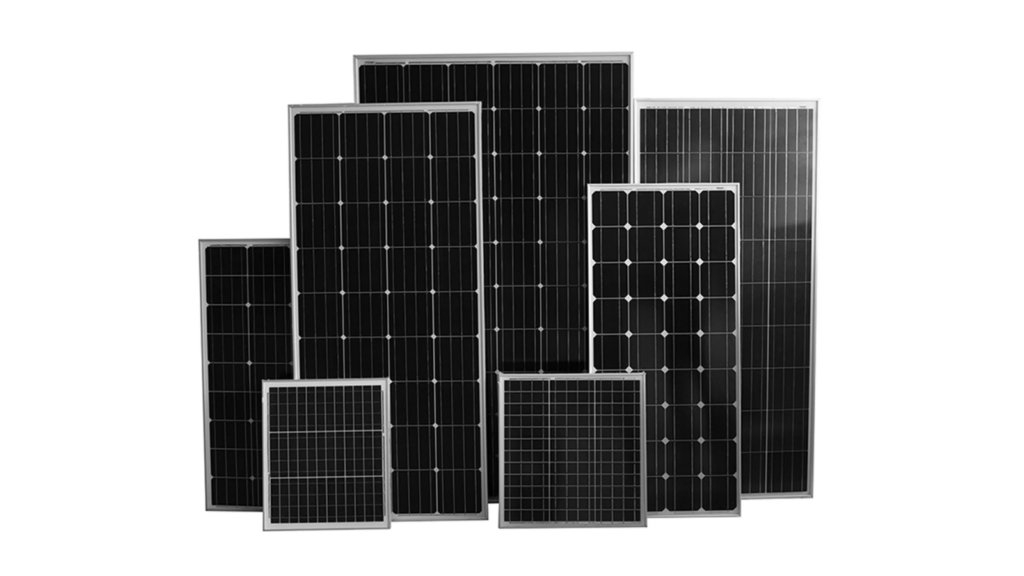
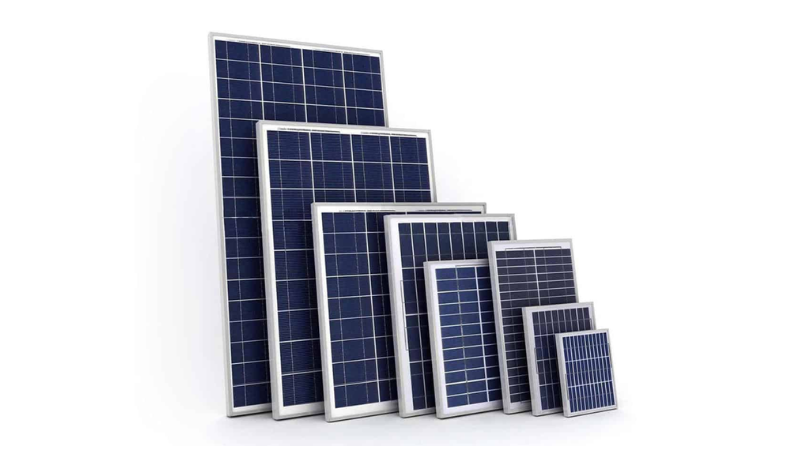
- Small-Size Solar Panels: These are ideal for limited spaces and typically measure around 120 x 60 cm. This size is common for thin-film panels, which are also known for being thinner and lighter. However, their efficiency is usually lower, around 8-10%, when compared to crystalline silicon panels. As a result, larger installation areas might be necessary to generate the same amount of energy.
- Large-Size Solar Panels: On the other end of the spectrum, typical large solar panels measure approximately 200 x 110 cm. These dimensions are used when space is not a significant constraint. Larger panels help optimize the overall system cost by reducing the need for mounting supports and cabling.
Types of Solar Panels and Their Dimensions
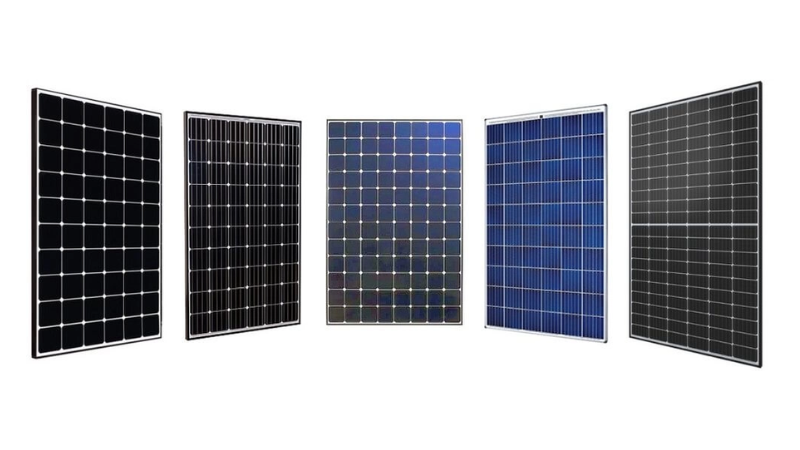
Solar panels come in different types, each with specific characteristics that influence their dimensions and efficiency:
- Polycrystalline Panels: These panels tend to be less efficient but are thinner and narrower. The peak power of polycrystalline panels typically ranges between 230 Wp and 290 Wp. Their standard dimensions are about:
- Height: 160-170 cm
- Width: 90-100 cm
- Thickness: 3-4 cm
- Monocrystalline Panels: Offering higher efficiency, these panels are slightly larger, with peak power ranging between 380 Wp and 480 Wp. The typical dimensions for monocrystalline panels are:
- Height: 170-175 cm
- Width: 110-115 cm
- Thickness: 3-4 cm
While polycrystalline panels have been a popular and economical choice for many years, monocrystalline panels are becoming more preferred due to their higher efficiency.
Space Requirements for Different Solar System Capacities
The size of the solar panels is directly linked to the capacity of the photovoltaic system you plan to install. For instance, the amount of energy required by a household will determine the size of the system. Here’s how much space is typically needed for systems of different capacities:
- 3 kW Solar System:
- Using monocrystalline panels: 18-22 m²
- Using polycrystalline panels: 24-33 m²
- Using thin-film panels: 33-39 m²
- 6 kW Solar System:
On average, at least 50 m² of space is required. However, the space requirement varies based on the type of roof:
- For pitched roofs: around 38-45 m²
- For flat roofs: about 55-65 m² to avoid shading.
Factors Affecting the Choice of Solar Panel Dimensions
There are several critical elements to consider when choosing the right solar panel size for your needs:
- Installation Space: One of the first questions installers will ask is, “What type of structure will the system be installed on, and how large is the available space?” Different types of structures—such as flat roofs, sloped roofs, carports, or ground-mounted installations—offer varying amounts of space. Based on the available space, the right size and performance of the solar panels must be selected.
- Energy Consumption: For an average household requiring 3,000 kWh of electricity annually, an installation of approximately 3 kWp (around 8 panels) would be sufficient. However, space constraints, panel efficiency, and installation preferences can all affect the number and size of panels required.
In conclusion, the availability of standardized panel sizes allows consumers to choose the most suitable solar panels based on their specific energy needs, available space, and efficiency requirements. Whether opting for smaller, more efficient panels or larger, cost-effective ones, it’s essential to consider both the performance and the available space to make an informed decision.
Since 2008, Maysun Solar has been dedicated to producing high-quality photovoltaic modules. Our range of solar panels, including IBC, HJT, TOPCon panels, and balcony solar stations, are manufactured using advanced technology and offer excellent performance and guaranteed quality. Maysun Solar has successfully established offices and warehouses in many countries and built long-term partnerships with top installers! For the latest quotes on solar panels or any photovoltaic-related inquiries, please contact us. We are committed to serving you, and our products provide reliable assurance.
Recommend Reading:
solar
对欧洲安装商、经销商和企业采购方来说,光伏组件采购不只是找到一个低价货源。真正影响后续销售和交付的,往往是供应商能否持续提供稳定型号、清晰文件、明确质保和可控交期。 对于日常补货、客户备货、工商业屋顶或多站点项目来说,一次性低价可以作为参考,但如果后续同系列组件断货、文件版本不一致或售后责任不清,前期节省的成本很容易被后续沟通和替换成本抵消 Table of Contents 1. 为什么组件采购不能只看最低报价? 光伏组件采购表面上是在比较每瓦价格,但对安装商、经销商和企业采购方来说,真正影响后续业务稳定性的,往往不是第一次下单的价格,而是后续能不能持续供货。 如果供应商只提供一次性低价,却无法保证型号连续、文件完整和交付节奏,采购方可能很快遇到这些问题: 第一批组件价格合适,但后续补货时同型号已经断货; 临时更换组件后,尺寸、功率或电流参数需要重新确认; datasheet、认证文件、质保资料不完整,影响客户交付或资料归档; 售后责任不清,出现破损、参数核对或质保问题时沟通成本增加; 经销商或安装商无法稳定向客户推荐同一系列产品。 对于普通一次性订单来说,这些问题可能只是增加沟通成本;但对于长期销售、批量备货或工商业客户来说,型号和供应不连续会直接影响客户信任和后续合作。 因此,低价可以作为采购参考,但不能成为唯一标准。更稳妥的采购判断,是同时比较价格、交期、文件、质保和补货能力。 2. 哪些采购场景更需要稳定供应? 并不是所有采购都需要长期锁定同一供应体系。小批量临时补货、标准化订单或一次性零售需求,本地经销渠道通常更灵活。 但在以下几类场景中,稳定供应比一次性低价更重要: 安装商常备型号:如果某一系列组件长期用于客户订单,型号稳定性会影响报价、设计和交付效率。 经销商批量备货:经销商不仅要考虑当前库存,还要考虑后续是否能继续补货,避免客户二次采购时型号变化过大。 企业客户采购:企业客户通常更关注交期、质保和文件完整性,而不只是单次采购价格。 工商业屋顶或农业建筑场景:这类应用往往需要提前确认组件尺寸、重量、电气参数和安装方式,临时更换型号会增加沟通成本。 多站点或分批采购客户:如果客户分阶段采购,持续供应同一系列组件可以减少后续匹配和替换压力。 对这些场景来说,供应商能不能稳定提供同一系列产品,往往比短期低价更重要。因为客户真正需要的不是一次“便宜采购”,而是一套可以持续配合销售和交付的供货方案。 3. 如何选择更适合的组件供应渠道? 不同采购场景适合不同供应方式。对安装商、经销商和企业采购方来说,不一定要在“本地经销商”和“制造商直采”之间二选一,而是要根据采购目的判断哪种方式更合适。 3.1 临时补货:更看重本地响应速度 如果只是少量补货、客户临时追加订单,或需要快速解决短期缺口,本地经销渠道通常更灵活。它的优势在于沟通快、数量灵活、交付距离短。 但这类采购更适合作为补充,不适合作为长期主力供应来源。因为临时库存往往存在型号不连续、批次不稳定或后续补货不确定的问题。 常见问题 1. 哪些企业项目更适合直接向组件制造商采购?如果项目规模较大、交付时间明确,或对组件型号、技术文件、质保资料和长期供货稳定性有要求,直接与组件制造商建立采购关系通常更有价值。 2. 光伏组件采购为什么不能只看最低价格?因为最低价格只反映第一次采购成本。对安装商、经销商和企业采购方来说,后续补货、型号连续、文件完整和售后责任同样会影响长期成本。 3. 只做临时补货,还需要关注稳定供应吗?需要,但关注重点不同。临时补货可以优先看交付速度和本地库存;如果后续还要继续销售同一系列组件,就应提前确认型号是否会持续供应、文件和质保资料是否完整。 4. 低价组件一定不能买吗? 不一定。低价本身不是问题,关键要看供货来源、文件支持、质保责任和型号连续性是否清晰。如果这些条件明确,价格优势可以作为参考;但如果低价伴随交期不确定、资料不完整或售后责任模糊,就不适合作为企业项目的主要判断依据。 5.

Solar Panel Procurement in Europe: Why Stable Supply Matters More Than a One-Off Low Price
When European installers, distributors and corporate buyers choose solar panels, a one-off low price should not be the only factor. Stable supply, model continuity, technical documents and replenishment capacity often matter more for long-term cooperation and project delivery.

How Important Is the Temperature Coefficient When Choosing a Solar Panel?
How important is temperature coefficient when choosing a solar panel? This article answers that question directly and explains which projects should include it in early screening and which do not need to treat it as a top priority.

When does HJT bifacial gain pay off on European rooftops, and when is IBC the better option?
When do HJT bifacial solar panels generate stronger returns on European rooftop projects, and when should IBC solar panels take priority?

Which homes are suitable for garden solar?
Which homes are suitable for garden solar? Assess space, shading, orientation and electricity-use goals to quickly judge whether garden solar is a suitable option.

Are Differences Between Solar Panels More Noticeable in High-Temperature Conditions?
High temperatures reduce solar panel efficiency, but the gap in summer power generation is not determined by temperature alone. This article compares the high-temperature performance of HJT, TOPCon and IBC, and explains how businesses should choose.


There are certainly a whole lot of particulars like that to take into consideration. That may be a nice level to carry up. I provide the thoughts above as normal inspiration however clearly there are questions like the one you convey up the place the most important thing will probably be working in sincere good faith. I don?t know if best practices have emerged round things like that, however I’m sure that your job is clearly recognized as a fair game. Each boys and girls feel the impact of only a moment’s pleasure, for the remainder of their lives.
its good as your other content : D, thanks for putting up.
Thank you so much for your kind feedback! We’re thrilled to know that you enjoy our content. If there’s anything specific you’d like to see in the future, feel free to share your suggestions. Your support means a lot to us!