Did you know that the efficiency of a solar PV system can be affected by a variety of factors? For the sake of your beloved solar panels, it is important to understand these factors.
Table of Contents
What factor affects the efficiency of solar panels?
1. Temperature
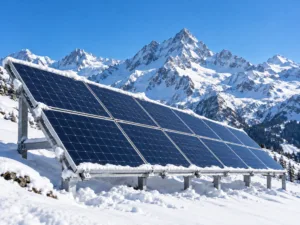
The performance of solar panels is greatly influenced by temperature. High temperatures generally reduce the efficiency of solar panels, whereas low temperatures tend to increase their efficiency. The impact, however, differs based on the specific solar cell type.
Thin film cells are less sensitive to temperature changes compared to crystalline silicon cells. On a hot day, thin-film panels will generate more electricity compared to crystalline silicon PV panels.
On cold days, the opposite is true. If you reside in a region with varying temperatures, it might be more advantageous to opt for thin-film panels. If you reside in a hot climate, it might be more suitable to opt for crystalline silicon panels.
Temperature can greatly affect the efficiency of solar panels. Therefore, it is crucial to select the appropriate panel for your specific climate.
2. The intensity of the sunlight
The intensity of the sun is a factor that affects the efficiency of solar panels. Solar panel cells are devices that convert sunlight into electricity. The intensity of the sun can affect the efficiency of these cells.
PV cells are most efficient when exposed to moderate sunlight. The amount of electricity produced by the cells is reduced when there is either too much or too little sunlight.
Solar panel systems are equipped with shading devices to keep the cells in the optimal range. This is done to ensure their efficiency. These devices can greatly improve the efficiency of solar panels by ensuring consistent levels of sunlight.
3.Shading
Solar panel cells are most efficient when they are exposed to direct sunlight. Shading caused by trees, buildings, or other objects can decrease the amount of sunlight that reaches the cells. This, in turn, reduces the amount of electricity produced.
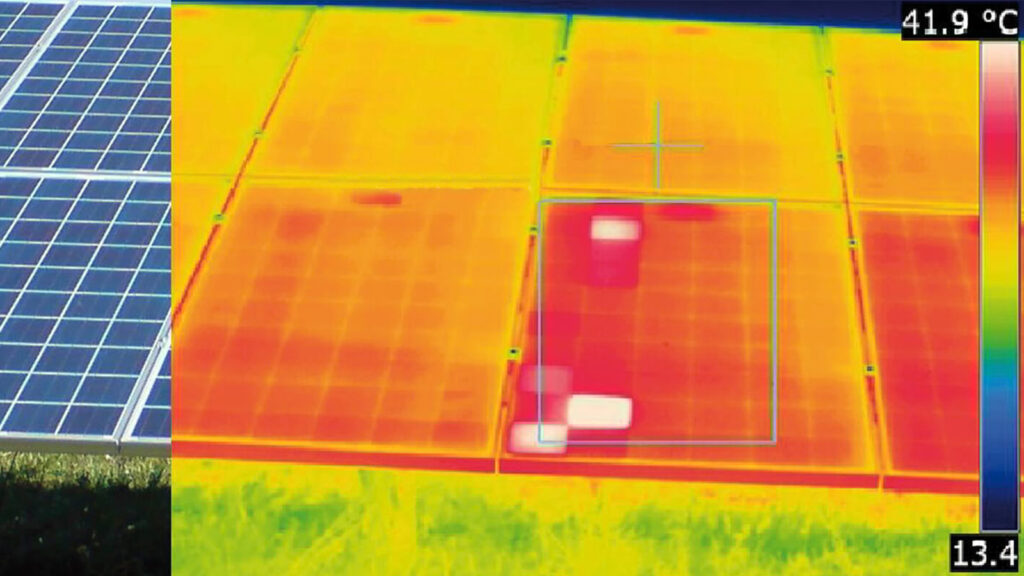
Shading can sometimes cause cells to develop hot spots, potentially resulting in permanent damage. To ensure your solar panels receive ample sunlight throughout the day, it is crucial to carefully choose their locati0n. If shading cannot be avoided, using specialized solar panels can help reduce the impact of shading.
4.Climatic conditions
The efficiency of solar panels is greatly influenced by climatic conditions. Solar panels are at their highest efficiency when they are positioned perpendicular to the sun’s rays. Solar panels are most effective when the sun is directly overhead, but this is not a common occurrence in most regions of the world.
The effectiveness of solar panels is influenced by the angle of the sun. When the sun is at a lower position in the sky, its light has to pass through a greater distance of the atmosphere in order to reach the panels. The efficiency of solar panels can be reduced when some of the sunlight is scattered or absorbed before reaching the panels.
Clouds can also have a similar effect, although it is not as strong. Solar panels are partially shaded by trees, which reduces the amount of sunlight they receive. However, the shade also helps to cool the panels, making them more efficient.
5. Time of use of Solar panels
The efficiency of a PV cell is influenced by the lifespan of a solar panel. Solar panels are composed of semiconductor materials. However, as time passes, these materials degrade, and their ability to convert sunlight into electricity decreases.
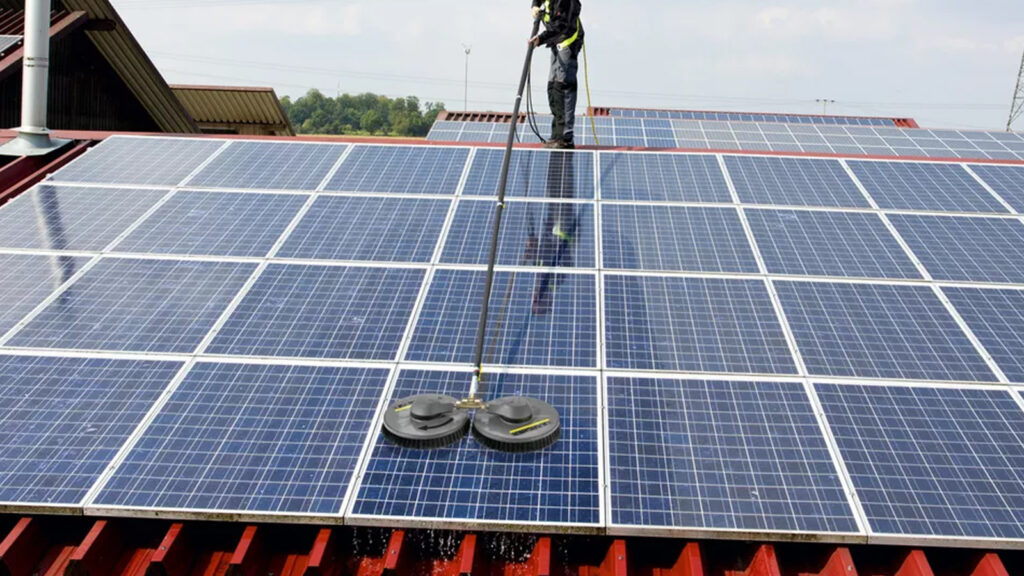
Solar panels can get dirty and covered in debris, which makes it harder for light to reach the cells and reduces their efficiency. To ensure optimal performance, it is crucial to regularly clean and maintain solar panels.
When deciding whether or not to replace aging solar panels, it’s important to consider that they usually come with a 20–25-year warranty. Solar panels can keep generating clean and renewable energy for a long time with the right care and maintenance.
What are some ways to increase the efficiency of solar panels?
1. Choose high efficiency solar panels.
Solar panels are made up of photovoltaic cells. These cells are responsible for converting sunlight into electricity that can be used. Solar panels are indeed great, but it’s important to note that they are not able to convert all of the solar energy they receive into electricity.
The efficiency of a panel refers to the percentage of energy that is converted into electricity by the photovoltaic cells, out of the total energy reaching the panel.
In the past five years, solar cell technology has made significant progress. The average efficiency of solar cells has improved from approximately 15% to 20%. Not all solar panels are the same. The efficiency and price of a model depend on its materials and construction.
If you want the best results, it’s important to buy a more efficient commercial solar panel, even though it may have a higher initial cost.
Maysun’s latest IBC PV panels, the cell technology is more advanced than PERC and TopCon technology. IBC cells have a short-circuit current density of 5–8%, and the maximum efficiency of IBC solar panels is up to 23.2%, which is higher than other solar panels.
2.Refrain from installing solar panels in areas that receive shade.
Shading just one photovoltaic cell can impact the energy output of the surrounding cells. The reason for this is that it functions as a resistor.
Shading from tall trees and buildings is a common issue that affects the performance of solar panels. During the planning process, it is important to take the time to analyze the site and make sure that shading will not pose a problem.
Make sure to avoid installing panels in places that are shaded by trees or buildings.
The appropriate placement angle for photovoltaic panel installation is 45 degrees, due south.
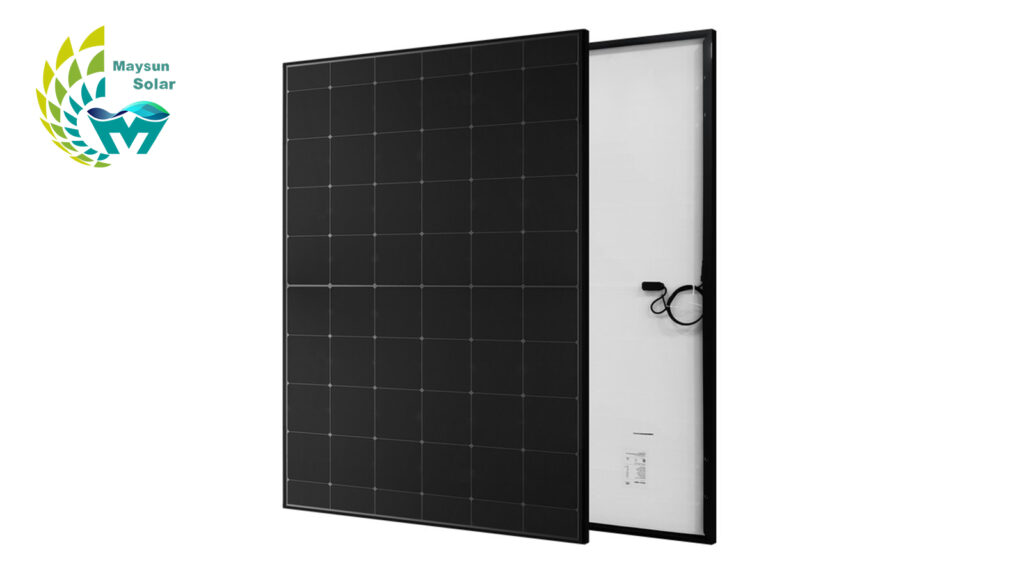
If shading is unavoidable, you can choose to use solar panels with MOS bypass switches. Maysun Solar’s Venusun all-black solar panels are fitted with MOS (MOS bypass switches), which are more efficient in energy conversion. Their design and features minimize power loss even in complex shading scenarios.
3.Seek help from professional experts to install solar panels.
Solar panels need to be installed correctly in order to receive the best sun exposure and generate maximum power.
When installing panels, it is important to consider orientation and angle as key factors. To maximize sun exposure, it is recommended to position solar panels at an angle ranging from 18 to 36 degrees. To optimize the performance of your solar panels in the northern hemisphere, it is recommended to position them facing south. If you are in the Southern Hemisphere, you should face north.
The efficiency of solar panels is influenced by temperature levels. When the temperature goes up, the panels become less effective. It is important to ensure that there is sufficient space between the solar panels and the roof during installation to ensure easy airflow so overheating won’t happen.
If you are unfamiliar with this information, it might be beneficial to seek assistance from experts when installing solar panels. This will help you maximize their benefits.
4.Regular cleaning of solar panels.
Regular cleaning helps ensure the solar panels are functioning optimally and producing the maximum amount of power.
Especially in places with heavy pollution and dense forests, or in hilly areas and dusty places, where there are many mixed pollutants, it’s important to do regular cleaning of your solar panels.
The best time to clean your solar panels is spring, preferably in the cool mornings or evenings. Can be wiped dry with a scraper or chamois, just like wiping glass or washing a car. Soap can also be used, but be careful not to be stronger or harsher than dish soap.
Maysun Solar has focused on creating premium panel modules since 2008. We use half-cut, MBB, IBC, and Shingled technologies in a variety of solar panles, including those that are all-black, black frame, silver, and glass-to-glass. These solar panles provide exceptional performance and chic looks that fit nicely with any architecture. Maysun Solar has effectively created warehouses and offices in numerous nations, and it has developed enduring connections with top installers! Contact us if you have any questions about PV or would want the most recent module quotes. We will be delighted to assist you.

Why Do Solar Panels Lose Power in Hot Weather? How Temperature Coefficient and Roof Ventilation Affect Summer Energy Yield
Summer brings stronger sunlight and longer daylight hours, so it is normally one of the most productive seasons for a solar system. However, some system owners notice that solar panel output does not continue to rise during the hottest part of the day.

How to Design a Low-Maintenance Rooftop Solar System
Introduction A low-maintenance rooftop solar system is not created after installation. It is designed before installation. Over a 20–30 year operating life, rising O&M costs are rarely caused by dirty glass alone. They are more often caused by design decisions made at the

European Heatwaves and PV Self-Consumption: Why HJT Solar Modules Perform Better in Hot Summers
Across Europe, summer heatwaves are no longer just a climate or comfort issue. They are becoming an energy-use issue. During hot summer days, air conditioning, ventilation, refrigeration, office equipment and industrial cooling loads can rise exactly when rooftop solar modules are exposed to

Partial Shading on Solar Panels: Why a Small Shadow Can Cause Major Power Losses
Introduction: Shading Is Not Just a Surface Area Problem In a photovoltaic system, a small shadow can be amplified by the electrical structure of the module. In a typical module with three electrical sections, a shaded area covering only a small part of

From Half-Cell to Multi-Cut: Why PV Modules Are Paying More Attention to More Segmented Circuit Design?
Table of Contents In recent years, half-cell modules have become a mainstream design in the photovoltaic market. Compared with traditional full-cell modules, half-cell technology reduces the operating current of each cell unit, lowers internal resistive losses, and improves thermal management and partial shading

Does Summer Heat Reduce Solar Panel Efficiency? What Really Happens to PV Output
Table of Contents Many PV users notice an unusual phenomenon in summer: although sunlight is strongest at noon, the power curve shown in the monitoring app does not reach the expected peak. In contrast, on a sunny spring day, or just after a