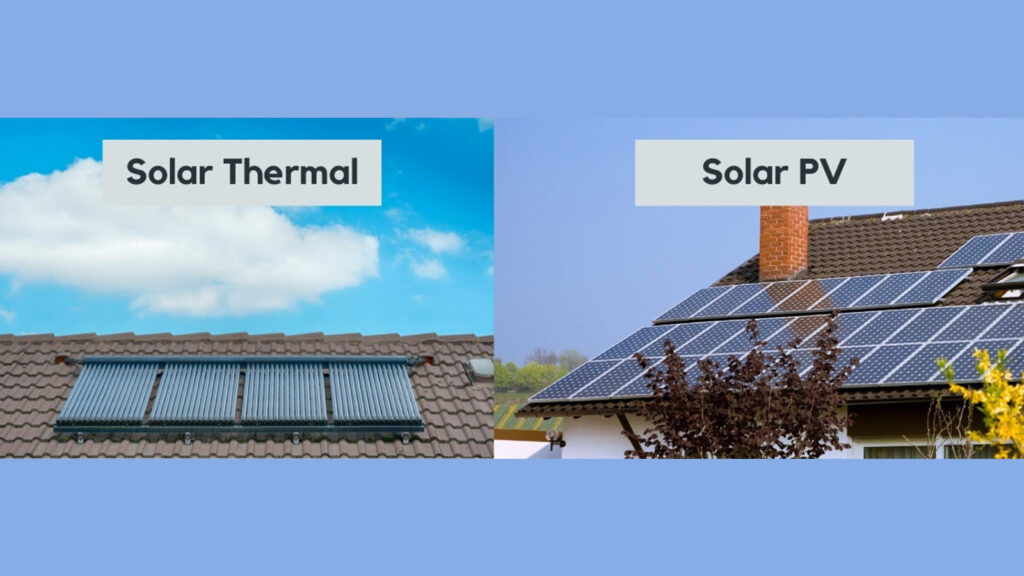
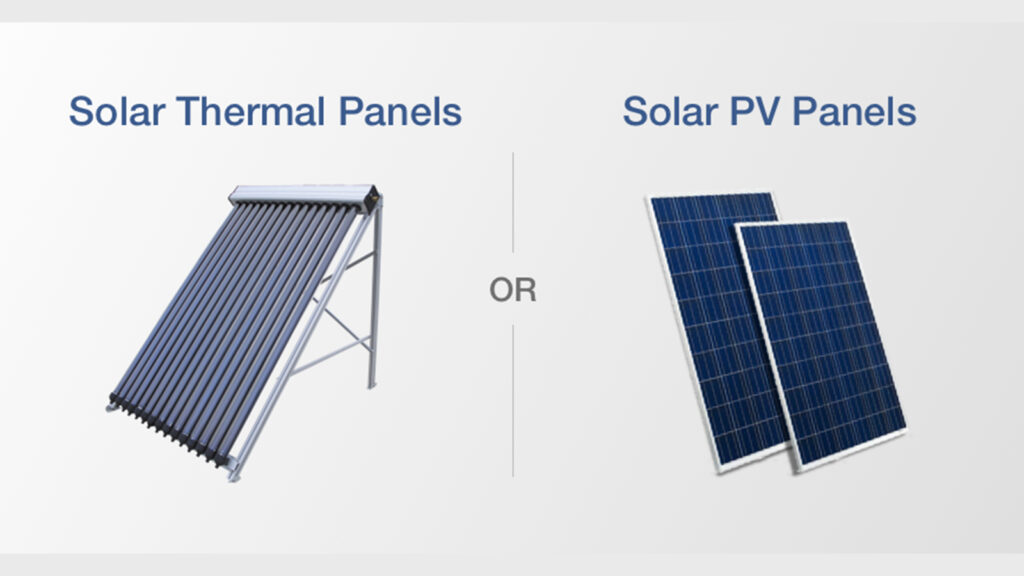
What is the difference between a solar PV (photovoltaic) and a solar thermal system?
The core difference is how they work.
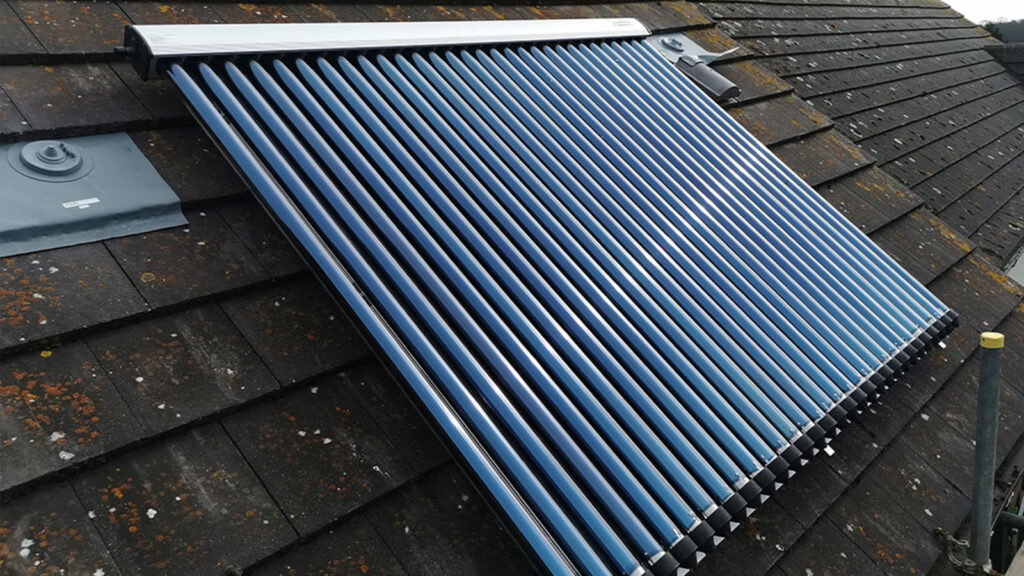
First, concentrated solar thermal systems generate electricity by converting solar energy into high-temperature heat. The way this particular technology works is that the sun’s energy is focused by multiple reflectors, and the focused energy is then used to power electrical generators and heat engines. The system’s plant is divided into two parts: one part collects solar energy and converts it into heat, and the other part converts heat into electricity. The alternating current is generated indirectly through concentrated solar thermal systems and is therefore easily spread across the grid.
In contrast, solar PV (photovoltaic) cells are completely different from concentrated solar thermal systems. The process of converting light directly into energy occurs when solar PV (photovoltaic) cells absorb light, causing electrons to become free. That’s how it works. The current generated by the flow of loose electrons is captured and transferred to the wire to create direct current. Once DC power is generated, it is usually converted to AC power using an inverter so that it can be distributed throughout the grid.
Solar thermal and solar PV (photovoltaic) can be used in a variety of ways; in most cases, thermal captures heat while panels generate electricity. Now that we understand some characteristics of solar thermal and panel systems, we can easily conclude that solar thermal is more efficient.
What Are the Application Scenarios for Solar PV?
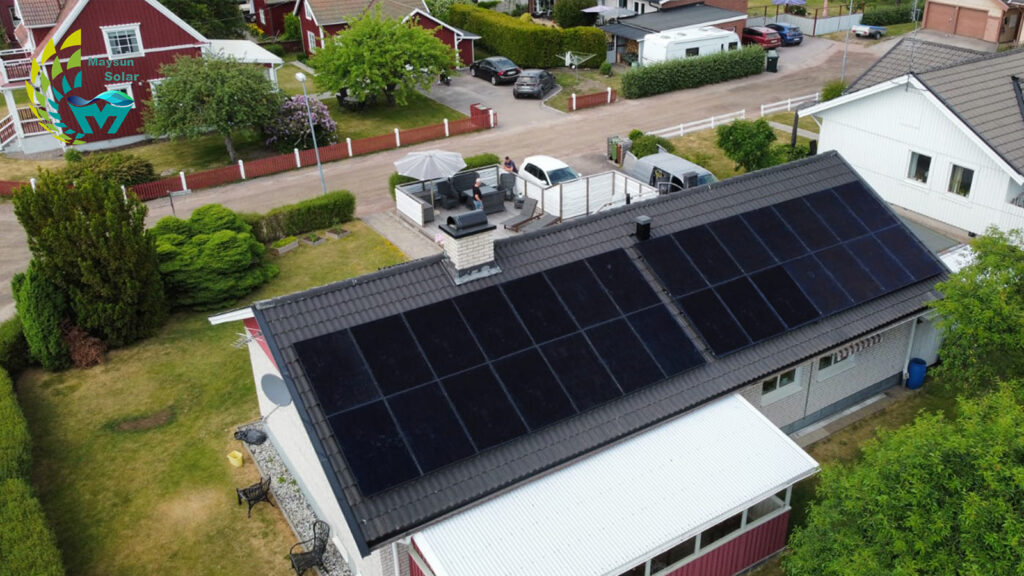
1. Rooftop photovoltaic power generation for ordinary households: In rural areas, solar power panels are used in a considerable number of places. Not only can they save energy and electricity, but they can also generate revenue from the excess electricity.
2. Complementarity between photovoltaics and fisheries: solar photovoltaic panels can block sunlight from hitting the water surface, reducing water evaporation and increasing the likelihood of survival for fish and shrimp. Secondly, they also prevent the growth of algal plants, creating an ideal growing environment for fish and shrip. On the one hand, it can help reduce the space requirements for the installation of photovoltaic panels. On the other hand, the electricity generated by solar panels can help meet the operating demand of fishing industry.
3. Complementary agricultural photovoltaic: By erecting solar photovoltaic panels with different light transmittance, it can satisfy the light demand of various crops, and realize the cultivation of organic agricultural products, seedlings, and other high-value-added crops and anti-seasonal planting. The additional power generation capacity can meet the power generation needs of agriculture.
What Are the Application Scenarios for Solar Thermal?
1. Water heating
This is one of the original uses of solar thermal energy, i.e., the direct conversion of solar radiation into heat. Low or high-temperature applications are two different ways of utilizing solar thermal energy.
2. Concentrating solar power plants
Solar thermal energy with temperatures up to 500 °C is generated using solar radiation. Electricity is generated by utilizing the heat stored in the working fluid of the receiver. Compared to photovoltaic power generation, there are no very complex technical issues. However, the service life of solar thermal is not long, and it is impossible to provide a long-term power supply.
3. Solar chimneys
In highly isolated plains areas of relatively low commercial value, such as the semi-arid regions of Brazil, various solar production technologies have been considered in addition to concentrating solar power plants. Compared to photovoltaics, the lower cost makes it suitable for solar thermal power generation
Compared with solar thermal, what are the advantages of solar PV (photovoltaic) power generation?
Compared with solar thermal utilization technology, solar PV (photovoltaic) power generation has the following main advantages, including:
Solar PV is more flexible than solar thermal because the electricity generated by a solar PV panel can be used for a variety of purposes.
Panels typically last longer than solar thermal, capable of generating electricity for around 30 years, although in reality many solar PV (photovoltaic) systems last much longer, albeit with declining efficiency levels.
Solar PV (photovoltaic) can generate more electricity than is actually needed, especially in the summer, so the excess electricity can be exported to the grid in exchange for payment.
Compared with solar thermal, what are the disadvantages of solar PV (photovoltaic) power generation?
One disadvantage of solar PV (photovoltaic) compared to solar thermal is the generally higher upfront cost of installing the system, although this can be offset by savings in energy bills.
They also take up more space than a solar thermal panel, which can be problematic for some roofs or houses.
Most importanly, finding reliable solar PV panel suppliers and installers can sometimes be tricky. Maysun Solar is a reliable solar panel manufacturer, and our PV experts will recommend the right solar panel for your needs, reducing your decision-making costs and time! To find the best prices and seek advice from reliable original manufacturer.
Additionally, if the electricity generated by a solar PV panel is not used immediately, it will need to be stored in an accompanying energy storage system.
Solar Thermal vs Solar PV (photovoltaic)—which Should You Choose?
It depends on the type you need.
If you need electricity, panels will be the way to go. If thermal energy is required, solar thermal energy should be used. Suppose you need both heat and electricity. In this case, panels would be a better choice than solar thermal because electricity can be easily converted into any other form of energy with current technology. Solar systems are also becoming increasingly efficient. Since 2009, the cost of panel modules has dropped by 80%. In contrast, technological progress in the photothermal industry is not so significant.
Maysun Solar has focused on creating premium panel modules since 2008. We use half-cut, MBB, IBC, and Shingled technologies in a variety of solar panles, including those that are all-black, black frame, silver, and glass-to-glass. These solar panles provide exceptional performance and chic looks that fit nicely with any architecture. Maysun Solar has effectively created warehouses and offices in numerous nations, and it has developed enduring connections with top installers! Contact us if you have any questions about PV or would want the most recent module quotes. We will be delighted to assist you.
Source:
https://www.greenmatch.co.uk/blog/2016/04/differences-between-solar-photovoltaics-and-solar-thermal
solar
对欧洲安装商、经销商和企业采购方来说,光伏组件采购不只是找到一个低价货源。真正影响后续销售和交付的,往往是供应商能否持续提供稳定型号、清晰文件、明确质保和可控交期。 对于日常补货、客户备货、工商业屋顶或多站点项目来说,一次性低价可以作为参考,但如果后续同系列组件断货、文件版本不一致或售后责任不清,前期节省的成本很容易被后续沟通和替换成本抵消 Table of Contents 1. 为什么组件采购不能只看最低报价? 光伏组件采购表面上是在比较每瓦价格,但对安装商、经销商和企业采购方来说,真正影响后续业务稳定性的,往往不是第一次下单的价格,而是后续能不能持续供货。 如果供应商只提供一次性低价,却无法保证型号连续、文件完整和交付节奏,采购方可能很快遇到这些问题: 第一批组件价格合适,但后续补货时同型号已经断货; 临时更换组件后,尺寸、功率或电流参数需要重新确认; datasheet、认证文件、质保资料不完整,影响客户交付或资料归档; 售后责任不清,出现破损、参数核对或质保问题时沟通成本增加; 经销商或安装商无法稳定向客户推荐同一系列产品。 对于普通一次性订单来说,这些问题可能只是增加沟通成本;但对于长期销售、批量备货或工商业客户来说,型号和供应不连续会直接影响客户信任和后续合作。 因此,低价可以作为采购参考,但不能成为唯一标准。更稳妥的采购判断,是同时比较价格、交期、文件、质保和补货能力。 2. 哪些采购场景更需要稳定供应? 并不是所有采购都需要长期锁定同一供应体系。小批量临时补货、标准化订单或一次性零售需求,本地经销渠道通常更灵活。 但在以下几类场景中,稳定供应比一次性低价更重要: 安装商常备型号:如果某一系列组件长期用于客户订单,型号稳定性会影响报价、设计和交付效率。 经销商批量备货:经销商不仅要考虑当前库存,还要考虑后续是否能继续补货,避免客户二次采购时型号变化过大。 企业客户采购:企业客户通常更关注交期、质保和文件完整性,而不只是单次采购价格。 工商业屋顶或农业建筑场景:这类应用往往需要提前确认组件尺寸、重量、电气参数和安装方式,临时更换型号会增加沟通成本。 多站点或分批采购客户:如果客户分阶段采购,持续供应同一系列组件可以减少后续匹配和替换压力。 对这些场景来说,供应商能不能稳定提供同一系列产品,往往比短期低价更重要。因为客户真正需要的不是一次“便宜采购”,而是一套可以持续配合销售和交付的供货方案。 3. 如何选择更适合的组件供应渠道? 不同采购场景适合不同供应方式。对安装商、经销商和企业采购方来说,不一定要在“本地经销商”和“制造商直采”之间二选一,而是要根据采购目的判断哪种方式更合适。 3.1 临时补货:更看重本地响应速度 如果只是少量补货、客户临时追加订单,或需要快速解决短期缺口,本地经销渠道通常更灵活。它的优势在于沟通快、数量灵活、交付距离短。 但这类采购更适合作为补充,不适合作为长期主力供应来源。因为临时库存往往存在型号不连续、批次不稳定或后续补货不确定的问题。 常见问题 1. 哪些企业项目更适合直接向组件制造商采购?如果项目规模较大、交付时间明确,或对组件型号、技术文件、质保资料和长期供货稳定性有要求,直接与组件制造商建立采购关系通常更有价值。 2. 光伏组件采购为什么不能只看最低价格?因为最低价格只反映第一次采购成本。对安装商、经销商和企业采购方来说,后续补货、型号连续、文件完整和售后责任同样会影响长期成本。 3. 只做临时补货,还需要关注稳定供应吗?需要,但关注重点不同。临时补货可以优先看交付速度和本地库存;如果后续还要继续销售同一系列组件,就应提前确认型号是否会持续供应、文件和质保资料是否完整。 4. 低价组件一定不能买吗? 不一定。低价本身不是问题,关键要看供货来源、文件支持、质保责任和型号连续性是否清晰。如果这些条件明确,价格优势可以作为参考;但如果低价伴随交期不确定、资料不完整或售后责任模糊,就不适合作为企业项目的主要判断依据。 5.

Solar Panel Procurement in Europe: Why Stable Supply Matters More Than a One-Off Low Price
When European installers, distributors and corporate buyers choose solar panels, a one-off low price should not be the only factor. Stable supply, model continuity, technical documents and replenishment capacity often matter more for long-term cooperation and project delivery.

How Important Is the Temperature Coefficient When Choosing a Solar Panel?
How important is temperature coefficient when choosing a solar panel? This article answers that question directly and explains which projects should include it in early screening and which do not need to treat it as a top priority.

When does HJT bifacial gain pay off on European rooftops, and when is IBC the better option?
When do HJT bifacial solar panels generate stronger returns on European rooftop projects, and when should IBC solar panels take priority?

Which homes are suitable for garden solar?
Which homes are suitable for garden solar? Assess space, shading, orientation and electricity-use goals to quickly judge whether garden solar is a suitable option.

Are Differences Between Solar Panels More Noticeable in High-Temperature Conditions?
High temperatures reduce solar panel efficiency, but the gap in summer power generation is not determined by temperature alone. This article compares the high-temperature performance of HJT, TOPCon and IBC, and explains how businesses should choose.