Table of Contents
Performance degradation in photovoltaic modules is inevitable during operation and can be categorized into initial and long-term degradation. Common types include Light-Induced Degradation (LID), Potential-Induced Degradation (PID), hotspot effects, microcracks, and material aging. These degradation mechanisms are closely linked to factors such as doping materials, voltage stress, environmental loads, and encapsulation structures. If left unmanaged, they can directly impact the system’s long-term performance and return on investment.
Modern n-type technologies—such as TOPCon, HJT, and IBC—have improved material and process design, achieving an average annual degradation rate of 0.35%–0.4%, outperforming conventional PERC modules. To help users identify risks and optimize module selection and configuration, this article analyzes the above mechanisms by exploring their causes, technological differences, and mitigation strategies—supporting enterprises in building stable and reliable PV systems.
LID and Mitigation Strategies
Light-Induced Degradation (LID) refers to the initial performance loss triggered by light exposure, predominantly found in p-type silicon cells. Based on its underlying mechanisms, LID can be categorized into three types: boron-oxygen complex-induced degradation (BO-LID), light and elevated temperature-induced degradation (LeTID), and ultraviolet-induced degradation (UVID).
1. BO-LID (Boron-Oxygen Complex-Induced Degradation)
BO-LID is a common initial degradation mechanism observed in p-type silicon modules upon first light exposure, caused by the formation of boron-oxygen complexes in boron-doped silicon. This process typically occurs within the first few hours to days after system commissioning, resulting in a power loss of 2% to 5%, depending on the oxygen content of the wafer and the cell structure.
BO-LID progresses rapidly but saturates within a short period. Replacing boron with gallium doping or using low-oxygen wafers can significantly reduce this effect. Additionally, light soaking annealing treatments applied before shipment help stabilize the initial power output upon delivery.
After this initial stabilization phase, LID transitions to a linear degradation stage dominated by material aging, with an average annual degradation rate of 0.35%–0.4%. High-quality modules using n-type wafers (e.g., TOPCon, IBC, HJT) are naturally immune to BO-LID due to the absence of boron-oxygen complexes, ensuring higher initial power consistency and long-term reliability.
To compensate for early-stage degradation and boost nameplate power, some manufacturers apply a +5% power tolerance. However, this margin only applies under STC (Standard Test Conditions) and has limited effect on long-term real-world performance. Therefore, a module’s ability to suppress LID remains a key indicator of its quality.
2. UVID (Ultraviolet-Induced Degradation)
UVID refers to performance loss due to material degradation after prolonged exposure to ultraviolet radiation. In crystalline silicon modules, UV exposure can lead to the formation of a boron oxide layer on the surface, reducing efficiency. This type of degradation originates in the photovoltaic conversion materials and may be caused by chemical reactions or microstructural damage, ultimately reducing efficiency and output power.
To minimize UVID risk, manufacturers typically use UV-stable materials, optimize encapsulation layers for enhanced protection, and conduct accelerated UV aging tests to verify durability.
3. LeTID (Light and Elevated Temperature-Induced Degradation)
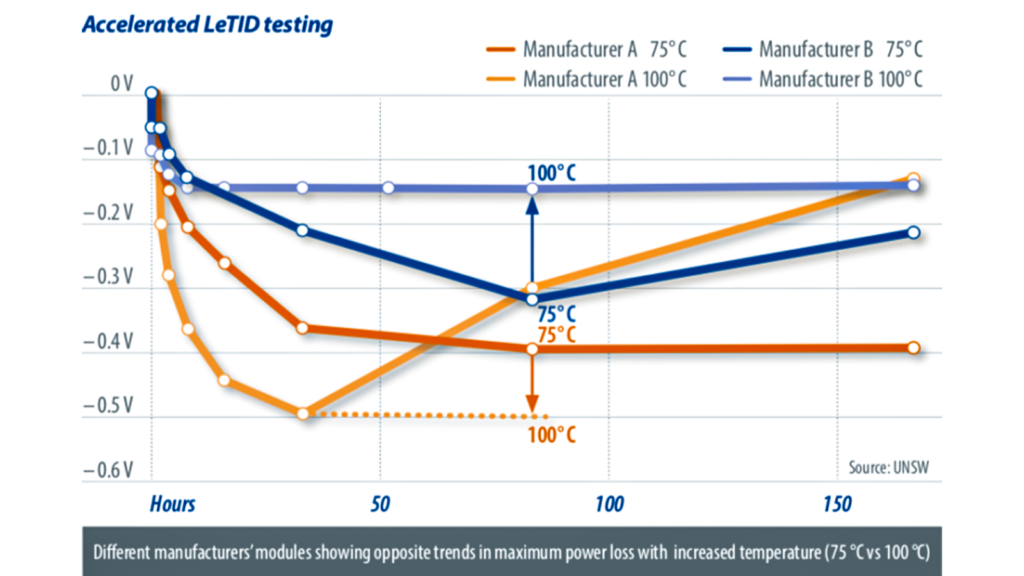
LeTID is a specific degradation phenomenon that occurs under strong sunlight and elevated temperatures, primarily due to defects within the cell material. High temperatures and irradiation activate these internal defects, leading to increased carrier recombination and electrical resistance, thus causing a drop in output power. While similar to LID, LeTID usually becomes apparent only after 3 to 12 months of real-world operation, with cumulative losses reaching 4% to 6%.
If manufacturers fail to address this mechanism, LeTID can become a significant warranty dispute issue. To mitigate the risk, companies must implement thermal stability testing, process optimization, and material improvements to enhance module performance under high-temperature conditions.
Recommendations:
-
Prioritize N-type Technologies
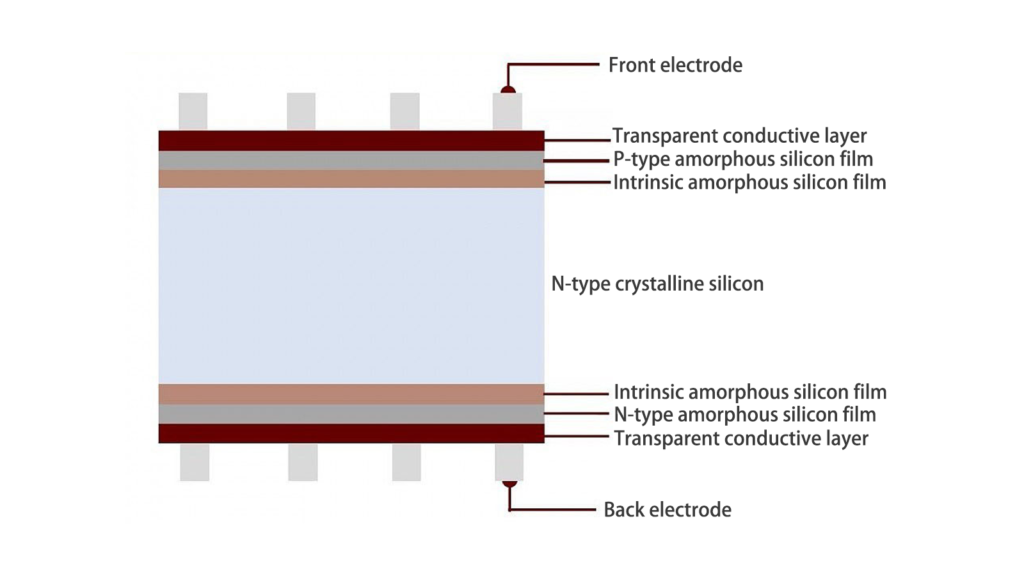
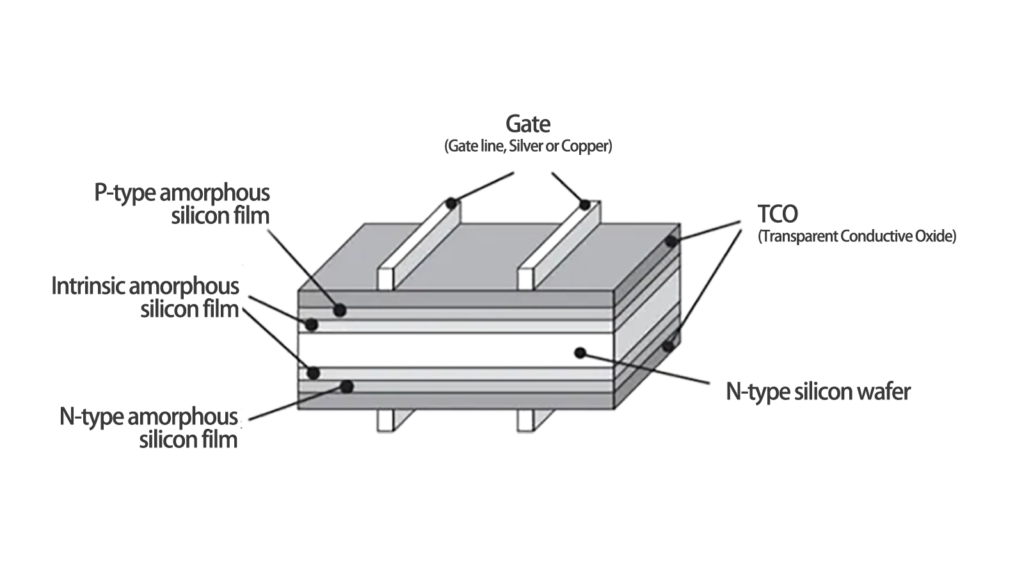
The long-term power degradation of a module largely depends on its cell structure. N-type cells, represented by technologies such as TOPCon, HJT, and IBC, naturally avoid LID (Light-Induced Degradation) due to the absence of boron-oxygen complexes. They offer superior initial stability and long-term reliability.
For example, HJT modules typically show:-
~1% degradation in the first year
-
~0.35% annual degradation from year 2 onward
-
30-year total degradation ≈ 1% + 29 × 0.35% = 11.15%
-
This allows overall degradation to stay below 12.6% over a 30-year lifespan, making these modules ideal for commercial and industrial projects that demand long-term yield stability.
-
Pay Attention to Encapsulation Structure
UV exposure, moisture ingress, and material discoloration are key accelerators of degradation. Choose modules with high UV resistance, dense encapsulation layers, and proven performance in reliability tests such as IEC 61215, which assess resistance to UV and damp heat. -
Understand Power Tolerance
Some modules feature a rated power tolerance of +3% to +5% to buffer initial degradation. However, this surplus is only valid under STC (Standard Test Conditions) and does not replace real-world anti-degradation performance. For accurate selection, prioritize field-tested degradation data and real-world performance records.
PID and Mitigation Strategies
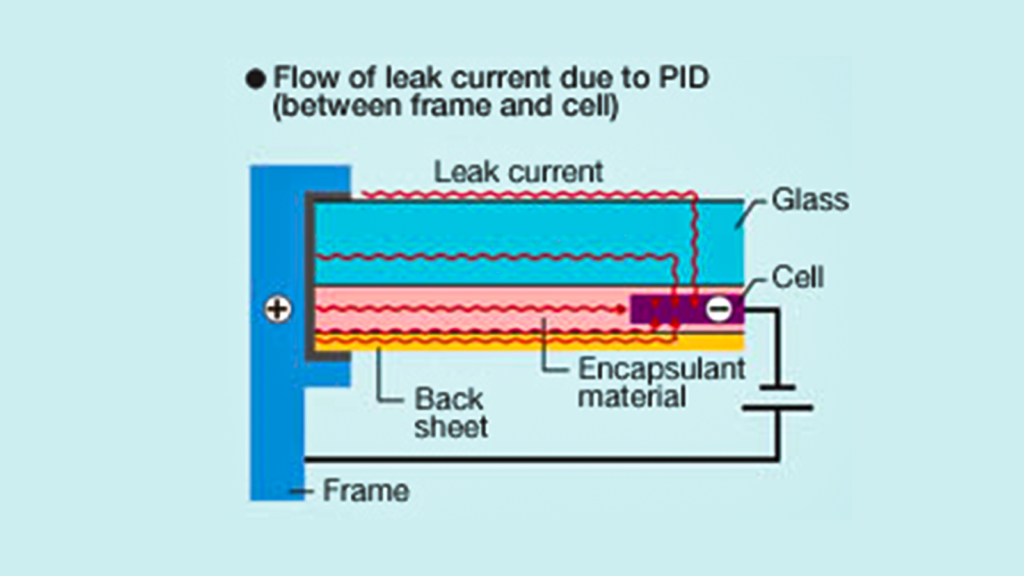
Potential-Induced Degradation (PID) is a common aging phenomenon observed in solar modules after 4 to 10 years of operation. It occurs when a persistent potential difference exists between the solar cells and the module’s frame or glass surface. Under high temperature and humidity, this can trigger the migration of contaminants such as sodium ions, which damage the insulation layer and eventually lead to cell degradation and power loss.
PID is difficult to detect in its early stages through visual inspection or standard monitoring tools. Accurate diagnosis typically requires EL imaging or IV curve analysis. For users without specialized equipment, voltage drops or unusually low string currents during operation may serve as early warning signs. If left unaddressed, PID can cause cumulative power losses of 20% to 50% over several years and may lead to warranty disputes.
Most modern module manufacturers now mitigate PID risk through PID-resistant materials and optimized manufacturing processes. However, third-party testing (e.g. by PVEL) has shown that under high voltage, large temperature differentials, and damp-heat conditions, PID effects may still occur—particularly in large-scale ground-mounted systems, where attention is especially warranted.
To minimize PID risk, project developers should prioritize the following when selecting modules:
-
Choose PID-resistant modules, verified through certifications such as IEC 62804 and proven to withstand high-humidity, high-voltage conditions.
-
Avoid excessive string length that results in overly high system voltages. Align the number of modules per string with inverter limits to stay within safe operating ranges.
-
Leverage inverter reverse bias capabilities, which can effectively counter PID accumulation—especially important for utility-scale installations.
-
Prioritize modules with long-term, third-party degradation data, ensuring real-world performance is backed by verified field testing.
Natural Aging of PV Modules and Recommendations
Beyond well-known degradation mechanisms like PID and LID, photovoltaic modules also suffer irreversible performance loss over time due to physical or chemical deterioration of the encapsulation layer, backsheet, glass, and the solar cells themselves. These natural aging factors are particularly accelerated under conditions of high temperature, humidity, and strong UV exposure. Therefore, careful attention must be paid to material selection and structural design early in the project to ensure long-term energy yield and system durability.
Encapsulation Layer Aging
Over time, the encapsulation layer of a PV module can undergo yellowing, cracking, or loss of adhesion due to prolonged UV exposure, leading to reduced light transmittance. Common encapsulation materials include EVA, POE, and the three-layer composite EPE (EVA+POE+EVA):
-
EVA is widely used due to mature processing but has limited aging resistance.
-
POE offers better electrical resistivity and moisture barrier properties.
-
EPE combines the strengths of both and is becoming the mainstream choice for mid-to-high-end modules.
Today, an increasing number of modules adopt full POE or EPE encapsulation to improve resistance to degradation in hot and humid environments.
Backsheet Degradation
Backsheet failure is one of the leading causes of mid-to-late-stage degradation, accelerating moisture ingress, cell corrosion, and electrical leakage. Common materials include PET, TPT (fluorinated PET), and PAPF with aluminum foil, each offering different levels of long-term reliability:
-
Standard PET backsheets are cost-effective but prone to hydrolysis under high heat and humidity, compromising sealing integrity.
-
PAPF backsheets provide excellent moisture resistance but may carry electrical leakage risks depending on the model.
-
Glass-glass modules, with glass on both sides, offer near-zero water vapor transmission rates (~0 g/m²·d), making them highly durable and suitable for large-scale systems requiring superior moisture and weather resistance.
When selecting modules, backsheet-cell compatibility is critical. N-type cells (like TOPCon and HJT) demand higher encapsulation integrity and light transmittance. Use UV-resistant multilayer backsheets or glass-glass designs to ensure long-term light stability.
Cell Degradation
As the core energy-conversion component, the stability of solar cells determines a module’s overall output. Most mainstream products have a design life of 25+ years, with warranties to match.
However, under extreme conditions—high temperature, humidity, and UV exposure—cell materials can deteriorate, increasing carrier recombination rates and causing efficiency and power output to drop. Degradation may also manifest as microcracks, metal gridline detachment, or accelerated aging, which may not be noticeable early on but accumulate into revenue losses over time.
To enhance cell durability, manufacturers should continuously improve wafer purity, doping processes, and electrode design. During operation, keeping modules clean, avoiding shading, and scheduling routine inspections can slow performance loss.
Glass Layer: Structural and Environmental Protection
The glass layer of a module provides both mechanical support and environmental shielding, acting as the first barrier against dust, moisture, and impact. Current mainstream solutions include:
-
3.2 mm fully tempered glass, known for high impact resistance and thermal stability, ideal for single-glass modules under heavy mechanical load.
-
2.0 mm / 1.6 mm semi-tempered glass, with better flatness and lower internal stress, is well-suited for bifacial lamination, improving yield and optical uniformity.
Glass-glass modules, with glass on both front and back, have near-zero moisture permeability and offer superior aging resistance in hot and humid climates. They have become the preferred structure for N-type cells, especially HJT, which demands high transparency and long-term stability. In contrast, conventional plastic backsheets fall short in moisture blocking and optical performance.
Additionally, the surface coating and anti-reflective design of the glass directly affect long-term transparency and durability. Check for compliance with reliability tests such as thermal cycling, salt mist, and sand abrasion.
As modules age, natural degradation becomes the dominant factor in system efficiency loss. It’s essential to choose high-stability encapsulation structures supported by field-tested data at the project’s outset, especially when operating in harsh environments, to ensure stable returns throughout the system’s lifecycle.
Why Does Degradation Rate Matter?
Even a 0.2% difference in annual degradation can lead to a substantial gap in long-term energy yield. For example, comparing a module with 1.5% first-year degradation and 0.4% annually to one with 0.5% annual degradation, the cumulative generation over 25 years could differ by 8%–10%, significantly affecting investment returns. Thus, the degradation rate is not only a quality metric—it’s a key determinant of profitability boundaries.
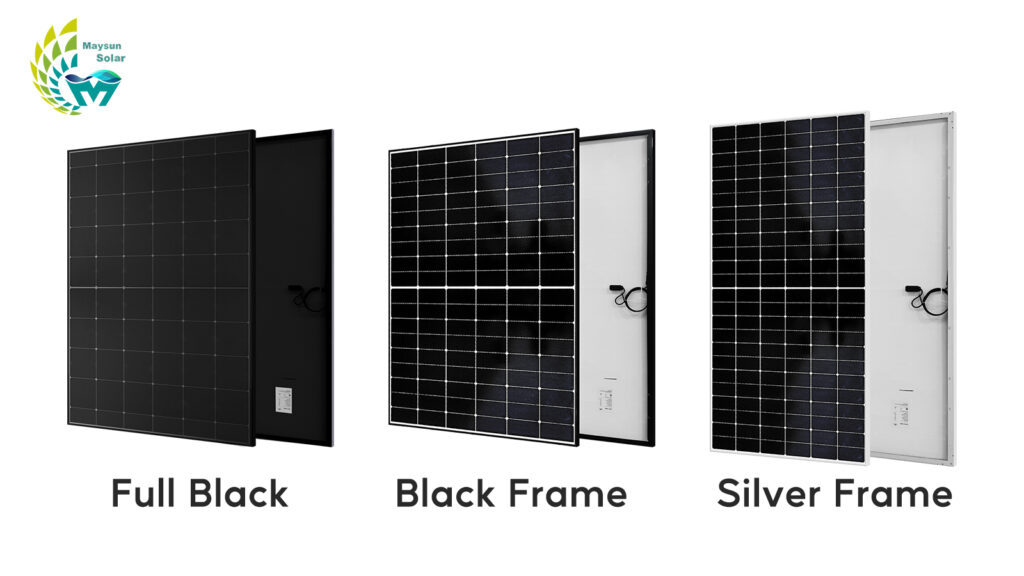
Microcracks and Hotspot Effects: Mechanisms and Mitigation Strategies
During operation, solar panels may develop microcracks, which can eventually lead to the formation of hotspots within the module. These issues often arise from improper installation, extreme wind loads, or transport-related impacts. While these microstructural defects are typically difficult to detect at an early stage, once formed, they can accelerate aging, reduce output power, and even pose safety risks.
Microcracks
Solar cells are typically only about 160 microns thick, making them vulnerable to mechanical stress during transport or installation—such as stepping, collisions, or wind loads. While fine cracks may not immediately affect module performance, over time, thermal cycling and moisture ingress can cause them to expand and penetrate current pathways. This results in increased resistance, disrupted carrier flow, and ultimately, reduced output and localized heating.
Persistent microcracks not only degrade electrical performance but can also act as triggers for hotspots. When cracks coincide with shading, contamination, or moisture infiltration, disrupted current paths may cause reverse current, which intensifies local heating and accelerates failure.
To enhance crack resistance, the industry has adopted technologies such as half-cut cells, multi-busbar (MBB) designs, and shingled layouts. Shingled modules, which connect cells via overlapping conductive strips, effectively bypass single-point crack-induced disconnections. High-performance modules like IBC types further improve resilience through large-area back contacts and the absence of front-side busbars, offering superior mechanical durability and conductive redundancy.
Recommendations:
To effectively mitigate the performance loss and safety risks associated with microcracks:
-
Select structurally optimized modules, such as those with half-cut cells, multi-busbar, or shingled designs.
-
Follow strict handling and installation protocols to avoid uneven force or mechanical stress during transport and setup.
-
Implement regular thermal imaging inspections during operation to detect early signs of heating anomalies.
-
Conduct shading analyses and optimize module layout to prevent local shading, which may exacerbate crack expansion and hotspot formation.
By integrating control across the entire project lifecycle—from module selection to installation and maintenance—developers can significantly slow the aging process and ensure system stability and energy yield over time.
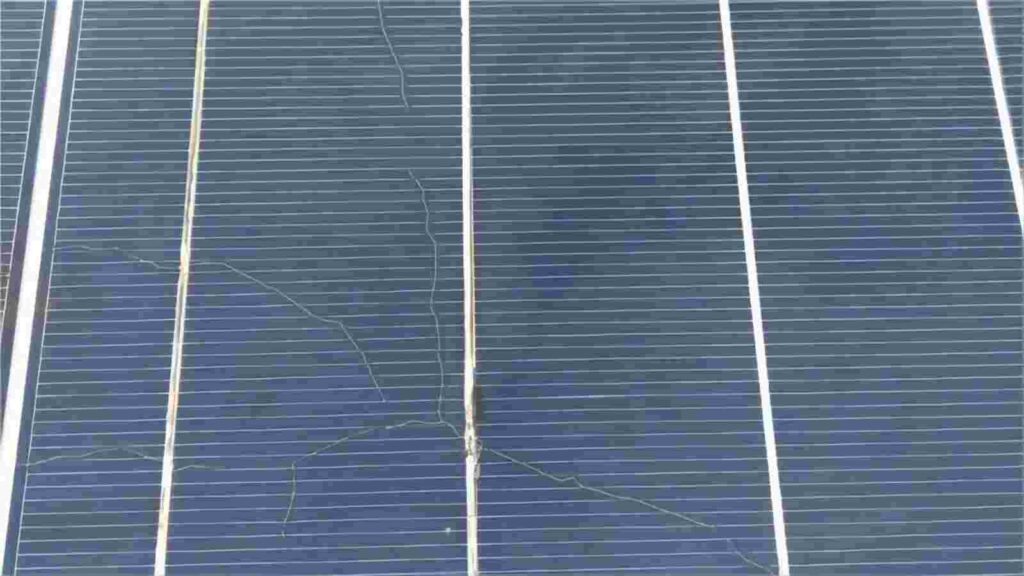
Hotspots
Hotspots typically occur when current flow is interrupted in a specific area of a solar module, forcing the current through a faulty cell in reverse direction. This causes the affected area to convert electrical energy into heat, resulting in abnormal local temperature rises. Prolonged high temperatures may lead to EVA carbonization, solder point burnout, glass cracking, or even fire hazards.
In addition to microcracks, common causes of hotspots include bird droppings, fallen leaves, shading from nearby structures, dust accumulation, and current mismatch due to improper inverter selection or MPPT tracking errors.
As system capacities and module sizes increase, hotspot-related efficiency losses and safety risks also escalate. Therefore, targeted preventive measures should be integrated into module selection and system design, addressing materials, structure, and electrical protection:
-
Use modules with fast-response bypass mechanisms, such as MOS switches instead of traditional bypass diodes, which can quickly cut off reverse current during partial shading and reduce hotspot duration.
-
Choose IBC modules, where current flows laterally along the rear contact, allowing conductivity to be maintained even under shading, significantly reducing hotspot risk.
-
At the project level, conduct shading analysis, reserve adequate ventilation space, and implement thermal imaging monitoring to ensure temperature rise is controlled during long-term operation.
-
In the O&M phase, regularly clean module surfaces and promptly remove obstructions, which is critical for preventing localized overheating.
Recommendations:
To effectively manage the performance loss and safety risks caused by hotspots:
-
Perform early-stage shading path analysis to avoid placing modules under long-term shading from trees, exhaust vents, leaf fall zones, or building shadows.
-
Select modules with fast bypass response capabilities, such as those with integrated MOS bypass switches or hotspot-resistant IBC designs, to shorten local heating duration when shading occurs.
-
Design for adequate airflow, optimizing module spacing and layout to improve heat dissipation.
-
During operation, introduce thermal imaging inspections and temperature rise monitoring, along with regular cleaning and management of contamination sources, to ensure uniform irradiance and efficient surface cooling.
These multi-layered measures significantly reduce hotspot activation likelihood and ensure stable, long-term operation of solar modules under high-temperature and partial shading conditions.
To improve the detection of microcracks and hotspots, it is recommended to regularly perform system status evaluations using the following methods:
| Inspection Method | Principle and Purpose | Application Stage | Advantages |
|---|---|---|---|
| EL Imaging | Detect micro-cracks and PID dark spots | Factory / On-site | Intuitive and visual |
| IV Curve Analysis | Evaluate electrical performance and identify degradation | Acceptance / O&M | Quantitative assessment |
| Infrared Imaging (IR) | Diagnose hotspots and shading issues | In operation / High-temperature seasons | Fast and non-contact |
| UV Aging Test | Predict encapsulation aging trends | Factory / R&D | Early screening |
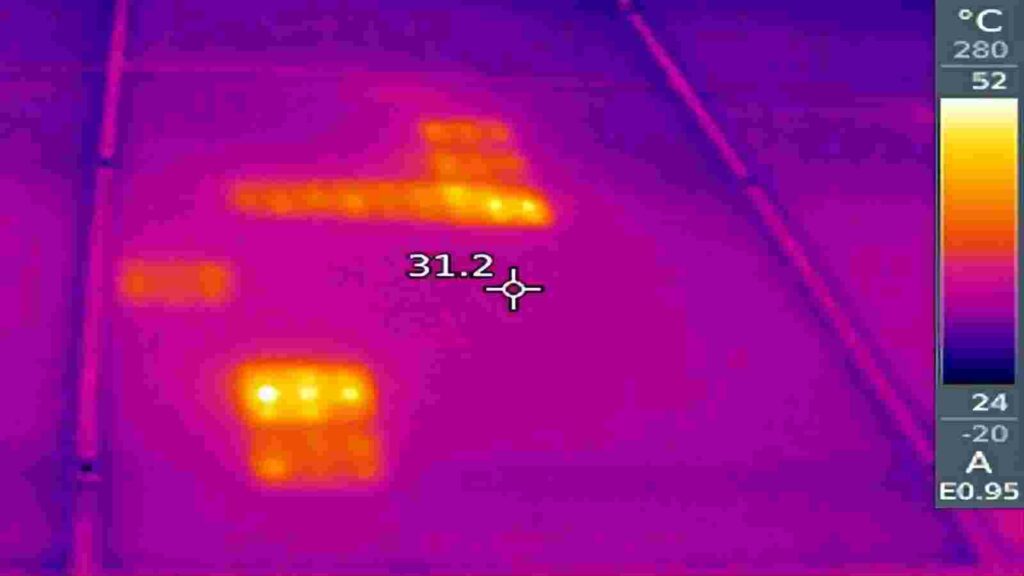
Hotspot-induced temperature rise can lead to serious safety risks, including fire hazards. To address this issue, Maysun Solar has introduced MOS bypass switches in its Venusun series PV modules, replacing traditional bypass diodes. These switches respond rapidly to changes in irradiance, dynamically adjusting to minimize the impact of shading on module performance.
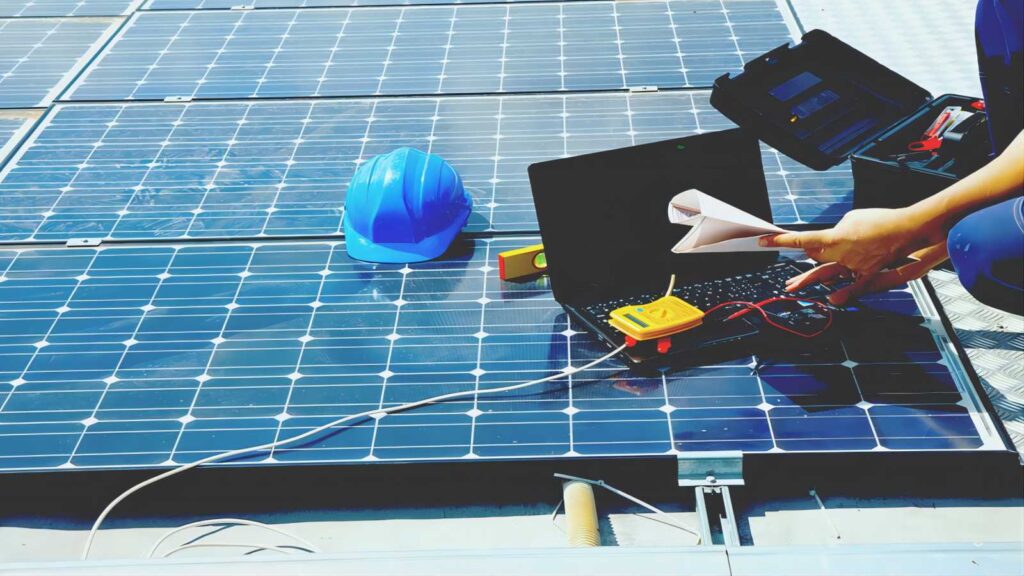
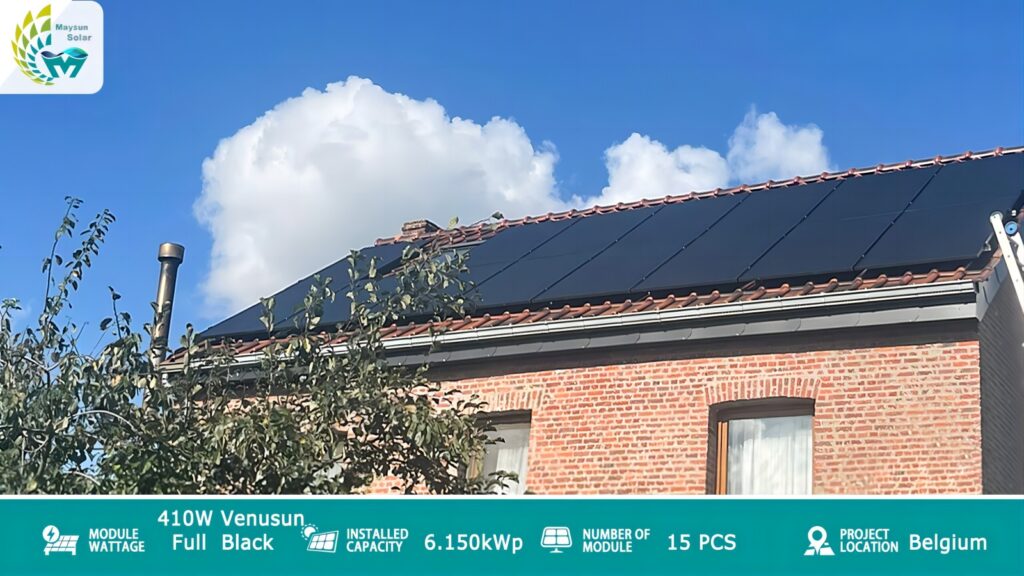
The image below shows an installer in Belgium mounting a Venusun full black 410W solar panel. Click the image to view full product details!
The IBC solar modules offered by Maysun feature positive and negative metal electrodes placed on the rear side, allowing stable current conduction even under partial shading. With no front-side metal gridlines, these modules eliminate the risk of localized overheating due to surface resistance, significantly reducing the likelihood of hotspot formation.
This product line comes with a 25-year power warranty, guaranteeing no more than 1.5% degradation in the first year, and a maximum of 0.4% linear degradation annually thereafter—making it ideal for commercial projects and high-end residential applications that prioritize long-term stable returns.
Since 2008, Maysun Solar has been both an investor and manufacturer in the photovoltaic industry, providing zero-investment commercial and industrial rooftop solar solutions. With 17 years in the European market and 1.1 GW of installed capacity, we offer fully financed solar projects, allowing businesses to monetize rooftops and reduce energy costs with no upfront investment. Our advanced IBC, HJT and TOPCon panels, and balcony solar stations, ensure high efficiency, durability, and long-term reliability. Maysun Solar handles all approvals, installation, and maintenance, ensuring a seamless, risk-free transition to solar energy while delivering stable returns.
Recommend Reading
5400 Pa Snow Load: How to Choose PV Modules with 30 mm or 35 mm Frames
For PV projects in Alpine and other high-snow-load regions in Europe, selecting a module based only on a “5400 Pa” rating or a 30 mm vs 35 mm frame height is not enough. A more reliable approach is to first determine the project-specific snow load
Carbon Footprint and LCA in European C&I Solar: Why EPCs Should Check Before Module Procurement
Solar power is widely regarded as a low-carbon energy source. However, generating electricity from solar energy and manufacturing a low-carbon solar module are not quite the same thing. Before a photovoltaic module leaves the factory, it passes through multiple manufacturing stages, including silicon
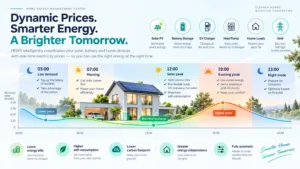
HEMS and Dynamic Electricity Pricing: From Solar Generation to Smart Energy Management
For years, home solar systems have focused on one main question: How much electricity can my rooftop solar system generate? But as home batteries, smart meters, electric vehicles and flexible electricity tariffs become more common, residential energy management is entering a new phase.
Maysun Solar’s First 3.5 MW Solar EPC Project in Italy Enters Its Final Stage
A large-scale commercial and industrial rooftop solar project with a total capacity of approximately 3.5 MWp is now entering its final stage in the Turin area of Piedmont, Italy. Around 8,000 solar modules planned for the project have now been fully installed.

August European Solar Industry News
In August 2026, Europe’s solar market combined record PV generation with volatile power prices driven by heat, gas costs and low wind output. Policy support also expanded, including 800 W plug-in solar in Great Britain and greater EU flexibility for PV and storage investments, while module prices largely stabilized amid renewed oversupply.
Industrial Roofs with Limited Load Capacity: Lightweight or High-Efficiency Solar Panels?
On an existing industrial roof, “lighter is better” is not a reliable module-selection rule. The first question is how much additional load the roof can safely accept. Only then does it make sense to compare module weight, power density, mounting method and the