The quality of photovoltaic modules determines the power generation efficiency, service life, and long-term returns of a solar power plant. While surface specifications may appear similar, different brands vary greatly in terms of workmanship, materials, and reliability. Identifying truly high-quality modules before procurement is crucial to ensuring project safety and profitability.
1. Inspect the Appearance
Appearance inspection is the first step in assessing the quality of a photovoltaic module. High-quality modules show clear advantages in process consistency and attention to detail, and many potential issues can be identified through visual checks.
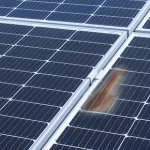
Are the cells uniform and intact: The surface color should be consistent, with no visible color differences, cracks, chipped edges, dark cells, or mismatched pieces.
Is the welding quality acceptable: Busbars should be aligned and straight, with no displacement (exposed white areas); no excessive soldering, cold solder joints, or over-soldering.
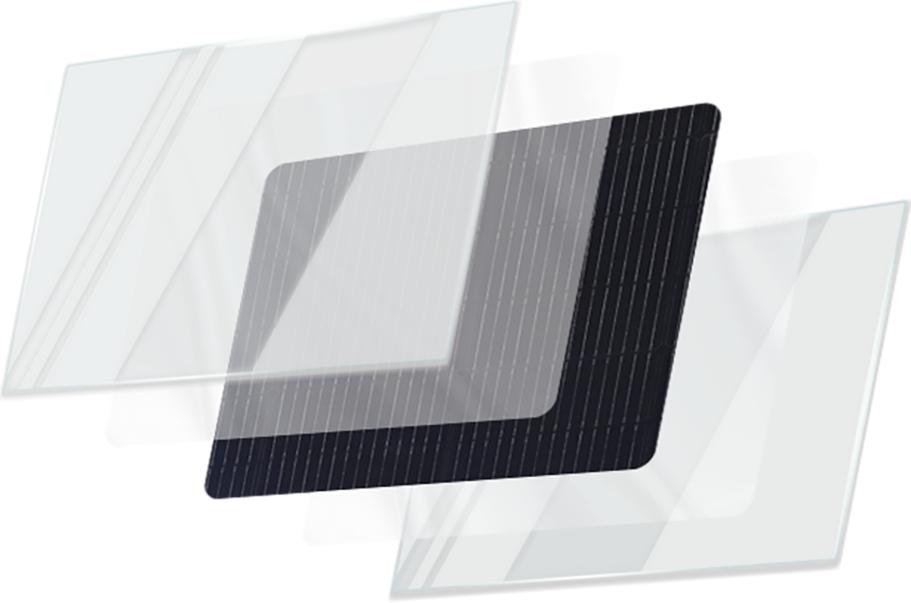
Is the encapsulation intact: The glass surface should be clean, free from glue stains, debris, or residues. Both the front and back of the module should be flat, with no bubbles, wrinkles, delamination, or localized bulging. The backsheet film must adhere tightly, with no lifted edges or deformation.
Frame and silicone sealant treatment: The frame should be straight, with diagonal error not exceeding 4 mm. Aluminum profiles should be burr-free and tightly joined, with a complete anodized coating. Edge sealing with silicone should be fully filled, bubble-free, and without leakage, ensuring a tight fit between the frame and the backsheet.
Is the junction box securely installed: The junction box must be firmly attached, with tightly locked cables and no looseness. Waterproof silicone must be adequately filled to ensure proper sealing.
A good appearance is not only a sign of quality manufacturing but also a fundamental guarantee of long-term reliable performance. Surface defects such as color inconsistency, cracks, or lifted edges often indicate poor cell sorting, encapsulation, or welding processes, which may lead to power mismatch, localized heating, and ultimately impact system performance and service life. Any visible irregularity should be treated with high caution.
2. Identify Hidden Defects
A good appearance does not guarantee that the module is free from internal issues. Many critical quality risks cannot be identified by the naked eye but can significantly impact power output and module lifespan. Defects such as microcracks, hot spots, and power mismatch are often not apparent during early installation but gradually emerge within 1 to 3 years of operation, leading to reduced energy production and potential equipment failure.
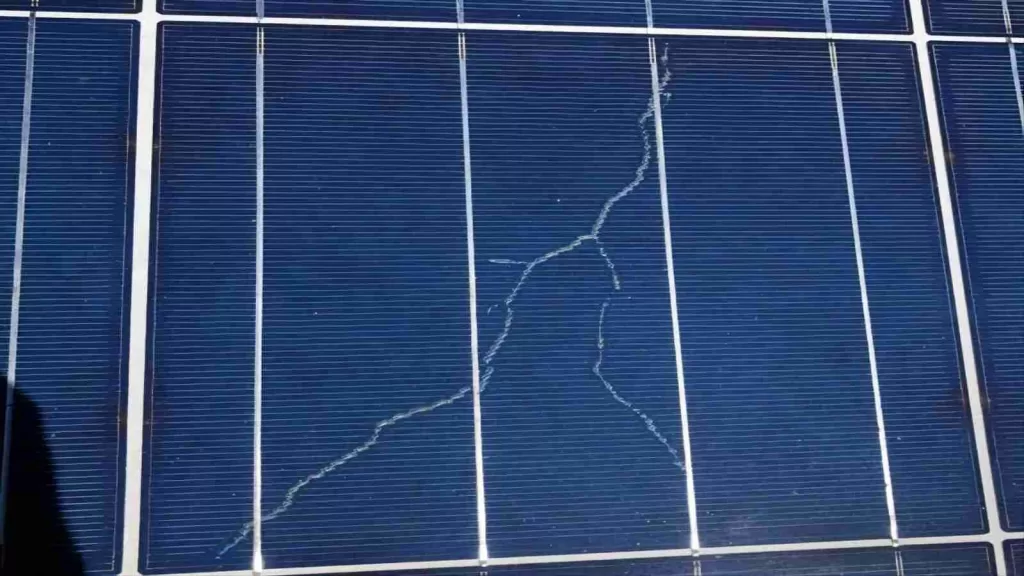
Microcrack detection: Microcracks are the most common internal defect in crystalline silicon modules and can be effectively detected using EL (electroluminescence) testing. Common crack patterns include tree-shaped cracks, diagonal cracks, parallel cracks, and through cracks. While the initial impact may be limited, thermal expansion and contraction over time can cause cracks to propagate, resulting in hot spots, abnormal output, or even module failure.
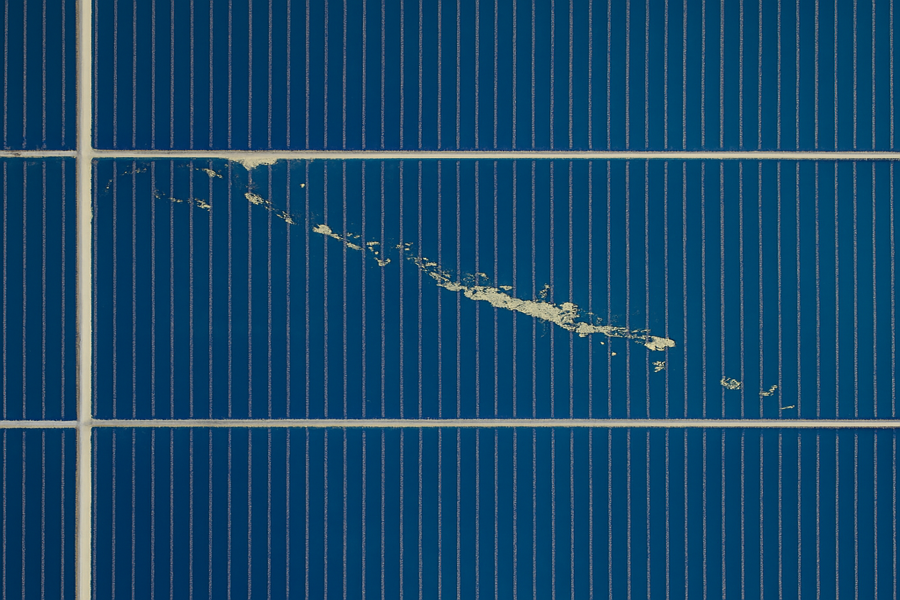
Snail trail identification: Black or gray linear patterns on the module surface, often extending along microcracks, are referred to as snail trails. While they do not directly reduce output, they signal underlying issues such as moisture ingress, cell microcracks, and encapsulation aging—early warnings of potential failure.
Hot spot risk assessment: Microcracks, cell mismatches, cold solder joints, power mismatch, or partial shading can interrupt current flow and cause localized heating, forming hot spots. Hot spots accelerate material degradation and can lead to glass breakage, melted solder joints, or burned-through backsheets—severe cases may even result in fire hazards.
Power consistency check: Inconsistent cell batches or mixed power ratings can cause uneven current within the module, leading to localized heating and faster performance degradation. These hidden mismatches are difficult to detect with EL imaging but often appear on IV curves as a decline in the fill factor.
In real-world projects, several commercial and industrial rooftop plants experienced significant power loss within two years of grid connection. Investigations revealed widespread microcrack expansion and hot spot issues, leading to costly replacements and repairs. Therefore, EL testing and power consistency checks prior to delivery are essential measures to prevent performance degradation and future system failures.
3. Evaluate Workmanship and Materials
Manufacturing processes and material quality directly determine the long-term reliability of photovoltaic modules in outdoor environments. Even if a module passes visual and EL inspections, poor materials or processes can still pose hidden risks.
Is the welding process up to standard: Welding should be smooth and firm, without cold solder joints, over-soldering, excessive solder buildup, or busbar misalignment. Poor welding affects current transmission and can lead to contact failure during long-term operation, resulting in hot spots, open circuits, or power degradation.
Is the lamination process qualified: The cross-linking degree of EVA film is the core indicator of lamination quality. It should be controlled at 85% ± 5%. If too low, it can cause delamination, moisture ingress, and yellowing; if too high, it may accelerate aging and cracking. Insufficiently cross-linked EVA deteriorates quickly, compromising the sealing performance of the module.
Are encapsulation materials reliable: EVA must be within its shelf life and possess good transparency and weather resistance. The backsheet should be made of highly durable materials with UV and moisture resistance or replaced with a dual-glass structure. The front tempered glass should be at least 3.2 mm thick to ensure resistance to impact and thermal expansion/contraction.
Is the frame structure robust: The anodized coating of the aluminum alloy frame should be ≥15 μm thick to provide excellent corrosion resistance. The diagonal error of the frame should not exceed 4 mm to ensure proper alignment and prevent mechanical stress-induced deformation or cracking.
Is the process control comprehensive: This is a key criterion for evaluating manufacturing quality. A standardized production process should include tensile testing of critical parts, periodic testing of EVA cross-linking, and validation of junction box pull strength and waterproof performance to ensure full quality assurance before delivery.
Only modules with high standards of process control and premium materials can maintain stable electrical performance and structural integrity under challenging conditions—heat, cold, humidity, and UV exposure—for up to 30 years. Careful scrutiny of manufacturing details, encapsulation quality, and the manufacturer’s quality control system is essential to avoiding long-term operation and maintenance risks and ensuring stable returns over the entire lifecycle of the plant.
4. Reliability Testing and Verification
Appearance and workmanship are only the foundation of module quality. Truly high-quality photovoltaic modules must undergo a series of rigorous reliability tests to prove their ability to operate stably over the long term in challenging conditions such as high temperatures, humidity, extreme temperature fluctuations, and high voltage environments.
Tensile test: Verifies the mechanical strength of connections such as busbars, ribbons, and junction boxes, ensuring they do not break or fail due to stress during transport, installation, or long-term operation.
Cross-linking test: Confirms whether the lamination process meets the standard. Inadequate EVA cross-linking leads to delamination, moisture ingress, and encapsulation failure; excessive cross-linking can accelerate material brittleness, shortening the module’s lifespan.
Double 85 test (high temperature and humidity): The module is placed in an environment of 85°C and 85% relative humidity for 1000 hours to evaluate aging resistance, moisture protection, and sealing integrity. High-quality modules should show no more than 5% power degradation.
Temperature cycling test (TC200): The module is cycled 200 times between -40°C and +85°C to simulate daily and seasonal temperature variations, testing whether the solder joints, encapsulation, and frame can withstand long-term thermal stress.
PID (Potential-Induced Degradation) test: A reverse voltage of 1000V is applied at 85°C and 85% humidity for 96 hours to assess the risk of power loss under high-voltage operating conditions.
UV aging and mechanical load tests: These verify whether the module exhibits yellowing, cracking, or encapsulation degradation under strong UV exposure. Mechanical load testing checks the module’s ability to withstand static and dynamic loads such as wind pressure and snow, preventing glass breakage or frame deformation.
These tests not only validate the design and manufacturing quality of the module but also serve as the foundation for ensuring safe and stable operation for over 25 years in complex outdoor environments. Modules that have not undergone comprehensive reliability testing carry a significantly higher risk of early failure.
5. Supply Chain and Traceability Verification
Beyond manufacturing quality, the reliability of the procurement channel also determines the true quality of photovoltaic modules and whether warranty services will be effectively honored.
Verify authorized procurement channels
Prioritize purchasing from officially authorized distributors or agents of reputable brands to ensure access to genuine Grade A modules, complete warranty contracts, invoices, and after-sales support. Modules from unauthorized sources are often difficult to authenticate and lack reliable warranty coverage.Trace module barcodes
Each qualified module has a unique barcode and nameplate on the back, containing information such as manufacturing plant, production date, batch number, and product model. Scanning the code can confirm the manufacturing site, product grade, and intended application, helping verify whether the module is a genuine Grade A product suitable for ground-mounted or distributed projects, and avoiding downgraded modules being used improperly.Recognize differences in module grades
Understanding module grade classifications is essential. Grade A modules are intended for ground-mounted systems, commercial and industrial installations, and residential PV, offering over 25 years of service life and full power warranties. Grade B modules, downgraded due to visual defects or performance deviations, are used in low-demand applications like solar streetlights or off-grid systems and typically last around 5 years. Grade C modules are often sold into markets with minimal quality requirements, and their reliability and lifespan cannot be guaranteed.
In actual procurement, avoid focusing solely on short-term price advantages while overlooking channel integrity and product classification. Choosing non-compliant modules may jeopardize future energy yields and void warranty protection—risks that far outweigh any initial savings.
Conclusion
The quality of photovoltaic modules directly determines the power performance, service life, and long-term return on investment of a solar power plant over the next 25 years. From external appearance to internal defects, from materials and manufacturing to reliability testing, and finally to procurement channels and traceability—every step matters. Only modules that meet high manufacturing standards, use premium materials, undergo thorough testing, and come from reliable supply chains can operate stably in complex outdoor environments over the long term.
Assessing module quality is not just a procurement decision—it is a commitment to 25 years of energy yield and asset security. Whether you are a business building your own solar plant, a project developer, or an investor, you should adopt a systematic approach to quality assessment, control risks during procurement, and choose photovoltaic modules that stand the test of time.
Since 2008, Maysun Solar has been both an investor and manufacturer in the photovoltaic industry, providing zero-investment commercial and industrial rooftop solar solutions. With 17 years in the European market and 1.1 GW of installed capacity, we offer fully financed solar projects, allowing businesses to monetize rooftops and reduce energy costs with no upfront investment. Our advanced IBC, HJT and TOPCon panels, and balcony solar stations, ensure high efficiency, durability, and long-term reliability. Maysun Solar handles all approvals, installation, and maintenance, ensuring a seamless, risk-free transition to solar energy while delivering stable returns.
Reference
IEC 61215. Prove di qualificazione per la progettazione e certificazione dei moduli fotovoltaici cristallini. https://www.iec.ch
IEC 61730. Norma internazionale per la sicurezza dei moduli fotovoltaici. https://www.iec.ch
Sinovoltaics.Solar Panel Quality Control: EL Testing, Microcracks, Snail Trails and Defect Prevention. https://sinovoltaics.com
PVKnowHow. EL Inspection of PV Modules: How to Detect Hidden Defects. https://pvknowhow.de
Recommend Reading

430–460W or 600W+? How Should You Choose Solar Panel Power for Rooftop Projects?
Compares 430–460W solar panels and 600W solar panels in C&I rooftop projects, showing that solar panel selection should prioritise roof compatibility and system stability.

Changes in the European Solar Policy and Market in 2026
Europe’s 2026 solar policy and grid changes are reshaping solar panel selection, shifting project returns towards market-driven mechanisms and highlighting the roles of TOPCon, HJT and IBC solar panels.

Why European EPCs Are Reassessing Large-Format Solar Panels
European EPCs are re-evaluating large-format solar panels. Panel size directly affects installation risk, system compatibility, and solar project ROI stability.

Do Vertical Bifacial Modules Really Deliver Additional Yield?
Vertical bifacial PV systems are gaining increasing attention across Europe. This article explores under what conditions a vertical layout can create additional value, how bifacial gain is influenced by site conditions, and which project types are best suited to this design.

Which rooftop scenarios make 700W+ solar panels a risk?
An analysis of the practical limits of 700W+ high-power solar panels on residential and commercial rooftops, and how space, load capacity, self-consumption and maintenance affect real returns.

February News in the Photovoltaic Industry
February overview of Europe’s photovoltaic market: module price trends, a rebound in the German PPA market, progress in Italian agrivoltaics and regulatory shifts in France, highlighting key industry signals.


AppreciBlog Comment Creationate the breakdown—especially the reminder that visual inspection isn’t just about aesthetics but can reveal deeper quality issues like micro-cracks or poor lamination. I’d be curious to hear your thoughts on how buyers can verify claims of long-term reliability when many of those signs aren’t immediately visible at purchase.
Thank you for your comment. This is a highly relevant and important question.
When there is no long-term field data available, buyers often need to rely on broader indicators to assess reliability.
In most cases, long-term performance depends on consistent structural design, conservative material choices, and stable manufacturing processes. Gaining insight into how a manufacturer approaches these areas often tells more than any single technical specification.
Our products are built with a focus on long-term system stability and energy yield. We invite you to explore more about our solutions.