Are Glass-Glass PV Modules Right for Your Project? How to Choose?

Are Glass-Glass PV Modules Right for Your Project? How to Choose?

Table of Contents

What are glass-glass PV modules?

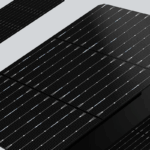
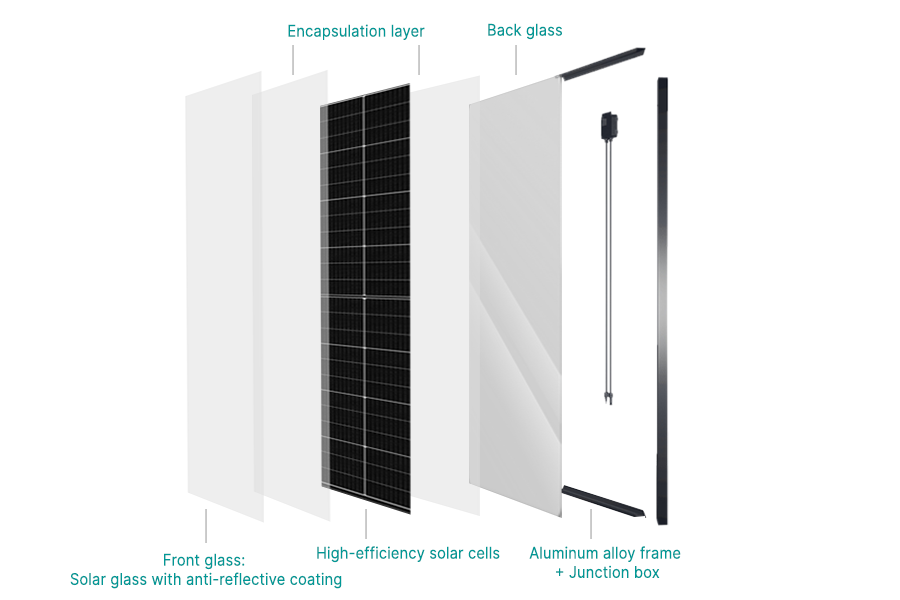
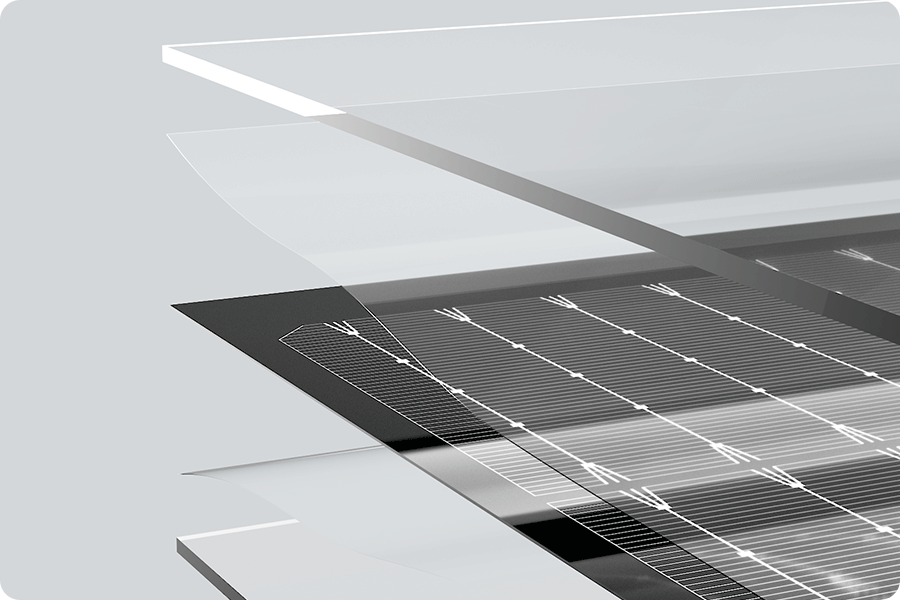
Glass-glass PV modules refer to photovoltaic panels in which the solar cells are encapsulated between two layers of glass, both on the front and the back. Compared to traditional single-glass structures (glass + backsheet), glass-glass technology provides higher protection and durability, ensuring stable power output even after many years of operation. Thanks to their bifacial light transmission, they are widely used in commercial, industrial, and agricultural PV systems that require continuous and stable performance.

In glass-glass modules, the solar cells are sandwiched between two sheets of glass for protection, making the modules more stable and durable.

What is the difference between glass-glass and single-glass PV modules?

In photovoltaic module encapsulation, single-glass and glass-glass are the two most common structural types. While both generate electricity, they differ in durability, stability, and return on investment.

  • Glass-glass PV modules are suitable for projects that prioritize long service life, stable long-term output, and strong resistance to environmental stress.

  • Single-glass PV modules are better suited for projects with limited budgets, constrained sunlight conditions, or restricted installation space.

The main differences between single-glass and glass-glass modules lie not only in structure and performance but also in the application scenarios and project objectives.

Comparison Between Glass-Glass and Glass-Backsheet PV Modules

Glass-Glass PV Module Glass-Backsheet PV Module
Backside Structure Tempered Glass Composite Backsheet
Weight Heavier, requires stronger roof load capacity and mounting structure Lighter, easier to install
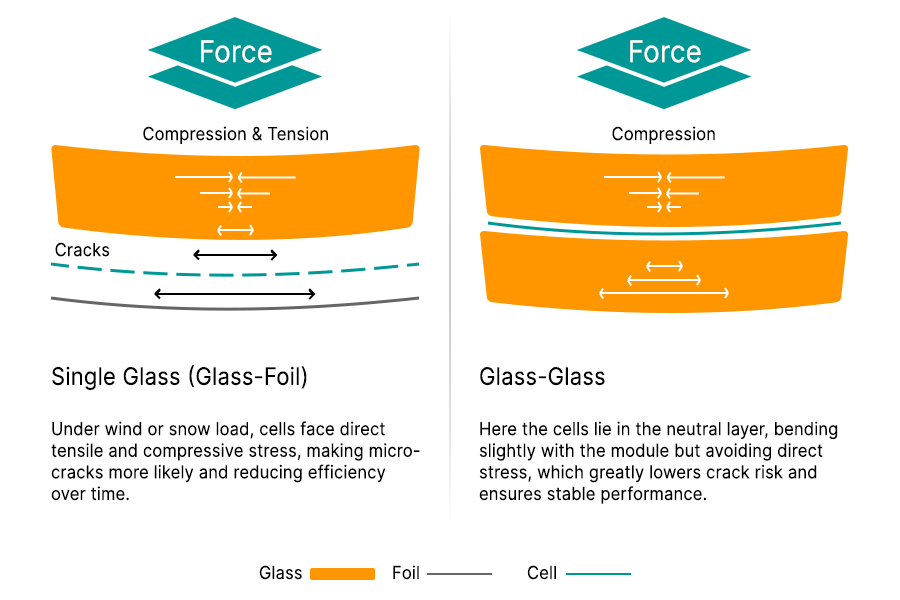
Mechanical Load Capacity Even force distribution, stronger resistance to deformation Backsheet is more vulnerable to stress, potential long-term deformation
Weather Resistance Stronger resistance to damp heat, salt mist, and UV exposure More prone to aging under high humidity or extreme environments
Moisture Protection & Sealing Better sealing with dual-glass structure Relatively weaker
Micro-crack Risk Better protection of cells, lower risk of crack propagation Weaker support from backsheet, cells more vulnerable under mechanical stress
Power Generation Supports bifacial generation, additional gain of 5–20% Single-sided generation, limited light transmission with transparent backsheet
Lifespan & Warranty Typically 30-year warranty Typically 25-year warranty
Cost & ROI Higher initial cost, but better long-term return Lower upfront cost, suitable for budget-limited or short-term projects
Note: Data regarding lifespan, warranty, and bifacial gain are based on manufacturers’ datasheets as well as research from the International Energy Agency (IEA) and Fraunhofer ISE. Actual performance may vary depending on product model, installation method, and operating environment.

What are the advantages and drawbacks of glass-glass PV modules?

The advantages of glass-glass modules are mainly concentrated in durability, power generation gains, and long-term investment returns. At the same time, they also come with certain drawbacks, such as a longer payback period and higher initial costs.

Glass-glass modules have both strengths and weaknesses, and the right choice should be made based on the specific conditions of the project.

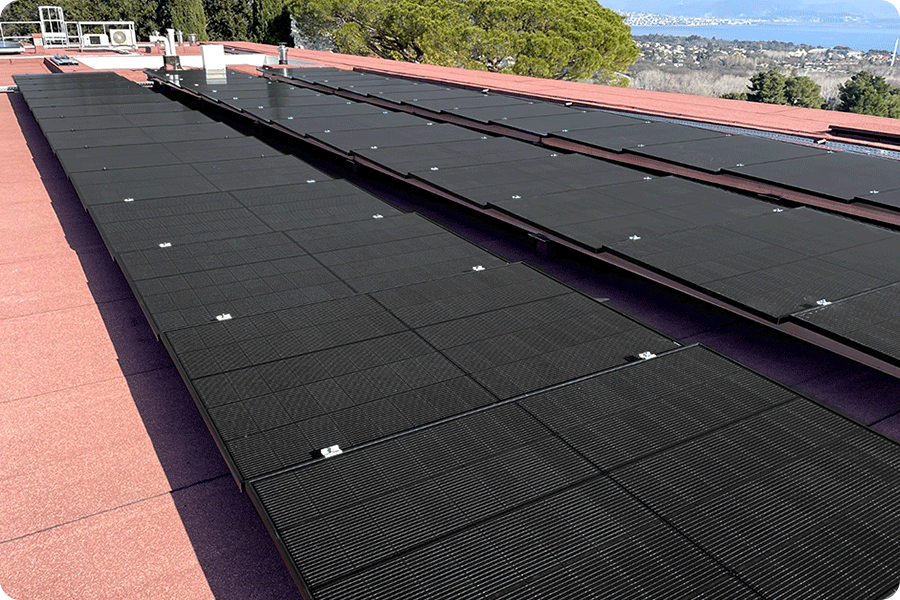
Note: A 30 kWp residential rooftop PV system in France using 430W HJT Full Black modules not only enhances the aesthetic appeal of the roof but also ensures stable power generation under high summer temperatures.

Advantages and Limitations of Glass-Glass PV Modules

Advantages Limitations
Structural reliability: evenly distributed stress reduces micro-crack risks Limited applicability: not always suitable for lightweight roofs or residential projects with high aesthetic requirements
Better heat dissipation and thermal stability: glass conducts heat quickly, reducing hotspots and power loss at high temperatures Higher installation and transport requirements: glass is more fragile, requiring careful handling during installation and stacking
Strong weather resistance: performs better in damp heat, salt mist, UV exposure, and thermal cycling, suitable for extreme climates Higher initial cost: more expensive than glass-backsheet, adding financial pressure at the beginning
Improved fire safety: glass is non-combustible and heat-resistant, suitable for installations close to buildings Longer payback period: economic benefits depend on long-term project ownership
Bifacial generation: naturally supports bifacial power output, with additional gains of 5–20%
Longer lifespan: lower degradation rate, typically 30-year warranty, more stable long-term operation
Technology improvements: modern glass-glass modules are lighter and easier to install compared to earlier versions
Design flexibility: can be made transparent or semi-transparent, suitable for greenhouses, carports, and other special applications
Note: Glass-glass modules show excellent performance in humid, high-salt, and high-UV environments, but glass-backsheet modules may still be more suitable for lightweight roofs or projects with higher aesthetic demands. Performance data is based on TÜV and industry public testing; differences may exist among manufacturers. Investors should evaluate based on project duration and installation conditions.

When does it make sense to purchase glass-glass PV modules, and what should you pay attention to?

Glass-glass solar modules are not a universal option; their suitability depends on the project’s environmental conditions and investment cycle.

Glass-glass modules are not a one-size-fits-all choice. They should be selected based on specific project conditions to maximize PV system returns.

Scenarios where purchasing glass-glass modules makes sense:

  • Extreme environments: In areas with high humidity, salt mist, or heavy dust (such as coastal or industrial regions), the superior sealing and weather resistance of glass-glass modules provide clear advantages.

  • Long-term returns: For PPA projects or commercial and industrial installations, the long service life and low degradation rates of glass-glass modules can significantly enhance investment returns.

  • Bifacial power generation: Where rooftops or ground surfaces have high reflectivity, the additional energy yield from bifacial generation can further increase system performance.

Points to consider when purchasing glass-glass modules:

  • Roof load-bearing capacity: Glass-glass modules are heavier, so it is necessary to confirm that the roof structure can support them, along with proper racking and installation systems.

  • Investment budget and payback period: Although the upfront cost is higher, long-term ownership results in a lower LCOE.

  • Operation, maintenance, and installation standards: Transport, stacking, and installation must strictly follow guidelines to avoid glass breakage and financial loss.

  • Warranty and lifespan: Prioritize manufacturers that offer 30-year product and performance warranties to ensure stable long-term returns.

When choosing glass-glass PV modules, is TOPCon or HJT better?

In today’s market, the mainstream glass-glass PV technologies are TOPCon technology and HJT technology. Each offers distinct advantages in terms of cost-effectiveness, efficiency, and environmental adaptability, catering to different project requirements.

Comparison Between HJT Glass-Glass Modules and TOPCon Glass-Glass Modules

HJT Glass-Glass Module TOPCon Glass-Glass Module
Power Range 420W–710W, wider coverage 420W–595W, mainstream power segment
Bifaciality 95%, higher bifacial gain 85%, suitable for most scenarios
Efficiency Range 21.7%–23.4% 21.5%–23.04%
First-Year Degradation Around 1% Around 1.5%
Annual Degradation 0.35% 0.40%
Temperature Coefficient -0.243%/℃, lower loss under high temperatures -0.32%/℃, slightly weaker high-temperature performance
Cost Investment Relatively higher Relatively lower, more widely applicable
Note: The power range and performance indicators in the table are based on mainstream market product specifications and are for reference only. Actual values may vary depending on manufacturer design, installation conditions, and operating environment.

As shown in the comparison, both HJT and TOPCon glass-glass modules cover the mainstream ranges of power and efficiency, but they differ in certain performance indicators. Therefore, the final choice should be based on project environment and investment objectives.

In which scenarios are glass-glass PV modules most suitable?

The advantages of glass-glass PV modules vary across different application scenarios. Residential users value long-term stability, commercial and industrial investors focus on returns, while agricultural and carport applications benefit from transparency and bifacial performance.

Residential rooftops

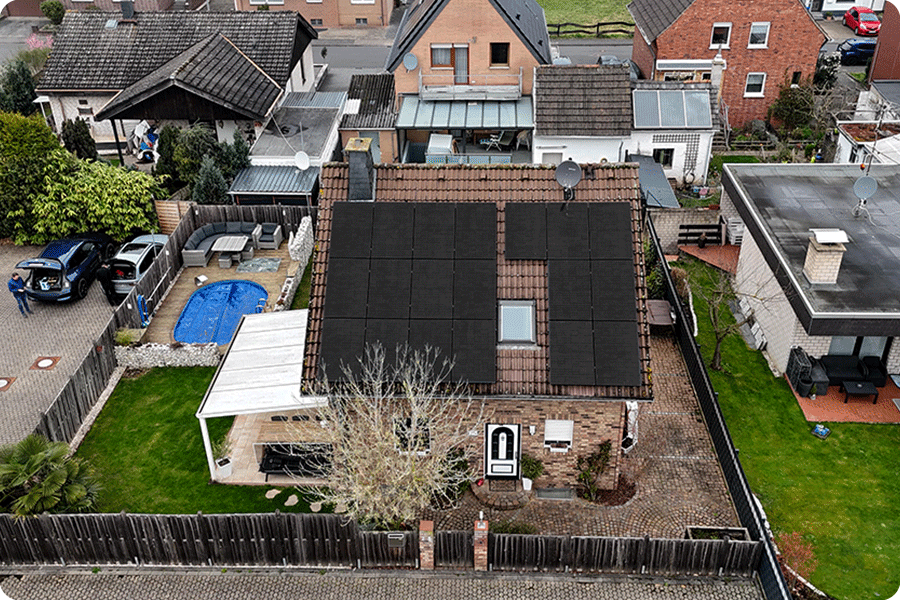
For homeowners seeking stable PV system performance and visual harmony, glass-glass modules offer fire safety and a 30-year warranty, ensuring long-term reliable returns. Fully black glass-glass modules can also enhance rooftop aesthetics.

Note: A German 8.55 kWp residential PV system using 450W TOPCon-Twisun Pro Full Black modules demonstrates that even with a modest initial investment, households can achieve stable long-term economic returns.

Commercial and industrial rooftops

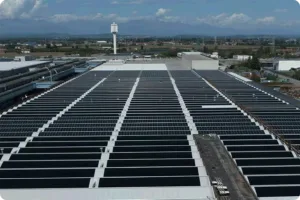
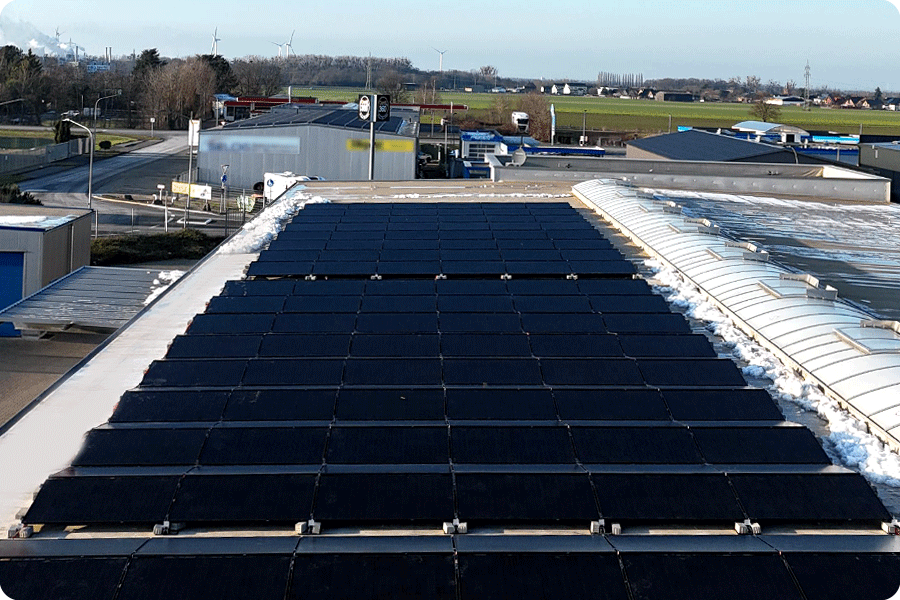
In factories and commercial buildings, the long lifespan and low degradation of glass-glass modules maximize system returns. Their higher load-bearing capacity also ensures safety and reliability under greater wind and snow pressure on large rooftops.

Using glass-glass modules in C&I rooftop projects enhances investment returns and system reliability.

Note: A German 93.84 kWp commercial PV system using 460W TOPCon-Twisun Pro Full Black modules not only increases overall ROI but also withstands harsh weather, ensuring reliable long-term operation.

Agricultural PV

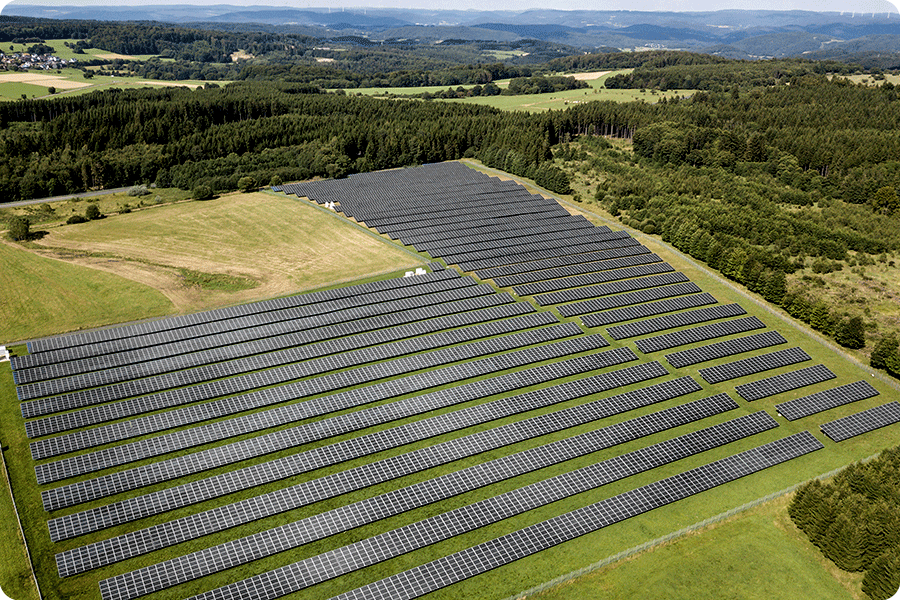
On livestock farms or agricultural buildings, glass-glass modules are often the first choice. Their resistance to corrosion, ammonia, and harsh weather enables consistent power generation in humid and high-salinity environments, which is essential for agricultural PV applications.

Note: A German 20 MWp agricultural PV system using 570W TOPCon Black Frame modules delivers excellent anti-corrosion and anti-ammonia performance, supporting continuous high-efficiency output.

Greenhouse rooftops

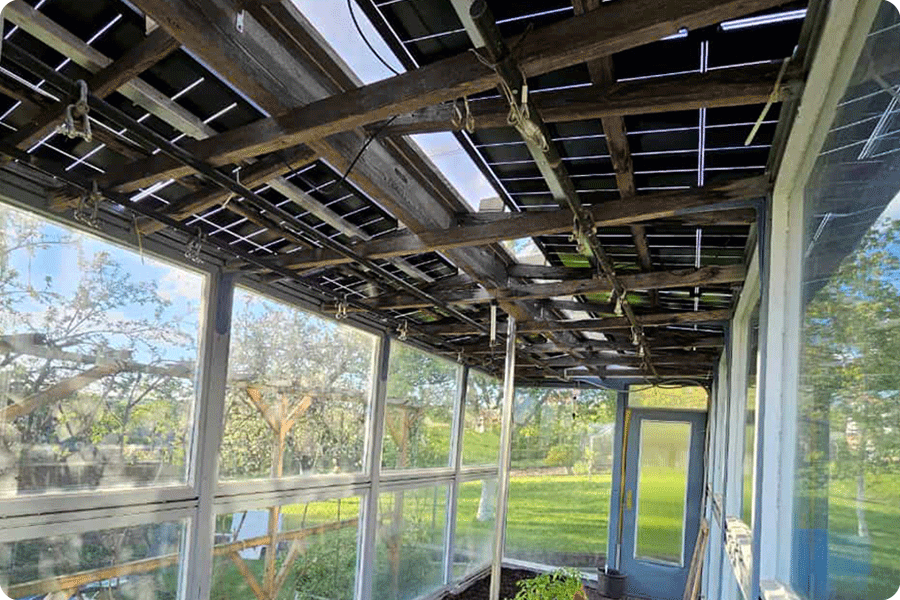
With their excellent light transmission, glass-glass modules provide sufficient sunlight for plants while the rear side also generates electricity, adding extra revenue. Their strong durability and resistance to humidity ensure system reliability in greenhouse environments.

Note: A German 2.58 kWp greenhouse PV system using 430W HJT Full Black modules supplies plants with sufficient light while enabling bifacial rooftop generation for additional revenue.

Carport rooftops

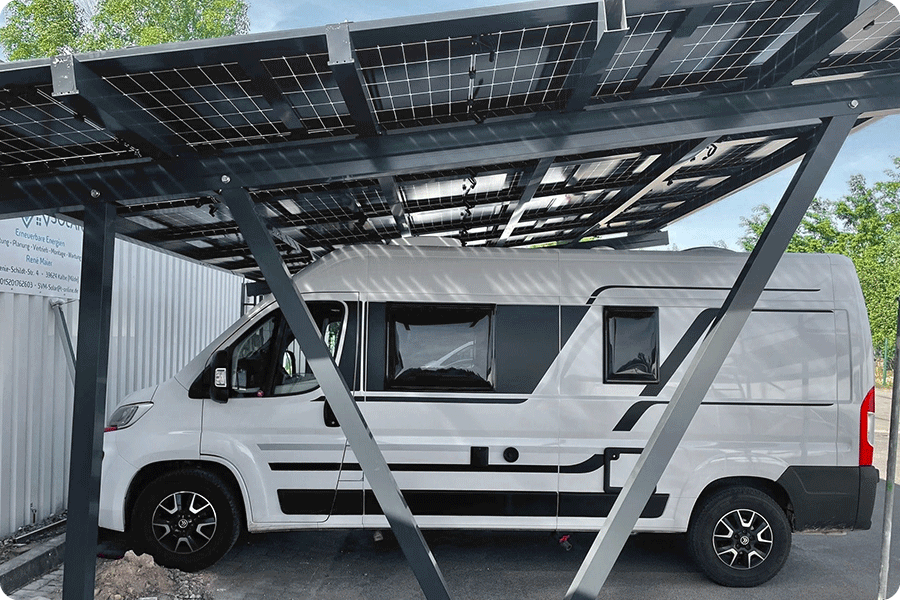
In carport applications, glass-glass modules provide both shading and power generation. Their fire resistance and robust dual-glass structure protect against long-term weather exposure, while transparent designs balance aesthetics, safety, and durability.

Carport rooftops equipped with glass-glass modules achieve both shading and efficient power generation.

Note: A German 8 kWp carport PV system using 430W HJT Full Black Transparent modules combines shading, aesthetics, and high efficiency, enhancing the multifunctional value of the carport.

Glass-glass modules bring unique advantages to residential, commercial, agricultural, greenhouse, and carport applications, but they are not universally suitable. Only by aligning the choice with project conditions and investment goals can their long-term potential be fully realized.

What are the market trends for glass-glass PV modules in Europe?

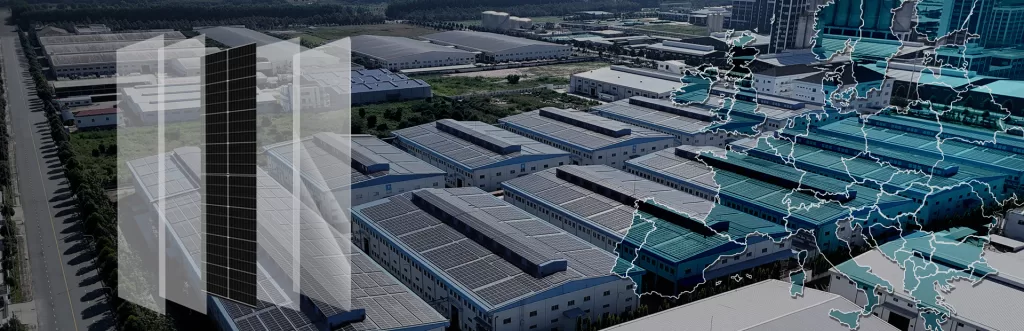
In recent years, the share of glass-glass modules in the European market has been steadily increasing, with particularly strong growth in commercial, industrial, and agricultural PV projects. With ongoing technological improvements, issues related to weight and compatibility are gradually being resolved, enabling broader application scenarios. At the same time, features such as durability, fire resistance, and bifacial generation remain essential for ensuring long-term stable operation. Overall, the adoption of glass-glass modules is becoming an important market trend, but whether they are the right choice still depends on project-specific conditions and the investment cycle.

Maysun Solar’s glass-glass PV modules, with their superior weather resistance, fire safety, and bifacial power generation design, are able to maintain long-term stable operation even in challenging environments with high humidity, salt mist, and strong UV exposure. At the same time, they are particularly well-suited for commercial and industrial PV investment projects, enhancing system stability while ensuring long-term returns.

Reference

Fraunhofer ISE. (2025). Photovoltaics Report 2025. Fraunhofer Institute for Solar Energy Systems. https://www.ise.fraunhofer.de/en/publications/studies/photovoltaics-report.html

International Energy Agency (IEA PVPS). (2025). Snapshot 2025: Photovoltaic Market Overview. https://iea-pvps.org/snapshot-reports/snapshot-2025

IEA PVPS. (2024). Trends in Photovoltaic Applications 2024. https://iea-pvps.org/trends_reports/trends-in-pv-applications-2024

DNV. (2025). DNV’s Views on Long-Term Degradation of PV Systems. https://www.dnv.com/publications/dnv-views-on-long-term-degradation-of-pv-systems

Kiwa PVEL. (2025). PV Module Reliability Scorecard 2025. https://scorecard.pvel.com

Recommend Reading

February News in the Photovoltaic Industry

February News in the Photovoltaic Industry

February overview of Europe’s photovoltaic market: module price trends, a rebound in the German PPA market, progress in Italian agrivoltaics and regulatory shifts in France, highlighting key industry signals.

Read More »