Table of Contents
The impact of autumn and winter on PV systems is often underestimated. Factors such as fallen leaves, bird droppings, dust, low-angle sunlight, snow accumulation, and temperature fluctuations not only reduce module efficiency but can also pose safety risks. If not properly addressed, these issues may increase O&M costs and shorten the lifespan of the modules. This article summarizes six common issues for PV modules during autumn and winter and provides protective measures to help projects address them in the design and operation phases.
Leaf Shading
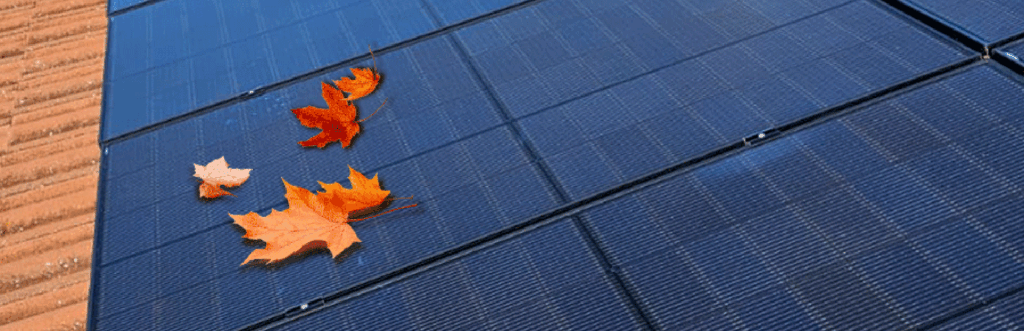
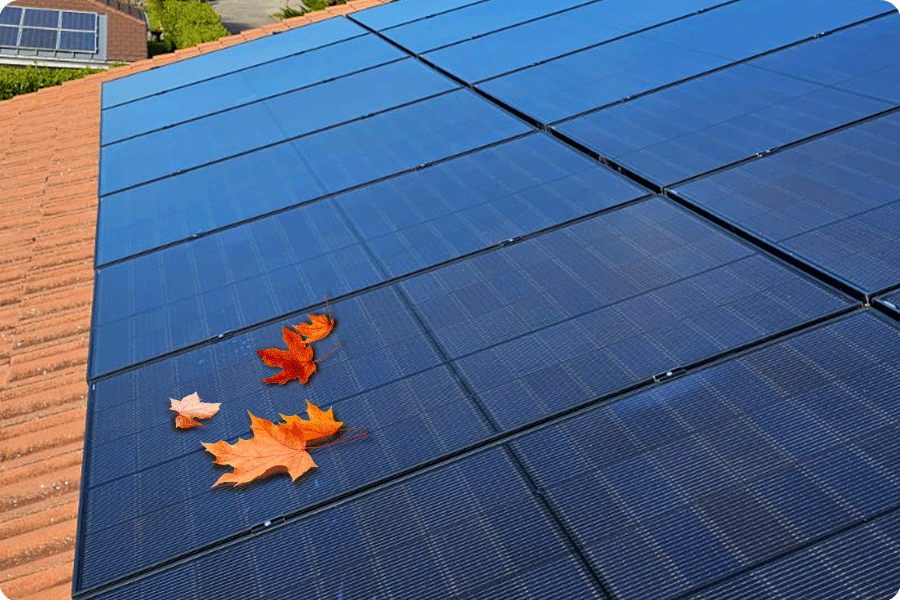
In autumn, fallen leaves are one of the most common threats to PV modules. Rooftop or ground-mounted systems surrounded by trees are particularly prone to leaf accumulation on the module surface. Even partial coverage of a few cells can cause uneven current distribution and trigger hotspot risks. With extreme weather events driven by climate change, leaf shading has become especially prominent in many European cities and industrial areas.
The most direct protective measure is regular cleaning to ensure the module surface remains clear. For projects surrounded by trees, trimming branches can help reduce leaf accumulation on the PV system while also supporting healthy tree growth in the coming years. In addition, during the design stage, setting an appropriate tilt angle and drainage path for the modules can reduce the long-term retention of leaves, minimizing shading risks at the source.
Bird Droppings and Dust Pollution
Dust can reflect, scatter, and absorb solar radiation, reducing the transmittance of PV modules and the overall performance of the system. Uneven dust accumulation creates irregular shading, which further decreases PV efficiency. In autumn and winter, higher humidity makes contaminants adhere more easily and remain for longer periods, while reduced rainfall provides less natural cleaning, increasing maintenance difficulty. At the same time, autumn is a peak season for bird migration and gathering, with more frequent bird activity around rooftops in both urban and rural areas, adding to the risk of contamination. If not cleaned regularly, these deposits can reduce light transmission, decrease power output, and even trigger localized hotspots.
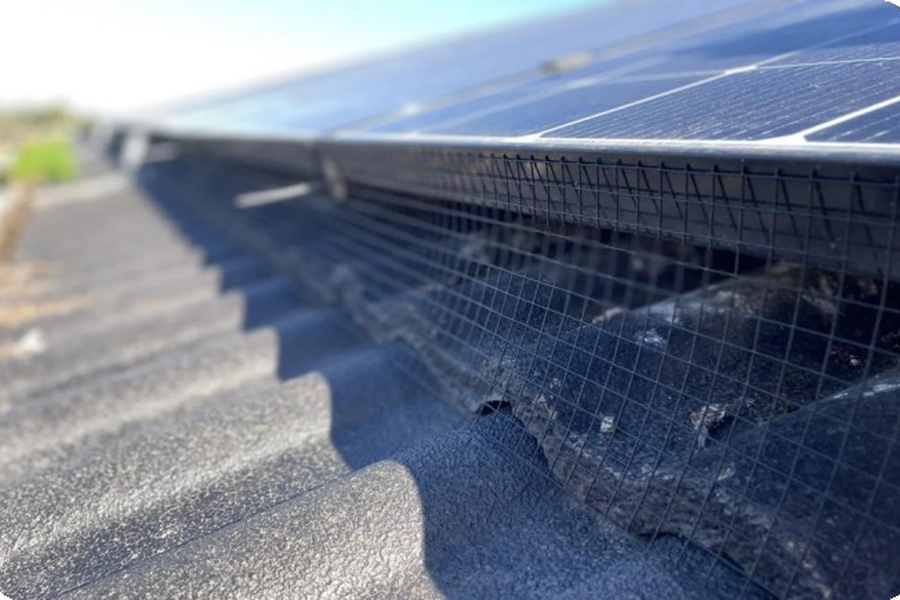
To reduce risks, regular cleaning is essential. It is recommended to use low-pressure water rinsing or a soft brush to gently wipe the surface. Avoid applying cold water under strong sunlight to prevent glass microcracks caused by thermal stress. For heavily affected projects, installing eco-friendly bird nets along the module edges can prevent nesting and reduce debris buildup. In large-scale plants, automated cleaning equipment or simple water-brush systems can be used to minimize dust-related power losses.
Low-Angle Sunlight
During autumn and winter, the sun’s elevation angle decreases significantly and daylight hours become shorter, reducing the amount of sunlight received by PV modules and thereby lowering generation efficiency. This effect is especially pronounced in high-latitude regions. In urban environments, shadows cast by surrounding buildings, trees, and other obstacles are amplified under low-angle sunlight, further decreasing system output.
In the early stages of a project, it is best to avoid locations with dense surroundings such as buildings, utility poles, or trees when installing a PV system. The module tilt angle should also be optimized according to local latitude to minimize seasonal shading. For existing projects where space is limited or shading is unavoidable, microinverters or power optimizers can be installed to reduce the impact of partial shading. Where conditions allow, single-axis or dual-axis tracking systems can also be introduced to improve overall generation under low-angle sunlight conditions.
Snow Accumulation
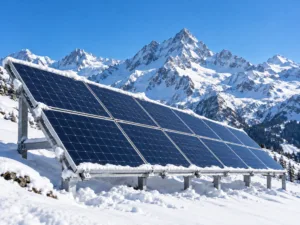
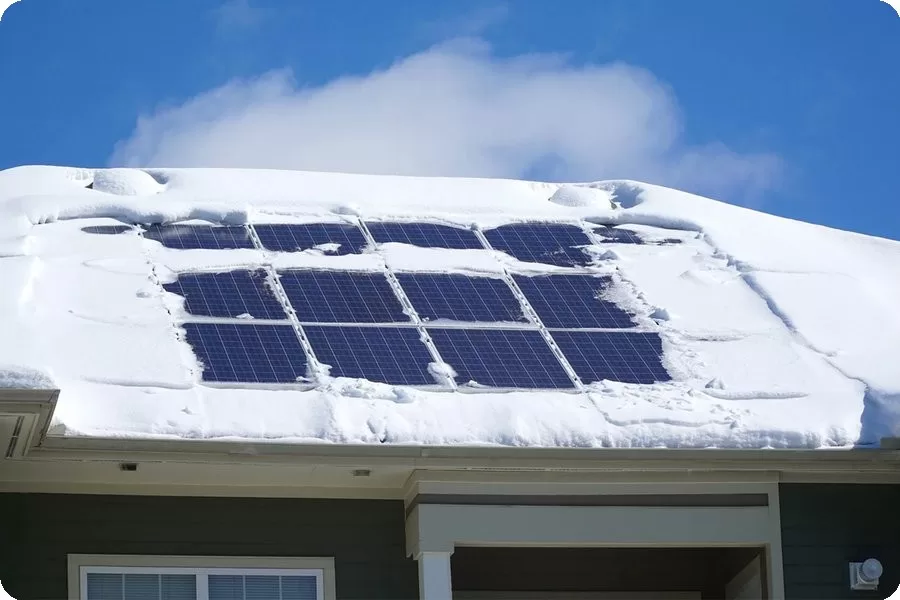
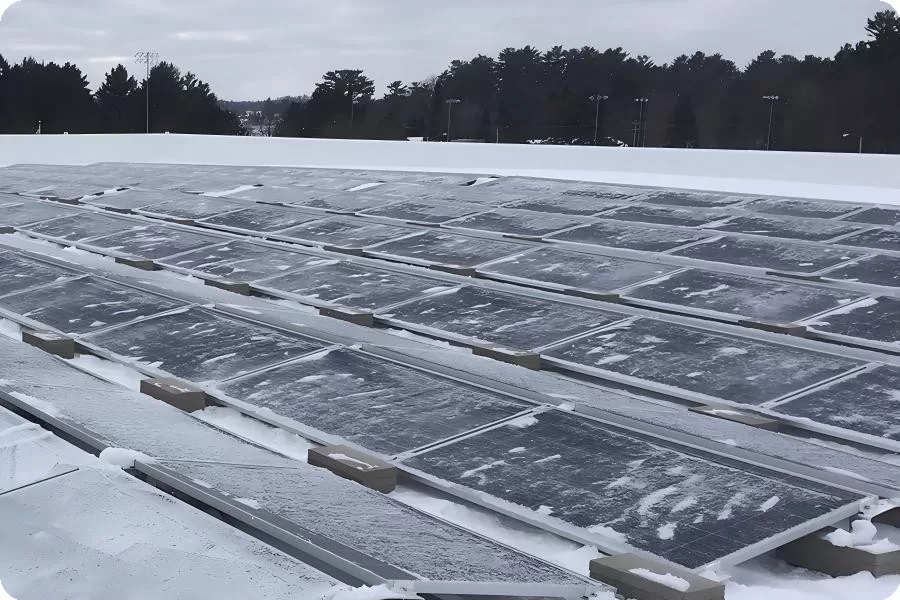
In winter, snow may remain on the surface of PV modules for extended periods, not only interrupting power generation but also increasing the structural load on mounting systems and rooftops. The risks are especially high in regions with heavy snowfall such as Germany and Poland, while even in areas with infrequent snowfall, occasional heavy snow can cause short-term shutdowns. More severe conditions, such as sleet or freezing rain, can form a hard ice layer on the module surface, blocking sunlight and adding further structural stress.
During the design stage, it is advisable to select mounting systems with higher load-bearing capacity and consider using double-glass modules to enhance durability and structural reliability. For existing projects, a winter O&M plan should be established, including timely manual snow removal after heavy snowfalls, or leveraging module tilt and natural sliding to reduce snow retention. In areas with frequent snowfall, simple heating or de-icing devices can also be considered to prevent long-term power interruptions. When dealing with ice, avoid using hard tools or metal scrapers; instead, use warm water to aid melting or wait for natural thawing to prevent damage to the glass surface.
Low Temperature and Thermal Expansion/Contraction
In autumn and winter, significant day-to-night temperature differences cause PV modules to undergo frequent thermal expansion and contraction in cold environments, creating additional stress on the frame, encapsulation, and glass. In particular, frost or thin ice often forms on the module surface at dawn and then melts rapidly after sunrise, leading to repeated freeze-thaw cycles. Such conditions accelerate encapsulation aging, induce microcracks or water ingress, and ultimately compromise long-term reliability.
To reduce risks, in addition to routine inspections for cracks or signs of leakage, external maintenance measures can be applied. For example, secondary sealing of frames and joints can help prevent microcracks from spreading; improving rear-side ventilation can reduce temperature buildup and make thermal changes more gradual; in some projects, waterproof or anti-icing coatings can be applied to minimize frost adhesion and relieve freeze-thaw stress on glass and encapsulation. These measures can effectively slow down aging caused by thermal expansion and contraction, ensuring stable system operation throughout autumn and winter.
Electrical and Hotspot Risks
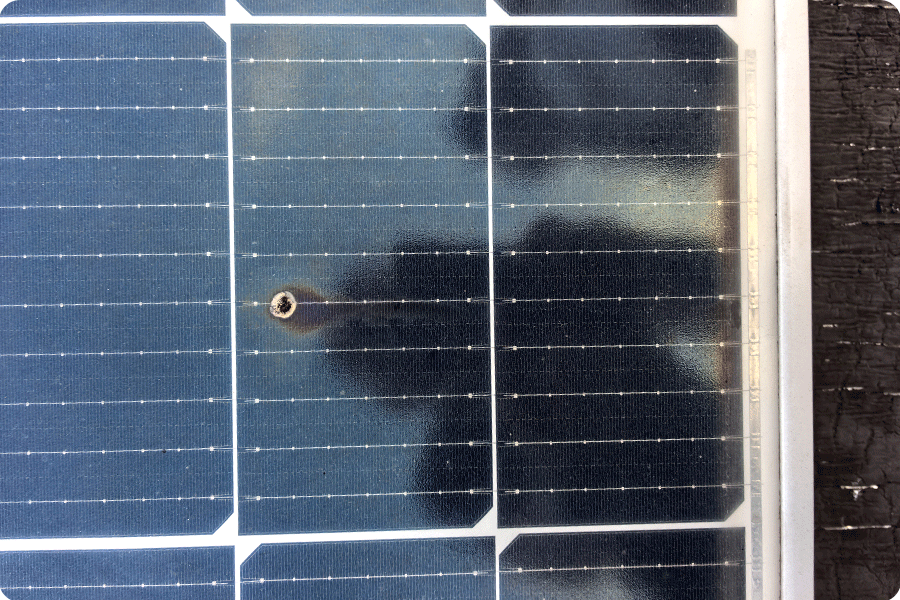
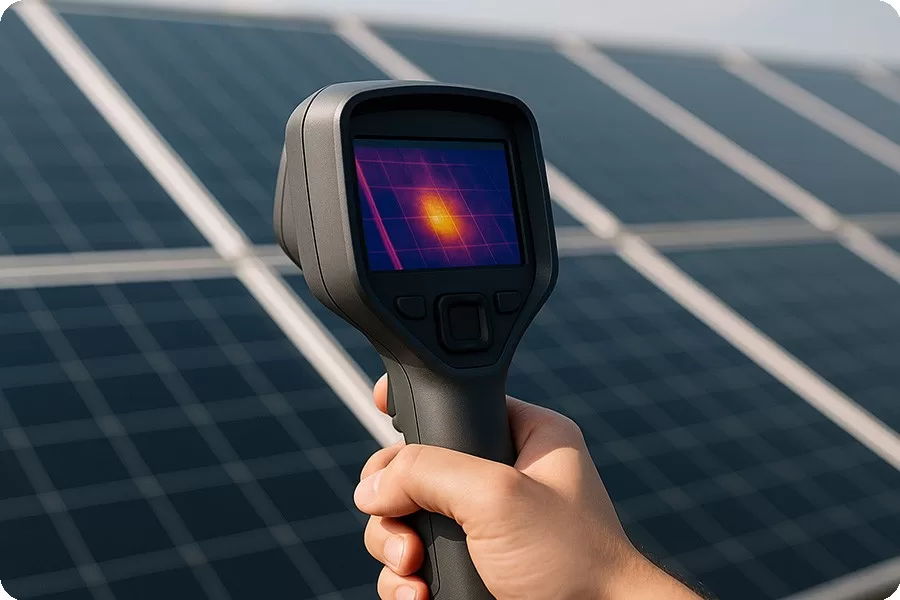
In autumn and winter, the various issues faced by PV modules—whether fallen leaves, bird droppings, snow, or thermal expansion and contraction caused by temperature fluctuations—tend to manifest in the electrical domain. Partial shading or contamination of cells can lead to uneven current distribution, triggering hotspot effects. Over time, this not only reduces power output and shortens module lifespan but may also result in more severe safety hazards such as backsheet burning, solder strip detachment, or even glass cracking.
To mitigate these risks, it is essential to configure bypass diodes properly during the design stage, allowing current to be redirected quickly in the event of partial shading and preventing localized overheating. For systems already in operation, installing smart monitoring devices or microinverters enables real-time detection and localization of current anomalies, ensuring timely intervention. In addition, regular cleaning and maintenance to reduce shading from leaves, bird droppings, or snow can further lower hotspot risks and extend module longevity.
Although the environmental challenges of autumn and winter are unavoidable, proper design and routine maintenance can keep risks within an acceptable range. For businesses, this is not only about system efficiency but also about long-term reliability and return on investment.
Maysun Solar has been deeply engaged in the European market, providing a wide range of modules and stable supply for wholesale and distribution partners, covering IBC technology, TOPCon technology, and HJT technology. We can offer PV solutions tailored to different project needs, helping systems maintain stable performance and controlled costs when facing challenges such as snow, low temperatures, and shading during autumn and winter.
Recommend Reading

430–460W or 600W+? How Should You Choose Solar Panel Power for Rooftop Projects?
Compares 430–460W solar panels and 600W solar panels in C&I rooftop projects, showing that solar panel selection should prioritise roof compatibility and system stability.

Changes in the European Solar Policy and Market in 2026
Europe’s 2026 solar policy and grid changes are reshaping solar panel selection, shifting project returns towards market-driven mechanisms and highlighting the roles of TOPCon, HJT and IBC solar panels.

Why European EPCs Are Reassessing Large-Format Solar Panels
European EPCs are re-evaluating large-format solar panels. Panel size directly affects installation risk, system compatibility, and solar project ROI stability.

Do Vertical Bifacial Modules Really Deliver Additional Yield?
Vertical bifacial PV systems are gaining increasing attention across Europe. This article explores under what conditions a vertical layout can create additional value, how bifacial gain is influenced by site conditions, and which project types are best suited to this design.

Which rooftop scenarios make 700W+ solar panels a risk?
An analysis of the practical limits of 700W+ high-power solar panels on residential and commercial rooftops, and how space, load capacity, self-consumption and maintenance affect real returns.

February News in the Photovoltaic Industry
February overview of Europe’s photovoltaic market: module price trends, a rebound in the German PPA market, progress in Italian agrivoltaics and regulatory shifts in France, highlighting key industry signals.