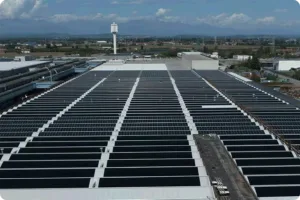
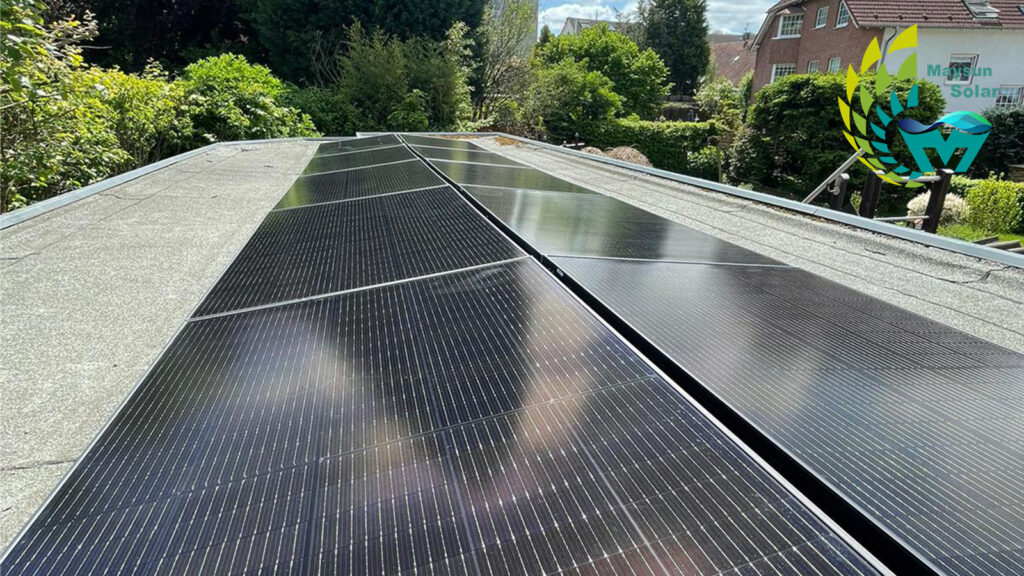
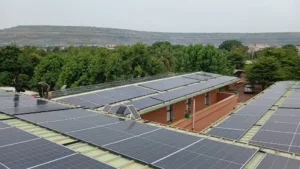
We are pleased to share here a success story that exemplifies our commitment to sustainability and innovation. Please join us as we delve into the incredible collaboration between leading PV module manufacturer Legg Mason Solar and our esteemed customer, specialist PV module installer Michael Lakenberg. Together we have embarked on a transformative journey to convert a flat roofed car park into a sustainable energy centre powered by the sun’s abundant energy.
Unleashing the power of solar energy
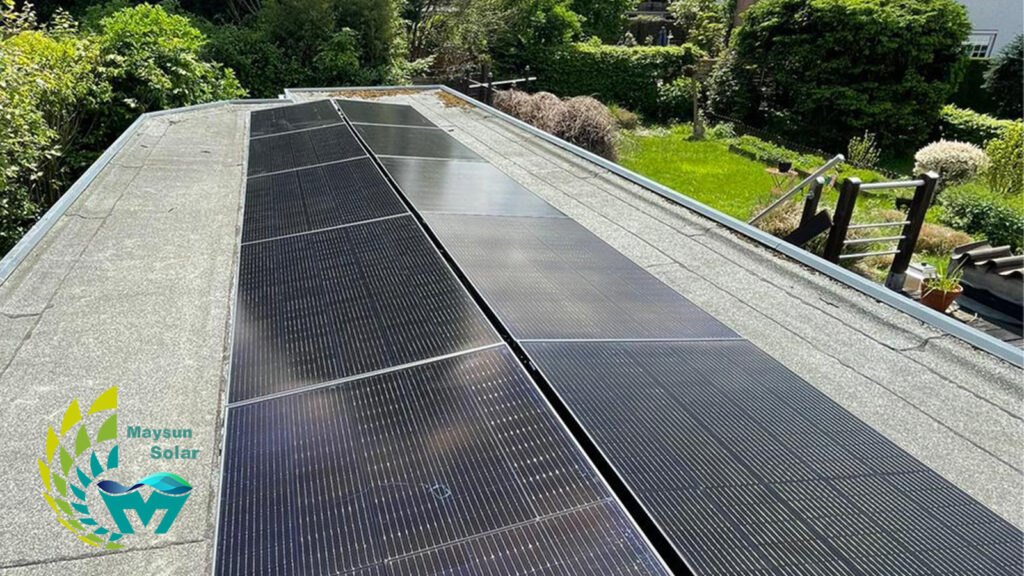
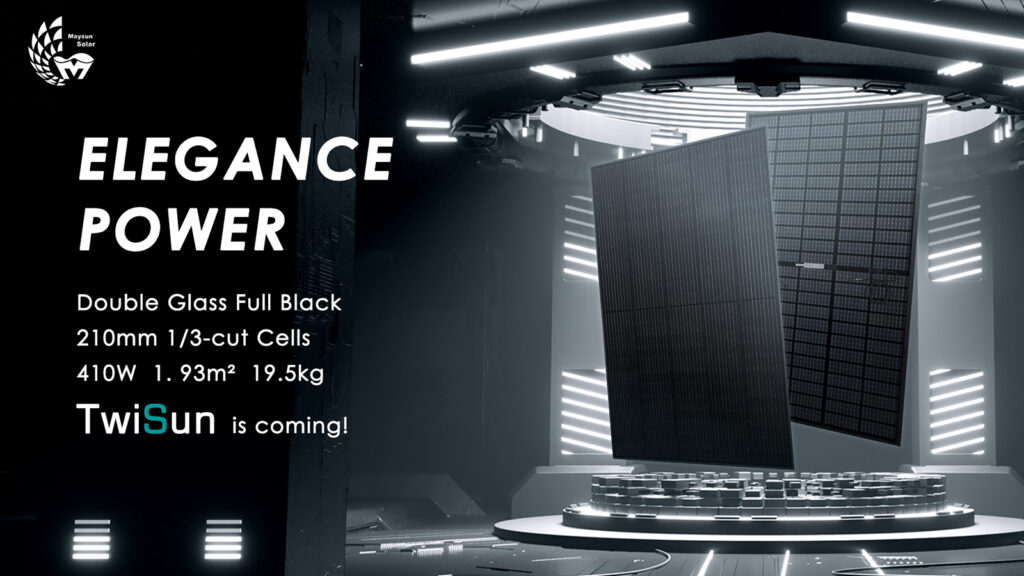
We played a key role in harnessing the power of the sun to generate clean, renewable energy with Mason Solar’s 14 all-black, double-glazed 410W panels. These state-of-the-art panels have been carefully designed and manufactured to maximise energy efficiency and performance. They offer these advantageous properties:
The glass is water, abrasion, corrosion and fire resistant, so glass-to-glass PV modules can function for up to 30 years in many harsh environments.
Using 1.6mm ultra-thin double glass and a 28mm ultra-thin T6 frame, our modules weigh only 19.5kg. This is tailored for easier installation for distributed PV in Europe.
Our modules feature advanced 210mm wafer and 1/3 cut cell technology and a low current design. And they are suitable for most inverters on the market.
With this eco-friendly approach we aim to play an important role in reducing carbon emissions and creating a sustainable future.
More than just power generation
Our installation customer, Michael Lakenberg, thinks innovatively and goes beyond what has been done before by equipping his car park with a large battery for energy storage. This forward-thinking solution enables electric vehicles to be easily recharged, bringing significant benefits to the community and promoting sustainable mobility. The integration of energy storage technology ensures that solar energy is used efficiently, even during periods of low sunlight or high demand.
Stability and reliability under challenging conditions
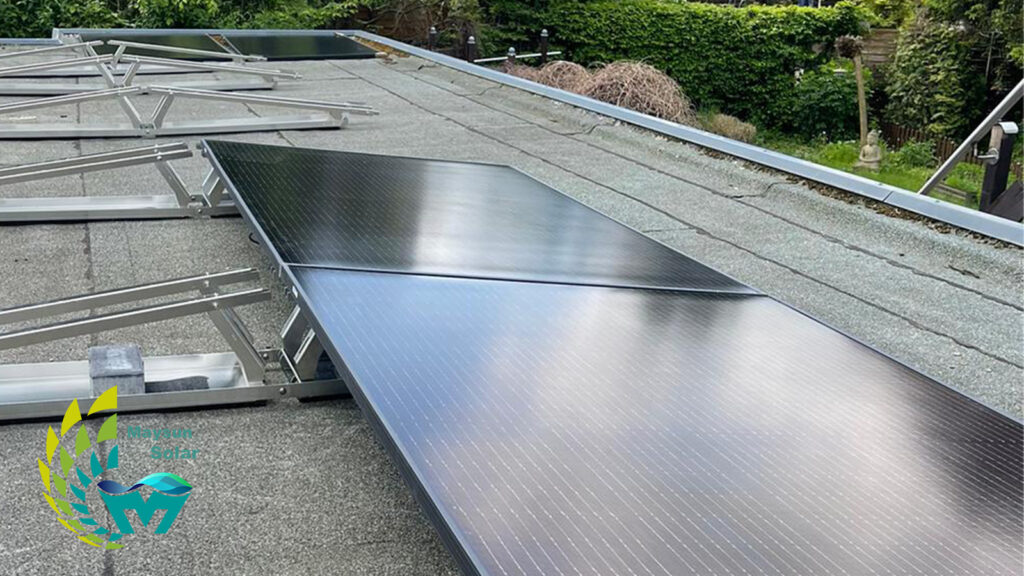
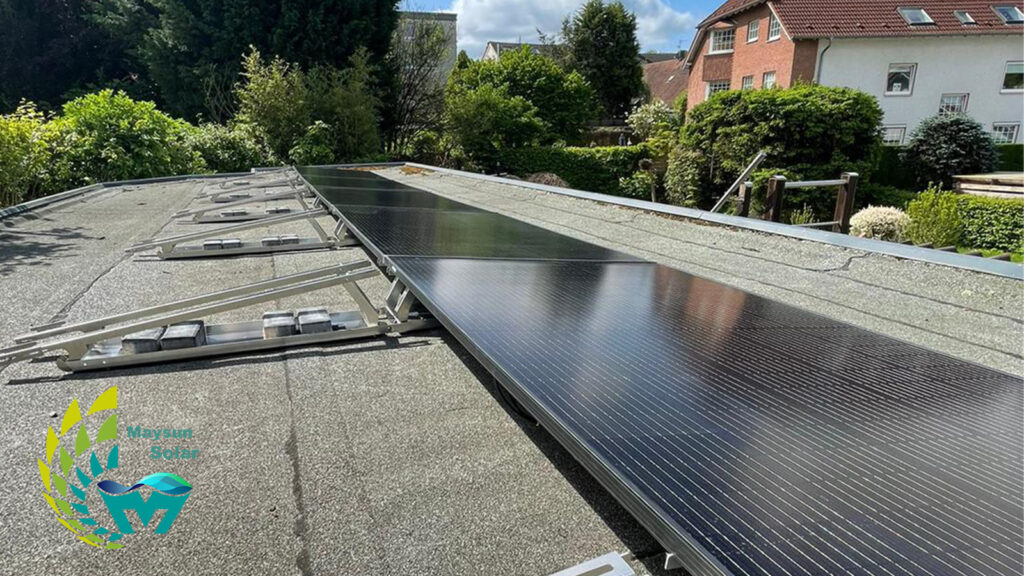
The customer has cleverly used robust aluminium mounting brackets on the flat roof to ensure the stability and durability of the solar panels. Even in adverse weather conditions, these sturdy mounting brackets, combined with the superior quality of Mason solar panels, provide peace of mind for both the installer and the end user. Having endured strong winds and other challenging weather conditions, the solar panels will continue to provide reliable energy production for years to come.
Impact on the community
This project has had a positive impact not only on the homeowners but also on the surrounding community. The once empty roof was transformed into a valuable asset, enabling electric cars to be charged and the yard to be illuminated with clean, renewable electricity. By providing an eco-friendly energy solution, the project not only reduces carbon emissions, but also inspires others to adopt sustainable practices. The community can now benefit from lower energy costs, a reduced environmental impact and increased resilience to power outages. This demonstrates the potential of sustainable energy to improve lives and benefit the environment.
We would like to celebrate the fruitful collaboration between Legg Mason Solar and Michael Lakenberg, which demonstrates the transformative power of solar energy. Together we have succeeded in creating a sustainable energy hub that benefits communities and paves the way for a greener future. Join us in embracing the potential of solar energy and let’s work together to build a cleaner, more sustainable world.
Maysun solar has been focused on producing and manufacturing quality photovoltaic modules since its inception in 2008. Choose Maysun Solar because we have quality solar panels for your needs, contact us and together we can create a green future!

430–460W or 600W+? How Should You Choose Solar Panel Power for Rooftop Projects?
Compares 430–460W solar panels and 600W solar panels in C&I rooftop projects, showing that solar panel selection should prioritise roof compatibility and system stability.

Changes in the European Solar Policy and Market in 2026
Europe’s 2026 solar policy and grid changes are reshaping solar panel selection, shifting project returns towards market-driven mechanisms and highlighting the roles of TOPCon, HJT and IBC solar panels.

Why European EPCs Are Reassessing Large-Format Solar Panels
European EPCs are re-evaluating large-format solar panels. Panel size directly affects installation risk, system compatibility, and solar project ROI stability.

Do Vertical Bifacial Modules Really Deliver Additional Yield?
Vertical bifacial PV systems are gaining increasing attention across Europe. This article explores under what conditions a vertical layout can create additional value, how bifacial gain is influenced by site conditions, and which project types are best suited to this design.

Which rooftop scenarios make 700W+ solar panels a risk?
An analysis of the practical limits of 700W+ high-power solar panels on residential and commercial rooftops, and how space, load capacity, self-consumption and maintenance affect real returns.

February News in the Photovoltaic Industry
February overview of Europe’s photovoltaic market: module price trends, a rebound in the German PPA market, progress in Italian agrivoltaics and regulatory shifts in France, highlighting key industry signals.