The use of solar panels to produce renewable energy has increased in popularity in recent years. Solar power is used to generate electricity, which cuts down on carbon emissions and costs. However, extreme weather can also have an impact on solar panels. In this piece, I’ll go over how different climates can affect solar panels and what can be done to lessen the blow.
Heavy rain’s effect on solar panels
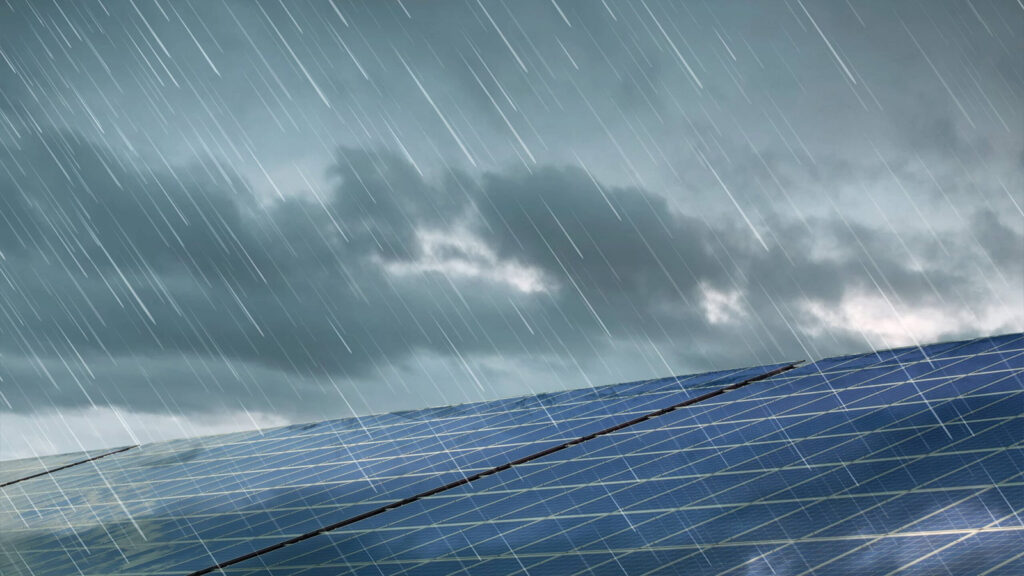
While light rain doesn’t normally pose much of a threat to solar panels, severe downpours over an extended period of time might reduce output. Dirt and debris might collect on the panel’s surface during dry seasons, lowering its effectiveness. Some dirt may be removed by rain, but too much water on the panel’s surface can reduce its efficiency in generating power from sunlight. Optimal performance can be maintained even during the rainy season with professional cleaning and maintenance.
Snow and ice can have an effect on solar panels
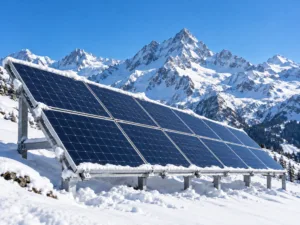
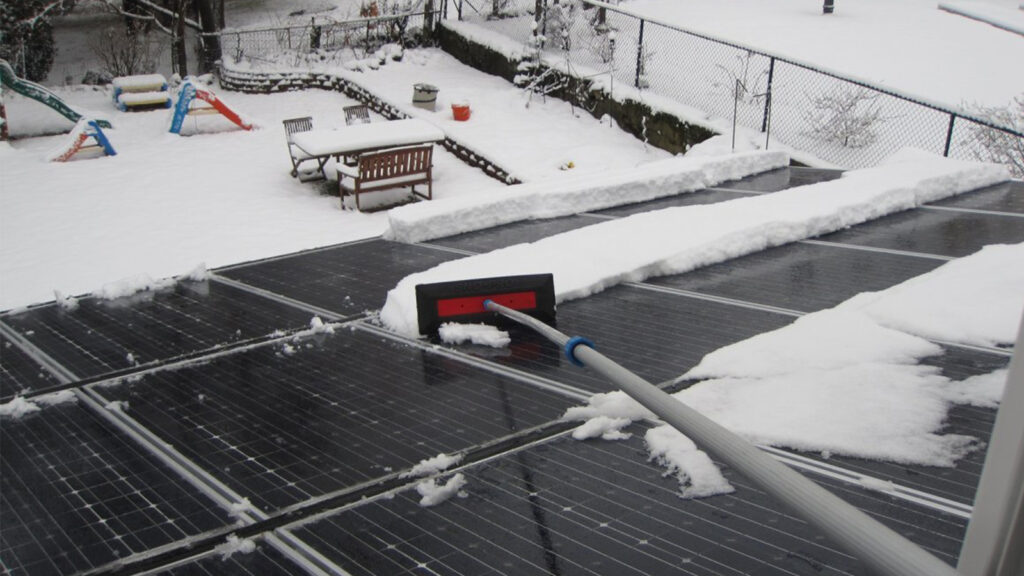
Solar panel output is significantly diminished by snow and ice, especially in regions with severe winters. The panels’ efficiency is diminished when deep snowfall obscures the sun. Solar panels are susceptible to damage and breakage due to the weight of snow on the panels and their mounting infrastructure. Fortunately, most solar panels can be set at an inclination that permits snow to roll off, and if enough systems are tilted, snow buildup may be avoided as well. The problem can be fixed by carefully clearing the panels of snow using a snow removal rake and brush, taking care not to scratch the surface.
As a professional solar panel manufacturer, Maysun Solar launches Twisun X series solar panels, which have reinforcement added to the back of the panel, and its power covers 390W-410W, which is the best choice for snowy areas!
Impact of high temperature and heat wave on solar panels
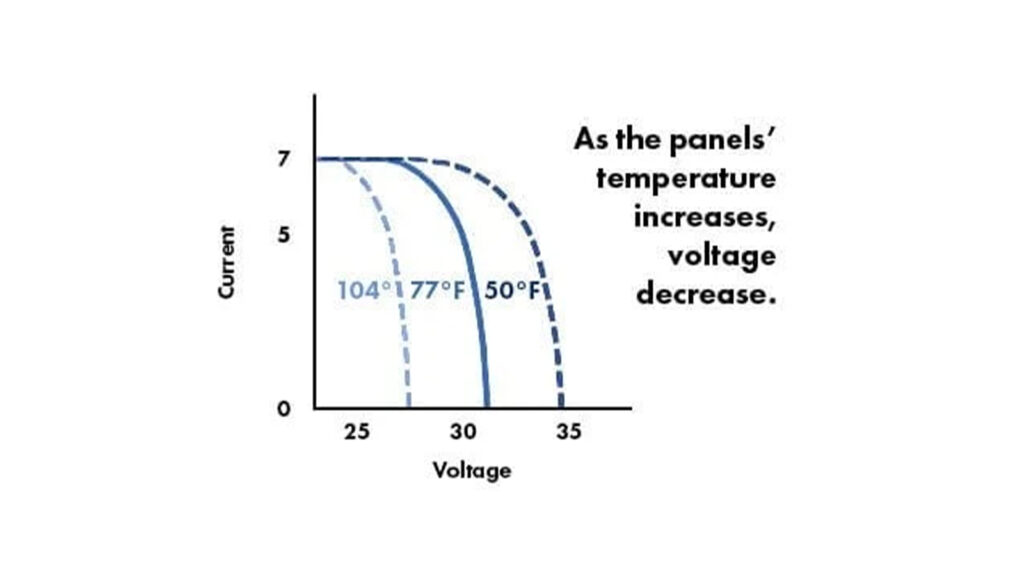
Solar panels operate more effectively at lower temperatures, and at lower temperatures, they can generate more voltage and thus more power. Their performance may therefore falter during heat waves and extreme temperatures. Elevated temperatures can reduce the efficacy of energy production and hasten the ageing process of solar panels. However, solar panels equipped with cutting-edge technology can withstand high temperatures and are rigorously tested to ensure their durability. In addition, proper ventilation and installation help solar panels dissipate heat and prevent damage caused by high operating temperatures.
Solar panels utilising IBC technology have superior low-temperature coefficients when tested. Due to the fact that the back contact shields the solar cells from moisture and heat, IBC solar panels can operate more efficiently in hot climates and have a minimum temperature coefficient of -0.29%/°C at optimum power. However, the low temperature coefficient of PERC solar panels is -0.34/0.35%/°C.
(NOTE: The temperature coefficient is a measure needed to figure out how much energy a solar panel is losing. Its value is usually between -0.29% and -0.5%/°C. This means that the power of the module drops by 2.9% to 5% for every 10°C rise in temperature.)
The effect of hail on solar panels
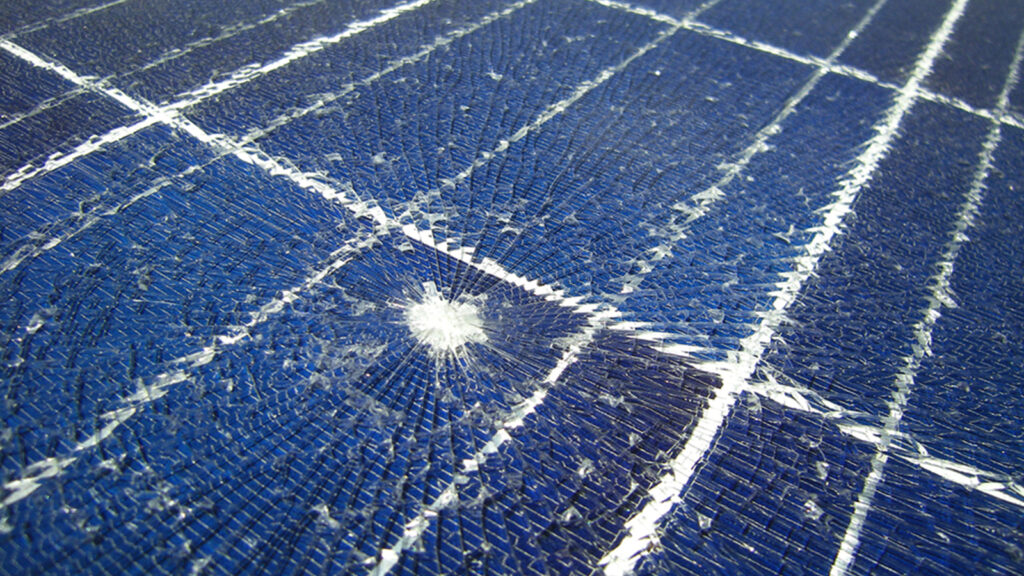
One of the most damaging things that may happen to solar panels is hail. The glass surface of the panel is susceptible to physical damage from hailstones of varying sizes and impact forces, which can occur. The solar panel industry has seen significant technological advancements in recent years, which has resulted in modern solar panels being manufactured with tempered glass and other specific protective coatings that make them more resistant to the damaging effects of hail. Some solar panels are even designed to survive hail of a specific size and speed, giving customers in regions where hail is common the peace of mind they need to utilise the panels.
Facing high winds and hurricanes
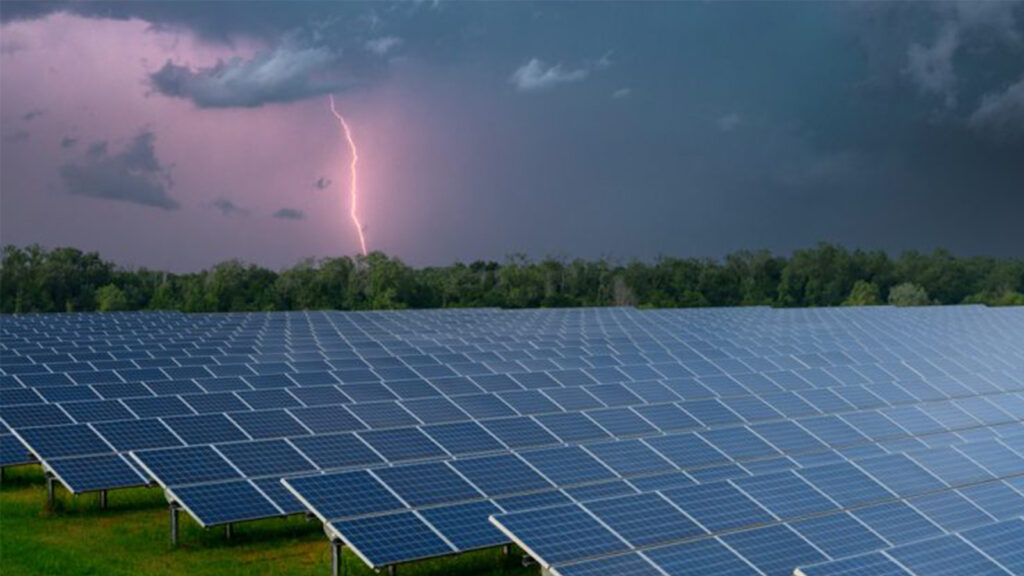
Solar panels’ durability is tested by calamities like hurricanes and high winds. Panels can be blown off a roof or mounting structure by strong winds if they are not correctly fastened. Most manufacturers create solar panels that can survive winds of up to 140 miles per hour, which is far higher than the typical range of 40 to 112 miles per hour for tornadoes. The mounting system is also built to last in such extreme climates. The best way to find out what needs fixing before a storm hits is to have regular inspections and maintenance done.
While inclement weather can present challenges for solar panels, they remain a reliable and sustainable energy solution for countless homes and businesses around the world. Regular inspections, maintenance and occasional cleaning are key to ensuring optimum performance and longevity of your solar panel system, regardless of weather conditions, and can minimise the impact of bad weather so that solar panels can continue to provide clean energy for decades.
When deciding on solar panels, it is vital to choose reputable solar manufacturers and installers who understand local weather conditions and can customise installations to meet the challenges posed by the climate.Maysun Solar has successfully established offices, warehouses and long term relationships with excellent installers in many countries! For the latest solar panel quotes or any PV related enquiry, please feel free to contact us.

Solar Panel Procurement in Europe: Why Stable Supply Matters More Than a One-Off Low Price
When European installers, distributors and corporate buyers choose solar panels, a one-off low price should not be the only factor. Stable supply, model continuity, technical documents and replenishment capacity often matter more for long-term cooperation and project delivery.

How Important Is the Temperature Coefficient When Choosing a Solar Panel?
How important is temperature coefficient when choosing a solar panel? This article answers that question directly and explains which projects should include it in early screening and which do not need to treat it as a top priority.

When does HJT bifacial gain pay off on European rooftops, and when is IBC the better option?
When do HJT bifacial solar panels generate stronger returns on European rooftop projects, and when should IBC solar panels take priority?

Which homes are suitable for garden solar?
Which homes are suitable for garden solar? Assess space, shading, orientation and electricity-use goals to quickly judge whether garden solar is a suitable option.

Are Differences Between Solar Panels More Noticeable in High-Temperature Conditions?
High temperatures reduce solar panel efficiency, but the gap in summer power generation is not determined by temperature alone. This article compares the high-temperature performance of HJT, TOPCon and IBC, and explains how businesses should choose.

Why Have N-Type TOPCon Solar Panels Become the Market Mainstream?
N-type TOPCon solar panels have become one of the mainstream photovoltaic technologies thanks to their strong balance of efficiency, cost and mass-production maturity. This article briefly explains their structural features, practical advantages and typical application scenarios.