Which rooftop scenarios make 700W+ solar panels a risk?

Which rooftop scenarios make 700W+ solar panels a risk?

With the growing adoption of 700W solar panels in European rooftop projects, the focus of panel selection is shifting from peak efficiency to contextual fit. Available space, structural load limits, on-site consumption patterns and long-term maintenance all shape the real-world returns of large-format solar panels.

Table of Contents

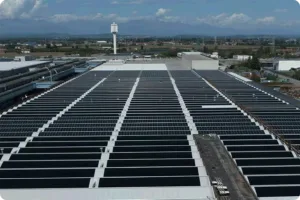
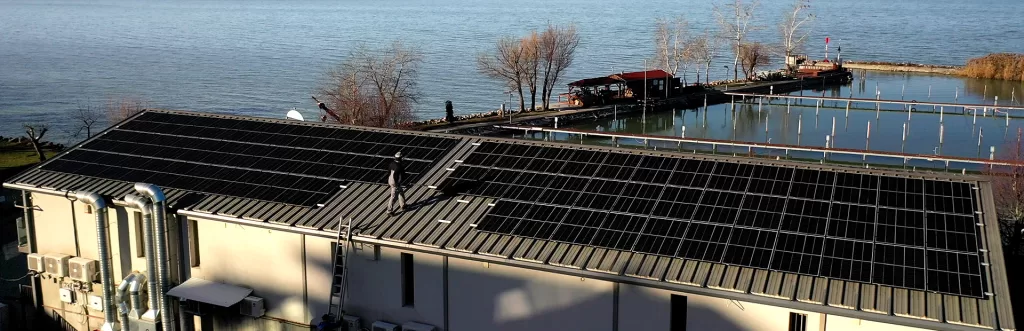
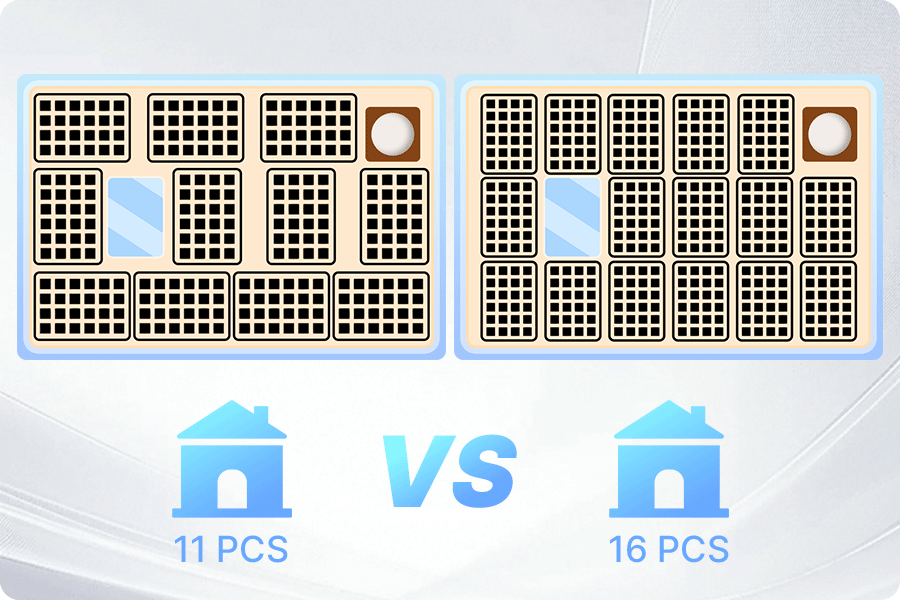
On irregular rooftops, large-format solar panels are more likely to waste usable area

Irregular residential and commercial rooftops rarely support continuous arrays of 700W solar panels. As usable space becomes fragmented, the gap widens between rated capacity and what can actually be installed.

Many European rooftops include structural interruptions such as:

  • Skylights and daylight openings

  • HVAC and ventilation zones

  • Fire access corridors required by regulations

These features break up continuous surface area. Because large-format solar panels rely more heavily on uninterrupted layouts, their high power rating can turn into a layout constraint on complex roofs.

Irregular rooftops prevent large-format solar panels from realising their full advantage.

In practice, system performance depends first on array continuity and installable area, not on the power of a single panel. On irregular rooftops, maintaining a continuous array typically has a greater impact on outcomes than increasing nominal wattage.

When roof load capacity is near its limit, large-format solar panels reduce safety margins

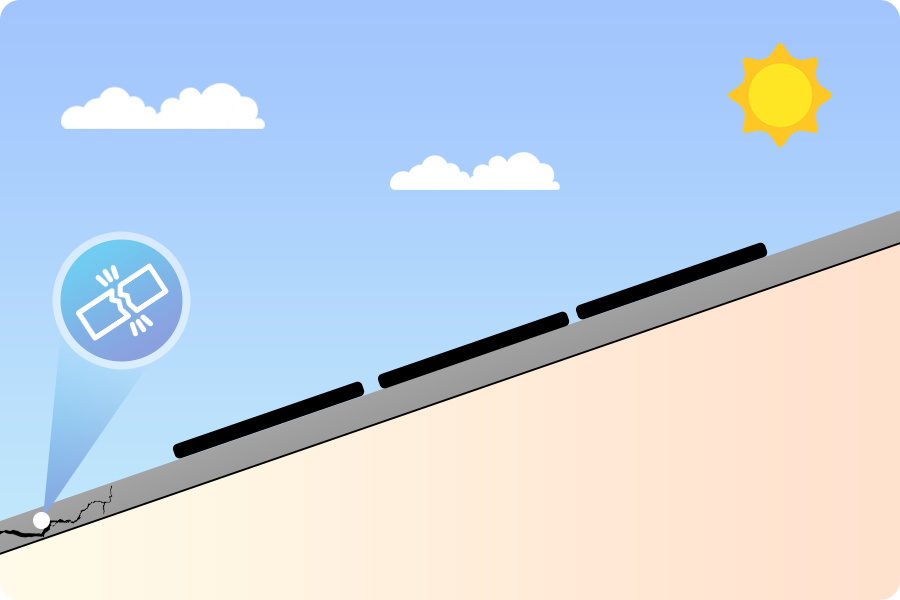
Roofs operating close to their structural load limit are more sensitive to panel weight. The risk comes from how the overall system occupies structural buffer capacity, reducing the roof’s ability to withstand additional loads, material ageing and extreme weather.

Many residential and commercial buildings in Europe face structural constraints, including:

  • Existing roofs that have been renovated or extended

  • Lightweight steel structures or thin roofing systems

  • Older buildings designed to earlier structural standards

Such roofs are rarely designed with extra allowance for large-format solar panels. The larger the panel, the more concentrated the load, and the more it consumes limited structural capacity, leaving system stability increasingly dependent on the remaining safety buffer.

In projects approaching structural limits, safety depends first on how much buffer capacity remains. Preserving structural margin is often more aligned with long-term operational stability than pursuing higher nominal wattage.

In high self-consumption projects, higher panel power does not necessarily mean higher returns

In projects with high on-site consumption, returns depend on how much generated electricity can be used locally, not on the theoretical maximum system size. Energy produced beyond on-site demand is typically exported at lower value. This relationship can be expressed in a simplified model:

System return = self-consumed energy + k × exported energy

Note: exported energy refers to electricity that cannot be used on site and must be fed into the grid.

Assuming a fixed on-site demand limit of 100, compare two system designs:

Option A (load-matched system)

  • Generation = 100

  • Self-consumption = 100

  • Export = 0

  • Return A = 100

Option B (30% oversized system)

  • Generation = 130

  • Self-consumption = 100

  • Export = 30

  • Return B = 100 + k × 30

  • If k = 0.3, then Return B = 109

A 30% increase in installed capacity delivers only about a 9% increase in return. Most of the additional generation falls into a lower-value range rather than converting proportionally into usable benefit.

As system size approaches the site’s load limit, further expansion mainly creates capacity surplus. For high self-consumption residential and commercial projects using 700W solar panels, stable and usable output is often closer to the real return objective than maximising peak capacity.

In long-term projects, large-format solar panels amplify maintenance impact

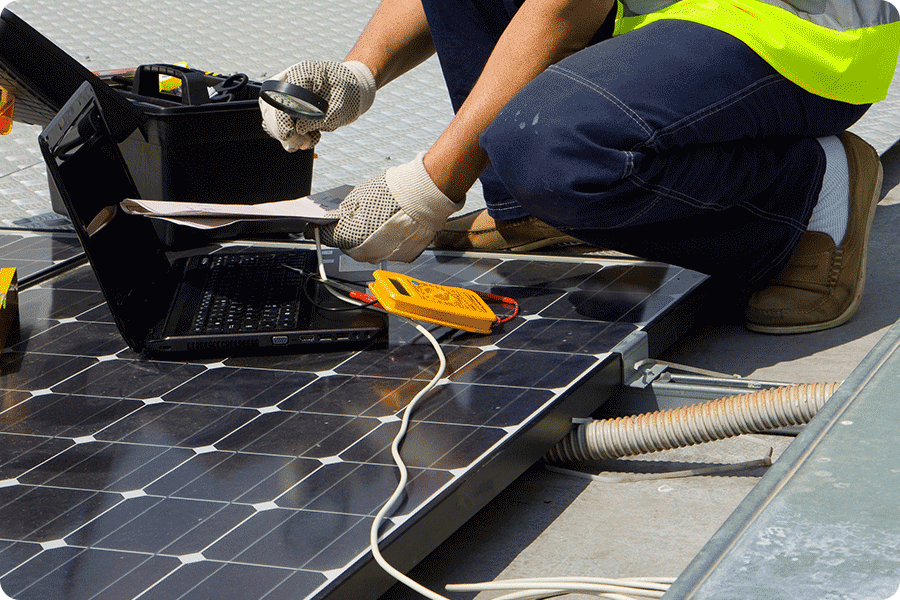
Over a 20–30 year operating cycle, differences in panel selection become more visible during maintenance. Large-format solar panels concentrate more generating area into fewer units, so a single local issue affects a wider section of the system and can extend downtime.

In real projects, when a single 700W solar panel needs replacement or servicing, roof access conditions, temporary staging space and disturbance to adjacent arrays all become practical constraints. The larger the panel, the more its removal and reinstallation can disrupt surrounding layouts, making local maintenance more complex.

For many residential and commercial systems, this amplification effect accumulates over time. The maintenance disruption linked to panel size often reflects long-term cost more directly than nominal wattage differences.

Large-format solar panels perform well on roofs with clear layouts and easy access. On structurally complex or maintenance-constrained rooftops, their amplified impact should be factored into the overall assessment.

As a solar panel manufacturer, Maysun Solar supplies stable volumes to Europe’s wholesale and distribution market. Its 700W-class TOPCon solar panels are designed for large rooftops and well-defined commercial and industrial projects, aiming to deliver higher output per square metre and efficient system matching in suitable scenarios.

Recommend reading

April News from the European Solar Industry

April News from the European Solar Industry

The European solar market is showing clear signs of recovery: system value is being reaffirmed, German auction prices are stabilising, Italy’s rules are becoming clearer, and revenue certainty in France is improving.

Read More »

1 Comment

  1. Daniel Whitaker

    We ran into this on a warehouse project last year. The 700W modules looked good in the proposal stage, but once we got on site and worked around rooflights and access paths, we actually lost layout flexibility and ended up revising the string plan. On lighter roof structures we also had to be more careful with load checks, which slowed things down. From a practical point of view, matching module size to the roof usually matters more than going for the highest wattage.

Comments are closed