January PV Industry News

January PV Industry News

The global photovoltaic industry is being shaped by two parallel forces: a rebound in polysilicon prices driven by compliance premiums, and growing structural divergence across major European markets in installation momentum, policy priorities, and module price expectations. Germany continues to record high levels of new PV capacity additions; Italy is strengthening support for agrivoltaics and energy communities through its PNRR draft framework; and the French market is increasingly pricing in a module price rise. Together, these dynamics outline the short-term characteristics of the European PV market, where costs, policy signals, and demand trends are increasingly intertwined.

Table of Contents

Global polysilicon price uptrend and supply chain cost dynamics

At the beginning of 2026, upstream price signals across the global PV value chain have started to firm, bringing polysilicon costs back into focus as a key variable shaping module prices.

Polysilicon prices have recently rebounded worldwide. According to OPIS data, the latest assessment of the non-China polysilicon benchmark, the Global Polysilicon Marker (GPM), stands at USD 18.728/kg (around USD 0.039/W), up 2.23% month on month. In a market where long-term contracts coexist with spot transactions, the current price increase has been driven mainly by a limited number of higher-priced spot deals, indicating that part of the market has moved away from the previous low-price range.

Global polysilicon price uptrend and supply chain cost dynamics At the beginning of 2026, upstream price signals across the global PV value chain have started to firm, bringing polysilicon costs back into focus as a key variable shaping module prices. Polysilicon prices have recently rebounded worldwide. According to OPIS data, the latest assessment of the non-China polysilicon benchmark, the Global Polysilicon Marker (GPM), stands at USD 18.728/kg (around USD 0.039/W), up 2.23% month on month. In a market where long-term contracts coexist with spot transactions, the current price increase has been driven mainly by a limited number of higher-priced spot deals, indicating that part of the market has moved away from the previous low-price range.

Figure caption: Price trend illustration based on market data, source: OPIS.

From a market behaviour perspective, some buyers are paying a premium for compliant and traceable supply chains to manage uncertainty linked to the US Section 232 investigation and FEOC-related regulations. This shift is gradually being passed down the value chain, providing cost support at module level. At the same time, new polysilicon capacity in the Middle East is scheduled to come online in early 2026, although the actual ramp-up pace, trade flows and downstream applications remain uncertain.

Against the backdrop of ongoing overcapacity in China that has yet to be materially cleared, polysilicon prices are likely to fluctuate near break-even levels in the short term. However, rising compliance costs combined with policy expectations make a return to previous extreme lows increasingly unlikely. As 2026 begins, module price trends will continue to be shaped by raw material costs, changes in trade rules and strategic supply chain choices.

Update on Germany’s PV installations and December additions

At the start of 2026, Germany’s PV market continues to operate at a high overall installation pace, while structural shifts in new capacity additions are becoming increasingly evident.

According to data released by the German Federal Network Agency, newly connected PV capacity in December 2025 reached around 1,312 MW, bringing total net additions for the year to approximately 16.46 GW. The figures account for decommissioned capacity and include estimated adjustments for projects that had not yet completed registration.

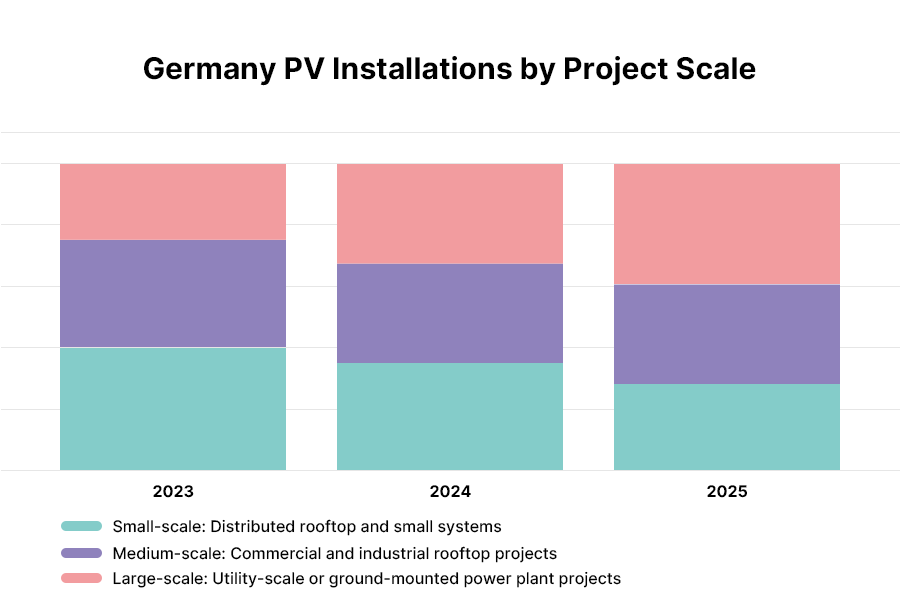
In terms of installation structure, ground-mounted PV plants accounted for more than half of the capacity added in December, extending the trend observed in the second half of 2025. By contrast, rooftop PV and small-scale systems saw a marked slowdown. Rooftop installations fell to their lowest monthly level of the year, while new registrations of balcony PV systems also declined. On a full-year basis, additions from ground-mounted projects have now surpassed those from rooftop systems, signalling a structural shift in Germany’s installation focus.

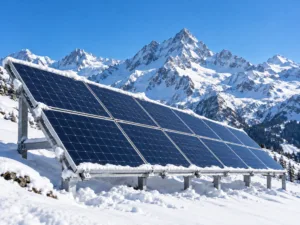
Structural breakdown of Germany’s new PV installations by project scale.

Figure caption: Illustration of structural changes in Germany’s new PV installations by project scale.

This shift indicates that incremental demand in the German PV market is increasingly concentrated in large-scale, centralised projects, while the expansion of distributed applications is losing momentum. Even as overall installation volumes remain elevated, adjustments in demand structure are reshaping project types and market dynamics, with lasting implications for project development and grid connection planning.

Italy’s PNRR draft and progress in agrivoltaics and energy communities

At the beginning of 2026, policy priorities in the Italian PV market are increasingly shifting towards agrivoltaics and energy communities under the PNRR framework.

According to the latest draft decrees related to the PNRR, Italy plans to allocate around EUR 1.8 billion in dedicated funding to agrivoltaic projects and energy communities, with the aim of promoting closer integration between renewable energy deployment, agricultural production and local energy systems.

Agrivoltaics is explicitly identified as a key support area, with funding directed towards the deployment of PV systems that do not compromise agricultural activity. Energy communities, meanwhile, focus on collective self-consumption and electricity sharing models, designed to enhance local consumption capacity and increase end-user participation. The draft also specifies that support will mainly take the form of capital grants, with implementation overseen by the national energy authority.

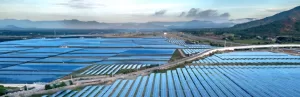
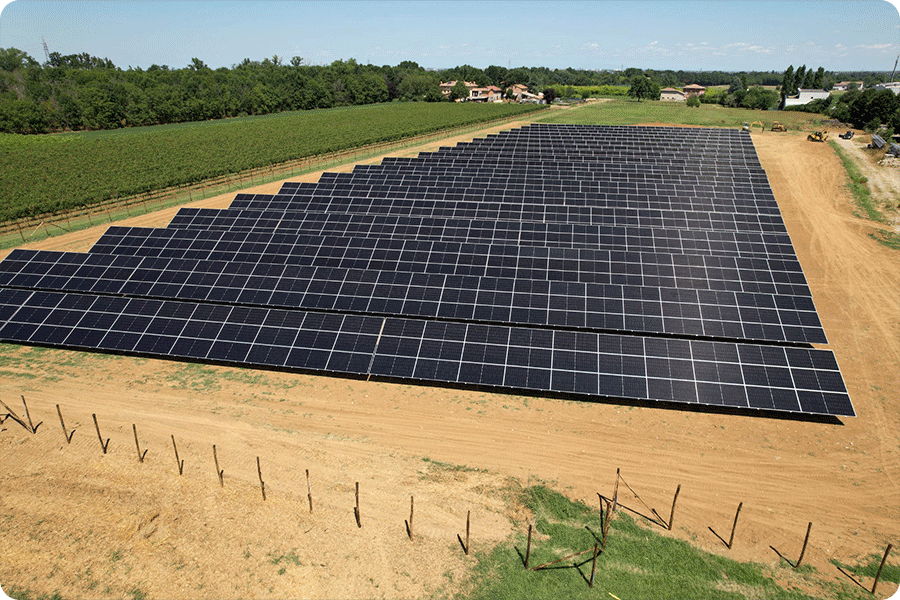
Italian agrivoltaic project, ground-mounted PV system in an agricultural land-use setting.

Figure caption: Example of an agrivoltaic project in Italy, featuring a ground-mounted PV system installed on agricultural land with approximately 1,322 modules and a total capacity of around 912 kWp.

From a policy design perspective, these adjustments reflect a refinement in the execution and management of existing incentive schemes rather than the introduction of a new subsidy framework. The measures have completed EU-level compliance checks and reiterate the principle that different public funding sources cannot be combined, ensuring transparency and controllability in policy implementation.

Overall, the PNRR draft sends a clear signal that Italy’s PV market will place greater emphasis on project configuration and system integration, rather than installation volume alone. This policy direction is expected to continue shaping project selection and the pace of market development.

French PV module price trends and expectations for an early-2026 increase

As 2026 begins, the French PV market is absorbing a combination of cost and policy changes, placing modules under short-term upward price pressure.

With China’s PV product export tax rebate scheduled to expire in April, module manufacturing costs are expected to rise on a structural basis. The impact is likely to feed through to the French market gradually in the first half of 2026. Industry estimates suggest this could translate into a 5%–9% increase in module prices, with a knock-on effect of around 2%–4% on total project Capex.

This trend is reinforced by continued increases in upstream raw material costs. Since the second half of 2025, polysilicon prices have risen by more than 40%, while silver prices have remained elevated, pushing overall module production costs higher. These cost pressures are widely seen as difficult for manufacturers to absorb in full, and some suppliers have already started to factor expected changes into contracts and quotations.

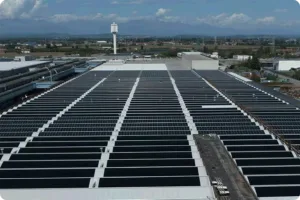
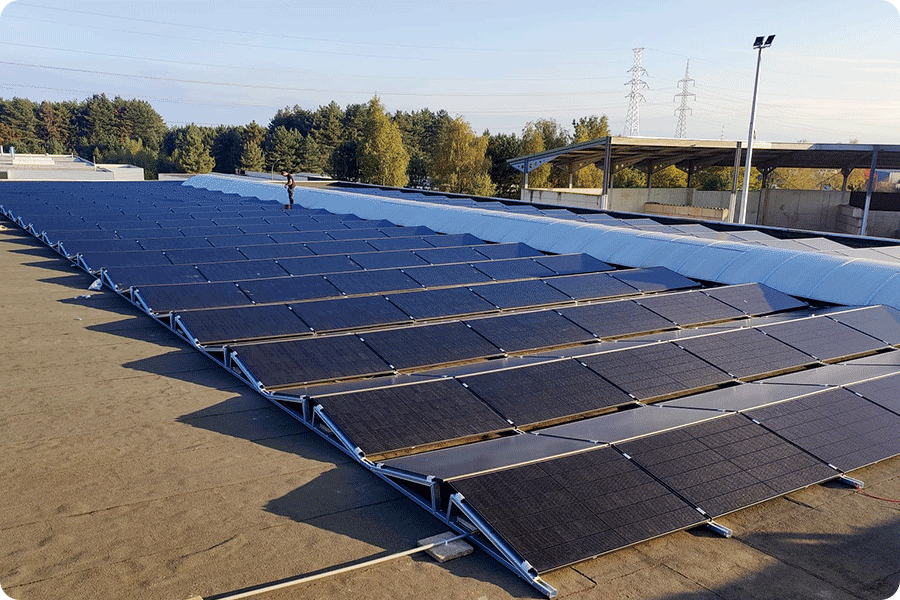
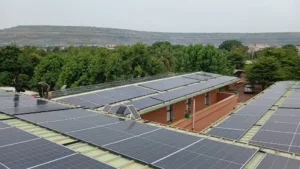
Figure caption: Example of an industrial rooftop PV project in France, featuring a commercial rooftop system using TOPCon modules, with 836 panels installed and a total capacity of around 76 kWp.

In the French domestic market, module prices remained at low levels for much of the second half of 2025, with TOPCon modules for residential and commercial projects typically priced in the range of EUR 0.10–0.13/W. As inventories are gradually drawn down and cost changes become more visible, the market is entering a phase of repricing.

At the same time, adjustments to the conditions governing the application of the 5.5% VAT rate are also influencing module selection and pricing structures, leading to a renewed stratification of project cost bands. Overall, expectations of higher module prices in France are not driven by a single factor, but by the combined effects of export policy changes, raw material costs and local tax rules, with impacts expected to materialise progressively from early 2026.

Maysun Solar has a strong footprint in the European market, supplying wholesalers and distribution partners with a broad portfolio of solar panels and reliable availability, covering mainstream technologies such as IBC technologyTOPCon technologyand HJT technology. We support our partners in achieving higher energy yields, faster payback periods and more stable system performance, even where installation space is limited.

Recommend reading

1 Comment

  1. Nils Arendt

    Clear snapshot of how Europe’s PV markets are starting to diverge.
    What stands out is that installation volume alone is no longer the key signal — upstream polysilicon costs, compliance premiums and policy design are increasingly shaping project economics and module pricing expectations at the local level.

Comments are closed