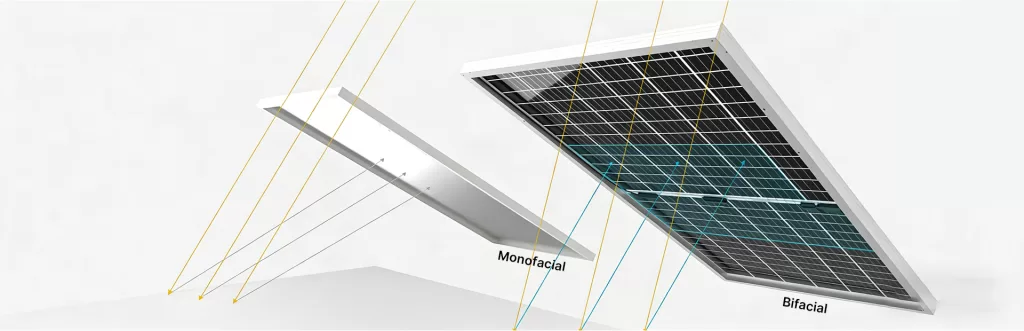
Are bifacial solar panels better than monofacial ones? This article compares reflectivity, installation height, roof structure, and the technical differences of TOPCon, HJT, and IBC panels, analysing energy output in various solar projects.
The European solar market in 2026 is changing, with a rebound in panel prices, increased electricity price volatility, and an adjusted procurement pace.
Solar panels lose efficiency over time. Key indicators include first-year degradation, annual degradation rate, temperature coefficient, and long-term power retention.
This article outlines recent developments in the European solar market, including the EU cross-border solar auction scheme, structural shifts in Germany, updated GSE regulation in Italy, and the recent recovery in solar panel prices.
Compares 430–460W solar panels and 600W solar panels in C&I rooftop projects, showing that solar panel selection should prioritise roof compatibility and system stability.
Europe’s 2026 solar policy and grid changes are reshaping solar panel selection, shifting project returns towards market-driven mechanisms and highlighting the roles of TOPCon, HJT and IBC solar panels.
European EPCs are re-evaluating large-format solar panels. Panel size directly affects installation risk, system compatibility, and solar project ROI stability.
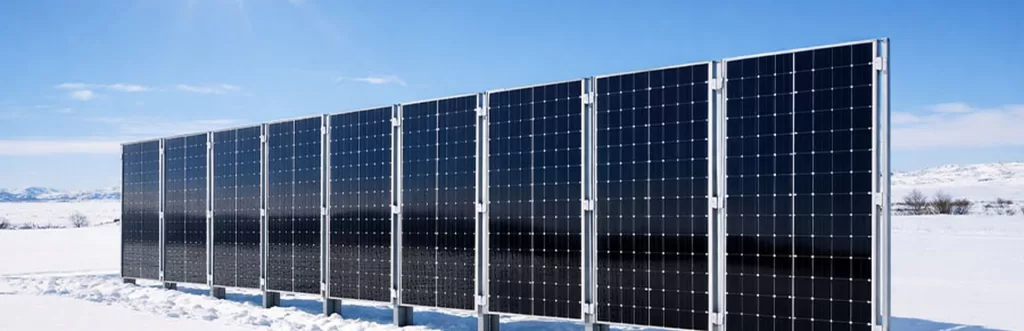
Vertical bifacial PV systems are gaining increasing attention across Europe. This article explores under what conditions a vertical layout can create additional value, how bifacial gain is influenced by site conditions, and which project types are best suited to this design.
An analysis of the practical limits of 700W+ high-power solar panels on residential and commercial rooftops, and how space, load capacity, self-consumption and maintenance affect real returns.